Skip to plant details

Common WireweedSida acuta

Also known as Broomweed · Common Fanpetals · Iseketu

  • Category: Medicinal
  • Type: Herb
  • Sunlight: Prefers full sun but tolerates partial shade.
  • Water: Water regularly, allowing soil to dry slightly between waterings.
  • Temperature: Thrives in warm temperatures.
  • Habitat: Outdoor

Common Wireweed (Sida acuta) is a perennial herb native to tropical and subtropical regions, often found in disturbed areas and grasslands.

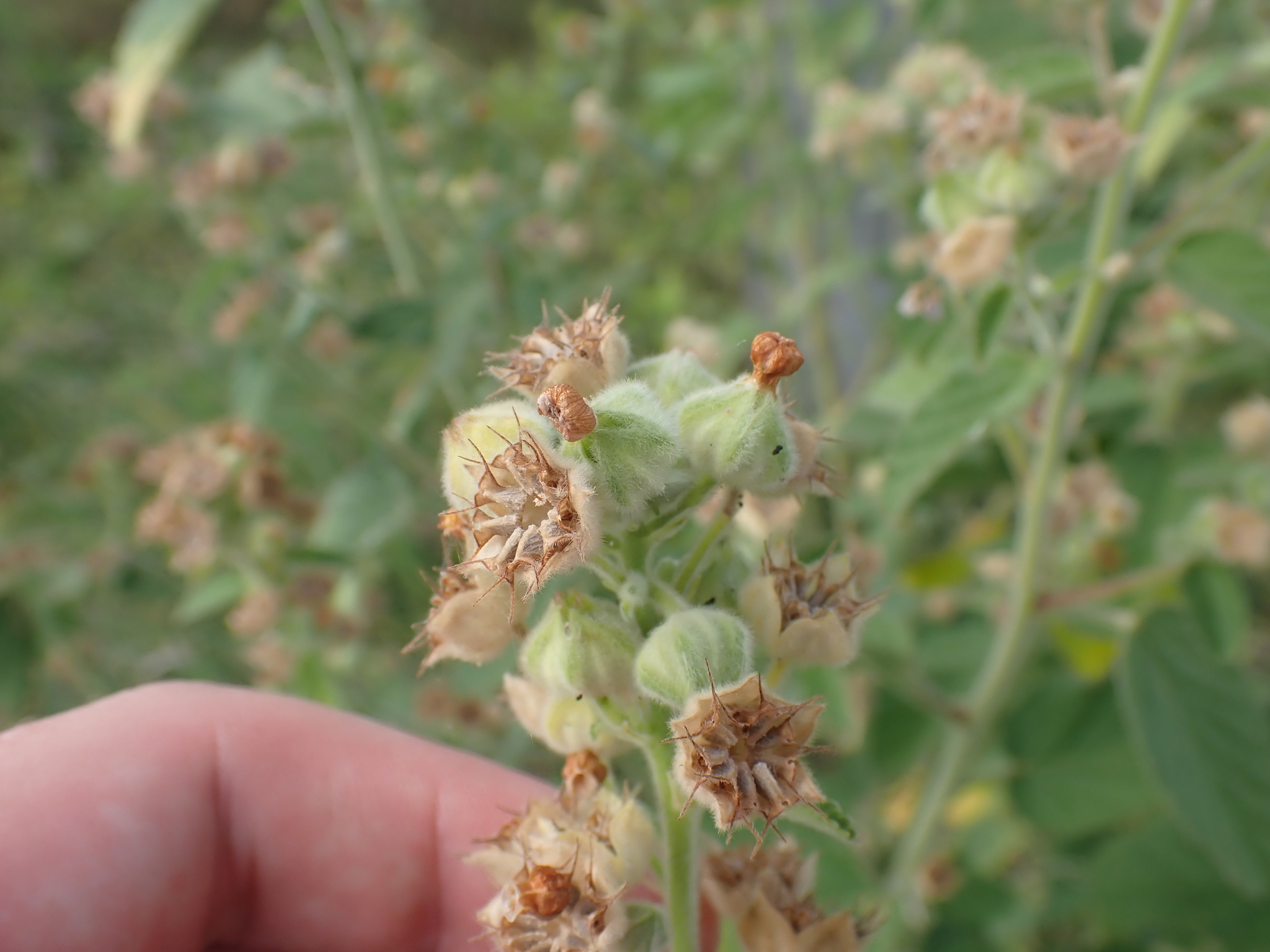
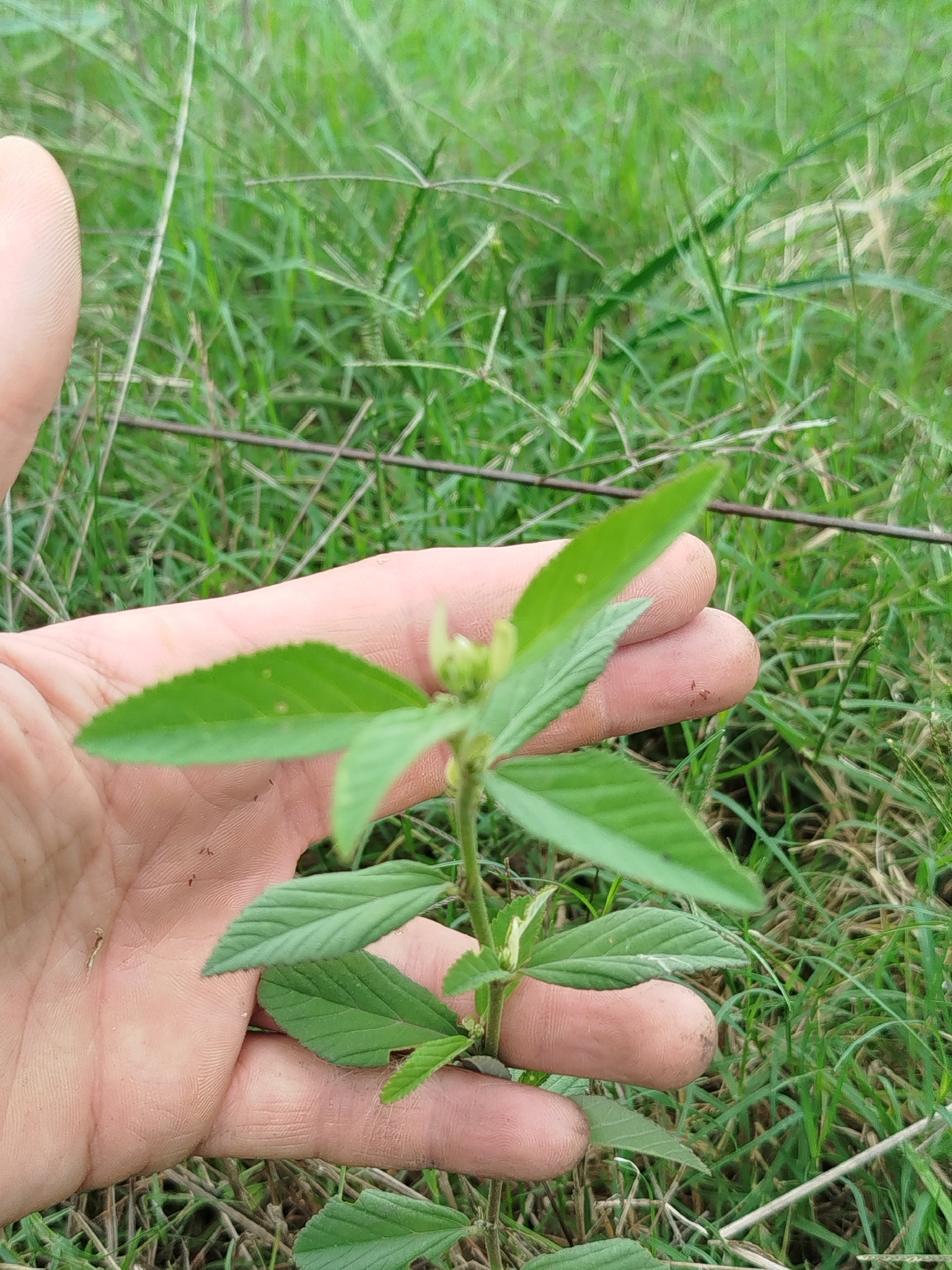
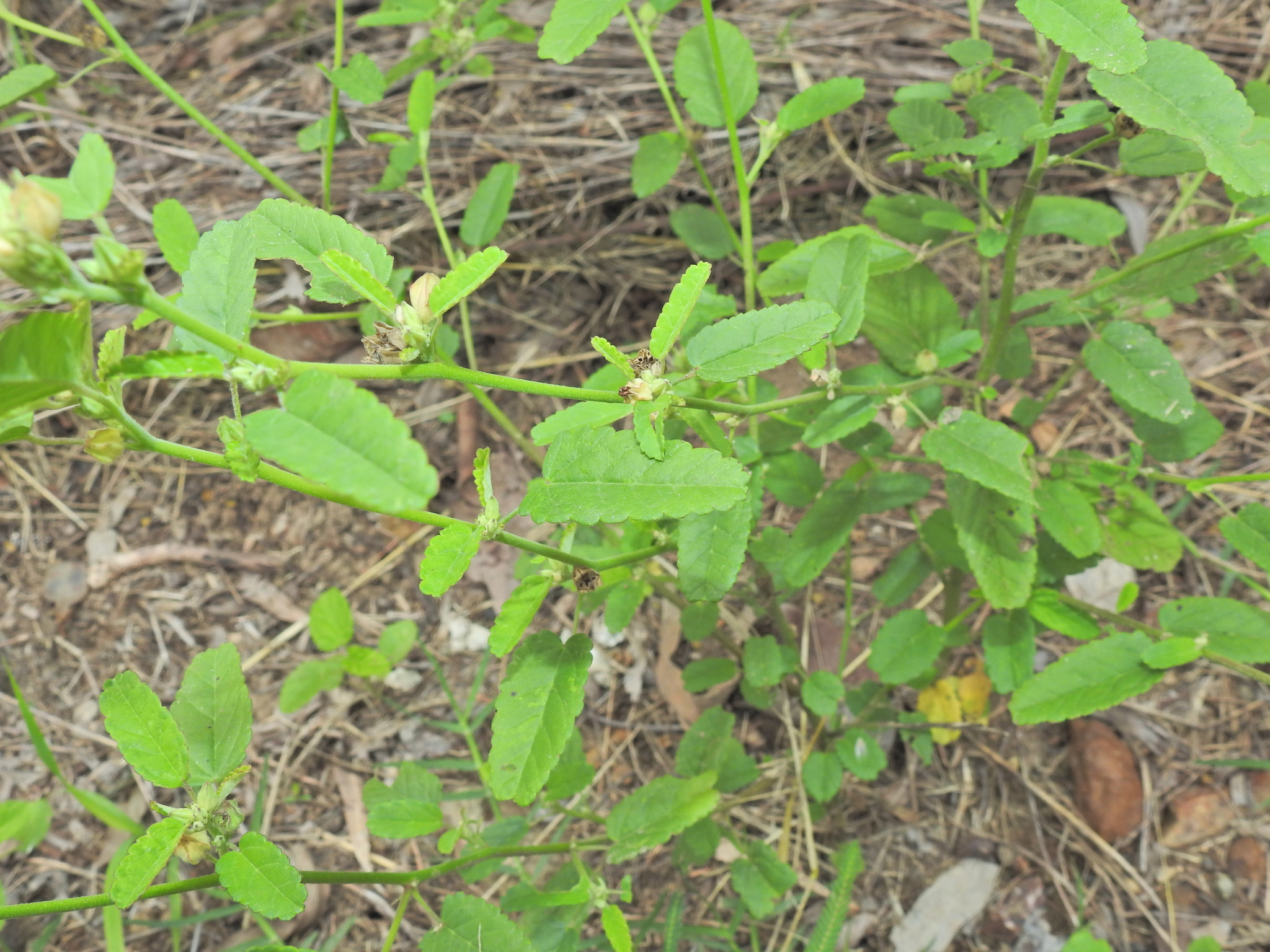
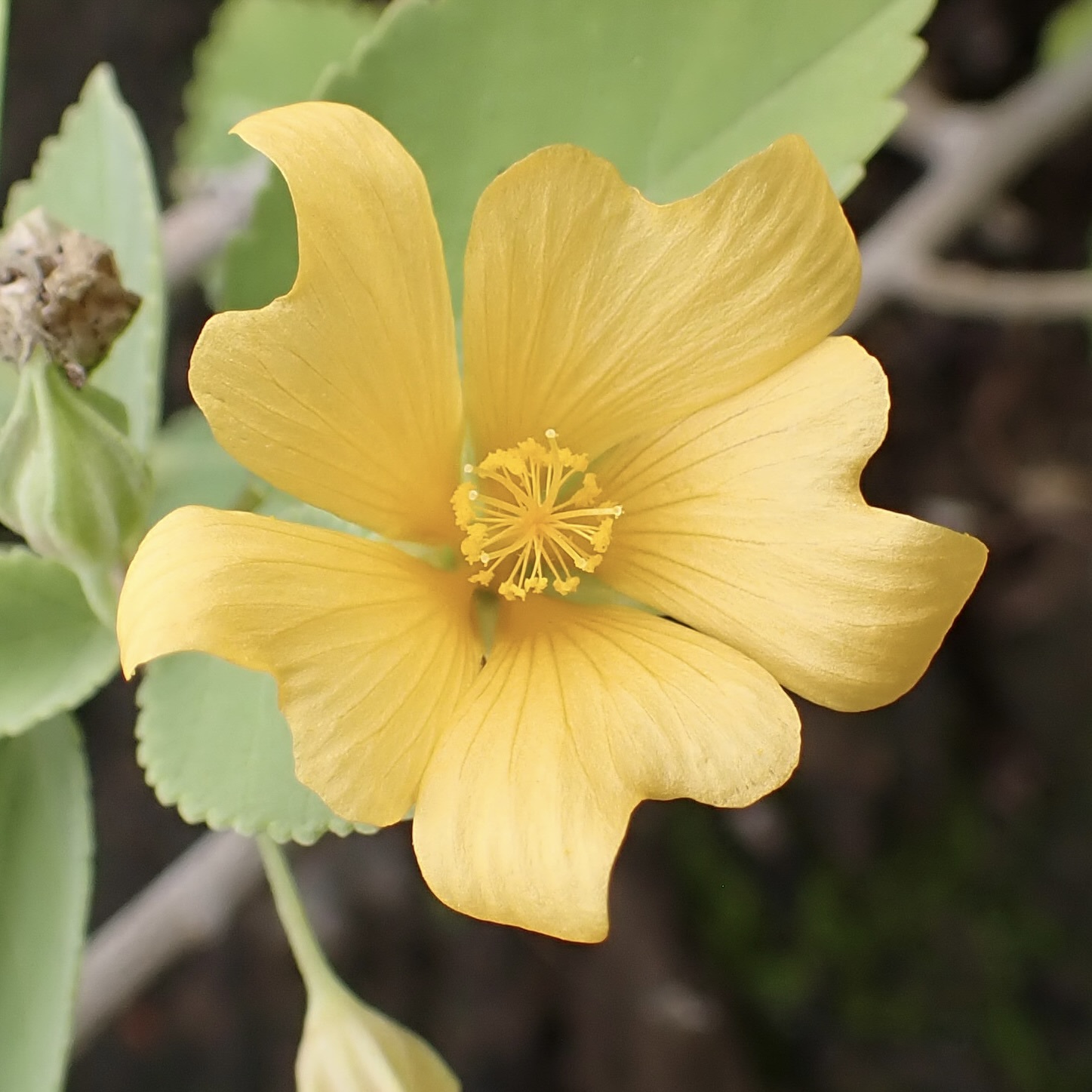
Sida acuta, commonly known as Common Wireweed, is a herbaceous perennial or subshrub belonging to the Malvaceae family, a group that also includes mallows and hibiscus. This species is recognized for its widespread distribution and its role in various ecosystems. Physically, Sida acuta typically presents an erect, branching growth habit, reaching heights of 30 to 150 centimeters. Its stems are often angular and covered with fine hairs. The leaves are simple, arranged alternately along the stem, and are characterized by their ovate to lanceolate shape, with serrated margins. They are typically 2 to 7 centimeters long and 1 to 3 centimeters wide, with a pointed apex and a slightly rough texture on the upper surface. The plant produces small, attractive flowers, usually solitary or in pairs in the leaf axils. Each flower possesses five petals, typically yellow or orange-yellow, measuring about 1 to 1.5 centimeters in diameter. The fruit is a schizocarp, a dry fruit that splits into several segments (mericarps) when mature, each containing a single seed. These mericarps are often bristly or have prominent ribs. The native distribution of Sida acuta is pantropical, meaning it is found in tropical regions across the globe. It thrives in a variety of habitats, including disturbed areas, grasslands, savannas, roadsides, and open woodlands. It prefers well-drained soils and can tolerate a range of conditions, from moist to relatively dry. While widely distributed naturally, it is also cultivated in some regions, though its primary significance is not typically ornamental. Historically and in certain regions, Sida acuta has garnered attention for its fibrous stems, which can be used to produce cordage and rough textiles. In traditional medicine, various parts of the plant have been employed for their purported therapeutic properties, though scientific validation for these uses varies. Ecologically, it can be a component of native flora in its natural range and can also behave as a weed in agricultural settings due to its prolific seed production and adaptability. An interesting characteristic of Sida acuta is its resilience and ability to colonize disturbed sites, making it an early successional species in some environments. Its seeds are adapted for dispersal, contributing to its widespread presence. The plant's ability to thrive in challenging conditions underscores its adaptive capabilities within its native and introduced ranges.

Photograph © Anil Kumar Verma · CC-BY-NC

Common Wireweed Care Summary

At-a-glance light, water, soil, and growing conditions from plant data

Light

Prefers full sun but tolerates partial shade.

80% intensity

Needs at least 6 hours of direct sunlight for best growth.

Water

Water regularly, allowing soil to dry slightly between waterings.

60% intensity

Avoid waterlogged conditions.

Soil

Well-draining soil. Tolerates a range of soil types, including poor soils.

50% intensity

Temperature

Thrives in warm temperatures.

70% intensity

Ideal range is 18-25 °C. Can tolerate brief cooler periods.

Habitat

Outdoor

50% intensity

Fertilizer

Fertilize sparingly during the growing season.

40% intensity

Use a balanced liquid fertilizer every 4-6 weeks.

Common Wireweed Toxicity

Safety information from plant toxicity data

Toxicity details for Common Wireweed
AttributeValue
Toxic for humansNo

0/5 intensity

Toxic for petsNo

0/5 intensity

Non-toxic

Common Wireweed Quick Facts

Key traits and growing stats from plant data

Plant Type
Herb
Plant Category
Medicinal
Plant Place Type
Ground
Plant Environment
Outdoor
Lifespan
Perennials
Plant Height
0.5-1.5 m
Spread
0.3-0.6 m
Growth Rate
Moderate
Dormancy
None
Leaf Color
Green
Leaf Type
Simple
Flower Size
1.5-2 cm
Weed Status
Yes

Care guide for Common Wireweed

Watering, pruning, propagation, and repotting details from plant data

Water

Water consistently, especially during dry periods, but ensure good drainage to prevent root rot. Allow the top inch of soil to dry out between waterings.

Pruning

Prune to maintain shape and encourage bushier growth. Remove dead or damaged stems. Light pruning can be done anytime, with heavier pruning in early spring.

Propagation

Easily propagated from seeds sown in spring or from stem cuttings taken during the growing season. Seeds may require scarification or stratification.

Repotting

If grown in a pot, repot every 1-2 years in spring when root-bound. Use a well-draining potting mix and a pot that is slightly larger than the previous one.

Identify plants like this with ePlant

Snap a photo to get care tips and match similar species on the go.

Try for Free

Flowering & Fruiting Cycles

Monthly activity intensity for bloom and fruit across both hemispheres.

Northern hemisphere

Flowering & fruiting calendar

Peak bloom · JulPeak fruit · Jul
FloweringFruiting
02468JanFebMarAprMayJunJulAugSepOctNovDecActivity intensityMonths87
Southern hemisphere

Flowering & fruiting calendar

Peak bloom · DecPeak fruit · Dec
FloweringFruiting
02468JanFebMarAprMayJunJulAugSepOctNovDecActivity intensityMonths87

Common Wireweed Names & Synonyms

Common names and botanical synonyms

Common Names

  • Broomweed
  • Common Fanpetals
  • Common Wireweed
  • Iseketu
  • Ìsékètu (yo)
  • Sida
  • Siobala (or)
  • Snakebush
  • Snakestongue
  • Soap Bush
  • Southern Sida
  • Spiny-Head Sida
  • Spinyhead Sida
  • Wire Weed
  • పరాసు కంప / పొలికట్ట

Synonyms

  • Sida arrudiana Monteiro
  • Sida berlandieri Turcz.
  • Sida bodinieri Gand.
  • Sida bradei Ulbr.
  • Sida brasila Schrank ex Link
  • Sida capensis Cav.
  • Sida chanetii Gand.
  • Sida commixta Gand.
  • Sida crassa Gand.
  • Sida foliosa Splitg. ex de Vriese
  • Sida frutescens Cav.
  • Sida garckeana Pol.
  • Sida grandior Gand.
  • Sida lancea Gand.
  • Sida lanceolata Retz.
  • Sida malifolia Gand.
  • Sida martinicensis Gand.
  • Sida martiusiana Gand.
  • Sida parens Gand.
  • Sida repanda Roth
  • Sida rugosa Thonn.
  • Sida schrankii DC.
  • Sida scoparia Lour.
  • Sida spiraeifolia Willd.
  • Sida stauntaniana DC.
  • Sida versatilis Gand.
  • Sida vogelii Hook.f.
  • Sida zelotes Gand.

Common Wireweed Taxonomy

Botanical classification

Taxonomic classification of Common Wireweed
RankName
kingdomPlantae
divisionTracheophyta
classMagnoliopsida
orderMalvales
familyMalvaceae
genusSida
speciesSida acuta

Common Wireweed FAQs

Answers based on plant encyclopedia data

Is Sida acuta a weed?

Yes, Sida acuta is often considered a weed, particularly in agricultural and disturbed areas, due to its ability to spread aggressively and outcompete native vegetation.

What are the medicinal uses of Common Wireweed?

In traditional medicine, Sida acuta has been used to treat a variety of conditions, including respiratory issues, fevers, and urinary tract infections, though scientific validation varies.

How do I propagate Sida acuta?

Sida acuta can be propagated from seeds sown in spring or from stem cuttings taken during the growing season. Ensure seeds are viable and cuttings are healthy.

What kind of soil does Sida acuta prefer?

This plant is adaptable and tolerates a wide range of soil types, including poor or sandy soils, as long as they are well-draining. It does not require rich soil.

Can Sida acuta be grown in pots?

While it thrives in the ground, Sida acuta can be grown in pots, provided the container has good drainage and the plant receives adequate sunlight and water. Repotting may be necessary.