Skip to plant details

Sedum NussbaumerianumSedum adolphi

Also known as Adolph's Coppertone Sedum · Adolph's Sedum · Adolph's Stonecrop

  • Category: Ornamental
  • Type: Succulent
  • Sunlight: Prefers bright, indirect sunlight.
  • Water: Allow soil to dry out completely between waterings.
  • Temperature: Thrives in temperatures between 18-24°C.

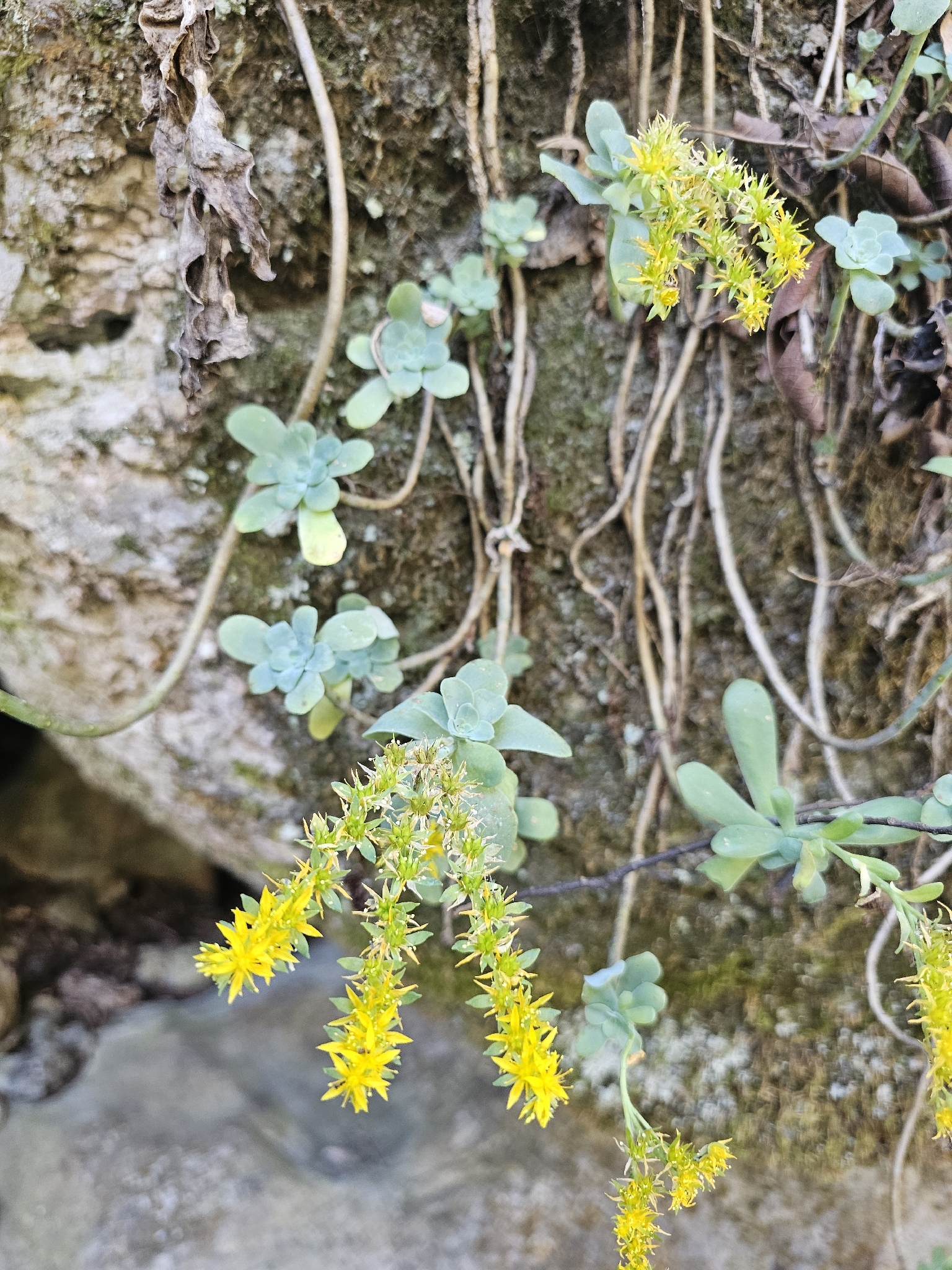
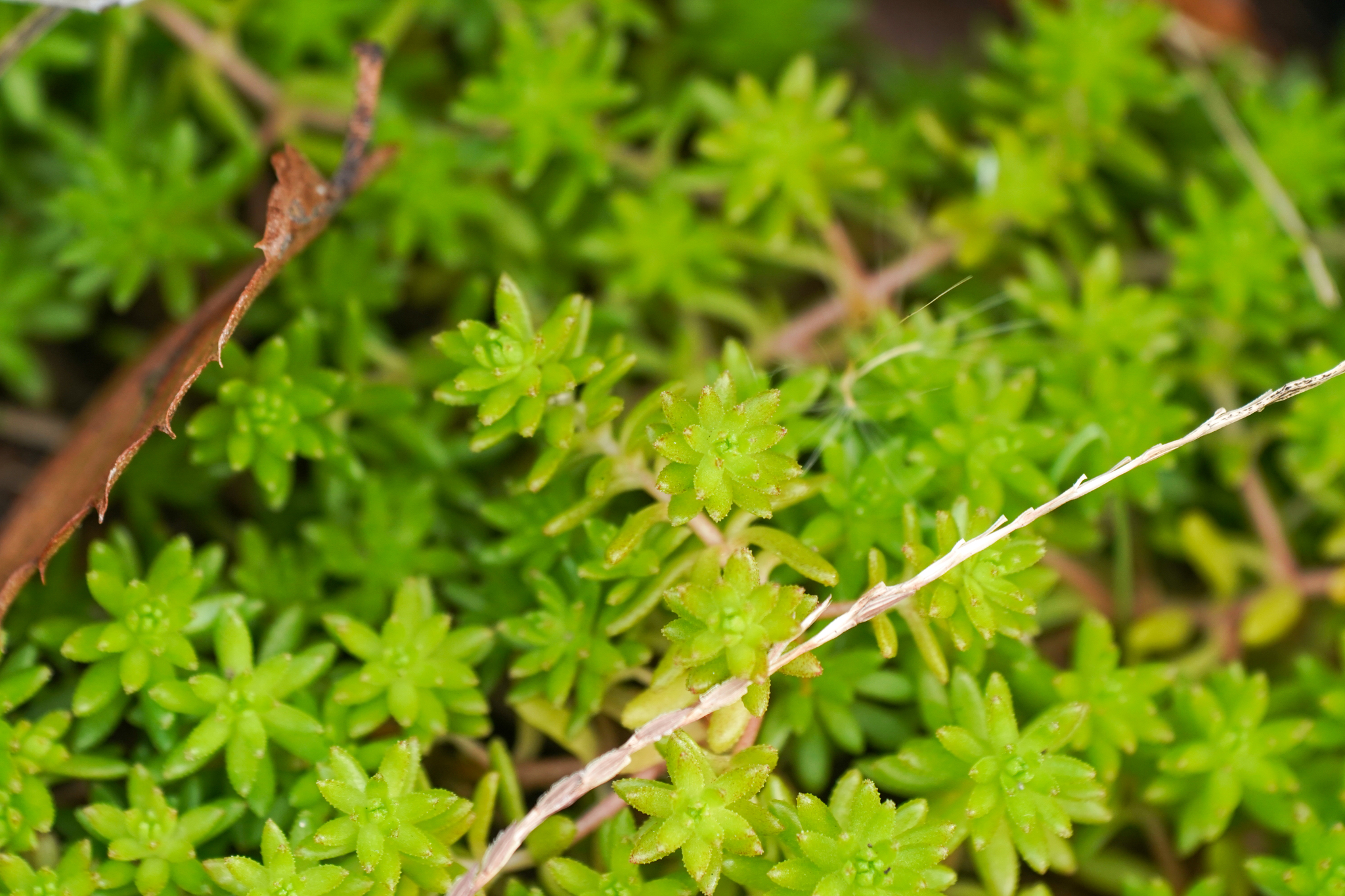
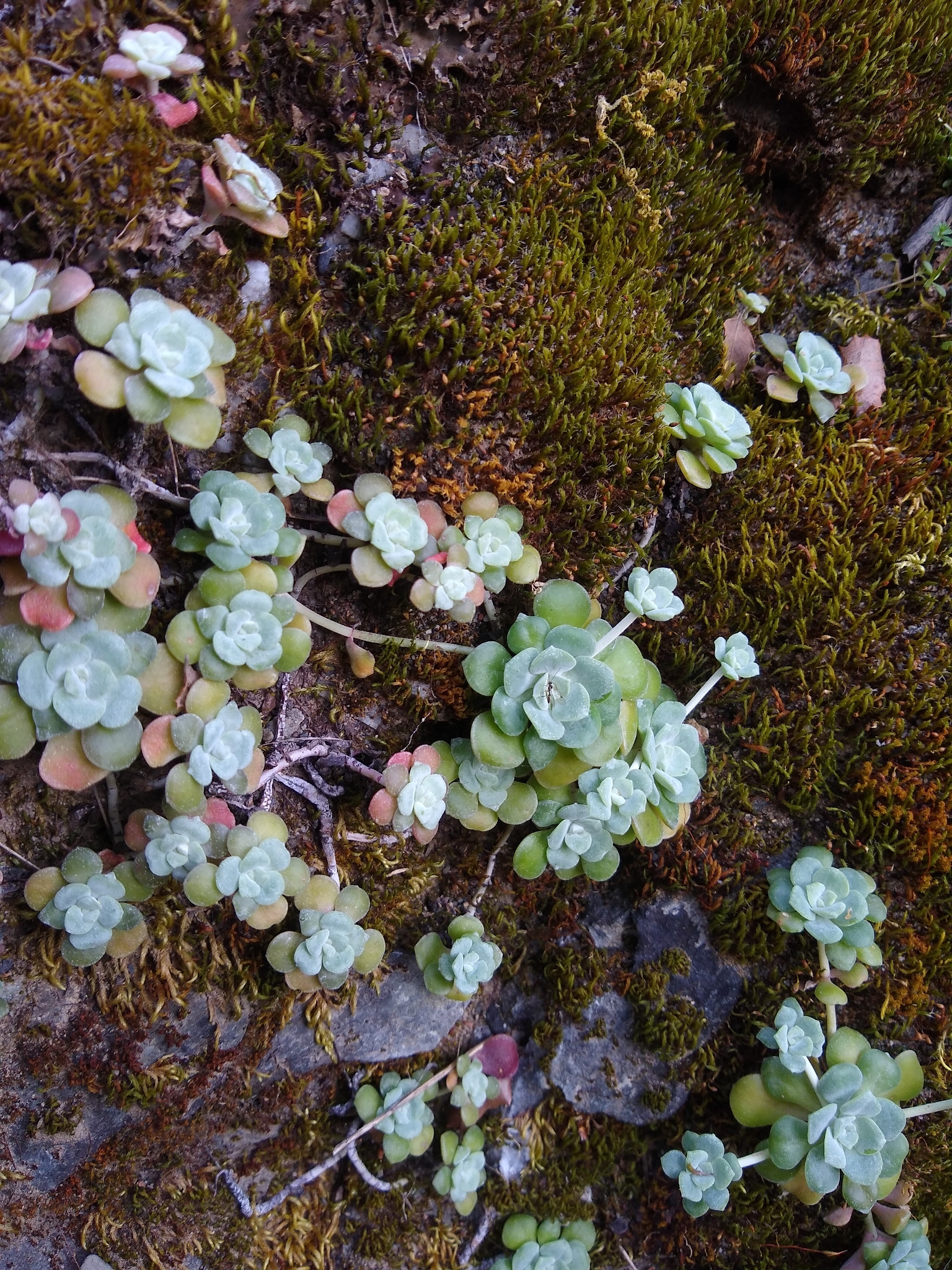
Sedum Nussbaumerianum features rosettes of succulent, lance-shaped leaves that turn a fiery orange-red in full sun. It's a low-maintenance, drought-tolerant plant perfect

Sedum adolphi, commonly known as Sedum Nussbaumerianum, is a captivating succulent species appreciated for its striking foliage and ease of cultivation. This plant belongs to the Crassulaceae family, a diverse group renowned for its drought-tolerant members. Sedum adolphi is primarily valued in horticulture as an ornamental groundcover or specimen plant, particularly in xeriscape designs and container gardens where its unique appearance can be fully showcased. Physically, Sedum adolphi exhibits a trailing or spreading growth habit, typically forming dense mats or mounds that can reach up to 15 centimeters in height and spread to 60 centimeters or more. Its most distinctive feature is its succulent leaves, which are fleshy, obovate to spatulate in shape, and arranged in dense rosettes along the stems. The leaves are typically 2 to 4 centimeters long and possess a glossy, waxy surface. Their coloration is a significant ornamental attribute, ranging from a vibrant green to a rich bronze or coppery hue, especially when exposed to ample sunlight. This color intensifies under stress, such as drought or cooler temperatures, adding to its visual appeal. During its blooming period, Sedum adolphi produces small, star-shaped flowers that are typically white or pale yellow, borne in terminal cymes. These flowers, while attractive, are not the primary ornamental focus of the plant. The species does not possess notable bark or significant fruit structures of horticultural interest. The native distribution of Sedum adolphi is restricted to specific regions of Mexico, where it naturally thrives in arid or semi-arid environments. It is often found growing on rocky slopes, in crevices, or as an epiphyte on trees, indicating its adaptation to well-drained substrates and moderate light conditions. In cultivation, Sedum adolphi is adaptable to a wide range of climates but performs best in regions with mild winters. It requires full sun to partial shade, with more intense sunlight often promoting richer foliage coloration. Crucially, it demands excellent drainage; therefore, planting in sandy, gritty soil mixes or specialized succulent and cactus potting mediums is essential to prevent root rot. Overwatering is the most common cause of cultivation issues. While not widely recognized for medicinal, culinary, or economic uses, Sedum adolphi holds significant ecological importance within its native habitat as a component of arid ecosystems. Its succulent nature is a key adaptation for survival in its native dry environments, allowing it to store water in its leaves and stems, thus minimizing water loss through transpiration. This water-storing capability is a characteristic shared by many members of the Sedum genus, enabling them to thrive in conditions that would be inhospitable to most other plants. The plant's ability to tolerate drought and heat makes it an excellent choice for water-wise landscaping and for gardeners seeking low-maintenance, visually appealing succulents.

Photograph © Peter A. Mansfeld · CC-BY-NC-SA

Sedum Nussbaumerianum Care Summary

At-a-glance light, water, soil, and growing conditions from plant data

Light

Prefers bright, indirect sunlight.

75% intensity

Can tolerate full sun if acclimated, but may scorch in intense afternoon sun.

Watering

Allow soil to dry out completely between waterings.

25% intensity

Reduce frequency in winter.

Soil

Well-draining, sandy, loamy

50% intensity

Temperature

Thrives in temperatures between 18-24°C.

50% intensity

Can tolerate cooler temperatures in winter dormancy (around 10-13°C).

Fertilizer

Feed sparingly during the growing season.

25% intensity

Use diluted succulent fertilizer once a month in spring and summer.

Sedum Nussbaumerianum Toxicity

Safety information from plant toxicity data

Toxicity details for Sedum Nussbaumerianum
AttributeValue
Toxic for humansNo

0/5 intensity

Toxic for petsNo

0/5 intensity

EdibleNo

None

Sedum Nussbaumerianum Quick Facts

Key traits and growing stats from plant data

Plant Type
Succulent
Plant Category
Ornamental
Plant Place Type
Garden, Pot
Lifespan
Perennial
Plant Height
0.1-0.2 m
Spread
0.3-0.5 m
Growth Rate
Moderate
Dormancy
Winter
Leaf Color
Green, Yellow, Orange, Red
Leaf Type
Fleshy
Flower Size
0.5-0.7 cm
Optimal Sunlight Lux
60000

Care guide for Sedum Nussbaumerianum

Watering, pruning, propagation, and repotting details from plant data

Water

Allow the soil to dry out completely between waterings. Overwatering is the most common cause of root rot. Reduce watering significantly during winter dormancy.

Check the soil moisture by inserting a finger about 2-3 cm deep; if it feels dry, it's time to water.

Pruning

Prune to maintain shape, remove dead or damaged foliage, and control size. Cuttings from pruning can be used for propagation.

Pruning can be done anytime, but it's best after flowering or during active growth to encourage new shoots.

Propagation

Easily propagated from stem cuttings or leaf cuttings. Allow cuttings to callus over for a few days before planting in well-draining soil. Water sparingly until roots develop.

This method is highly successful for multiplying your plant collection.

Repotting

Repot every 2-3 years or when the plant becomes root-bound. Use a well-draining potting mix formulated for succulents or cacti. Choose a pot only slightly larger than the current one.

Repot in spring before the main growing season.

Identify plants like this with ePlant

Snap a photo to get care tips and match similar species on the go.

Try for Free

Flowering & Fruiting Cycles

Monthly activity intensity for bloom and fruit across both hemispheres.

Northern hemisphere

Flowering & fruiting calendar

Peak bloom · AprPeak fruit · Jul
FloweringFruiting
02468JanFebMarAprMayJunJulAugSepOctNovDecActivity intensityMonths85
Southern hemisphere

Flowering & fruiting calendar

Peak bloom · NovPeak fruit · Oct
FloweringFruiting
02468JanFebMarAprMayJunJulAugSepOctNovDecActivity intensityMonths85

Sedum Nussbaumerianum Names & Synonyms

Common names and botanical synonyms

Common Names

  • Adolph's Coppertone Sedum
  • Adolph's Sedum
  • Adolph's Stonecrop
  • Coppertone Stonecrop
  • Coppertone Stonecrop (sedum Nussbaumerianum)
  • Golden Sedum
  • Shooting Stars
  • Stonecrop

Synonyms

  • Sedum nussbaumerianum Bitter

Sedum Nussbaumerianum Taxonomy

Botanical classification

Taxonomic classification of Sedum Nussbaumerianum
RankName
kingdomPlantae
divisionTracheophyta
classMagnoliopsida
orderSaxifragales
familyCrassulaceae
genusSedum
speciesSedum adolphi

Sedum Nussbaumerianum FAQs

Answers based on plant encyclopedia data
What are the light requirements for Sedum Nussbaumerianum?

Sedum Nussbaumerianum thrives in full sun to partial shade. For the best color, it requires at least 6 hours of direct sunlight daily.

How often should I water Sedum Nussbaumerianum?

Water thoroughly when the soil is dry to the touch. Allow the soil to dry out completely between waterings, as overwatering can lead to root rot. It is drought-tolerant once established.

What type of soil is best for Sedum Nussbaumerianum?

This succulent prefers well-draining soil. A cactus or succulent potting mix is ideal, or you can amend regular potting soil with perlite or pumice to improve drainage.

Can Sedum Nussbaumerianum be grown indoors?

Yes, it can be grown indoors, but it requires a very bright location, such as a south-facing window, to maintain its compact form and vibrant color.

How do I propagate Sedum Nussbaumerianum?

Propagation is easy from stem cuttings or individual leaves. Allow cuttings or leaves to callus over for a few days before planting them in well-draining soil.