Water
Water consistently when the top 2-3 cm of soil feels dry to the touch. Avoid waterlogging, as Gypsophila vaccaria prefers well-draining soil.
Reduce watering during cooler months when plant growth slows down to prevent root rot.
Also known as Bladder Soapwort · China Cockle · Cow Gypsophila
Gypsophila vaccaria is a delicate, annual flowering plant producing sprays of tiny, star-shaped white or pink flowers, perfect for filling spaces in borders and bouquets.
At-a-glance light, water, soil, and growing conditions from plant data
Full Sun
100% intensity
Prefers at least 6-8 hours of direct sunlight daily.
Moderate
50% intensity
Allow soil to dry slightly between waterings.
Well-drained
50% intensity
Moderate
50% intensity
Thrives in temperatures between 15-24°C.
Outdoor
50% intensity
Low
25% intensity
Feed sparingly in spring with diluted balanced fertilizer.
Safety information from plant toxicity data
| Attribute | Value |
|---|---|
| Toxic for humans | No 0/5 intensity |
| Toxic for pets | No 0/5 intensity |
Non-toxic
Key traits and growing stats from plant data
Watering, pruning, propagation, and repotting details from plant data
Water consistently when the top 2-3 cm of soil feels dry to the touch. Avoid waterlogging, as Gypsophila vaccaria prefers well-draining soil.
Reduce watering during cooler months when plant growth slows down to prevent root rot.
Deadhead spent flowers regularly to encourage continuous blooming and maintain a tidy appearance. Lightly prune in late autumn or early spring to shape the plant and remove any dead or overgrown stems.
This promotes vigorous new growth.
Propagate by seeds sown in early spring indoors or directly outdoors after the last frost. Alternatively, take cuttings from semi-ripe shoots in summer.
Ensure good air circulation to prevent fungal diseases during propagation.
Repot young plants annually or biennially in spring as needed, moving them to a slightly larger container with fresh, well-draining potting mix. Mature plants generally prefer to be slightly pot-bound and do not require frequent repotting.
Identify plants like this with ePlant AI
Snap a photo to get care tips and match similar species on the go.
Monthly activity intensity for bloom and fruit across both hemispheres.
Flowering & fruiting calendar
Flowering & fruiting calendar
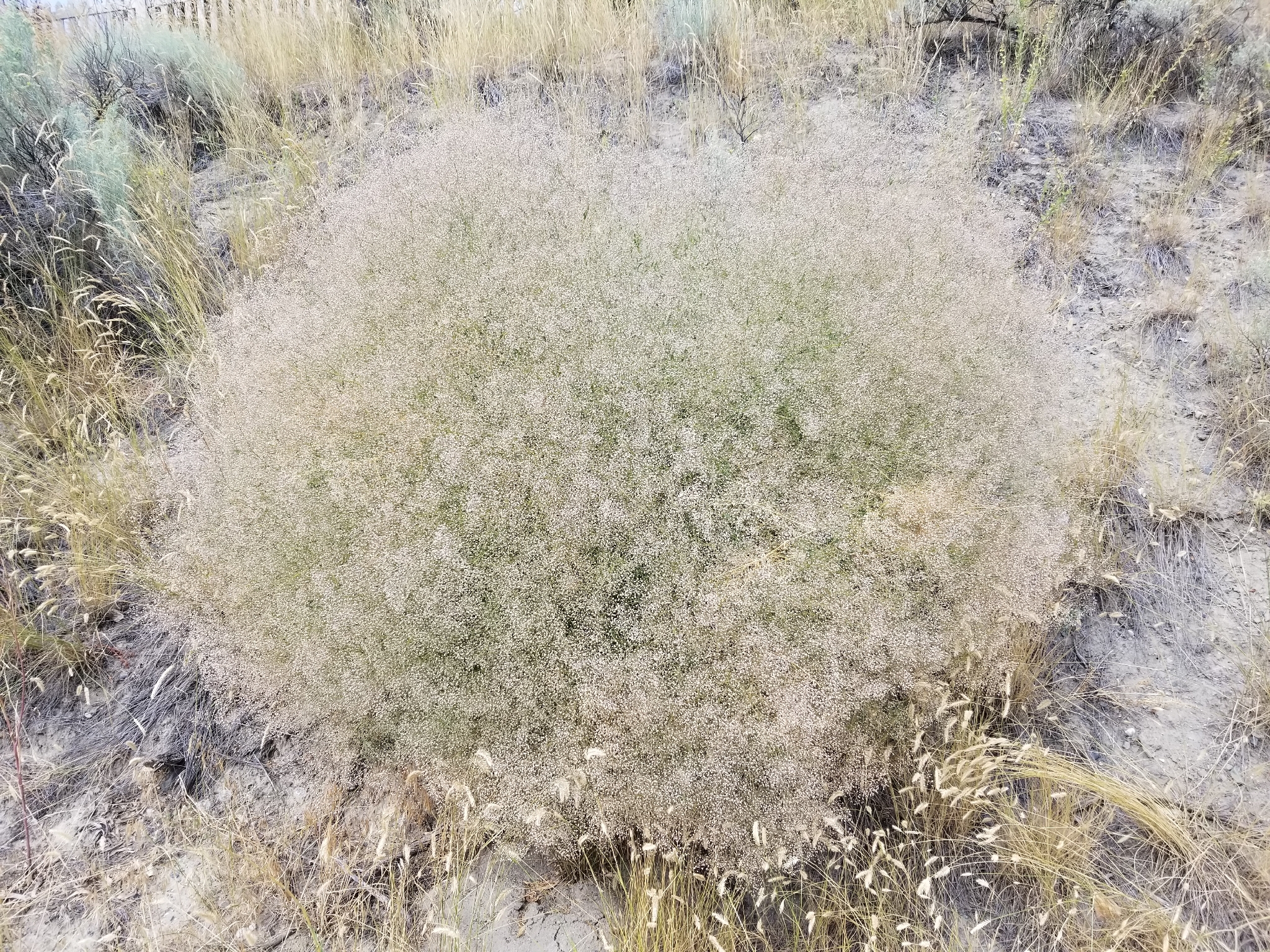
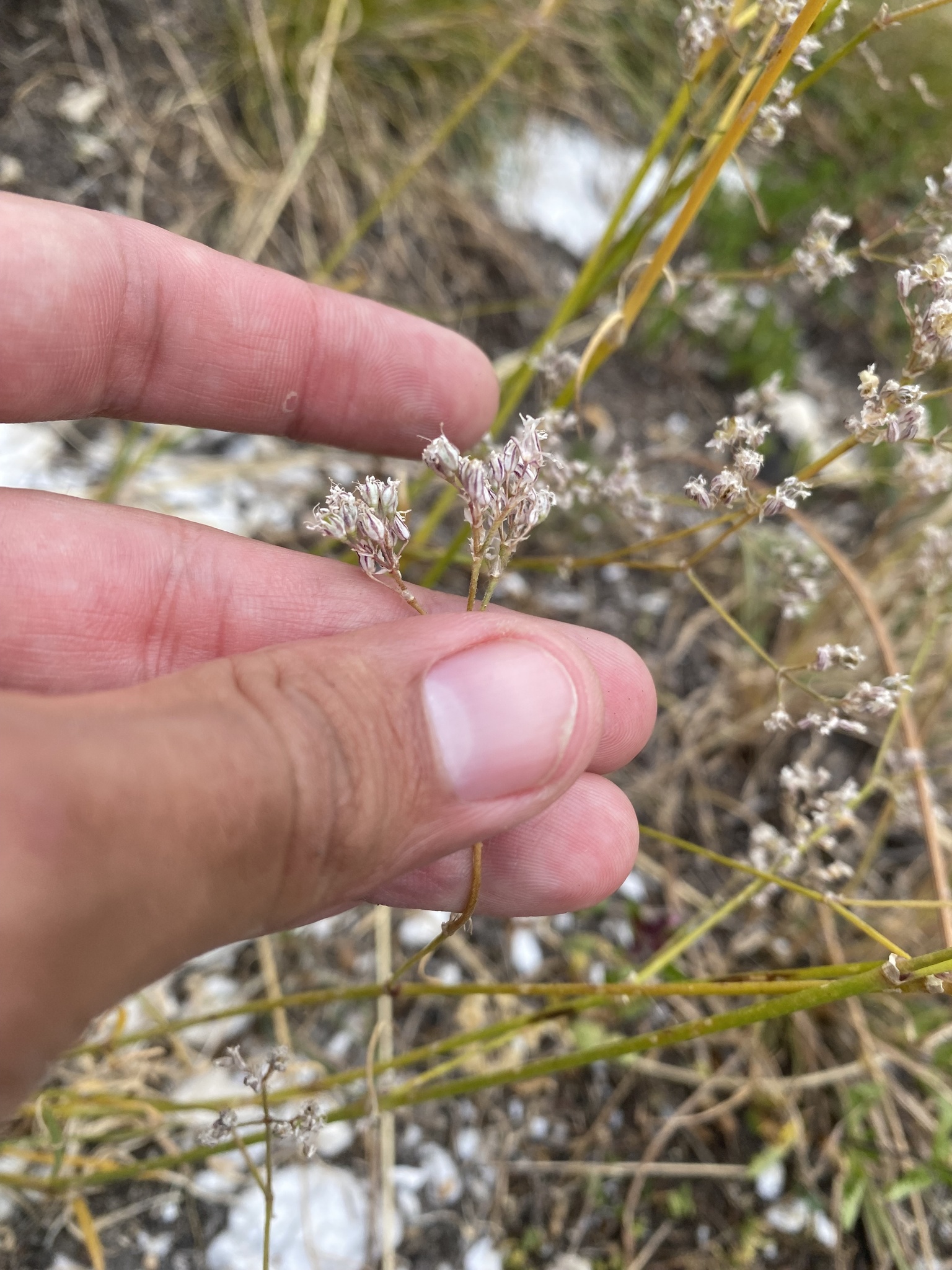
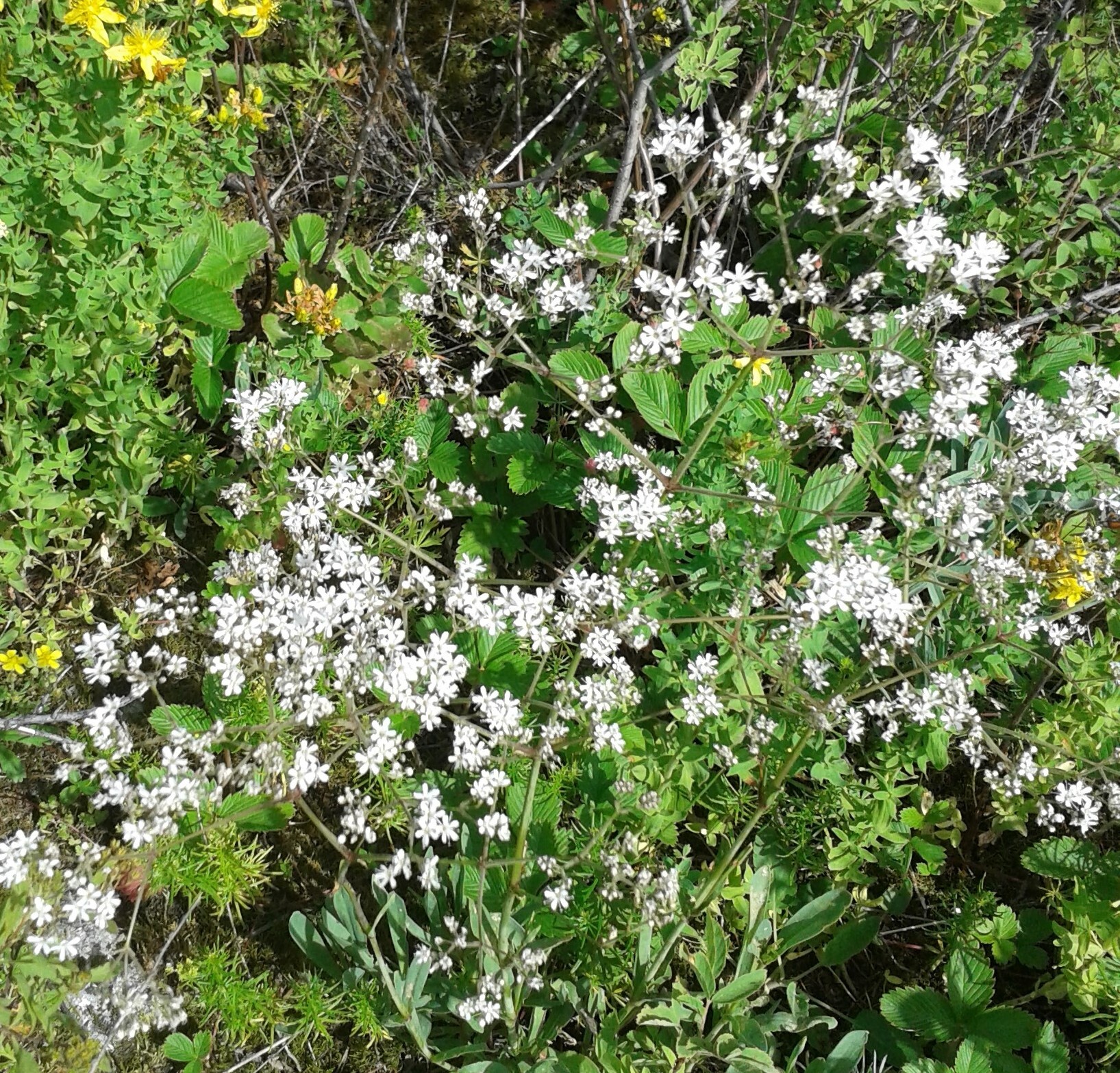
Photos of Gypsophila Vaccaria (Gypsophila vaccaria)
Common names and botanical synonyms
Botanical classification
| Rank | Name |
|---|---|
| Kingdom | Plantae |
| Division | Tracheophyta |
| Class | Magnoliopsida |
| Order | Caryophyllales |
| Family | Caryophyllaceae |
| Genus | Gypsophila |
| Species | Gypsophila vaccaria |
Similar in genus Gypsophila
Answers based on plant encyclopedia data