Skip to plant details

Small-Leaved HawthornCrataegus microphylla

  • Category: Ornamental, Fruit
  • Type: Shrub, Tree
  • Sunlight: Full Sun to Partial Shade
  • Water: Moderate
  • Temperature: Hardy

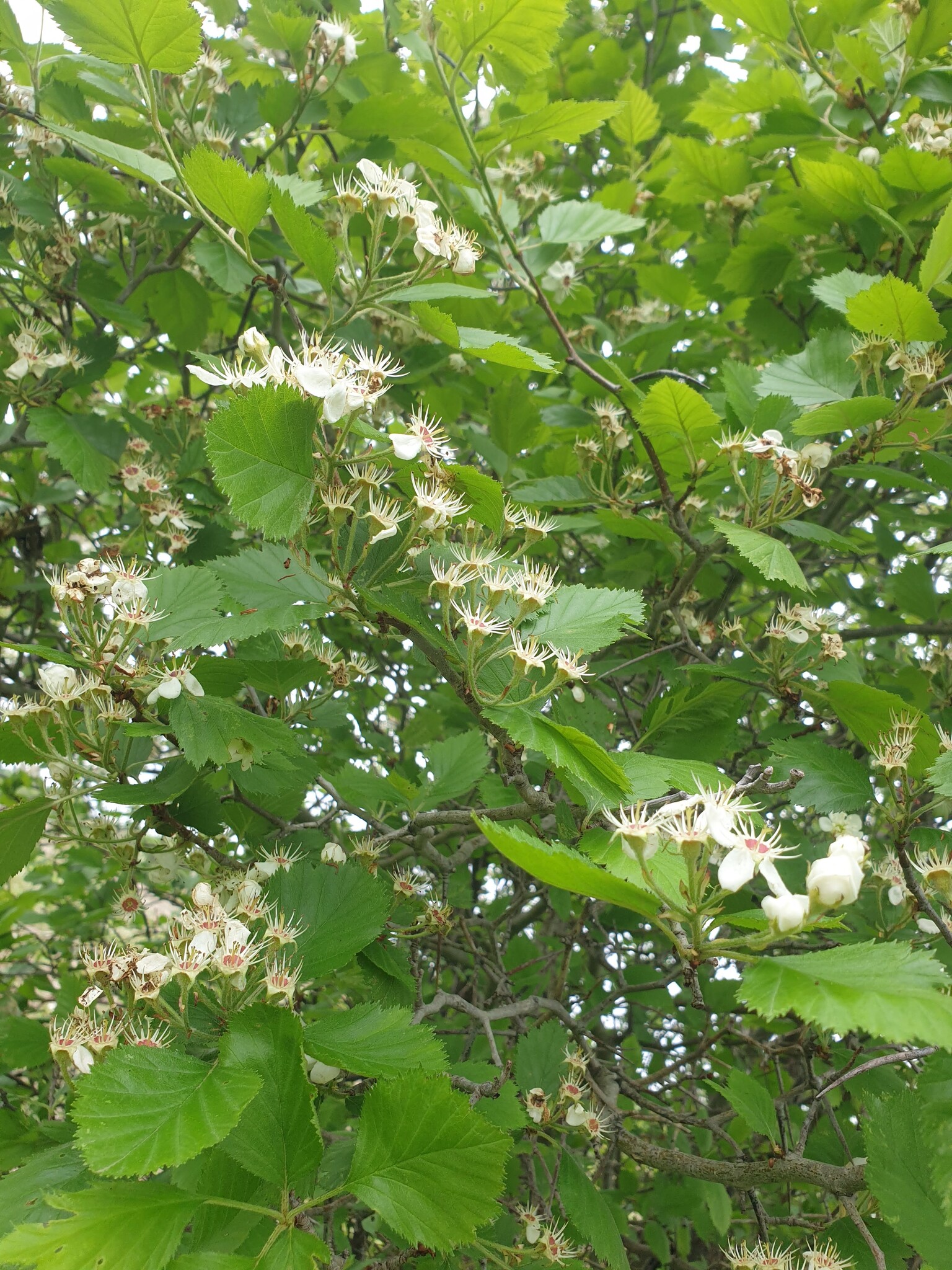
Small-leaved hawthorn (Crataegus microphylla) is a thorny shrub or small tree producing white flowers and small red fruits. It's a hardy, adaptable plant suitable for hed

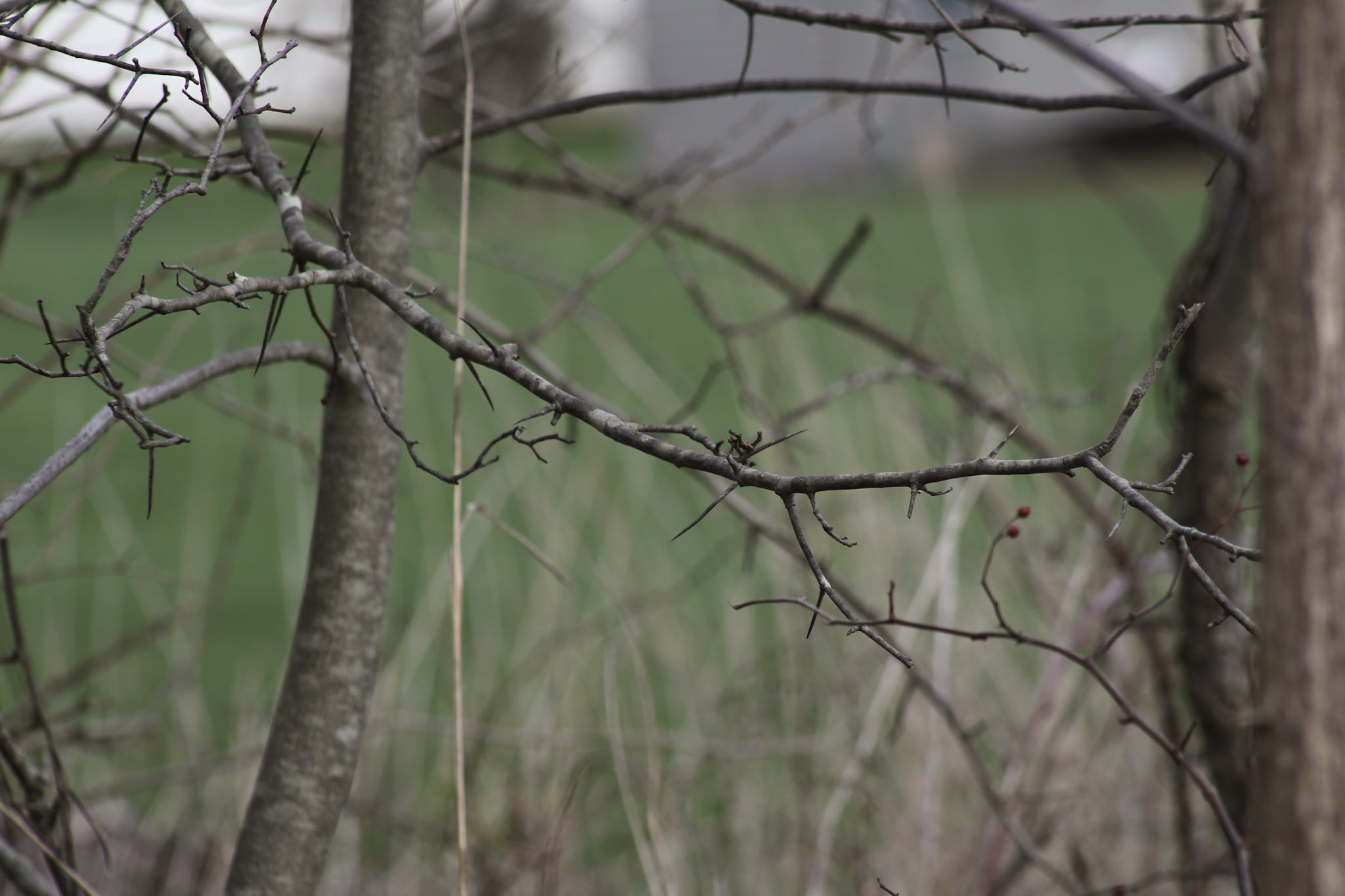
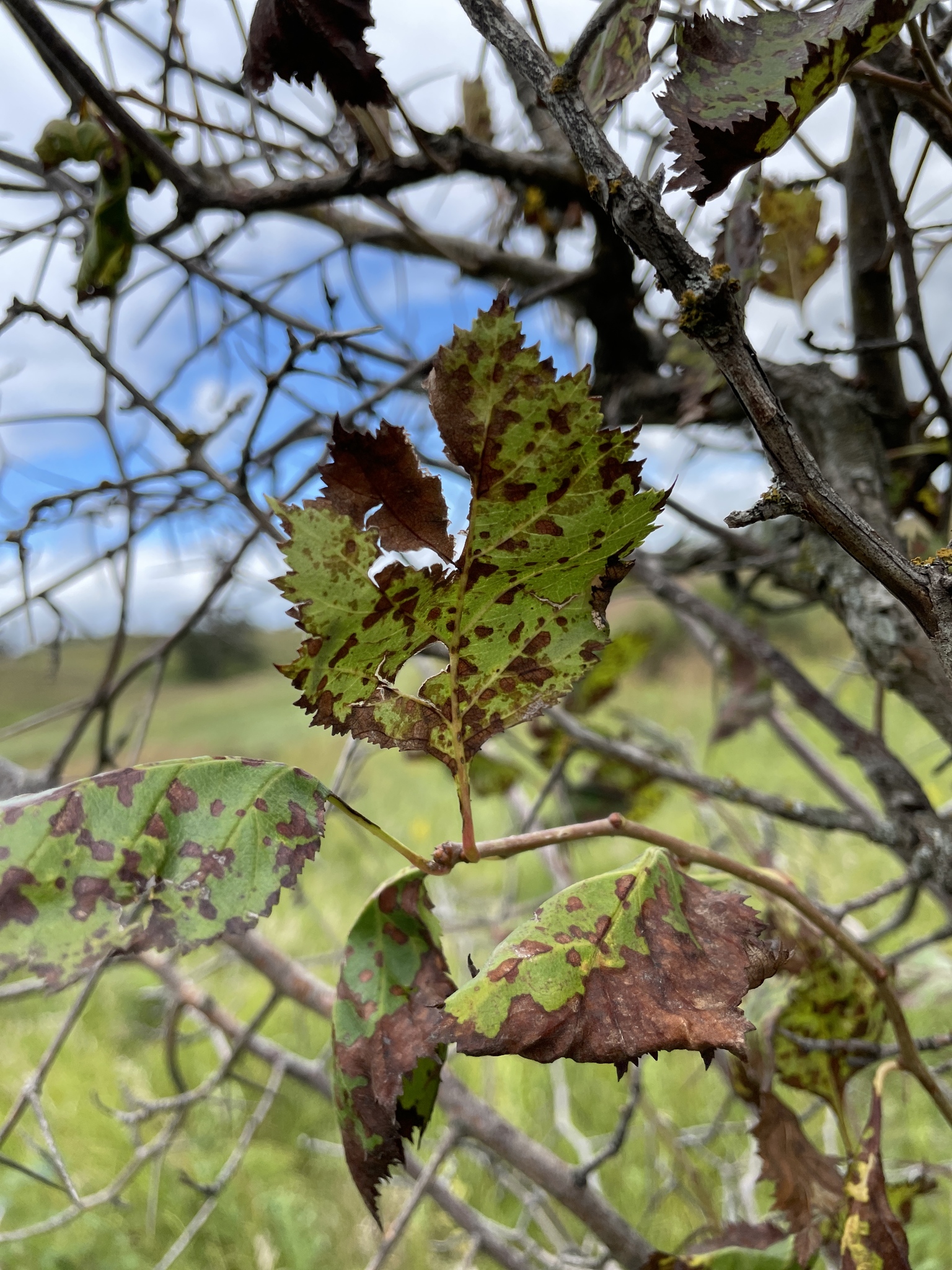
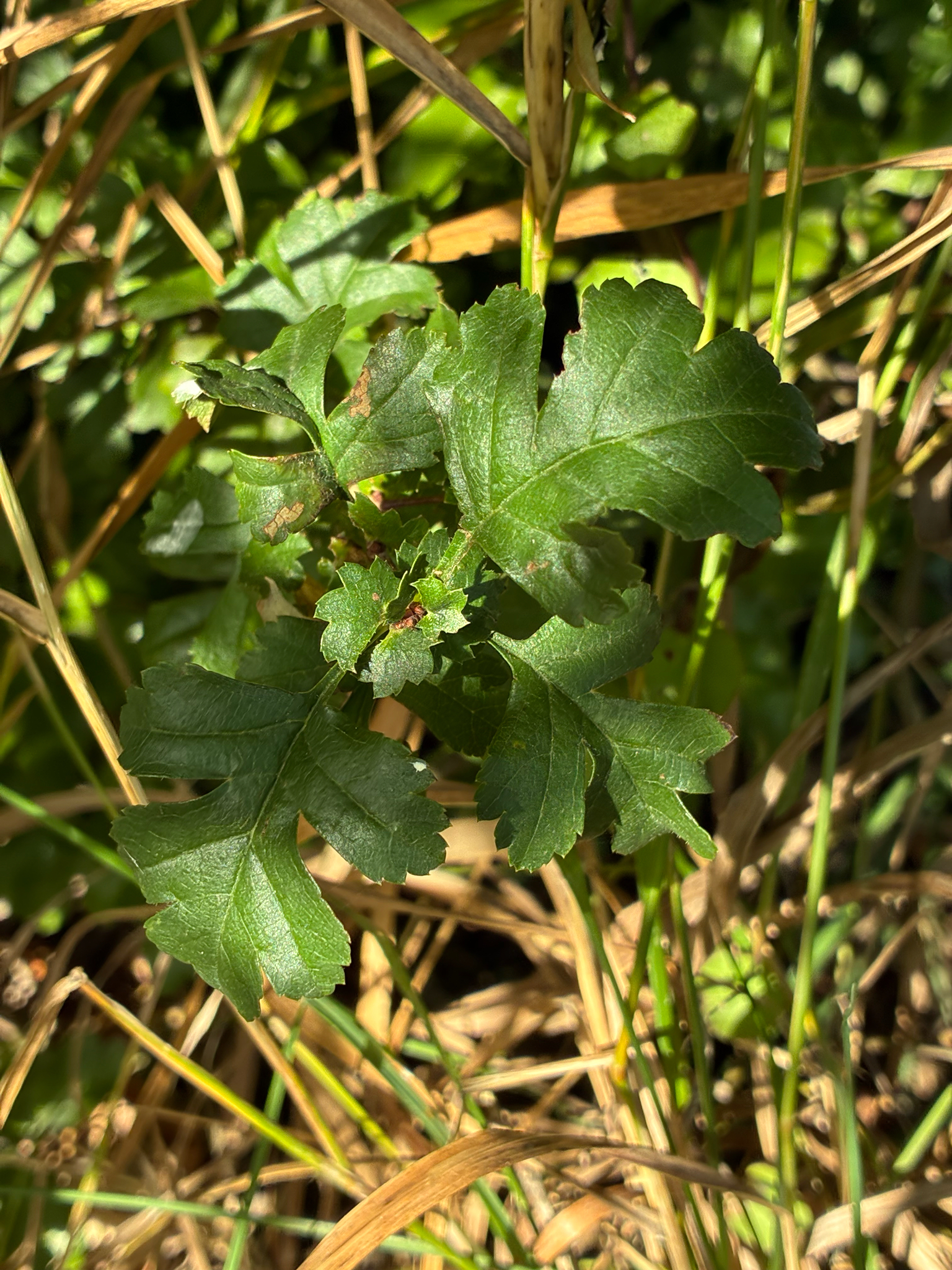
Crataegus microphylla, commonly known as the small-leaved hawthorn, is a species of hawthorn native to parts of Europe. This deciduous shrub or small tree is recognized for its compact growth and delicate features, making it a noteworthy component of its native ecosystems. Physically, Crataegus microphylla typically forms a dense, rounded shrub or a small tree, rarely exceeding 5 meters in height. Its branches are often thorny, a characteristic common to many hawthorn species, providing a defense mechanism. The leaves are small, as its common name suggests, usually ovate to obovate in shape, with lobed or toothed margins. The upper surface of the leaves is typically dark green, while the underside may be paler. In spring, the plant produces clusters of small, white flowers, each with five petals. These flowers are often fragrant and bloom profusely, attracting pollinators. Following flowering, the plant develops small, globose fruits, commonly referred to as haws. These haws are typically red when ripe and persist into the winter months, providing a food source for wildlife. The bark is usually grayish-brown and can become somewhat fissured with age. The native range of Crataegus microphylla is primarily in southeastern Europe, extending into parts of the Balkans and surrounding regions. It thrives in a variety of habitats, often found in open woodlands, scrublands, hedgerows, and on the edges of forests. It prefers well-drained soils and can tolerate a range of light conditions, from full sun to partial shade. While it is adapted to its native climate, it is generally hardy and can be cultivated in temperate regions. Ecologically, the small-leaved hawthorn plays a role in supporting local biodiversity. Its flowers provide nectar and pollen for insects, and its fruits are a valuable food source for birds and small mammals, particularly during the autumn and winter. The dense, thorny structure of the shrub also offers shelter and nesting sites for birds. Historically, hawthorn species have been utilized for various purposes, though specific documented uses for Crataegus microphylla are less extensively recorded compared to some other species. An interesting characteristic of Crataegus microphylla is its adaptability to different soil types, provided they are not waterlogged. The small size of its leaves and fruits contributes to its overall delicate appearance, distinguishing it within the diverse genus Crataegus. Its ability to produce abundant flowers and persistent fruits highlights its ecological significance as a provider of resources for wildlife throughout much of the year.

Photograph © Сергей · CC-BY-NC

Small-Leaved Hawthorn Care Summary

At-a-glance light, water, soil, and growing conditions from plant data

Light

Full Sun to Partial Shade

75% intensity

Thrives in full sun but tolerates partial shade. More sun generally leads to better flowering and fruiting.

Water

Moderate

50% intensity

Keep soil consistently moist, allowing the top layer to dry slightly between waterings. Reduce in winter.

Soil

Well-drained

50% intensity

Temperature

Hardy

25% intensity

Tolerates a wide range of temperatures, including cold winters. Suitable for USDA zones 4-8.

Fertilizer

Low

25% intensity

Requires minimal fertilization. Apply a balanced slow-release fertilizer in early spring.

Small-Leaved Hawthorn Toxicity

Safety information from plant toxicity data

Toxicity details for Small-Leaved Hawthorn
AttributeValue
Toxic for humansNo

0/5 intensity

Toxic for petsNo

0/5 intensity

Small-Leaved Hawthorn Quick Facts

Key traits and growing stats from plant data

Plant Type
Shrub, Tree
Plant Category
Ornamental, Fruit
Plant Place Type
Garden
Lifespan
Perennial
Plant Height
3-6 meters
Spread
3-5 meters
Growth Rate
Medium
Dormancy
Winter dormancy
Leaf Color
Green
Leaf Type
Deciduous
Flower Size
1-1.5 cm
Optimal Sunlight Lux
60000

Care guide for Small-Leaved Hawthorn

Watering, pruning, propagation, and repotting details from plant data

Water

Water regularly, especially during dry spells, to keep the soil consistently moist but not waterlogged. Allow the top few centimeters of soil to dry out between waterings.

Reduce watering in winter when the plant is dormant, providing just enough to prevent complete desiccation.

Pruning

Prune in late winter or early spring before new growth begins. Remove dead, damaged, or crossing branches to maintain the plant's shape and health.

Light pruning can also be done after flowering to encourage bushier growth and improve fruit set.

Propagation

Propagate by softwood cuttings taken in early summer or semi-hardwood cuttings in mid-summer. Alternatively, sow stratified seeds outdoors in autumn.

Grafting onto hawthorn rootstock is also an effective method for cultivars.

Repotting

Repot young plants every 1-2 years in spring. Mature plants generally do not require frequent repotting and can be managed by top-dressing the soil. Ensure adequate drainage in the pot to prevent root rot.

Identify plants like this with ePlant

Snap a photo to get care tips and match similar species on the go.

Try for Free

Flowering & Fruiting Cycles

Monthly activity intensity for bloom and fruit across both hemispheres.

Northern hemisphere

Flowering & fruiting calendar

Peak bloom · MayPeak fruit · Sep
FloweringFruiting
02468JanFebMarAprMayJunJulAugSepOctNovDecActivity intensityMonths89
Southern hemisphere

Flowering & fruiting calendar

Peak bloom · OctPeak fruit · Mar
FloweringFruiting
02468JanFebMarAprMayJunJulAugSepOctNovDecActivity intensityMonths89

Small-Leaved Hawthorn Names & Synonyms

Common names and botanical synonyms

Common Names

  • Small-Leaved Hawthorn

Small-Leaved Hawthorn Taxonomy

Botanical classification

Taxonomic classification of Small-Leaved Hawthorn
RankName
kingdomPlantae
divisionTracheophyta
classMagnoliopsida
orderRosales
familyRosaceae
genusCrataegus
speciesCrataegus microphylla

Small-Leaved Hawthorn FAQs

Answers based on plant encyclopedia data
What are the soil preferences for Crataegus microphylla?

Crataegus microphylla thrives in well-drained soils and can tolerate a range of soil types, from sandy to clay.

How much sunlight does Small-leaved hawthorn need?

This plant prefers full sun to partial shade for optimal growth and flowering.

Is Crataegus microphylla drought tolerant once established?

Yes, once established, Crataegus microphylla exhibits good drought tolerance.

When is the best time to plant Small-leaved hawthorn?

The ideal time to plant Crataegus microphylla is in the dormant season, typically late autumn or early spring.

Does Crataegus microphylla attract wildlife?

Yes, the flowers attract pollinators, and the red fruits are a food source for birds.