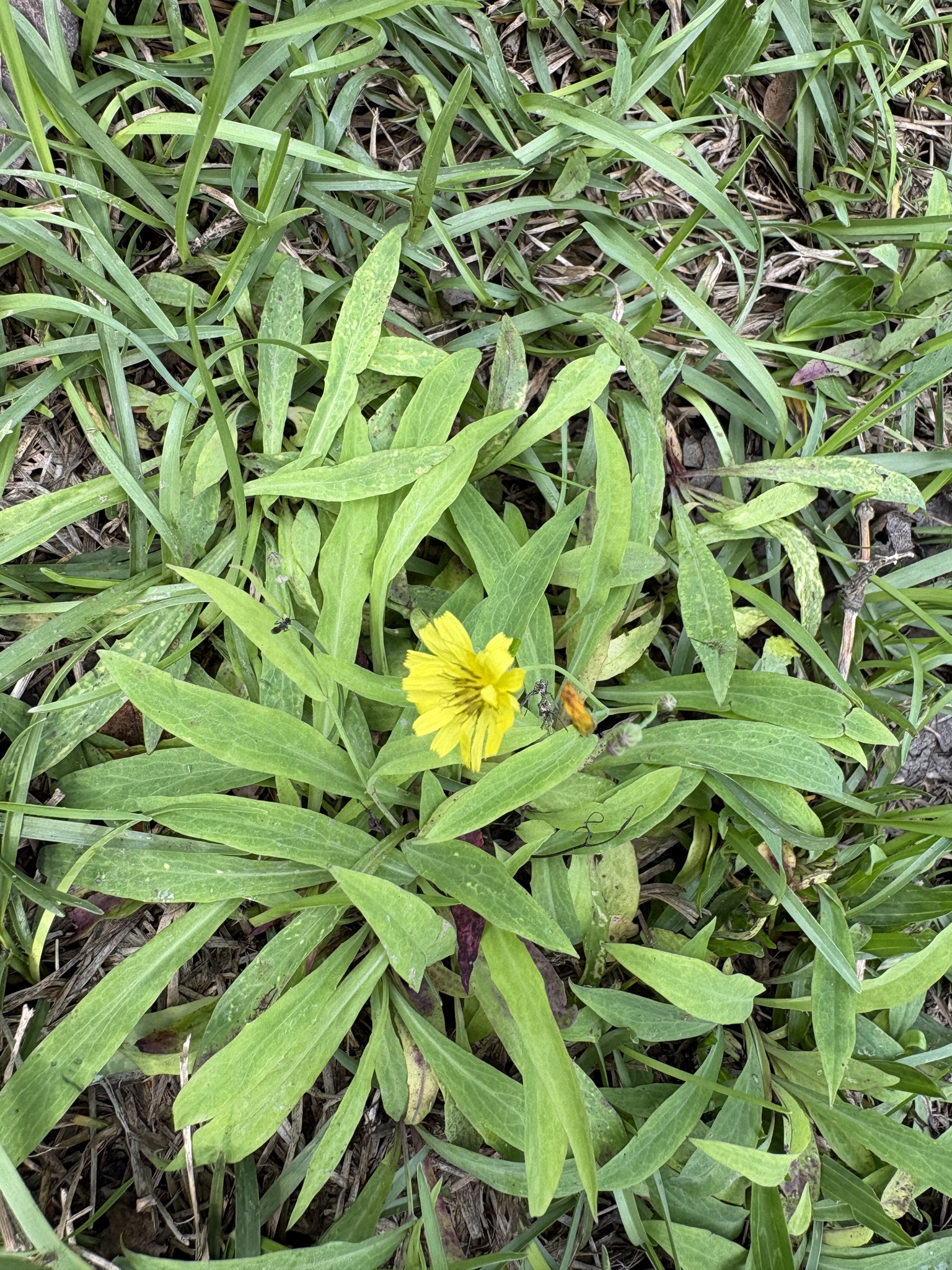
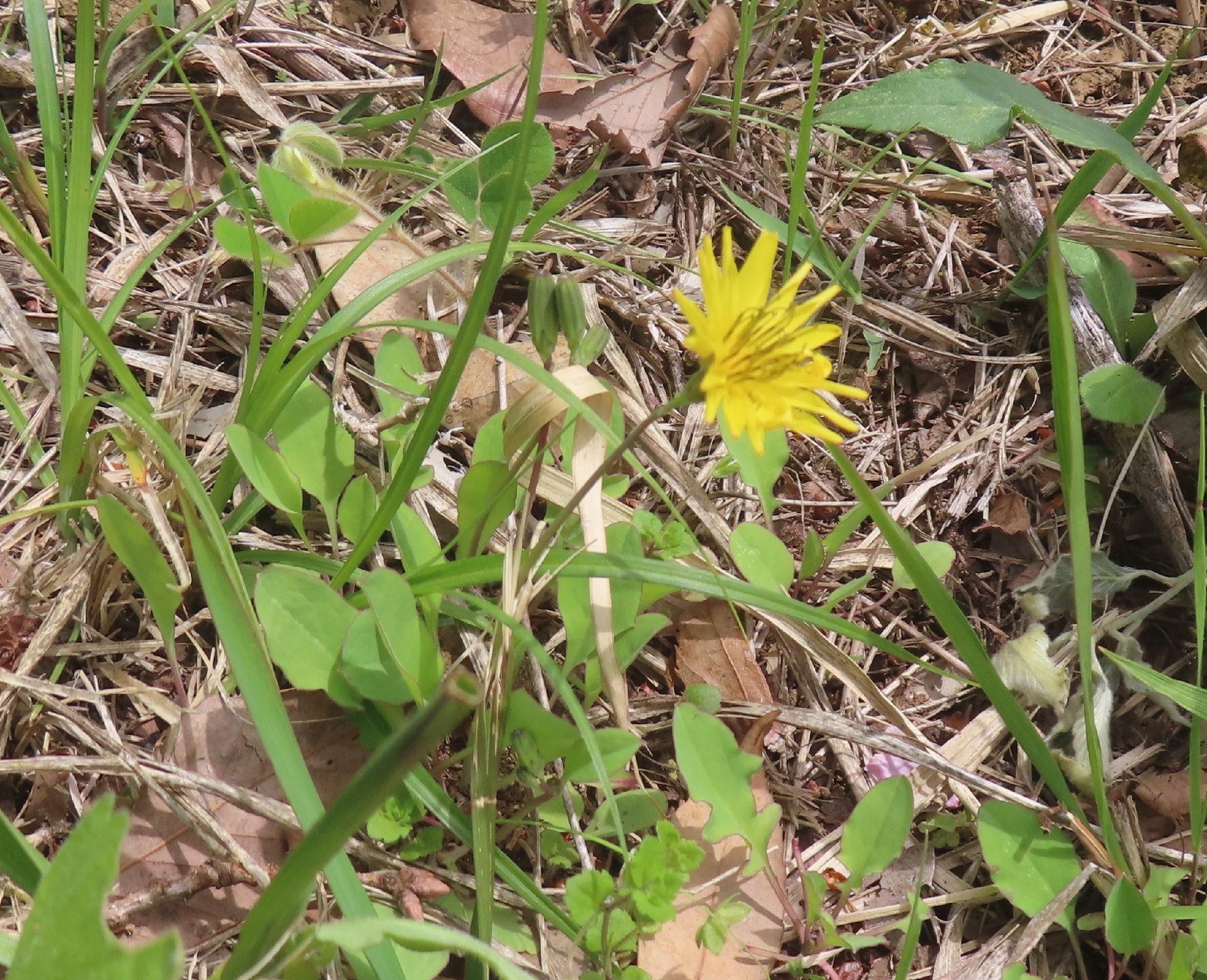
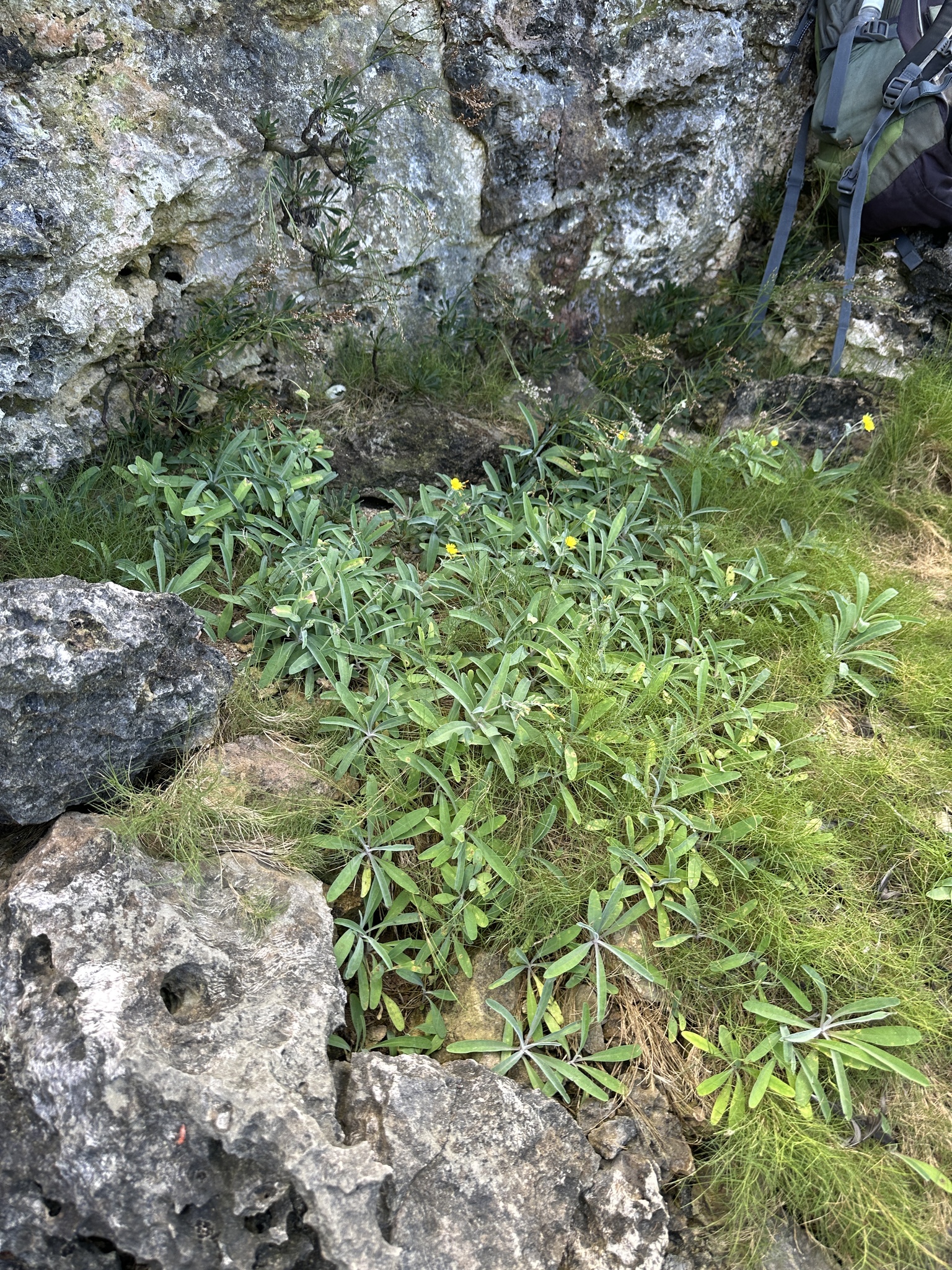
Ixeris repens is a creeping perennial herb, common on coastal sands and dunes. It produces yellow, dandelion-like flowers and forms good groundcover. Native to East Asia.
Ixeris repens, commonly known as creeping beach ixeris, is a perennial herbaceous plant belonging to the Asteraceae family. This species is recognized for its ability to colonize coastal environments, playing a role in stabilizing sandy soils. Its growth habit is characterized by creeping, often rooting stems that spread horizontally, forming dense mats. These stems can reach lengths of up to 50 centimeters, though the plant typically remains low-growing.
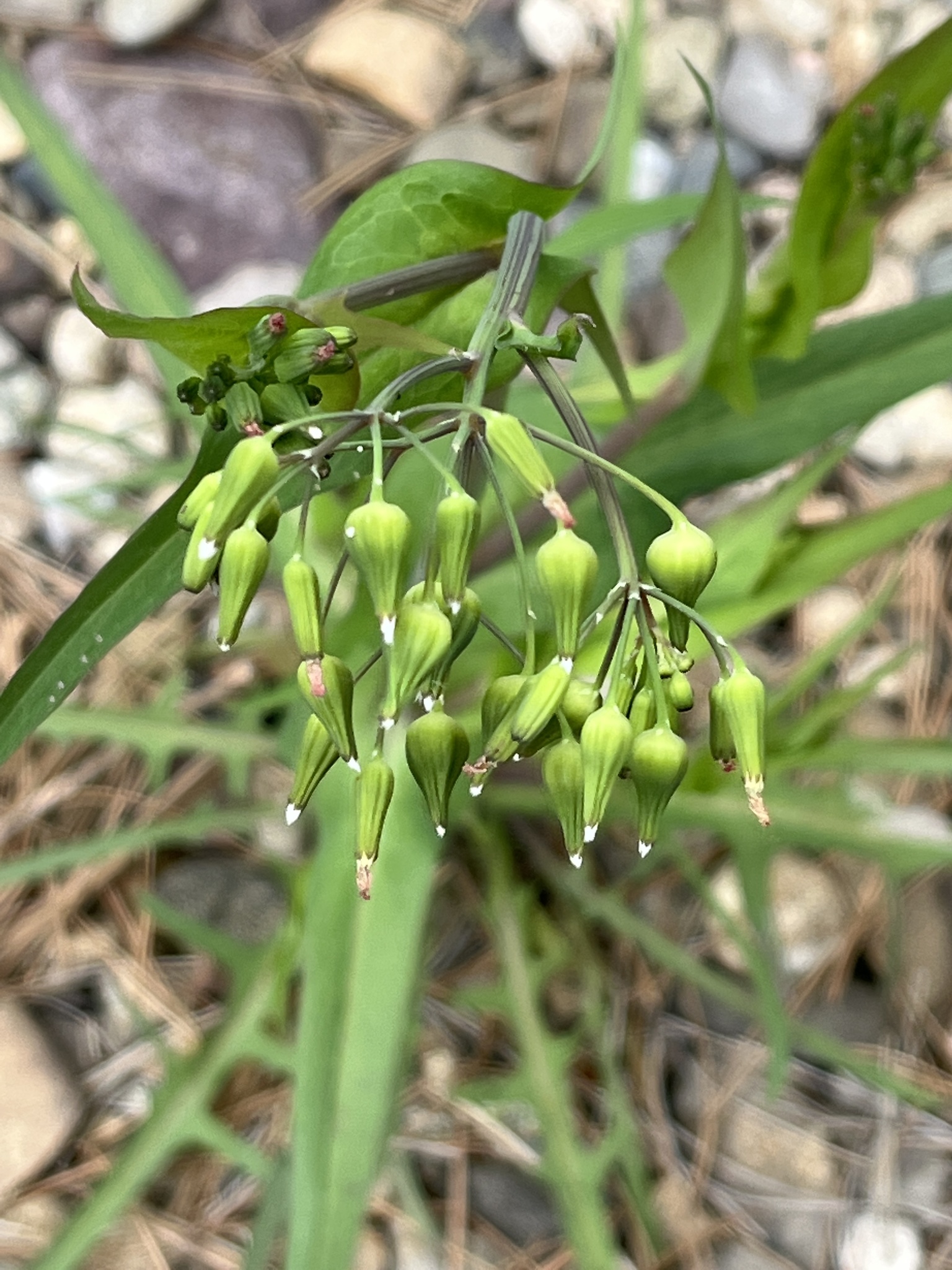
The leaves of Ixeris repens are generally spatulate to obovate in shape, with margins that can be entire or shallowly toothed. They are typically clustered at the base of the plant or along the stems, and their texture is somewhat fleshy, an adaptation to its saline habitat. The plant produces solitary flower heads, which are yellow and radiate a bright appearance. These capitula are borne on slender, erect stalks that rise above the foliage. Each flower head is composed of numerous ray florets. Following flowering, the plant develops small, achene-like fruits, each typically crowned with a pappus of fine bristles, aiding in wind dispersal.
Creeping beach ixeris is native to coastal regions of East Asia, including Japan, Korea, and parts of China. It thrives in sandy soils, dunes, and along shorelines where it is exposed to salt spray and wind. Its natural habitat is characterized by well-drained, often nutrient-poor conditions. While it is adapted to coastal conditions, it can also be cultivated in similar well-drained, sunny locations in gardens, particularly in rock gardens or areas where a low-growing, groundcover plant is desired. It is generally hardy and tolerates a range of soil types as long as drainage is adequate.
Ecologically, Ixeris repens contributes to the biodiversity of coastal ecosystems by providing ground cover and habitat for small invertebrates. Its ability to spread vegetatively helps to bind soil, preventing erosion in its natural environment. While not widely recognized for significant ornamental, agricultural, or medicinal uses, its primary importance lies in its ecological role in coastal stabilization.
An interesting characteristic of Ixeris repens is its resilience in harsh coastal environments. The fleshy nature of its leaves helps it to retain moisture, and its creeping habit allows it to quickly establish and spread, colonizing disturbed sandy areas. The bright yellow flowers provide a splash of color against the often muted tones of coastal landscapes. The plant's ability to root from its creeping stems is a key adaptation for vegetative reproduction and rapid colonization of suitable substrates.