Skip to plant details

Creeping CharliePilea nummulariifolia

Also known as Aaron's Beard · Centavito · Creeping-Charlie

  • Type: Creeper
  • Sunlight: Bright, indirect light
  • Water: Consistently moist
  • Temperature: Average to warm

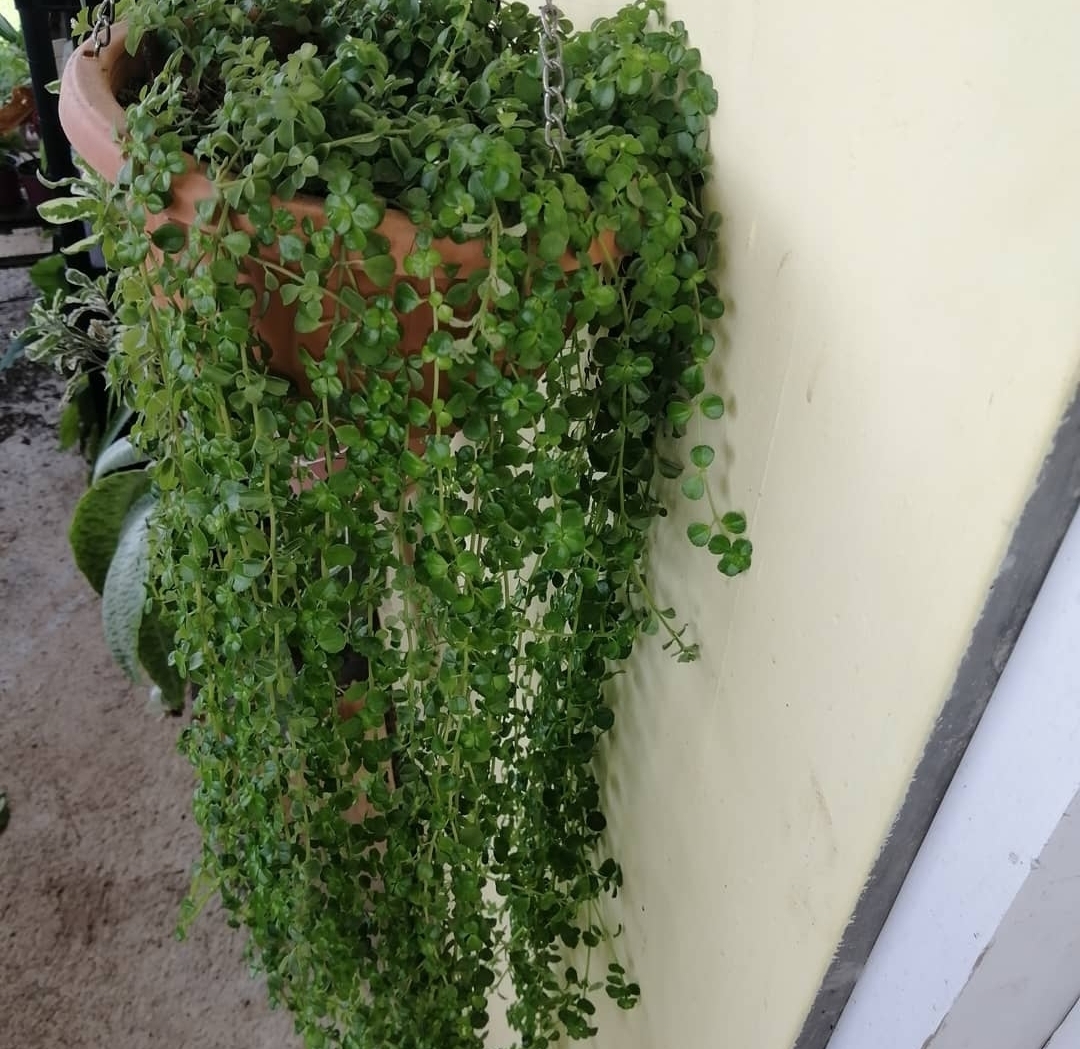
Creeping Charlie (Pilea nummulariifolia) is a popular houseplant known for its trailing stems and attractive, scalloped, coin-shaped leaves.

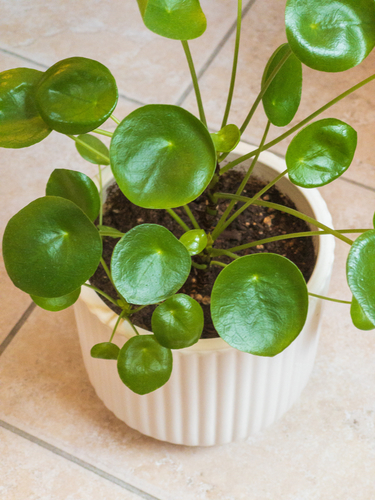
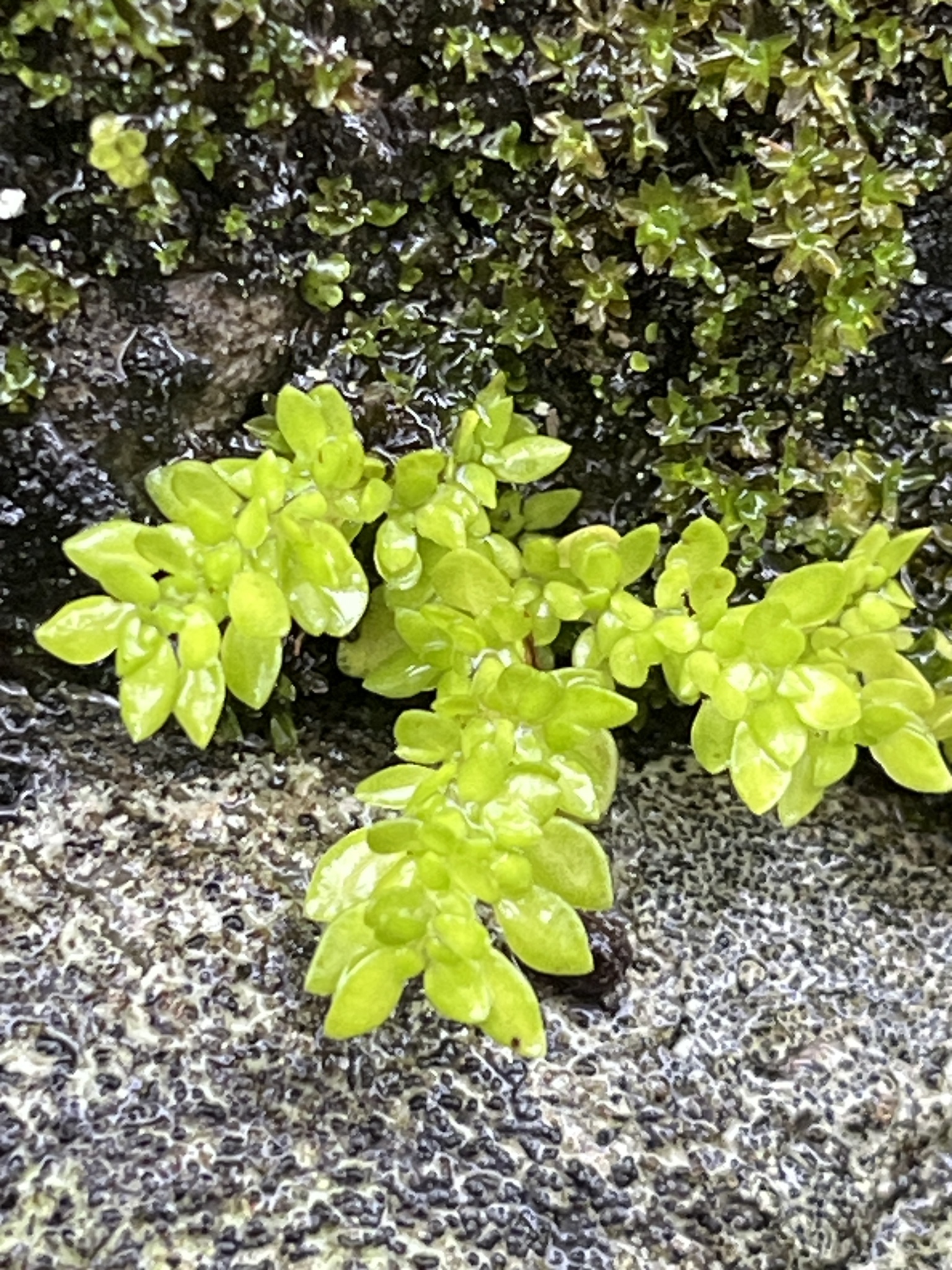
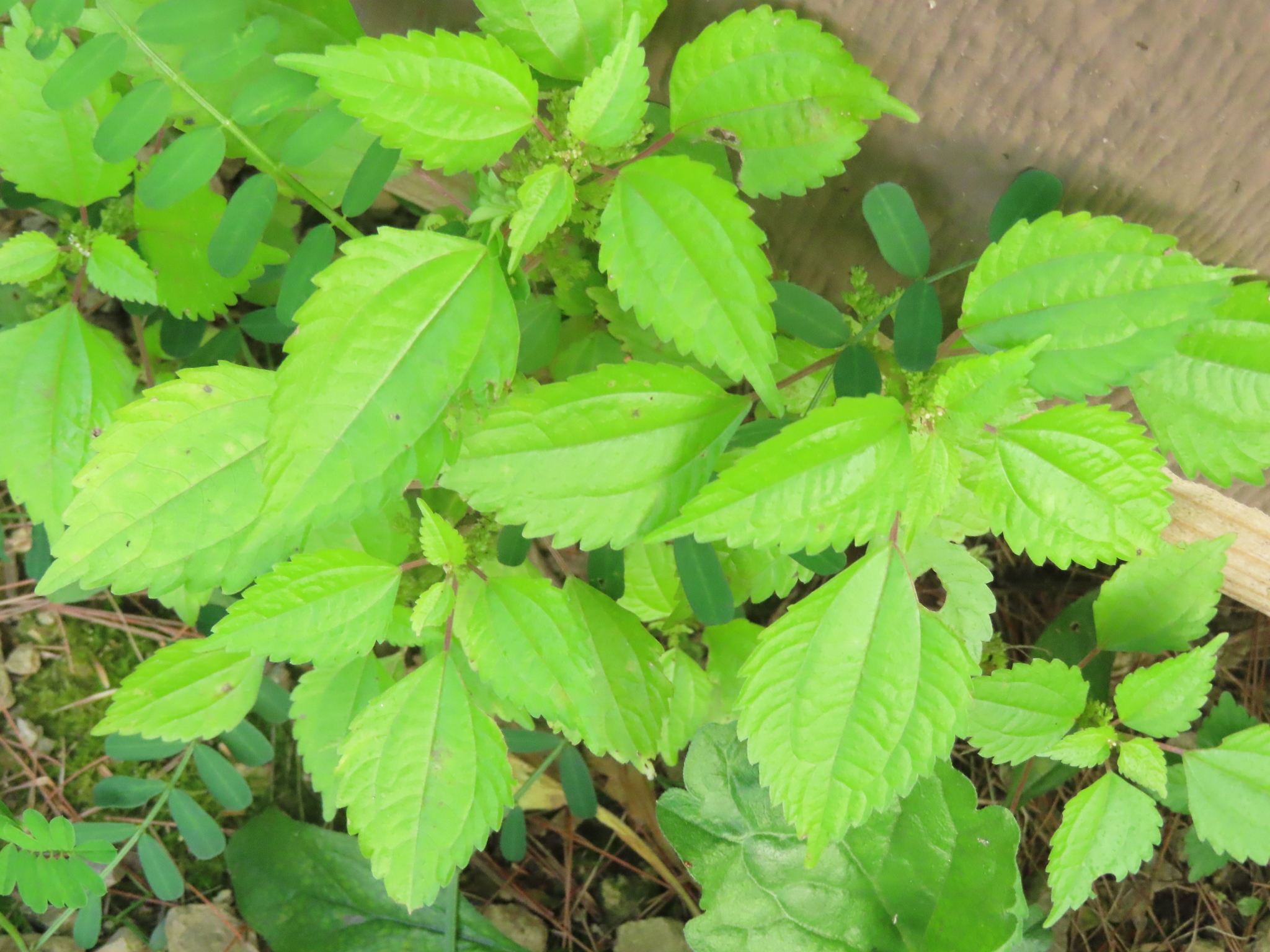
Pilea nummulariifolia, commonly known as Creeping Charlie, is a charming and widely cultivated herbaceous perennial belonging to the Urticaceae family. Its botanical name, Pilea nummulariifolia, accurately reflects its growth habit and leaf morphology, with "nummulariifolia" referencing its coin-shaped leaves. This species is appreciated for its vigorous, trailing growth and attractive foliage, making it a popular choice for ground cover in suitable climates and as a houseplant in cooler regions. The physical characteristics of Pilea nummulariifolia are distinctive. It exhibits a prostrate, creeping growth habit, forming dense mats of foliage that can spread horizontally. Stems are slender, often reddish or greenish, and root readily at the nodes where they come into contact with the soil, facilitating its spread. The leaves are the most striking feature, being broadly ovate to nearly orbicular, measuring approximately 1 to 2.5 centimeters in diameter. They are distinctly puckered or bullate, giving them a textured, almost quilted appearance, and are typically a bright, fresh green color. The leaf margins are crenate or toothed. Inflorescences are small and inconspicuous, typically axillary cymes bearing tiny, greenish flowers. The plant does not produce showy blooms, and its ornamental appeal lies primarily in its foliage. Fruits are small capsules, and seeds are minute. Pilea nummulariifolia is native to the Caribbean and northern South America, including countries like Cuba, Hispaniola, Puerto Rico, and parts of Venezuela. In its native range, it typically thrives in moist, shaded environments, often found growing as a ground cover in tropical forests, along stream banks, or in disturbed areas with adequate moisture and partial shade. Its cultivation requirements are relatively straightforward, particularly for its use as a houseplant. It prefers well-draining potting mix and consistent moisture, though it can tolerate brief periods of dryness once established. Bright, indirect light is ideal; direct sunlight can scorch its delicate leaves. It benefits from moderate humidity and can be propagated easily from stem cuttings. While not cultivated for significant agricultural or economic purposes, Pilea nummulariifolia holds value in horticulture for its ornamental qualities. Its rapid growth and attractive foliage make it an excellent choice for hanging baskets, containers, and as a ground cover in frost-free gardens where it can effectively suppress weeds and add lush greenery. Its ability to root easily from stem fragments also contributes to its widespread use in plant propagation and sharing among enthusiasts. An interesting characteristic of Pilea nummulariifolia is its resilience and adaptability. Despite its delicate appearance, it can recover well from occasional neglect, provided its basic needs for light and moisture are met. The puckered texture of its leaves is a fascinating adaptation that may play a role in water retention or light capture in its native humid environment. Its vigorous spreading habit, while desirable in many horticultural contexts, can also lead to it becoming invasive in certain warm, humid climates, highlighting the importance of responsible planting and containment.

Photograph © geralg · CC0

Creeping Charlie Care Summary

At-a-glance light, water, soil, and growing conditions from plant data

Light

Bright, indirect light

75% intensity

Avoid direct sunlight, which can scorch leaves.

Watering

Consistently moist

75% intensity

Allow top inch to dry slightly between waterings.

Soil

Well-draining potting mix

50% intensity

Temperature

Average to warm

50% intensity

Ideal range is 18-24°C; avoid cold drafts.

Fertilizer

Moderate

50% intensity

Feed monthly during growing season with diluted liquid fertilizer.

Creeping Charlie Toxicity

Safety information from plant toxicity data

Toxicity details for Creeping Charlie
AttributeValue
Toxic for humansNo

0/5 intensity

Toxic for petsNo

0/5 intensity

EdibleNo

Creeping Charlie Quick Facts

Key traits and growing stats from plant data

Plant Type
Creeper
Plant Place Type
Pot, Garden
Lifespan
Perennial
Plant Height
0.1-0.2 m
Spread
0.3-0.6 m
Growth Rate
Fast
Dormancy
None
Leaf Color
Green
Leaf Type
Simple
Flower Size
Small
Optimal Sunlight Lux
7000

Care guide for Creeping Charlie

Watering, pruning, propagation, and repotting details from plant data

Water

Keep the soil consistently moist but not waterlogged. Water thoroughly when the top 2-3 cm of soil feels dry. Reduce watering in winter to prevent root rot.

Pilea nummulariifolia prefers humid conditions, so misting or using a pebble tray can be beneficial.

Pruning

Prune regularly to maintain a bushy and compact shape, and to encourage fuller growth. Pinch back leggy stems by cutting just above a leaf node.

This also prevents the plant from becoming too straggly and helps in propagation. Remove any yellowing or dead leaves promptly.

Propagation

Propagate Pilea nummulariifolia easily from stem cuttings. Take 5-10 cm cuttings and remove the lower leaves. Plant them in moist potting mix or place them in water until roots develop.

Once rooted, transplant into individual pots.

Repotting

Repot your Creeping Charlie every 1-2 years, or when it becomes root-bound. Choose a pot that is only slightly larger than the current one. Use a well-draining potting mix.

Spring is the ideal time for repotting to allow the plant to establish in the new pot.

Identify plants like this with ePlant

Snap a photo to get care tips and match similar species on the go.

Try for Free

Flowering & Fruiting Cycles

Monthly activity intensity for bloom and fruit across both hemispheres.

Northern hemisphere

Flowering & fruiting calendar

Peak bloom · MayPeak fruit · Jun
FloweringFruiting
02468JanFebMarAprMayJunJulAugSepOctNovDecActivity intensityMonths74
Southern hemisphere

Flowering & fruiting calendar

Peak bloom · JulPeak fruit · Jul
FloweringFruiting
02468JanFebMarAprMayJunJulAugSepOctNovDecActivity intensityMonths74

Creeping Charlie Names & Synonyms

Common names and botanical synonyms

Common Names

  • Aaron's Beard
  • Centavito
  • Creeping Charlie
  • Creeping-Charlie
  • Jenggot Nabi
  • Lemon Palm
  • Water Cress

Synonyms

  • Adicea nummulariifolia (Sw.) Kuntze
  • Urtica nummulariifolia Sw.

Creeping Charlie Taxonomy

Botanical classification

Taxonomic classification of Creeping Charlie
RankName
kingdomPlantae
divisionTracheophyta
classMagnoliopsida
orderRosales
familyUrticaceae
genusPilea
speciesPilea nummulariifolia

Creeping Charlie FAQs

Answers based on plant encyclopedia data

What are the light requirements for Pilea nummulariifolia?

Pilea nummulariifolia prefers bright, indirect light. Direct sunlight can scorch its leaves.

How often should I water Creeping Charlie?

Water when the top 1-2 cm of soil feels dry. Avoid overwatering, as this can lead to root rot. It appreciates consistent moisture.

What kind of soil is best for Pilea nummulariifolia?

Use a well-draining potting mix, such as a peat-based blend with perlite or sand to improve aeration.

Can Pilea nummulariifolia be propagated?

Yes, Creeping Charlie is easily propagated from stem cuttings. Place cuttings in water or moist soil, and they will root quickly.

Why are the leaves of my Pilea nummulariifolia turning yellow?

Yellowing leaves can be a sign of overwatering, underwatering, or insufficient light. Check the soil moisture and light conditions.