Hylocereus Undatus (Selenicereus undatus)

Hylocereus Undatus, commonly known as Dragon Fruit, is a fast-growing, vining cactus producing large, edible, red-skinned fruits with white or red flesh.

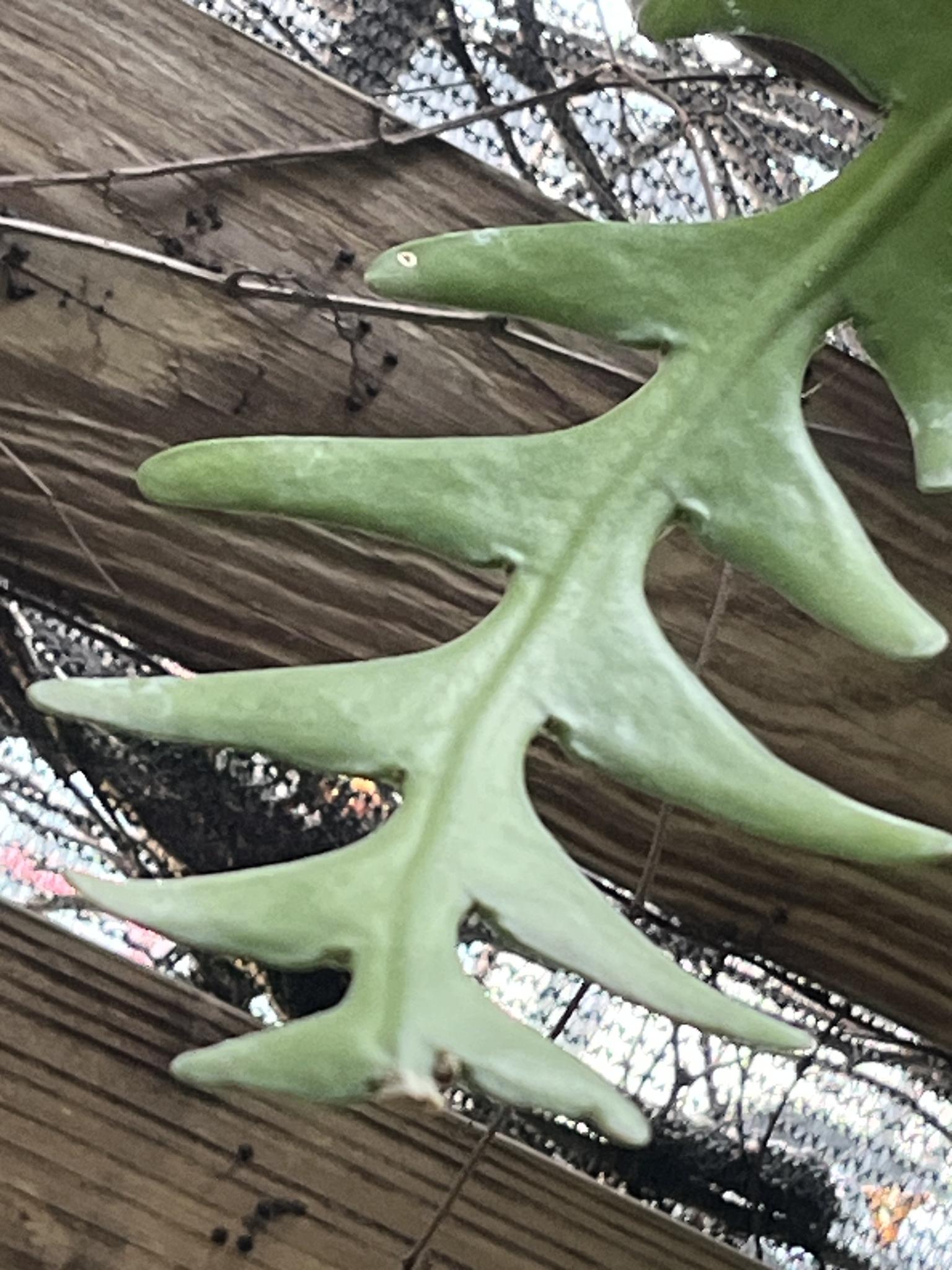
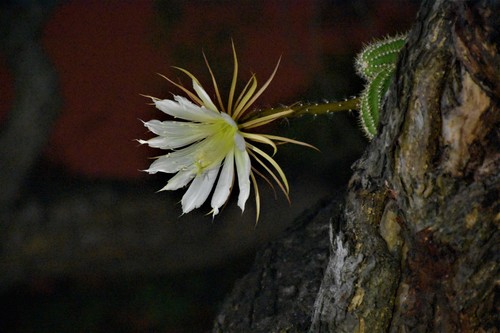
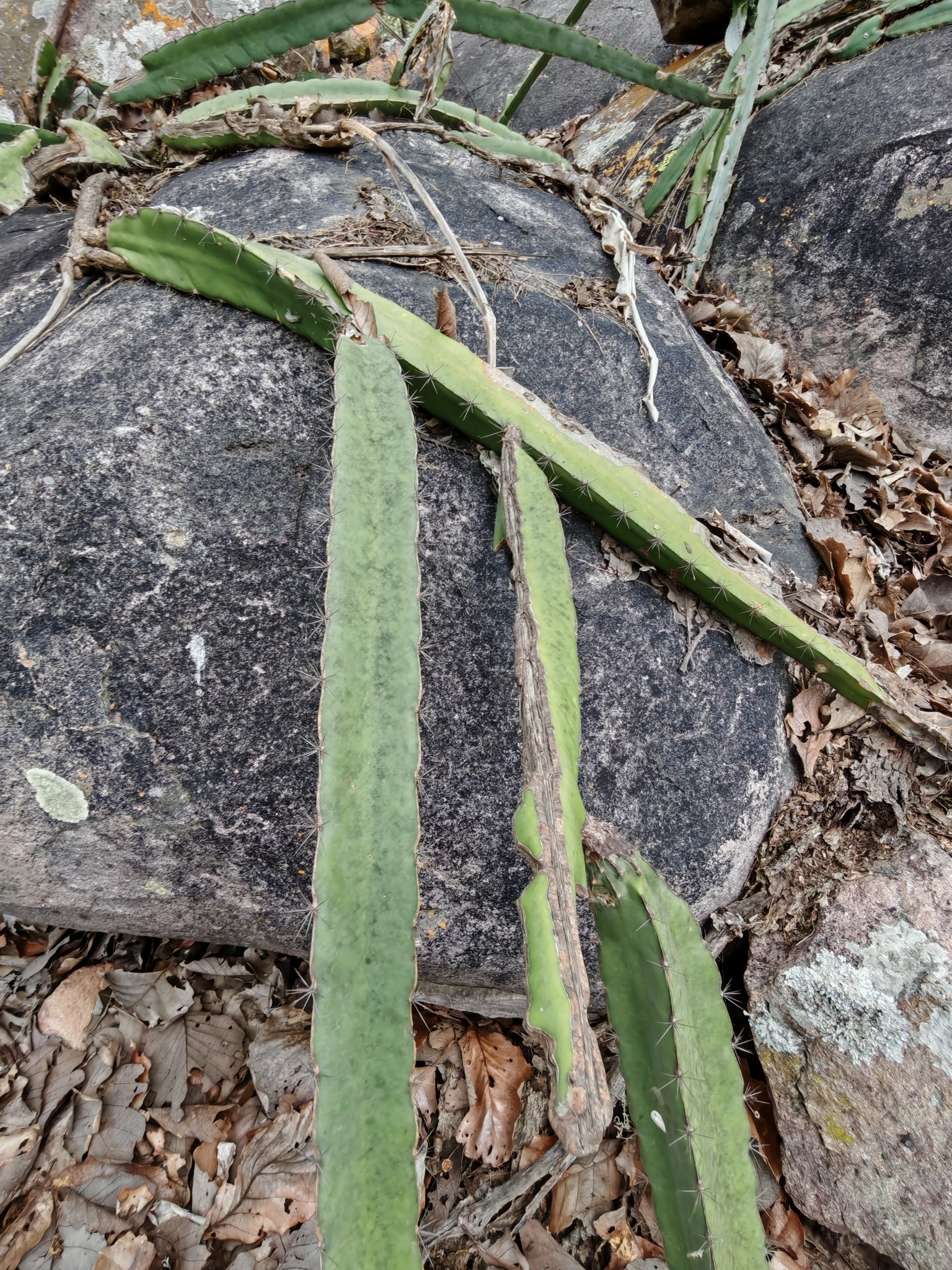
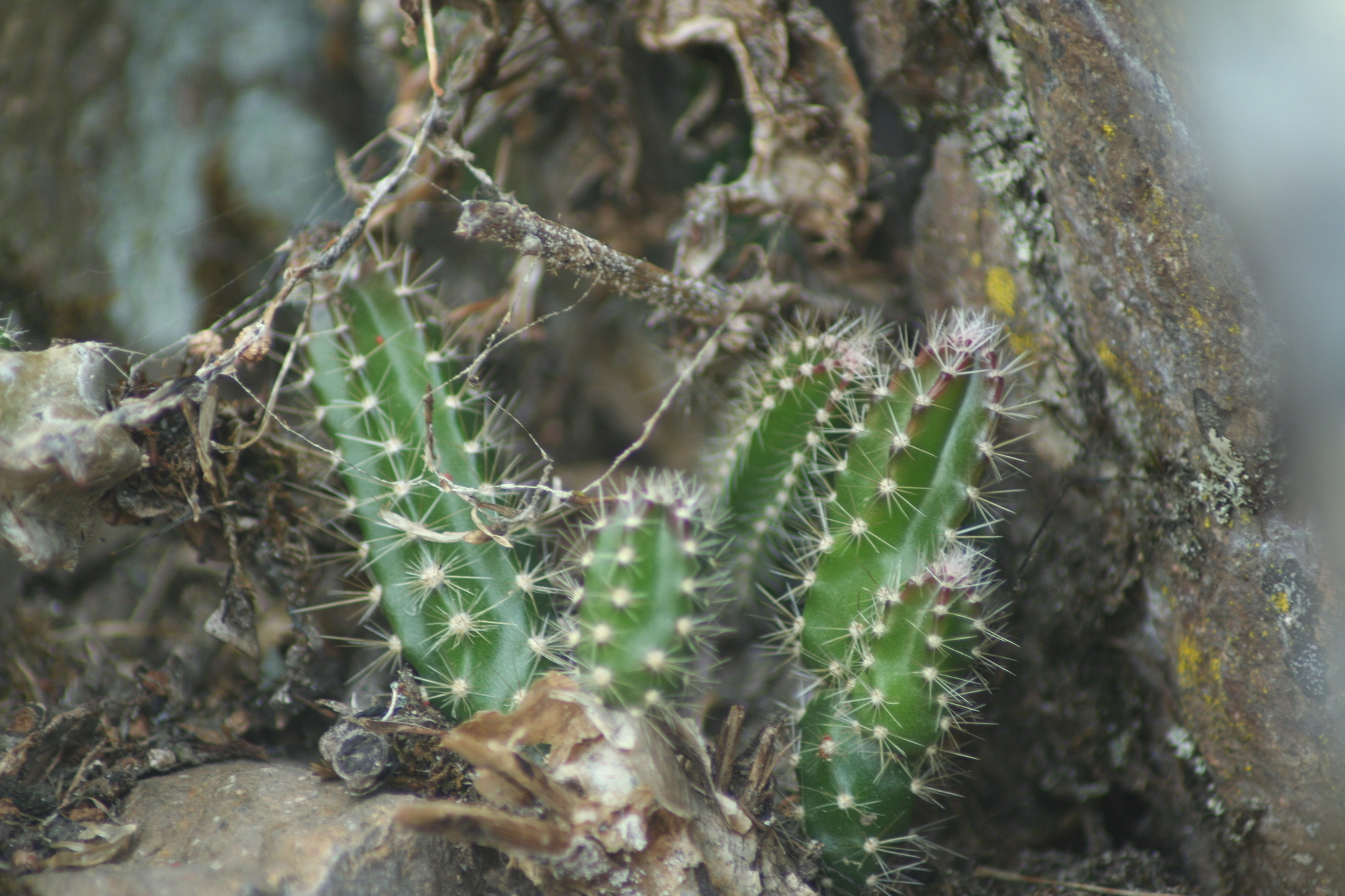
Selenicereus undatus, commonly known as Hylocereus undatus, is a striking species of cactus that captivates with its unique growth habit and spectacular nocturnal blooms. This epiphytic or lithophytic cactus is native to the tropical and subtropical regions of the Americas, though its exact native range is often debated due to extensive cultivation. It thrives in humid environments, typically found growing on trees or rocks in forests and along coastlines. The plant is characterized by its sprawling, vining growth. Its stems are triangular in cross-section, often reaching considerable lengths, and are a vibrant green. These stems are segmented, with each segment capable of rooting and forming new plants. The edges of the stems are typically wavy or undulate, giving rise to the specific epithet "undatus." While lacking true leaves in the conventional sense, the stems perform the function of photosynthesis. The most renowned feature of Selenicereus undatus is its large, fragrant flowers, which are borne nocturnally. These blossoms are typically white, with a diameter that can exceed 30 centimeters, and possess numerous delicate petals and stamens. The flowers open in the evening and usually close by morning, a common adaptation among night-blooming cacti. Following successful pollination, the plant produces a distinctive fruit. This fruit is typically oval or oblong, with a leathery, often pink or red rind covered in scale-like bracts. The flesh of the fruit is white and studded with numerous small, edible black seeds. Cultivation of Selenicereus undatus is widespread, particularly in tropical and subtropical climates. It prefers well-draining soil and bright, indirect light. While it can tolerate some direct sun, prolonged exposure, especially in hot climates, can scorch its stems. Adequate support is necessary for its vining growth, making trellises or hanging baskets ideal. It is relatively drought-tolerant once established but benefits from regular watering during its active growing season. The fruit of Selenicereus undatus is of significant agricultural importance. It is widely cultivated for its edible fruit, commonly known as dragon fruit or pitaya. This fruit is prized for its refreshing taste, mild sweetness, and attractive appearance. It is consumed fresh, used in juices, smoothies, and desserts, and is a valuable export commodity for many tropical countries. Beyond its culinary uses, the plant's ornamental value is also recognized, with its dramatic flowers and unique growth habit making it a popular choice for exotic gardens and conservatories. The plant's ability to thrive in challenging environments and its valuable fruit production underscore its ecological and economic significance.

Above information is sourced from Wikipedia

Sunlight

High

Watering

Moderate

Soil

Well-drained

Temperature

Moderate

Habitat

Outdoor

Fertilizer

Moderate

Care Requirements

Light

High

Prefers bright, indirect light. Can tolerate some direct sun.

Watering

Moderate

Allow soil to dry between waterings.

Soil

Well-drained

Temperature

Moderate

Prefers 18-25°C. Can tolerate cooler temperatures in winter.

Habitat

Outdoor

Fertilizing

Moderate

Fertilize during growing season.

Plant Overview

Plant Type

Vine

Plant Category

Fruit

Plant Place Type

Garden, Pot

Plant Environment

Outdoor

Lifespan

Perennial

Plant Height

5-10 m

Spread

3-5 m

Growth Rate

Fast

Dormancy

None

Leaf Type

Stem

Flower Size

20-30 cm

Optimal Sunlight Lux

60000

Image Gallery

Flowering & Fruiting Cycles

Monthly activity intensity for bloom and fruit across both hemispheres.

Northern hemisphere

Flowering & fruiting calendar

Peak bloom · JulPeak fruit · Aug
FloweringFruiting
02468JanFebMarAprMayJunJulAugSepOctNovDecActivity intensityMonths1010
Southern hemisphere

Flowering & fruiting calendar

Peak bloom · FebPeak fruit · Feb
FloweringFruiting
02468JanFebMarAprMayJunJulAugSepOctNovDecActivity intensityMonths910
Synonyms
Cereus tricostatus Rol.-Goss.
Cereus undatus Haw.
Harrisia undata (Haw.) Britton
Hylocereus tricostatus (Rol.-Goss.) Britton & Rose
Hylocereus undatus (Haw.) Britton & Rose
Taxonomy
  • kingdomPlantae
  • divisionTracheophyta
  • classMagnoliopsida
  • orderCaryophyllales
  • familyCactaceae
  • genusSelenicereus
  • speciesSelenicereus undatus
Toxicity

Toxic for humans

No

Rating: 0/5

Toxic for pets

No

Rating: 0/5

Edible

Yes

Additional Care Tips

Water thoroughly when the top 5-7 cm of soil is dry. Reduce watering significantly in winter, allowing the soil to dry out more between waterings to prevent root rot. Ensure good drainage to avoid waterlogging, which this cactus dislikes.

Prune to maintain shape, remove dead or damaged stems, and control size. Use clean, sharp tools. Pinching back growing tips can encourage bushier growth. Pruning is best done after flowering, but can also be done in spring.

Easily propagated from stem cuttings. Allow cuttings to callus for a few days before planting in well-draining soil. Rooting typically occurs within a few weeks. Can also be grown from seed, but this is slower.

Repot every 2-3 years or when the plant becomes root-bound. Use a cactus or succulent mix with excellent drainage. Choose a pot that is only slightly larger than the current one. Repotting is best done in spring.

FAQs

How do I propagate Selenicereus undatus?

Selenicereus undatus can be propagated from stem cuttings. Allow the cuttings to callus over for a few days before planting them in well-draining soil. It can also be propagated from seed, though this is a slower process and may not result in true-to-type plants.

What are the ideal growing conditions for Selenicereus undatus?

Selenicereus undatus prefers warm climates with plenty of sunlight. It thrives in well-draining soil and requires support for its vining growth habit. Regular watering is needed, especially during dry periods, but avoid waterlogged conditions.

When does Selenicereus undatus flower and produce fruit?

Flowers typically appear at night, and the fruit develops over several weeks after pollination. Fruiting usually occurs during the warmer months, depending on the climate and cultivar.

How should I harvest the fruit of Selenicereus undatus?

Harvest dragon fruit when the skin color is vibrant and the 'wings' begin to dry or turn brown. The fruit should yield slightly to gentle pressure. Cut the fruit from the stem using a sharp knife.

What is the flavor profile of Selenicereus undatus fruit?

The fruit of Selenicereus undatus has a mildly sweet flavor. The white-fleshed varieties are often described as having a subtle taste reminiscent of a kiwi and pear, while red-fleshed varieties can be slightly sweeter and more intense.