Drimia Haworthioides (Drimia haworthioides) – Care, Benefits & Growing Guide | ePlant AI
Drimia Haworthioides (Drimia haworthioides)
Drimia haworthioides is a small succulent native to South Africa, forming a rosette of fleshy, triangular leaves.
Drimia haworthioides is a fascinating geophyte belonging to the Asparagaceae family, a group that includes many familiar bulbous plants. This species is notable for its distinctive appearance, often drawing comparisons to the succulent genus *Haworthia* due to its leaf morphology, hence its specific epithet. As a member of the genus *Drimia*, it shares characteristics with other bulbous plants found in arid and semi-arid regions, adapted to survive periods of drought.
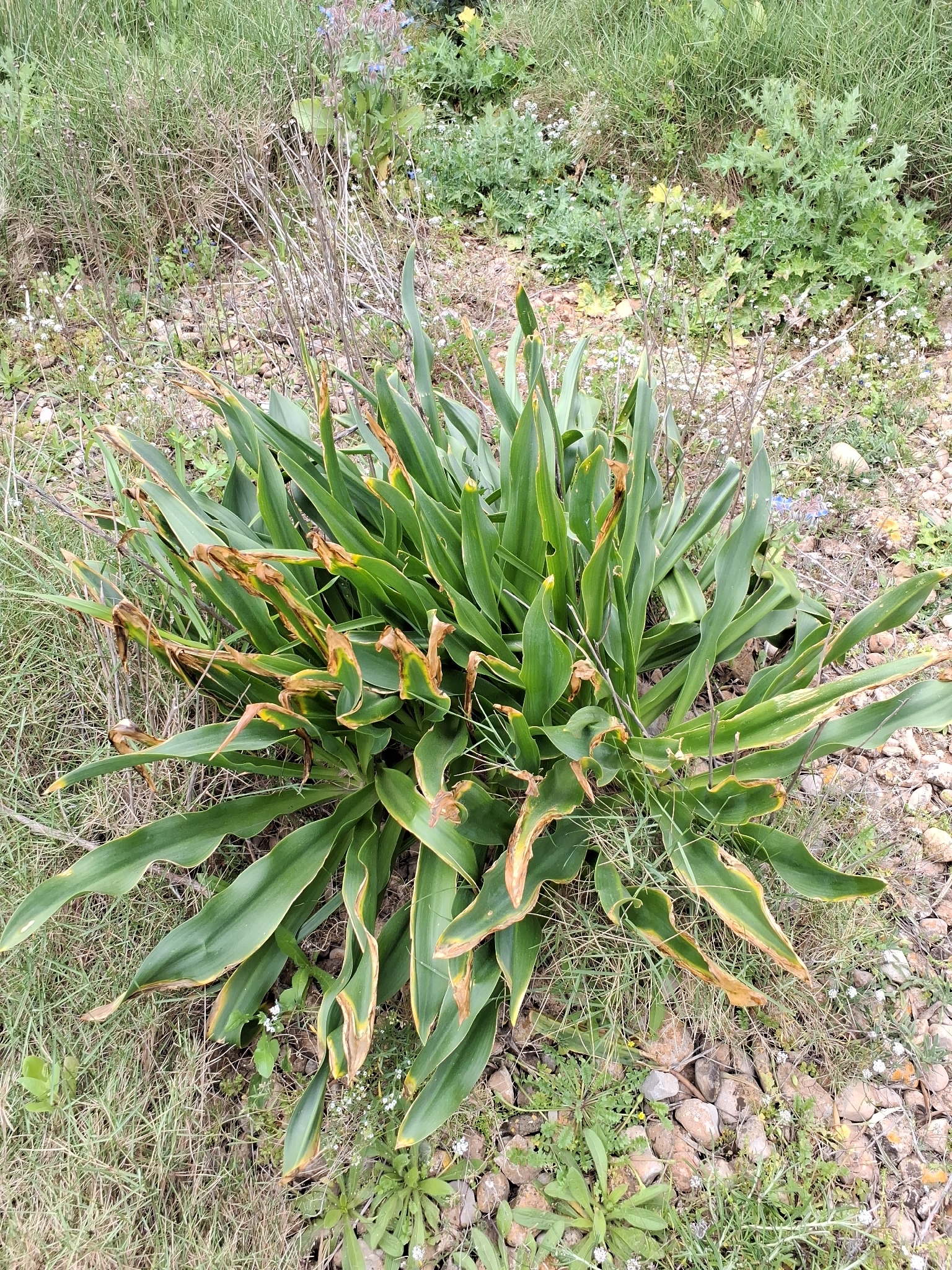
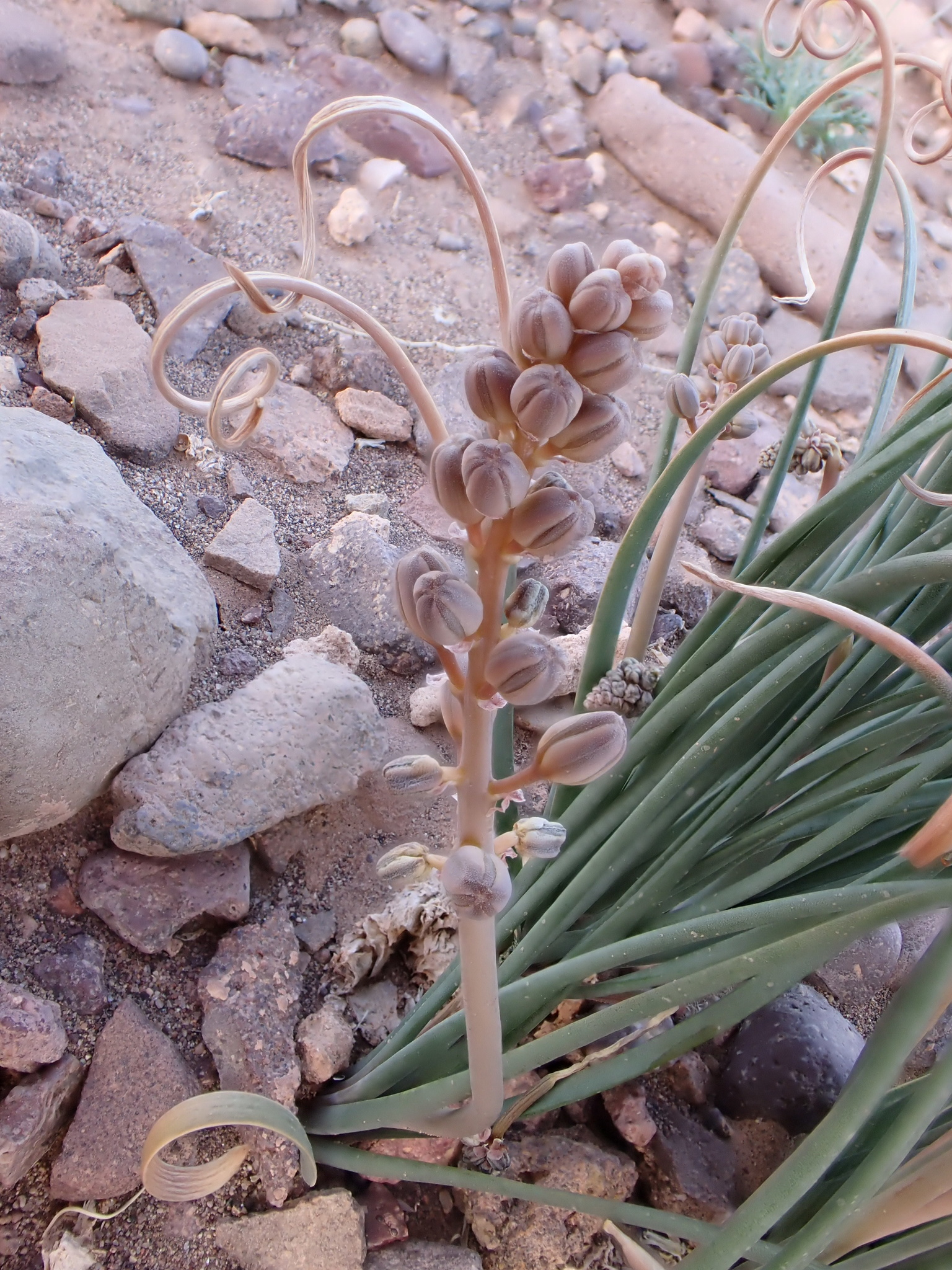
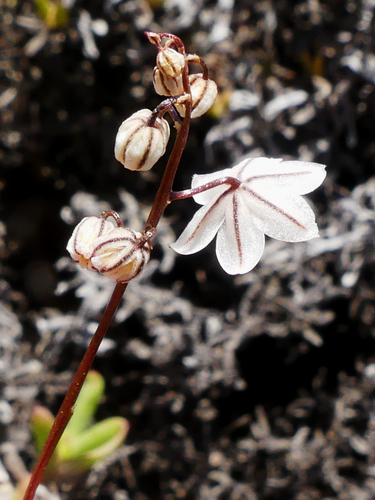
Physically, Drimia haworthioides typically presents as a perennial herb that grows from a bulb. The bulb itself is usually subterranean and serves as a storage organ. The leaves are a prominent feature, often fleshy and succulent, arranged in a basal rosette. Their shape and texture can vary, but they are generally lanceolate to ovate, with smooth or slightly serrated margins, and can exhibit a greyish-green to bluish-green coloration. During its flowering period, Drimia haworthioides produces an inflorescence, typically a raceme or spike, that emerges from the center of the rosette. The flowers are generally small and star-shaped, often white or pale pink, with prominent stamens. The fruit is a capsule containing seeds, though detailed descriptions of its fruit and seed morphology are less commonly emphasized in general botanical literature compared to its vegetative and floral characteristics.
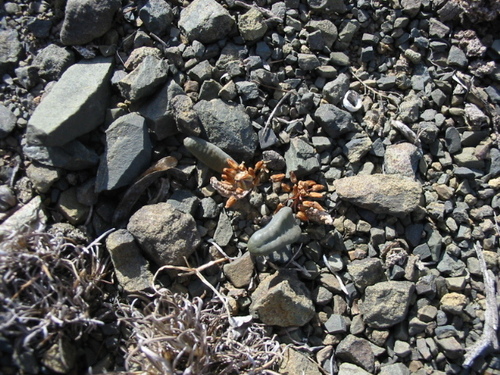
The native distribution of Drimia haworthioides is primarily within South Africa, where it thrives in a variety of natural habitats. It is often found in rocky outcrops, sandy soils, and open, dry grasslands, indicating a preference for well-drained conditions and exposure to sunlight. Its natural habitat suggests a resilience to arid conditions, with the bulb providing a means of survival during dry seasons. In cultivation, Drimia haworthioides is best grown in well-draining soil mixes, such as those used for succulents and cacti. It requires ample sunlight and should be protected from excessive moisture, particularly during its dormant period. Watering should be reduced significantly in cooler months when the plant may be less actively growing.
While specific documented uses for Drimia haworthioides in medicinal, culinary, or economic contexts are not widely established in readily accessible scientific literature, its ornamental value is recognized among succulent and geophyte enthusiasts. Its unique leaf structure and compact growth habit make it an attractive specimen for rock gardens, succulent collections, and container plantings. The plant's ability to adapt to dry environments also makes it a low-maintenance option for gardeners seeking drought-tolerant species. Further research may reveal more about its ecological role and potential applications, but currently, its primary significance lies in its botanical interest and horticultural appeal. Its adaptation to arid environments, characterized by its succulent leaves and bulbous storage, exemplifies the diverse strategies employed by plants to survive in challenging climates.