Drosera Scorpioides (Drosera scorpioides) – Care, Growing Guide & Benefits | ePlant AI
Drosera Scorpioides (Drosera scorpioides)
Drosera scorpioides, a pygmy sundew from southwestern Australia, is a small carnivorous plant with leaves covered in sticky tentacles that trap insects.
Drosera scorpioides is a fascinating species of sundew, a carnivorous plant renowned for its unique adaptations to nutrient-poor environments. This particular species is a member of the Droseraceae family, a group of plants that capture insects using sticky tentacles. Drosera scorpioides is notable for its compact growth habit and its effectiveness in trapping small prey, contributing to the ecological balance of its native habitats.
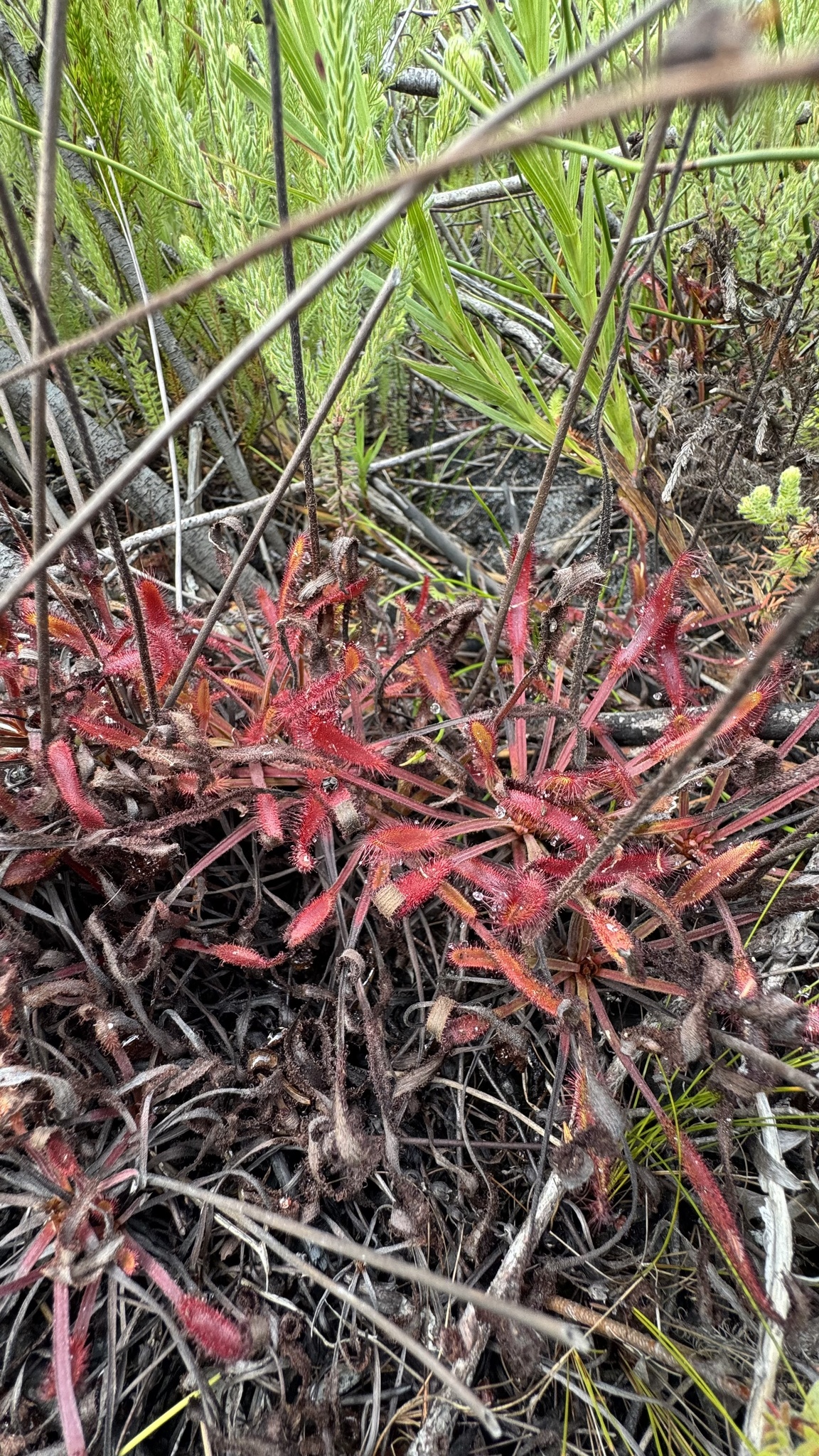
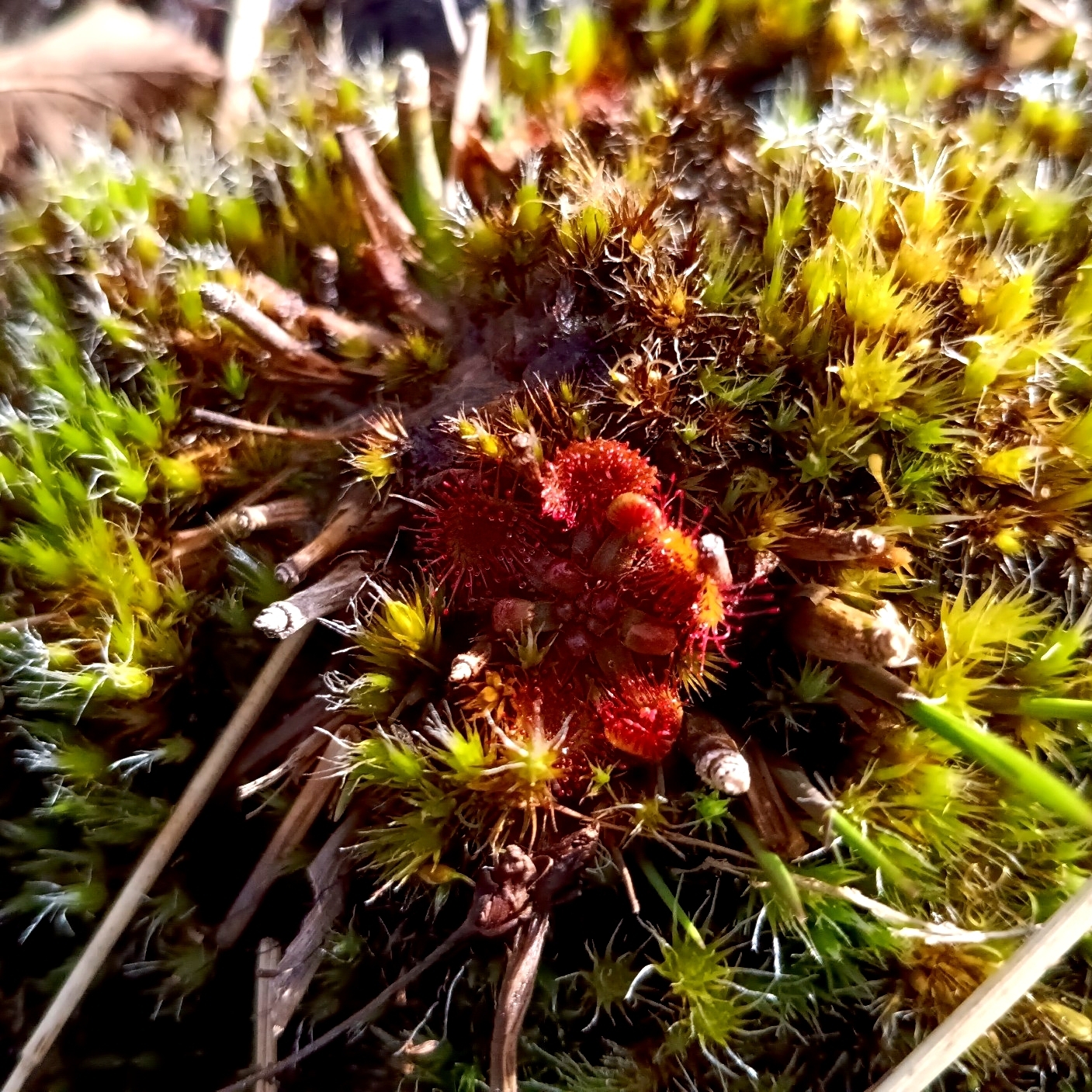
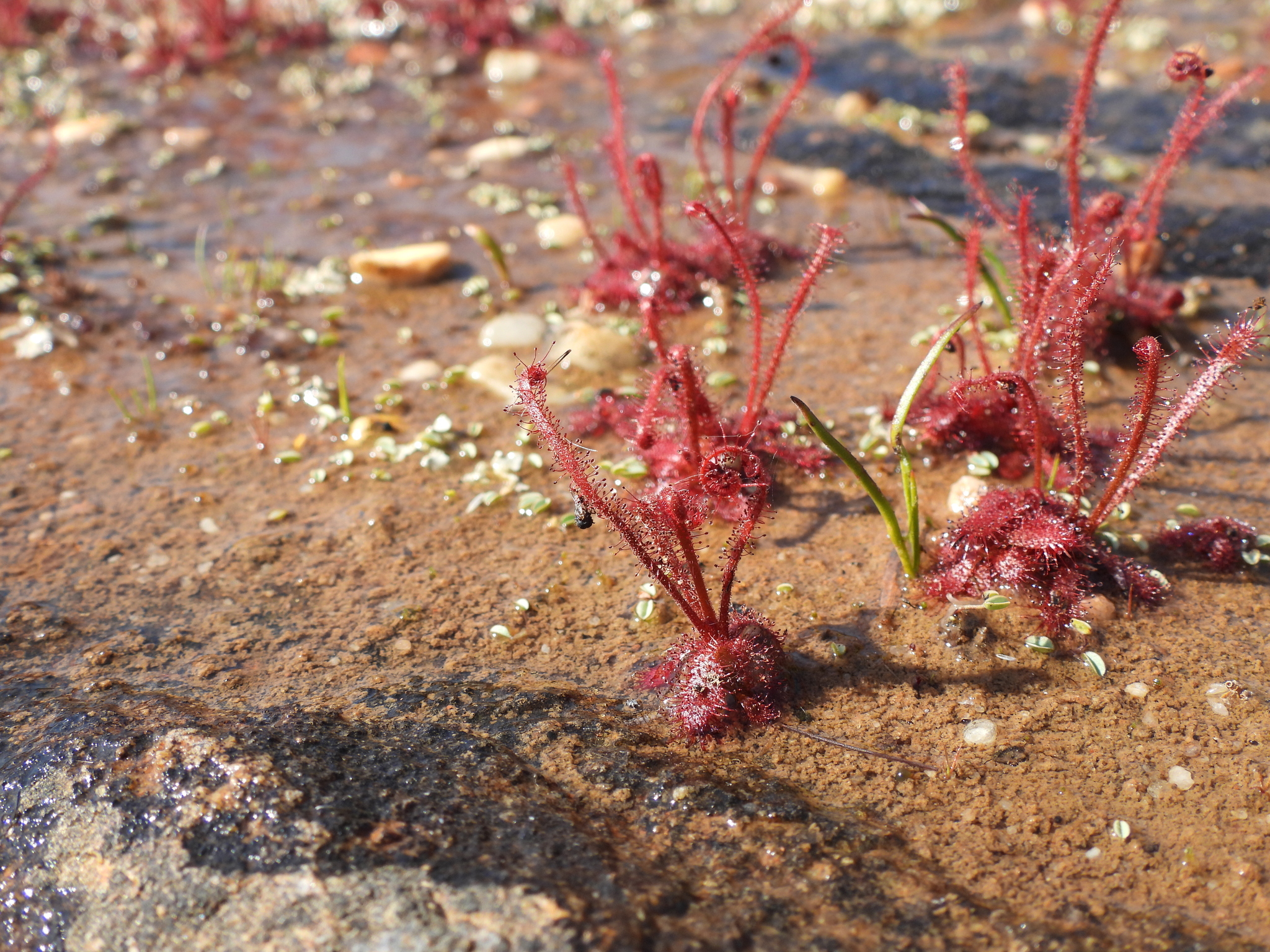
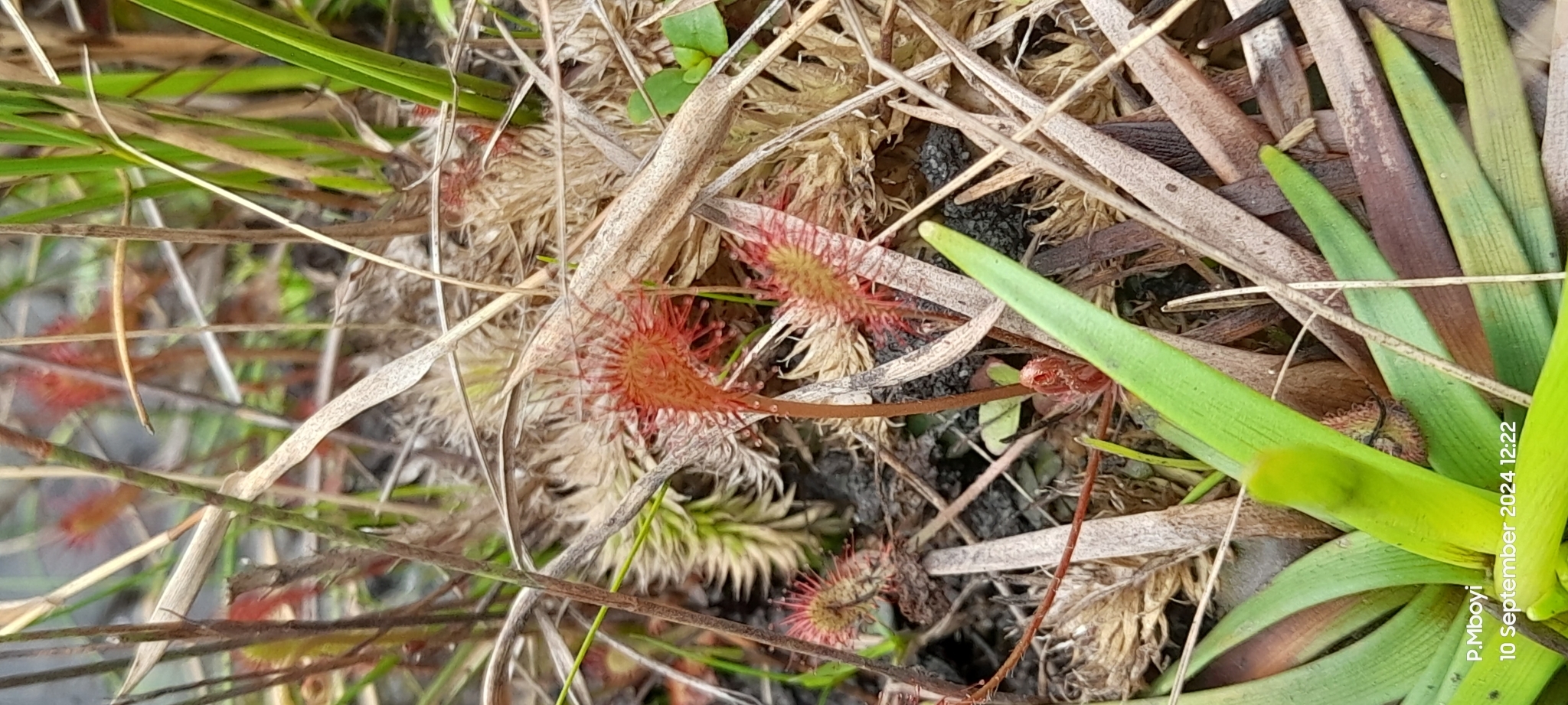
Physically, Drosera scorpioides typically forms a rosette of leaves, often no more than a few centimeters in diameter. The leaves are spatulate to obovate in shape and are densely covered with stalked glands, each tipped with a droplet of mucilage that glistens like dew. These sticky droplets serve as the primary mechanism for capturing prey. When an insect touches the tentacles, it becomes ensnared by the adhesive mucilage. The plant then slowly curls its tentacles and sometimes the leaf itself around the prey, bringing more glands into contact to secrete digestive enzymes. The flowers of Drosera scorpioides are borne on slender scapes that rise above the rosette. These flowers are typically small, with five petals, and can vary in color, often appearing white or pale pink. Following successful pollination, the plant produces a capsule containing numerous small seeds.
The native distribution of Drosera scorpioides is primarily confined to the southwestern regions of Western Australia. It thrives in a variety of habitats, including sandy soils, heathlands, and seasonally wet depressions, where competition from other plants is often limited due to low nutrient availability. These conditions are crucial for its survival, as the carnivorous habit supplements the nutrients it cannot obtain from the soil. Cultivation requirements for Drosera scorpioides generally involve mimicking these native conditions. It prefers bright light, high humidity, and consistently moist, nutrient-poor soil, typically a mix of peat moss and sand or perlite. Overwatering should be avoided, but the soil should never be allowed to dry out completely. Protection from frost is also important in cooler climates.
Drosera scorpioides holds ecological significance as a predator of small invertebrates, helping to regulate insect populations in its natural environment. While not widely cultivated for ornamental purposes on a large scale, its intricate beauty and fascinating carnivorous nature make it a popular subject among carnivorous plant enthusiasts and collectors. There are no established agricultural, medicinal, culinary, or economic uses documented for Drosera scorpioides.
An interesting characteristic of Drosera scorpioides is its ability to produce gemmae, which are small, vegetative propagules that can detach and form new plants. This reproductive strategy allows it to colonize new areas effectively, especially in its native, often ephemeral, wetland habitats. The formation of these gemmae is typically triggered by specific environmental cues, such as cooler temperatures and shorter day lengths, which can precede the onset of winter or dry seasons. This adaptation ensures the continuation of the species even when flowering and seed production may be less successful.
A nutrient-poor, acidic, and well-draining mix is essential. A common blend includes peat moss, perlite, and sand in equal parts.
Temperature
Prefers moderate temperatures.
Habitat
Greenhouse, Indoor, Outdoor
Fertilizer
Does not require soil fertilization.
Care Requirements
Light
Requires bright light with direct sun exposure.
Several hours of direct sun daily is ideal.
Water
Keep soil consistently moist, use pure water.
Avoid tap water; tray watering is beneficial.
Soil
A nutrient-poor, acidic, and well-draining mix is essential. A common blend includes peat moss, perlite, and sand in equal parts.
Temperature
Prefers moderate temperatures.
Avoid extreme heat or frost.
Habitat
Greenhouse, Indoor, Outdoor
Fertilizer
Does not require soil fertilization.
Nutrients are obtained from insects.
Plant Overview
Plant Type
Herb
Plant Category
Ornamental
Plant Place Type
Pot
Plant Environment
Greenhouse, Indoor, Outdoor
Lifespan
Perennials
Plant Height
0.05-0.1 m
Spread
0.1-0.2 m
Growth Rate
Slow
Dormancy
Yes, typically in summer or dry periods
Leaf Color
Green, Red
Leaf Type
Rosette
Flower Size
0.5-1 cm
Optimal Sunlight Lux
50000
Image Gallery
Flowering & Fruiting Cycles
Monthly activity intensity for bloom and fruit across both hemispheres.
Northern hemisphere
Flowering & fruiting calendar
Peak bloom · JulPeak fruit · Aug
FloweringFruiting
Southern hemisphere
Flowering & fruiting calendar
Peak bloom · DecPeak fruit · Dec
FloweringFruiting
Taxonomy
kingdomPlantae
divisionTracheophyta
classMagnoliopsida
orderCaryophyllales
familyDroseraceae
genusDrosera
speciesDrosera scorpioides
Toxicity
Toxic for humans
No
Rating: 0/5
Toxic for pets
No
Rating: 0/5
Edible
No
Non-toxic
Additional Care Tips
Keep the soil consistently moist using distilled, rainwater, or reverse osmosis water. Avoid tap water due to mineral content. The tray-watering method is often preferred.
Pruning is generally not required. Remove dead leaves or flower stalks to maintain tidiness and prevent fungal issues. Trim away any unhealthy parts promptly to encourage new growth.
Easily propagated from leaf cuttings or by dividing the plant during repotting. Seeds can also be sown, but germination may be slow and require specific stratification conditions.
Repot every 1-2 years in spring before active growth begins. Use a fresh, nutrient-poor carnivorous plant mix. Ensure the new pot is slightly larger and has good drainage.
FAQs
What kind of water should I use for Drosera scorpioides?
Always use distilled water, rainwater, or reverse osmosis water. Tap water contains minerals that can harm and eventually kill this sensitive carnivorous plant.
How often should I water my pygmy sundew?
Keep the soil consistently moist, but not waterlogged. A common method is to place the pot in a shallow tray of pure water, allowing the soil to wick up moisture.
Does Drosera scorpioides need fertilizer?
No, it does not need fertilizer in the soil. It captures insects to obtain nutrients. Over-fertilizing can be fatal. If insect prey is scarce, a very dilute foliar spray can be used sparingly.
Why are the tentacles on my Drosera scorpioides not sticky?
Lack of stickiness is usually due to insufficient light, low humidity, or the plant being dormant. Ensure it receives adequate bright light and appropriate environmental conditions.
Can I grow Drosera scorpioides outdoors?
Yes, in suitable climates where it won't experience hard frosts. It thrives outdoors in bright, sunny locations with consistently moist soil, but may need protection during extreme weather.