Also known as Prickly Sesban · Sesbania Pea · Spiny Sesbania
Sesbania bispinosa is an annual legume native to tropical Asia and Africa. Cultivated as green manure for its nitrogen-fixing ability, it thrives in waterlogged and.
Sesbania bispinosa, commonly known as Dunchi Fiber, is a fast-growing herbaceous legume with significant economic and ecological importance. This annual or short-lived perennial plant is a member of the Fabaceae family, renowned for its nitrogen-fixing capabilities and its utility in various agricultural and industrial applications. Its rapid growth and adaptability make it a valuable resource in tropical and subtropical regions.
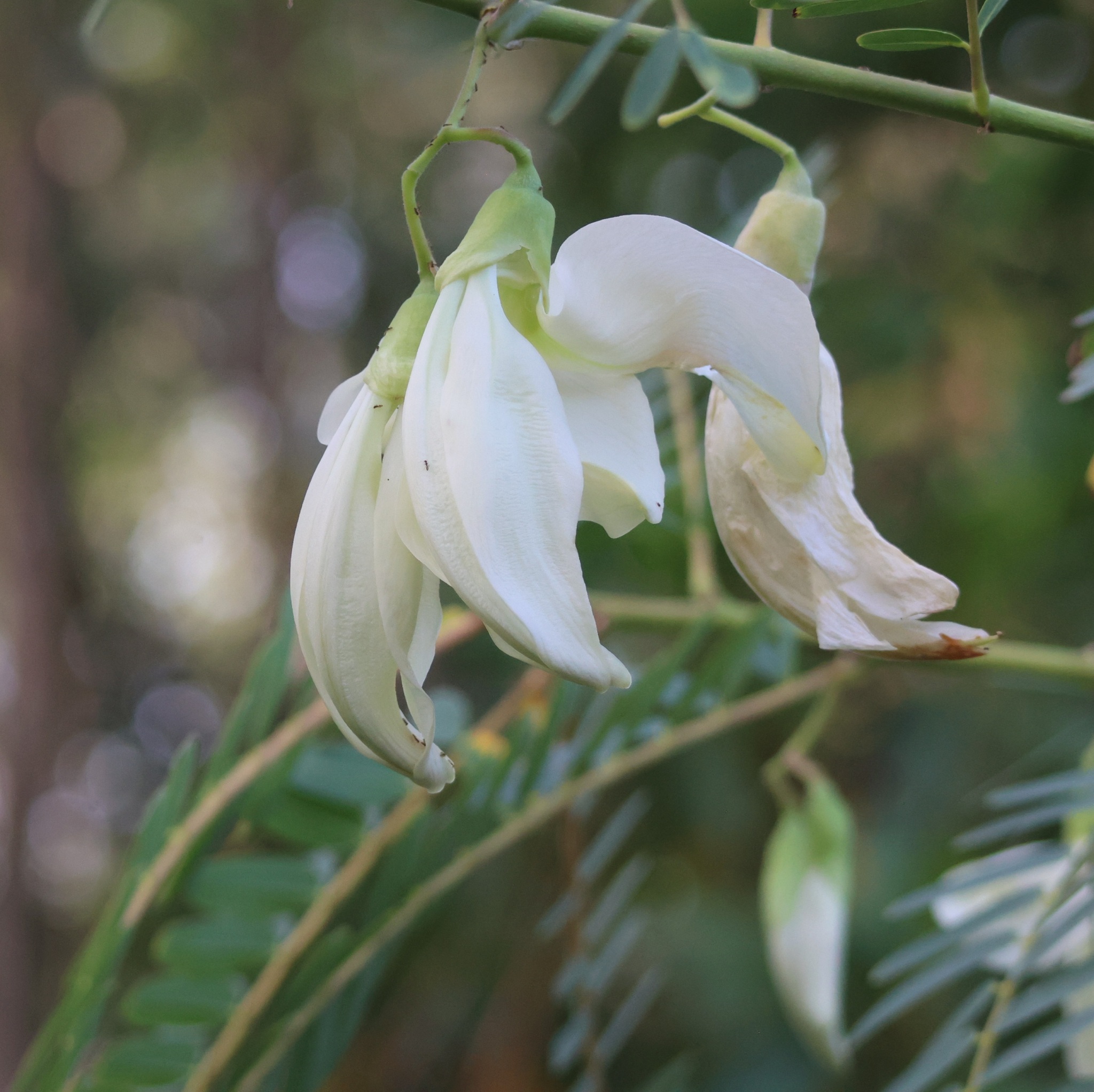
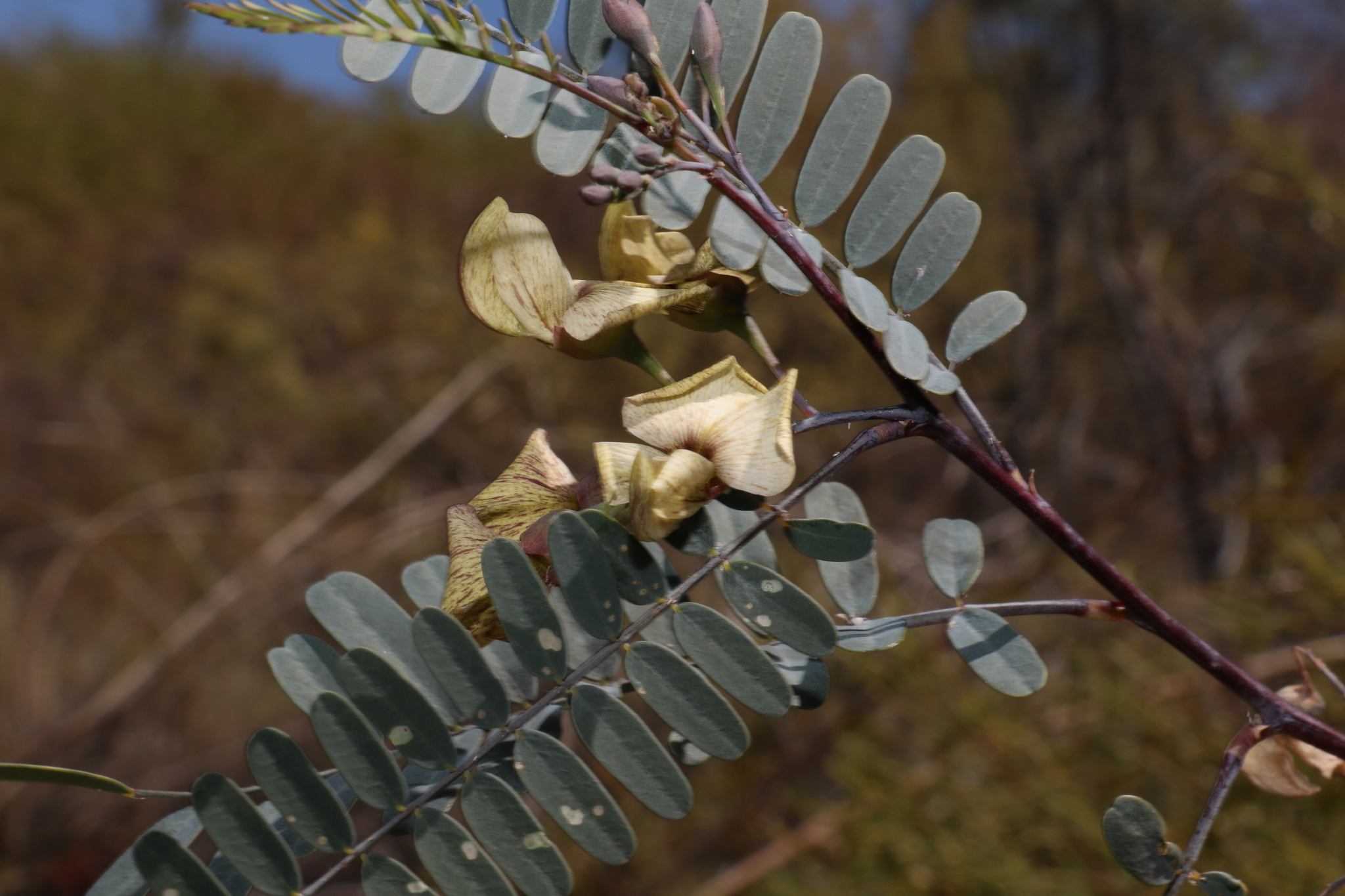
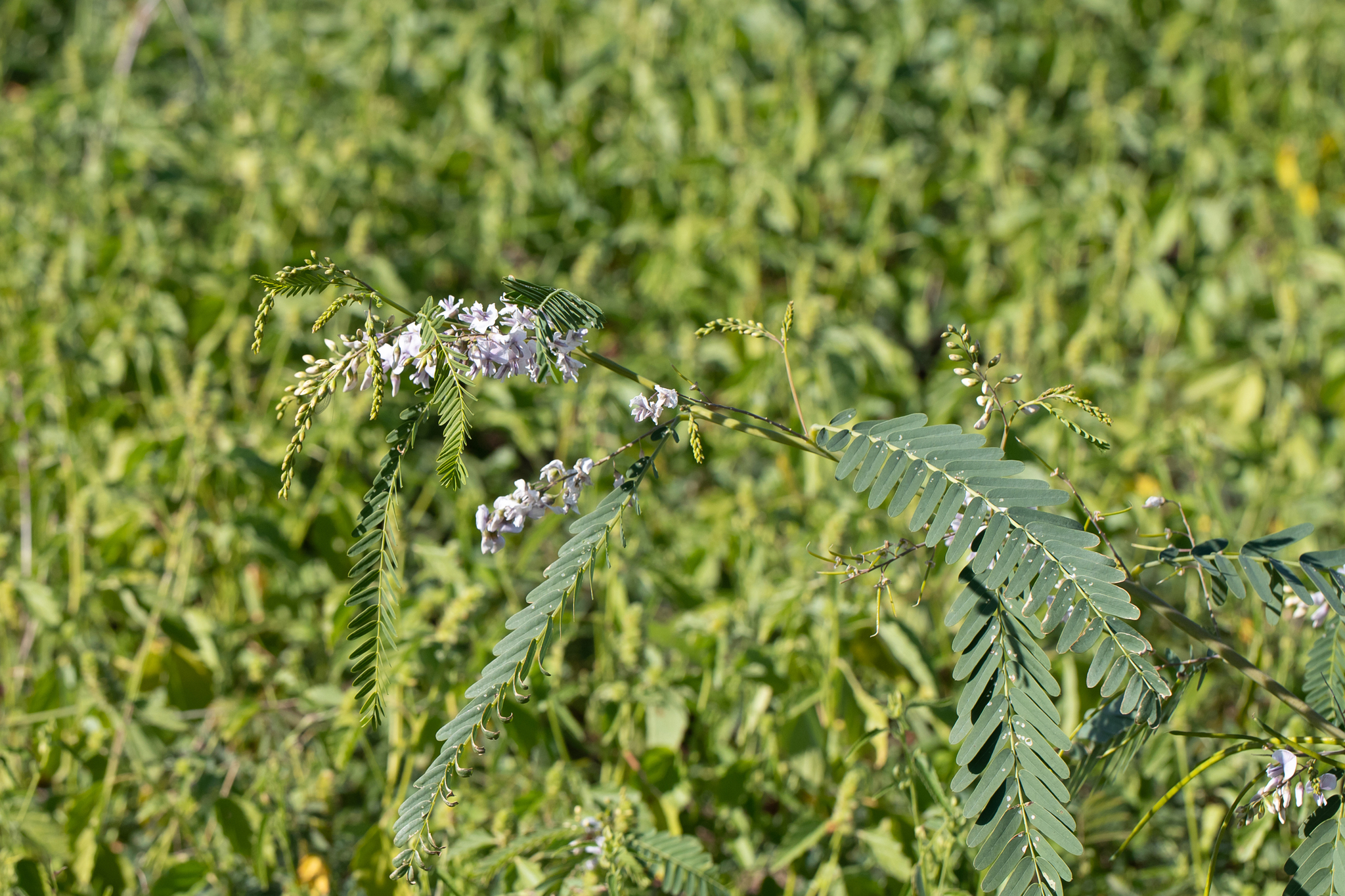
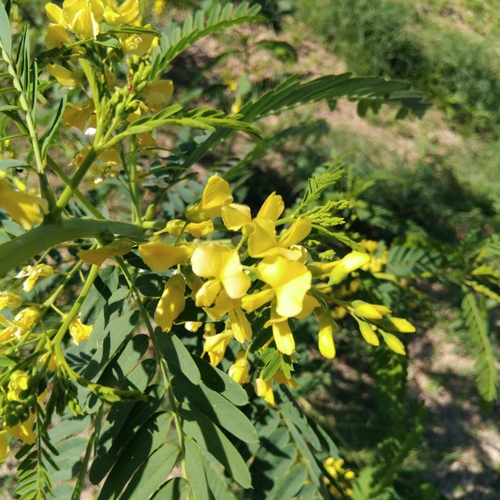
Physically, Sesbania bispinosa typically grows as an erect, somewhat branched shrub, reaching heights of 1 to 3 meters, though it can occasionally grow taller. The stems are generally smooth or slightly ribbed. The leaves are pinnately compound, meaning they are arranged along a central stem, with numerous small leaflets. Each leaf can be 10 to 20 cm long, and the leaflets are typically oblong or linear, measuring about 1 to 2.5 cm in length and 2 to 5 mm in width. The flowers are zygomorphic, characteristic of the pea family, and are usually bright yellow, sometimes with reddish or purplish markings. They are borne in racemes, which are clusters of flowers. The fruit is a legume, a pod that is slender, elongated, and often slightly curved, measuring 15 to 30 cm long and containing numerous small, smooth, oblong seeds. The bark is smooth and grayish-brown.
The native distribution of Sesbania bispinosa spans across tropical Africa, Asia, and Australia. It thrives in a variety of habitats, particularly in moist, disturbed areas, along riverbanks, and in low-lying fields that are subject to seasonal flooding. It prefers well-drained soils but can tolerate a range of soil types, including sandy and clayey soils. Cultivation requirements are generally minimal; it grows best in warm climates with ample sunlight and sufficient moisture. As a legume, it is capable of fixing atmospheric nitrogen, enriching the soil and reducing the need for synthetic fertilizers, making it an excellent cover crop or green manure.
Economically, Sesbania bispinosa is most recognized for its fiber, derived from the stem. The tough, yet flexible, fibers are used in the production of ropes, twine, and coarse fabrics. Historically, these fibers have been important in many local economies for their durability and versatility. Beyond fiber production, the plant serves as a valuable green manure, rapidly adding organic matter and nitrogen to the soil, which improves soil fertility and structure for subsequent crops. Its rapid biomass production also makes it suitable for fodder, although its palatability and nutritional value can vary. Ecologically, its ability to stabilize soil and prevent erosion, especially in disturbed or marginal lands, is significant.
An interesting characteristic of Sesbania bispinosa is its rapid growth rate, allowing it to quickly establish itself and provide benefits such as weed suppression and soil improvement. Its nitrogen-fixing symbiosis with Rhizobium bacteria in its root nodules is a key adaptation that contributes to its ecological and agricultural value, enabling it to thrive in nutrient-poor soils. The plant's resilience to waterlogged conditions also allows it to colonize areas where other crops might fail.