Dusty Miller (Centaurea cineraria) is a striking ornamental plant prized for its silvery-white, felt-like foliage, creating a dramatic contrast in gardens and floral arra
Centaurea cineraria, commonly known as Dusty Miller, is a striking perennial herb prized for its distinctive silvery foliage. This plant belongs to the Asteraceae family, a large and diverse group of flowering plants that includes daisies and sunflowers. Its primary appeal lies in its unique visual texture, which adds a cool, silvery contrast to garden landscapes.
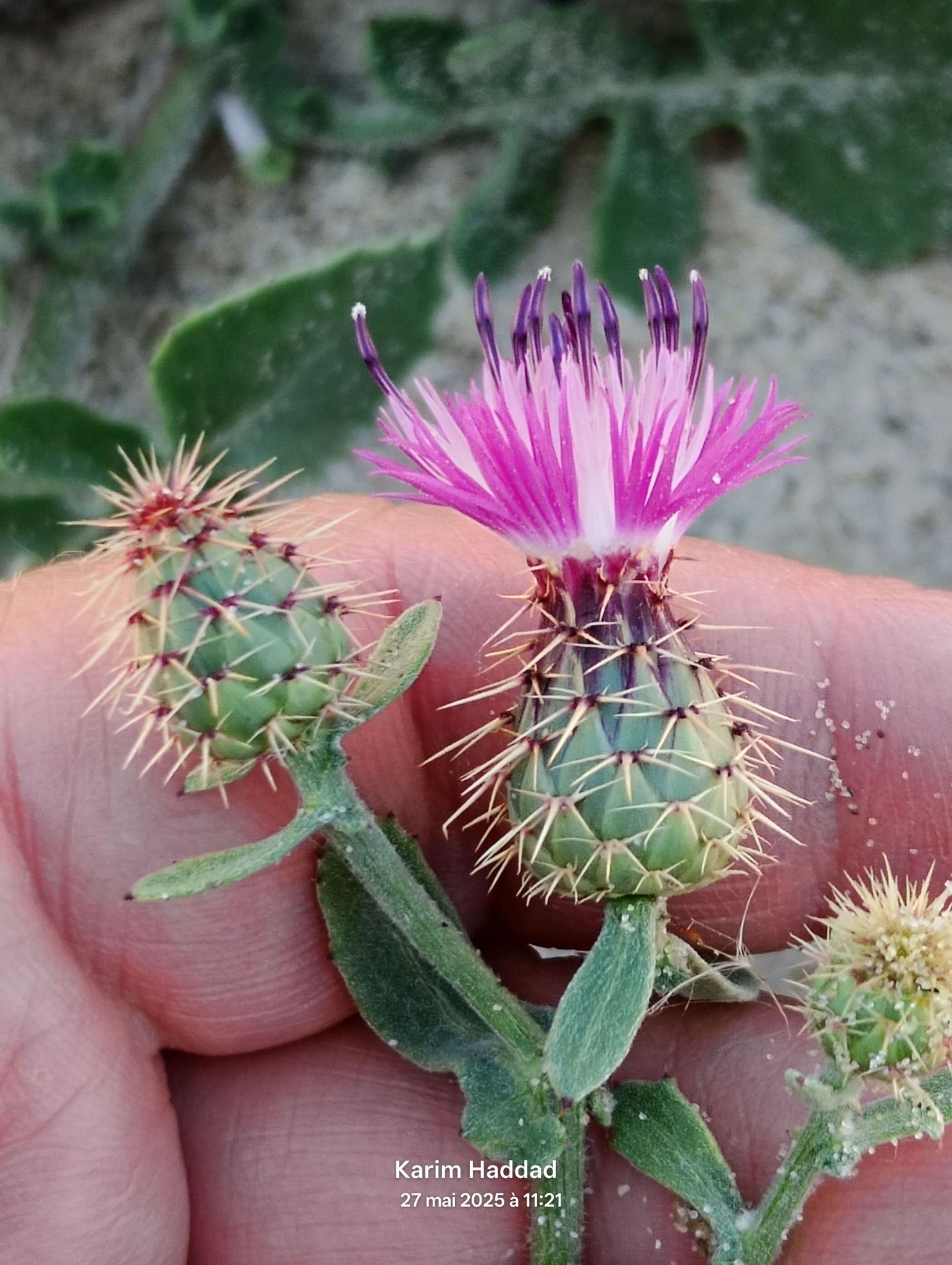
The growth habit of Centaurea cineraria is typically bushy and spreading, forming mounds that can reach heights of 1 to 3 feet (30 to 90 cm) and spread to a similar width. The most notable feature is its foliage. The leaves are deeply lobed or pinnately divided, giving them a feathery appearance. They are covered in a dense layer of fine, white, woolly hairs, which gives the plant its common name and its characteristic dusty, silver-gray color. This dense pubescence serves as a crucial adaptation, helping to reflect sunlight and reduce water loss in its native arid environments. The stems are also covered in this soft, felt-like indumentum. During the flowering season, which typically occurs in summer, Centaurea cineraria produces composite flower heads, characteristic of the Asteraceae family. These flower heads are usually thistle-like in appearance, with ray florets that are often purplish or pinkish, surrounded by bracts that can also be silvery. The fruits are achenes, small dry fruits that contain a single seed, often topped with a pappus, which aids in wind dispersal.
The native distribution of Centaurea cineraria is primarily along the Mediterranean coast, particularly in Italy and surrounding regions. It thrives in dry, rocky, and coastal habitats, often found on cliffs, scree slopes, and disturbed ground. This preference indicates a tolerance for well-drained soils and exposure to sun and wind. In cultivation, it is widely grown in temperate regions as an ornamental plant. It prefers full sun and well-drained soil, making it suitable for rock gardens, borders, and containers. It is generally drought-tolerant once established and can withstand coastal conditions.
While not widely recognized for significant medicinal, culinary, or economic uses, Centaurea cineraria holds considerable ornamental value. Its silvery foliage provides a unique textural element and color contrast in garden designs, complementing a wide range of other plants, especially those with darker or more vibrant foliage. It is often used in mass plantings for a striking visual effect or as a specimen plant to highlight specific areas. The plant's adaptation to arid conditions and its tolerance for poor soils make it a resilient choice for challenging garden sites. The silvery hairs on its leaves are a remarkable adaptation for survival in its native sunny and often dry climate, reflecting solar radiation and minimizing transpiration. This characteristic makes it a visually captivating plant that brings a touch of the Mediterranean landscape to gardens worldwide.
Prefers at least 6 hours of direct sunlight daily.
Watering
Moderate
Allow soil to dry slightly between waterings.
Soil
Well-drained
Temperature
Moderate
Thrives in average room temperatures (18-24°C). Protect from frost.
Habitat
Outdoor
Fertilizer
Low
Fertilize sparingly in spring with a balanced liquid feed.
Plant Overview
Plant Type
Shrub, Herb
Plant Category
Ornamental
Plant Place Type
Garden, Pot
Plant Environment
Outdoor
Lifespan
Perennial
Plant Height
0.3 - 1.0 m
Spread
0.3 - 1.0 m
Growth Rate
Moderate
Dormancy
Semi-dormant
Leaf Color
Silver, Gray
Leaf Type
Lobed
Flower Size
2-3 cm
Optimal Sunlight Lux
60000
Image Gallery
Flowering & Fruiting Cycles
Monthly activity intensity for bloom and fruit across both hemispheres.
Northern hemisphere
Flowering & fruiting calendar
Peak bloom · JulPeak fruit · Aug
FloweringFruiting
Southern hemisphere
Flowering & fruiting calendar
Peak bloom · FebPeak fruit · Jan
FloweringFruiting
Synonyms
Acosta cineraria (L.) Holub
Jacea cineraria (L.) Delarbre
Menomphalus cineraria (L.) Pomel
Staebe cineraria (L.) Hill
Taxonomy
kingdomPlantae
divisionTracheophyta
classMagnoliopsida
orderAsterales
familyAsteraceae
genusCentaurea
speciesCentaurea cineraria
Toxicity
Toxic for humans
No
Rating: 0/5
Toxic for pets
No
Rating: 0/5
Edible
No
Non-toxic to pets and humans.
Additional Care Tips
Water Dusty Miller thoroughly when the top 2-3 cm of soil feels dry. Allow excess water to drain away completely, as soggy soil can lead to root rot. Reduce watering frequency in cooler months or when the plant is dormant to prevent overwatering. Aim for consistent moisture, not waterlogged conditions.
Prune Dusty Miller in spring to shape the plant and encourage bushier growth. Remove any dead, damaged, or leggy stems. Pinch back tips regularly during the growing season to maintain a compact form and prevent it from becoming too woody. Light pruning can be done anytime.
Dusty Miller is easily propagated from stem cuttings taken in spring or early summer. Select healthy, non-flowering stems, cut them to about 10-15 cm long, and remove lower leaves. Dip the cut end in rooting hormone and insert into moist potting mix or water. Rooting typically occurs within 2-4 weeks.
Repot Dusty Miller every 1-2 years, or when it becomes root-bound. Choose a pot that is only slightly larger than the current one, with good drainage holes. Use a well-draining potting mix, such as a cactus or succulent blend. Repot in spring, just as new growth begins, to minimize stress.
FAQs
How much sun does Dusty Miller need?
Dusty Miller thrives in full sun, requiring at least 6-8 hours of direct sunlight per day for optimal growth and leaf color.
What type of soil is best for Dusty Miller?
This plant prefers well-drained soil. It can tolerate a range of soil types, but excessive moisture can lead to root rot.
Is Dusty Miller an annual or a perennial?
In warmer climates (USDA Zones 8-10), Dusty Miller is typically grown as a perennial. In colder regions, it is often treated as an annual.
How do I propagate Dusty Miller?
Dusty Miller can be easily propagated from seeds sown in spring or from stem cuttings taken in summer.
Does Dusty Miller attract any pests or diseases?
Dusty Miller is generally pest and disease resistant. Overwatering can lead to fungal issues, particularly root rot.