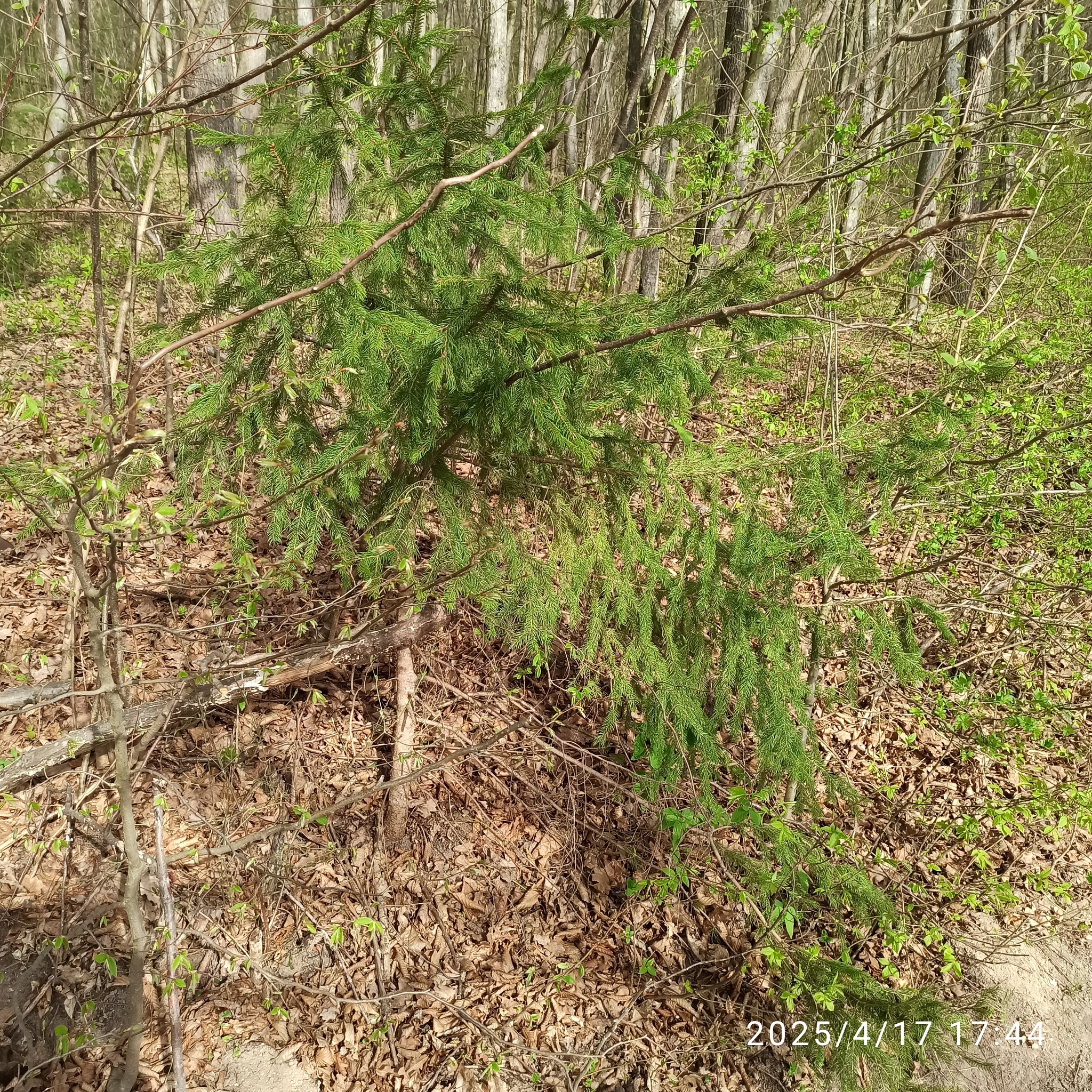
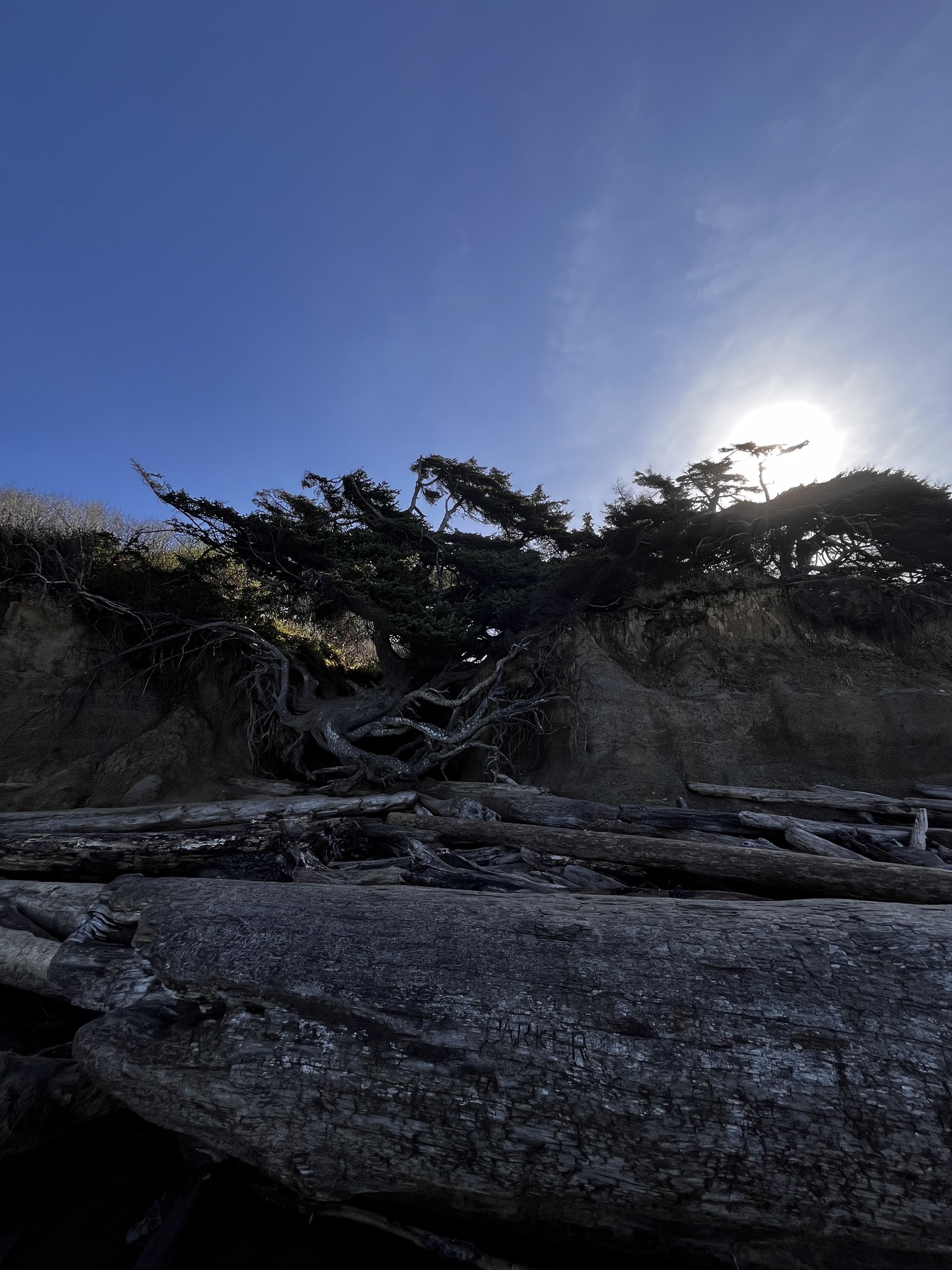
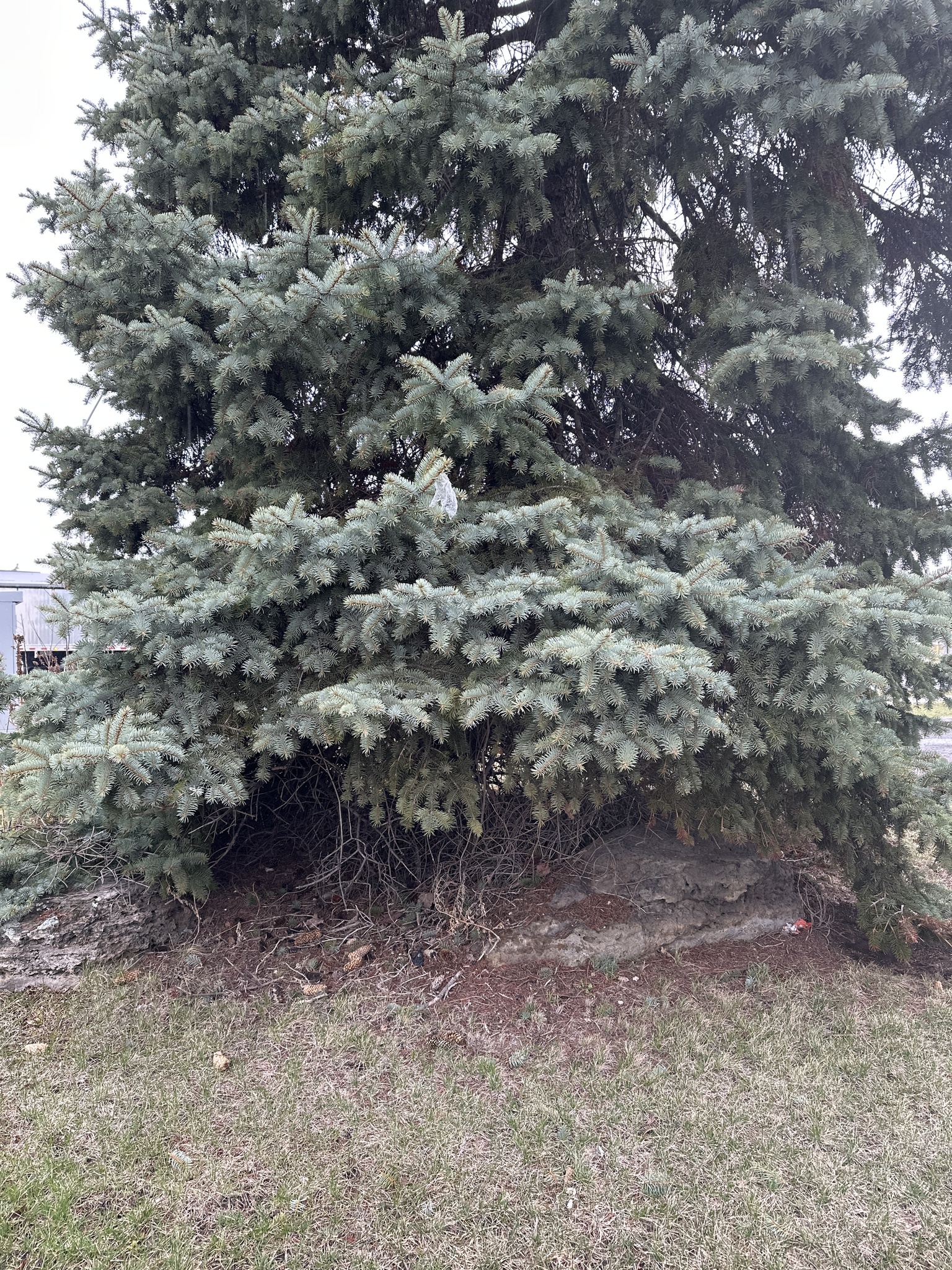
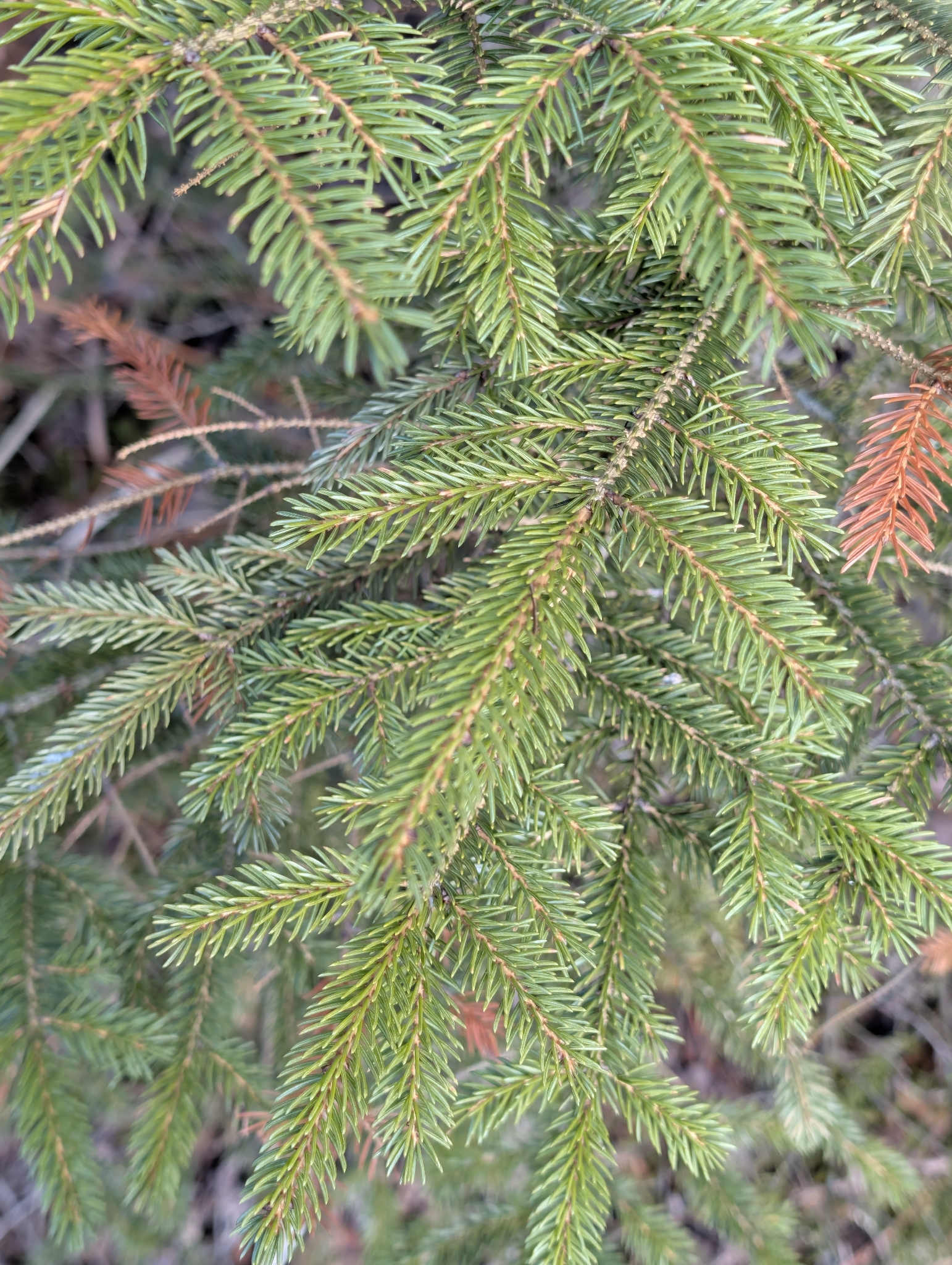
Picea glauca, commonly known as White Spruce, is a large, long-lived evergreen conifer native to North America. It has a dense, conical form and blue-green needles, adapt
Above information is sourced from Wikipedia
Sunlight
Full sun to partial shade.
Watering
Moderate, consistent moisture when young, drought-tolerant when established.
Soil
Well-drained, acidic to neutral loam, sand, or clay.
Temperature
Extremely cold hardy, prefers cool summers.
Habitat
Outdoor
Fertilizer
Generally not needed for established trees.
Full sun to partial shade.
Moderate, consistent moisture when young, drought-tolerant when established.
Well-drained, acidic to neutral loam, sand, or clay.
Extremely cold hardy, prefers cool summers.
Outdoor
Generally not needed for established trees.
Plant Type
Tree
Plant Category
Foliage, Ornamental
Plant Place Type
Ground, Garden
Plant Environment
Outdoor
Lifespan
Perennials
Plant Height
15-30 m
Spread
6-9 m
Growth Rate
Medium
Dormancy
Winter dormancy
Leaf Color
Blue-green, Dark green
Leaf Type
Needle
Flower Size
1-7 cm (cones)
Optimal Sunlight Lux
75000
Monthly activity intensity for bloom and fruit across both hemispheres.
Flowering & fruiting calendar
Toxic for humans
No
Rating: 0/5
Toxic for pets
No
Rating: 0/5
Edible
Yes
Generally considered non-toxic. Young spruce tips and inner bark are edible. Large ingestion of needles might cause mild digestive upset.