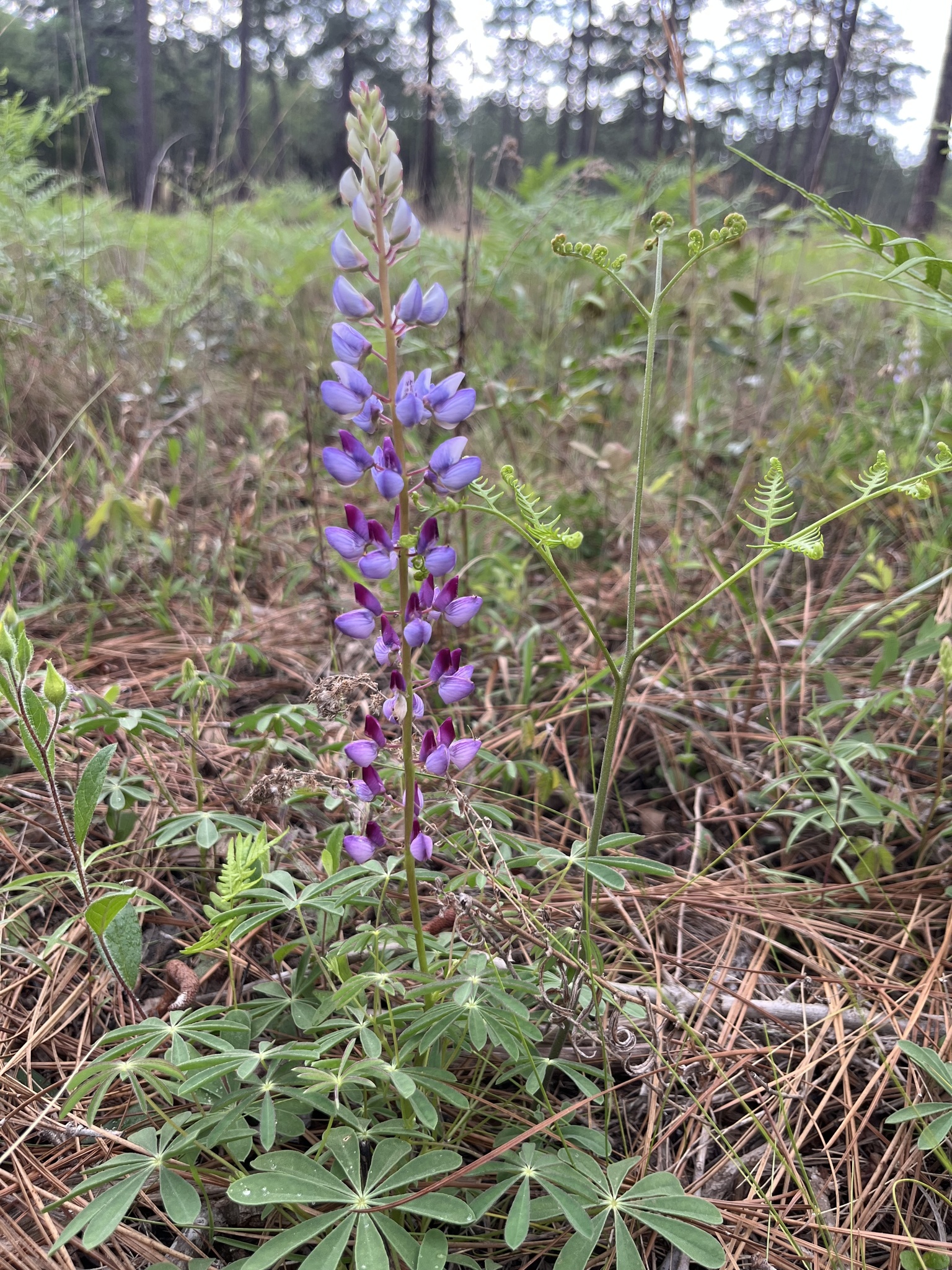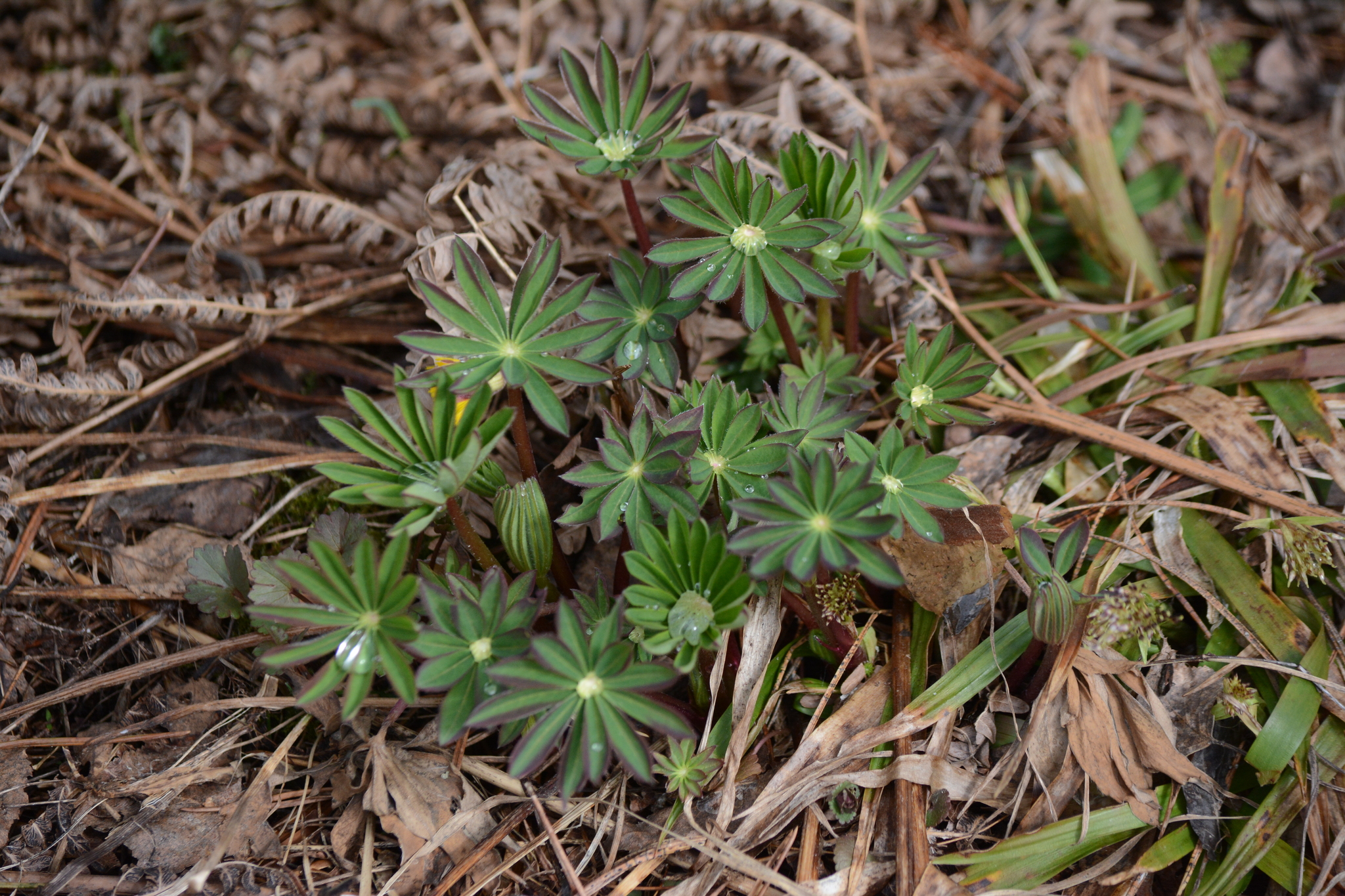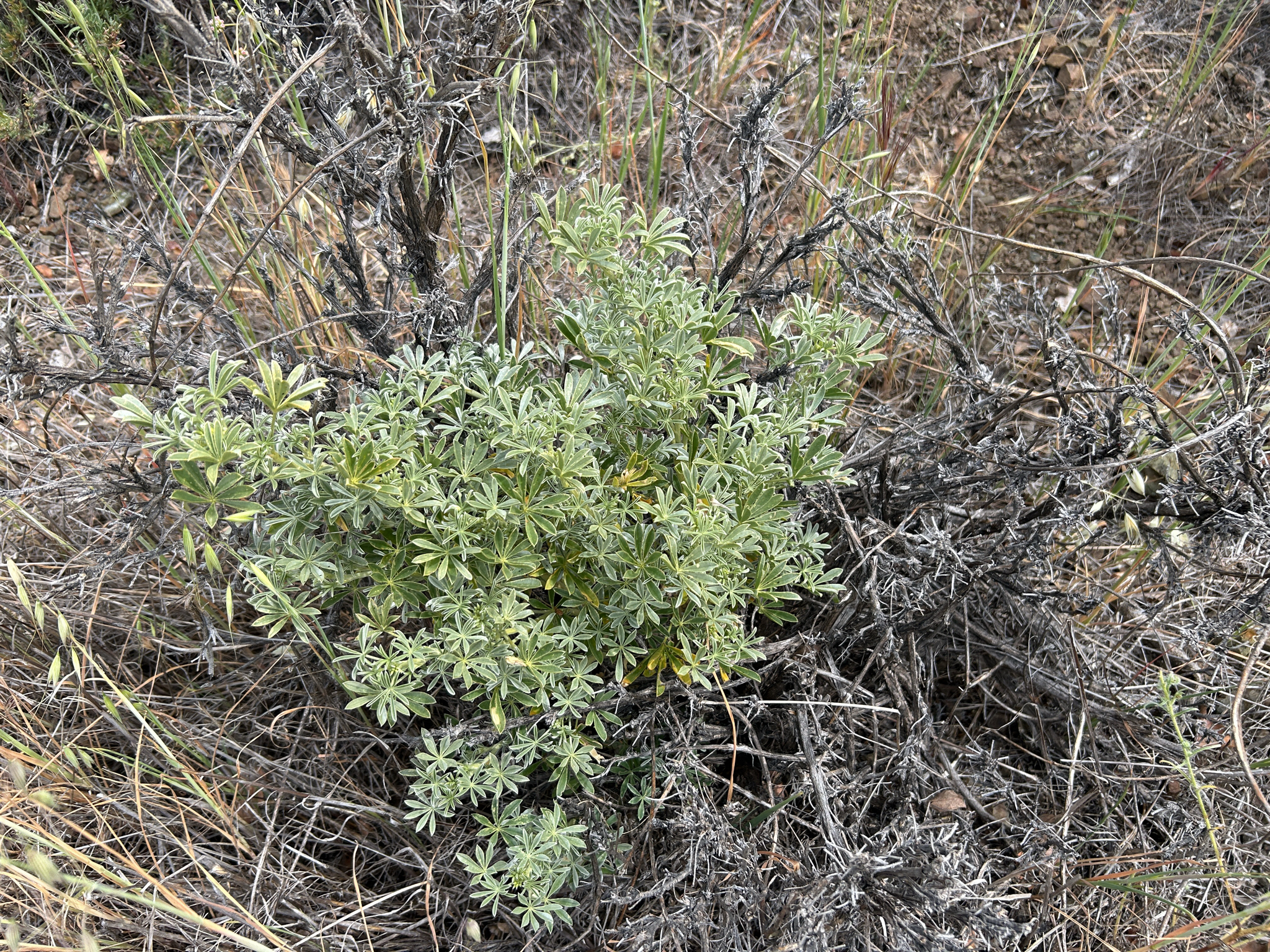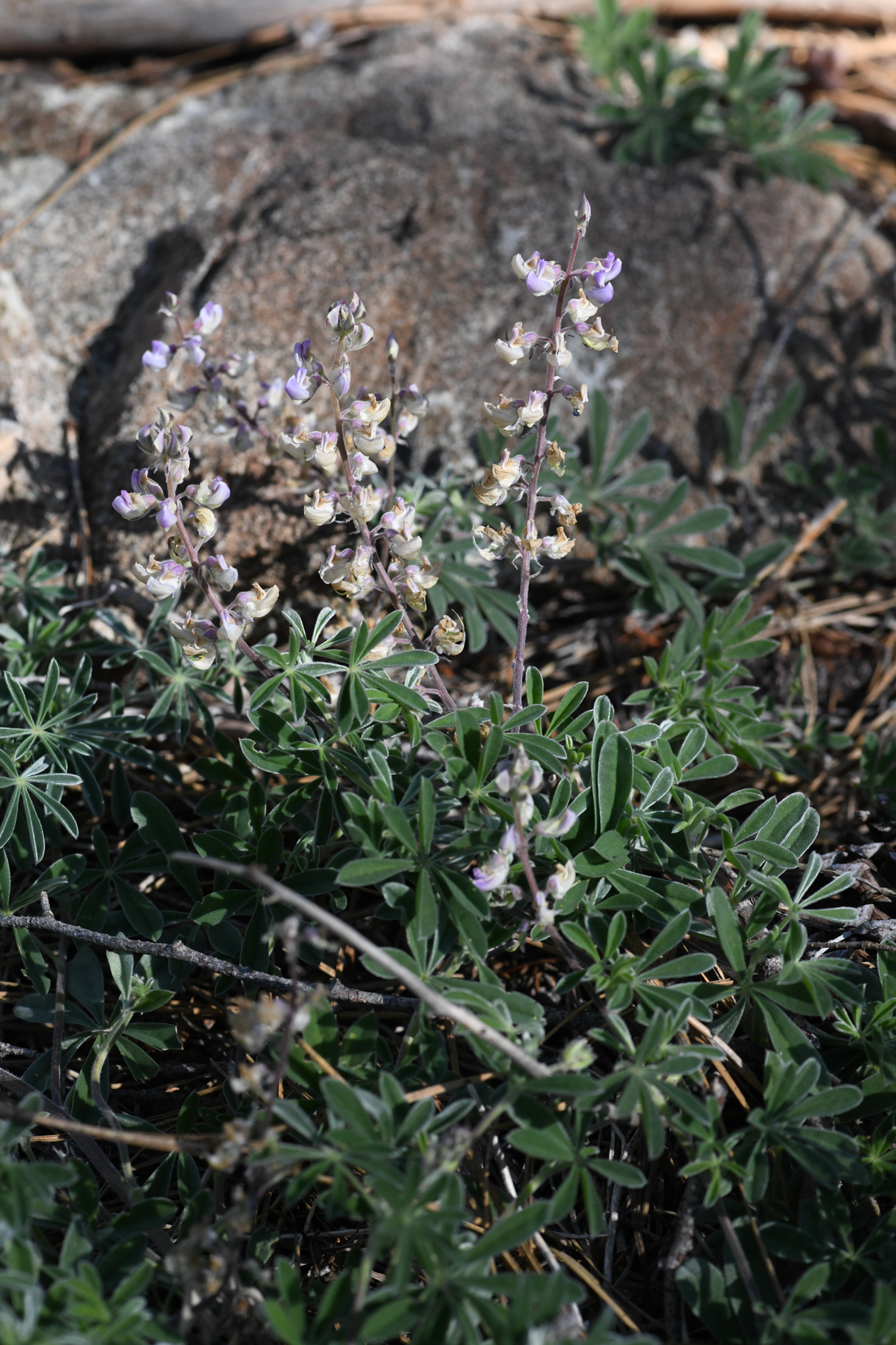
Lupinus angustifolius, an annual herb, displays blue to purple flower spikes and palmate leaves. It is cultivated for ornament, green manure, and fodder, but all parts co
Above information is sourced from Wikipedia
Sunlight
Full sun
Watering
Moderate, consistent moisture
Soil
Well-drained, slightly acidic to neutral (pH 6.0-7.0) sandy or loamy soil. It can tolerate poor soils but thrives in moderately fertile conditions. Good drainage is crucial to prevent root issues.
Temperature
Cool to moderate
Habitat
Outdoor
Fertilizer
Low nitrogen, if needed
Full sun
At least 6 hours direct sunlight
Moderate, consistent moisture
Especially during dry periods and flowering
Well-drained, slightly acidic to neutral (pH 6.0-7.0) sandy or loamy soil. It can tolerate poor soils but thrives in moderately fertile conditions. Good drainage is crucial to prevent root issues.
Cool to moderate
Thrives in 15-25 °C
Outdoor
Low nitrogen, if needed
Nitrogen-fixer, avoid high-N feeds
Plant Type
Herb
Plant Category
Flowering, Ornamental
Plant Place Type
Ground, Garden
Plant Environment
Outdoor
Lifespan
Annuals
Plant Height
0.3-1.5 m
Spread
0.3-0.6 m
Growth Rate
Fast
Leaf Color
Green, Grey-green
Leaf Type
Palmate
Flower Size
1-2 cm (individual flower), 10-30 cm (raceme)
Optimal Sunlight Lux
60000
Weed Status
Yes
Toxic for humans
Yes
Rating: 8/5
Toxic for pets
Yes
Rating: 8/5
Edible
No
All parts of Lupinus angustifolius contain quinolizidine alkaloids, which are toxic if ingested by humans or animals. Symptoms can include nausea, vomiting, lethargy, and neurological issues. 'Sweet lupin' varieties have reduced alkaloid levels but still