Spiny Fiddlewood Tree (Citharexylum spinosum) – Benefits, Care & Growing Guide | ePlant AI
Spiny Fiddlewood (Citharexylum spinosum)
Spiny Fiddlewood (Citharexylum spinosum) is a fast-growing evergreen tree or large shrub with attractive foliage and fragrant flowers, often used in landscaping.
Citharexylum spinosum, commonly known as Spiny Fiddlewood, is a captivating flowering plant recognized for its distinctive features and ecological role. This species belongs to the Verbenaceae family and is a notable member of its genus, Citharexylum, which is characterized by its woody stems and often showy inflorescences. The Spiny Fiddlewood is appreciated for its ornamental value and its contribution to native ecosystems.
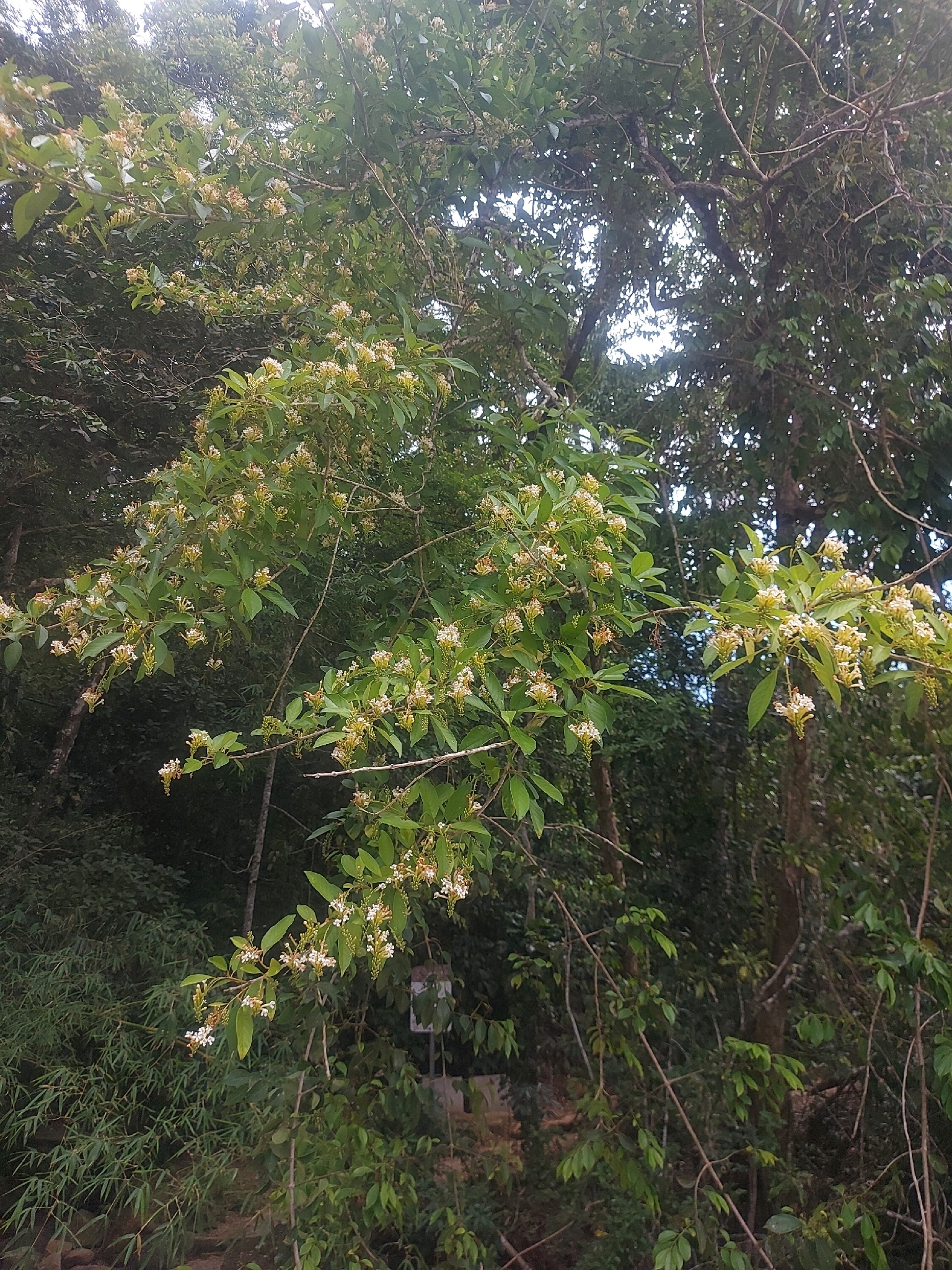
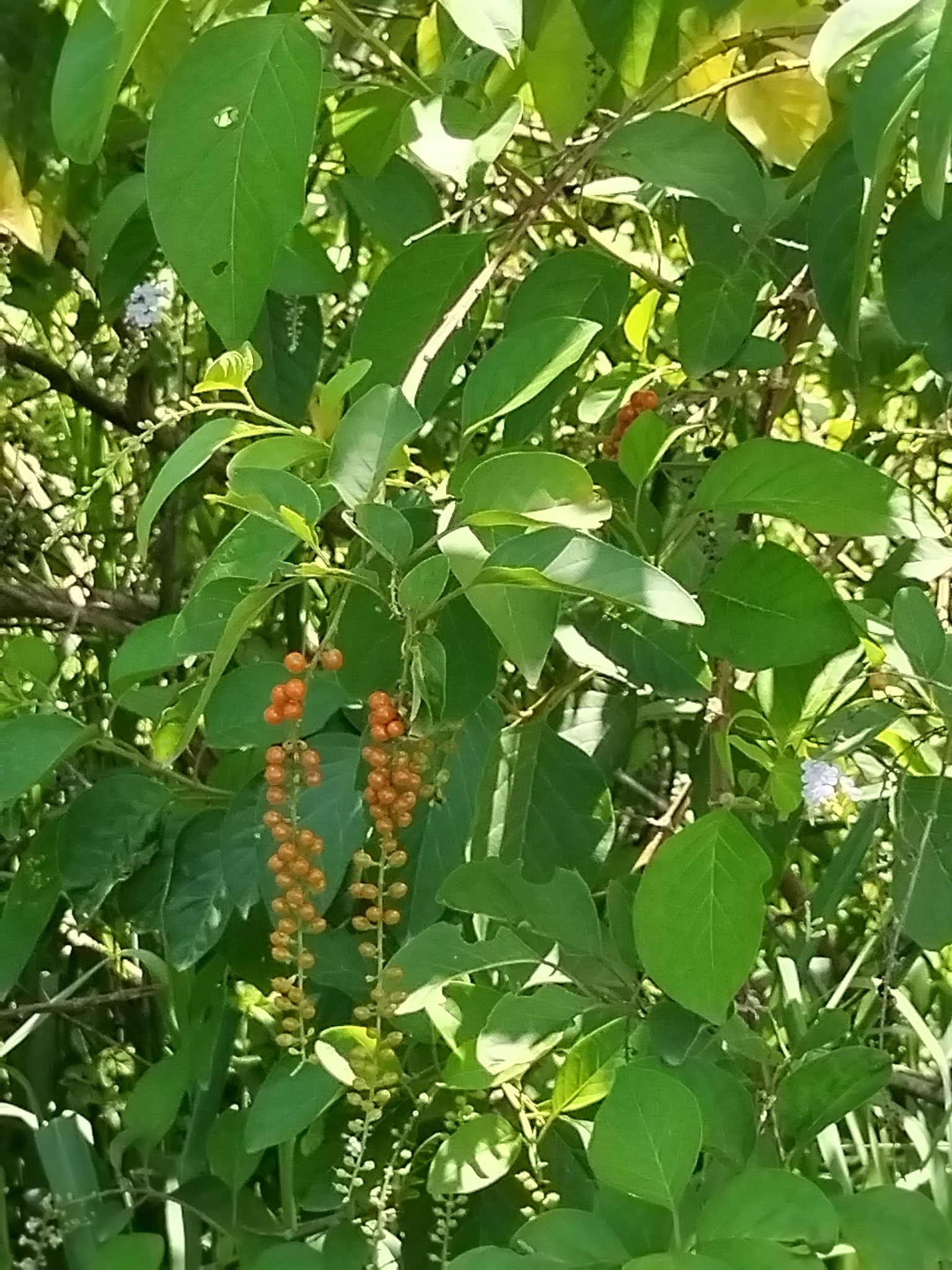
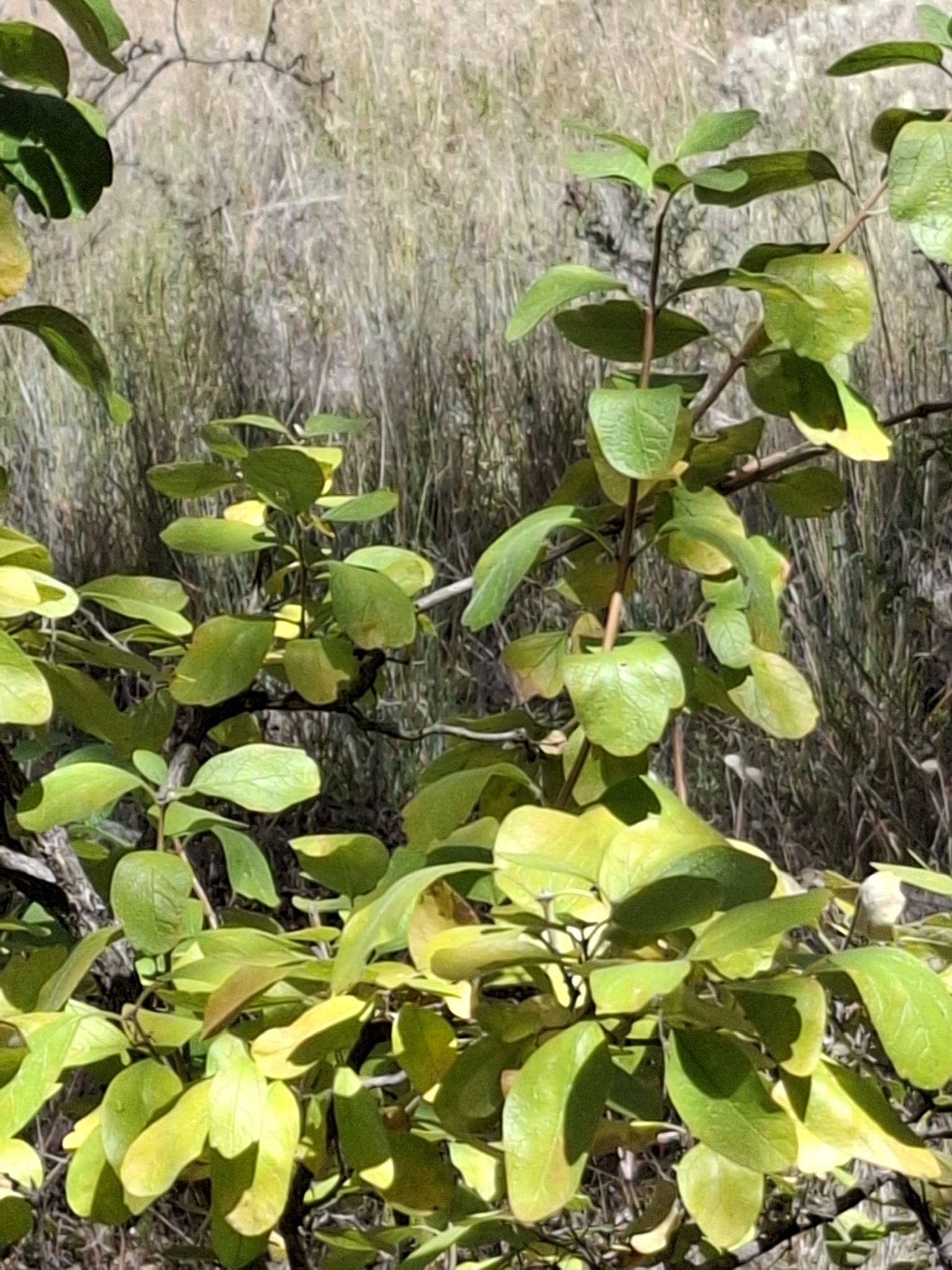
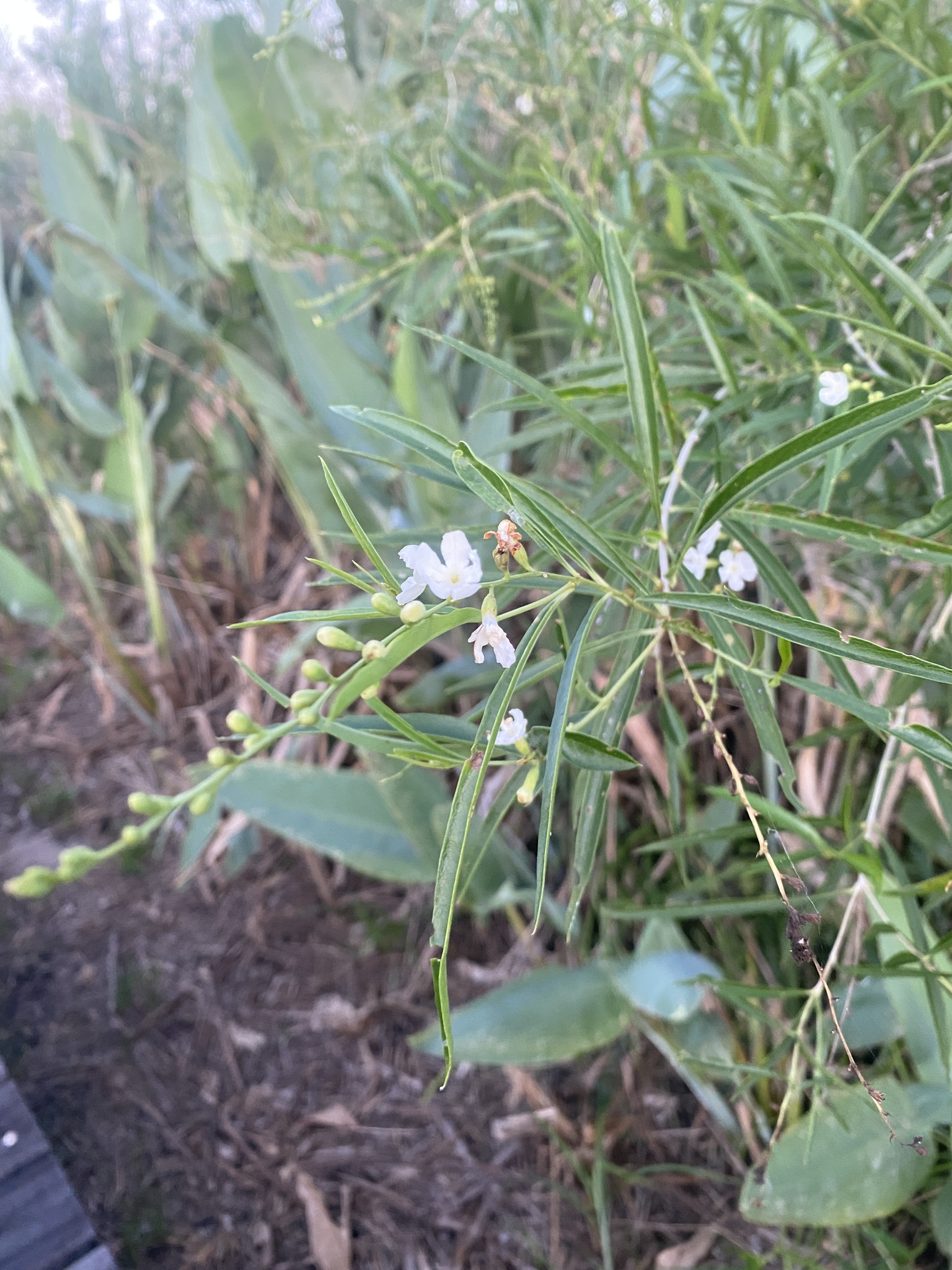
Physically, Citharexylum spinosum is typically an evergreen shrub or small tree, often reaching heights of 4 to 8 meters, though it can occasionally grow taller under optimal conditions. Its growth habit is generally upright and somewhat spreading. The leaves are simple, opposite or whorled, and lanceolate to ovate in shape, measuring approximately 5 to 15 centimeters in length. They are glossy green and leathery in texture, contributing to the plant's attractive appearance throughout the year. A defining characteristic, alluded to by its common name, is the presence of spines, which are sharp, axillary thorns that can deter herbivores. The bark is typically smooth and gray on younger stems, becoming rougher and fissured with age. During its blooming period, Citharexylum spinosum produces abundant, pendulous racemes of fragrant, tubular flowers. These flowers are usually white or pale yellow, with a delicate appearance that belies their strong, sweet scent, often described as reminiscent of honey or vanilla. The flowers attract pollinators, including bees and butterflies. Following pollination, the plant develops small, drupaceous fruits that are globose and typically red to orange when mature. These fruits are borne in clusters and persist on the plant, providing a visual accent and a food source for birds.
The native distribution of Citharexylum spinosum encompasses parts of the Caribbean, including islands like Puerto Rico and the Virgin Islands, as well as parts of Central and South America. It thrives in a variety of natural habitats, often found in coastal areas, dry forests, and open woodlands. It prefers well-drained soils and is tolerant of a range of soil types, from sandy to loamy. Cultivation requirements are generally straightforward, making it a popular choice for landscaping in suitable climates. It thrives in full sun to partial shade and exhibits good drought tolerance once established, although regular watering will promote more vigorous growth and flowering. It is sensitive to frost and is best grown in tropical and subtropical regions.
While primarily valued for its ornamental qualities, Citharexylum spinosum plays a role in its native ecosystems by providing habitat and food for wildlife. The nectar from its flowers supports pollinators, and its fruits are consumed by various bird species. Historically, some species within the Citharexylum genus have been noted for their use in traditional medicine, though specific, scientifically validated medicinal uses for Citharexylum spinosum are not widely documented in authoritative botanical literature. Its wood has been used locally for various purposes, but it is not a significant timber species.
An interesting characteristic of Citharexylum spinosum is the strong fragrance of its flowers, which is most pronounced during warm, humid conditions, serving as a powerful attractant for nocturnal and diurnal pollinators. The presence of spines, while a defense mechanism, also contributes to its unique aesthetic and can be a consideration in landscape design. The persistent, colorful fruits add visual interest to the plant, extending its ornamental appeal beyond the flowering season.