Florida Dutchman's Pipe Care Guide (Aristolochia maxima) | ePlant AI
Florida Dutchman's Pipe (Aristolochia maxima)
Aristolochia maxima, the Florida Dutchman's Pipe, is a vigorous vine with large, unusual flowers and attractive foliage, thriving in warm climates.
Aristolochia maxima, commonly known as the Florida Dutchman's Pipe, is a striking perennial vine belonging to the Aristolochiaceae family. This species is notable for its substantial foliage and uniquely shaped flowers, contributing to its distinct presence in its native environment.
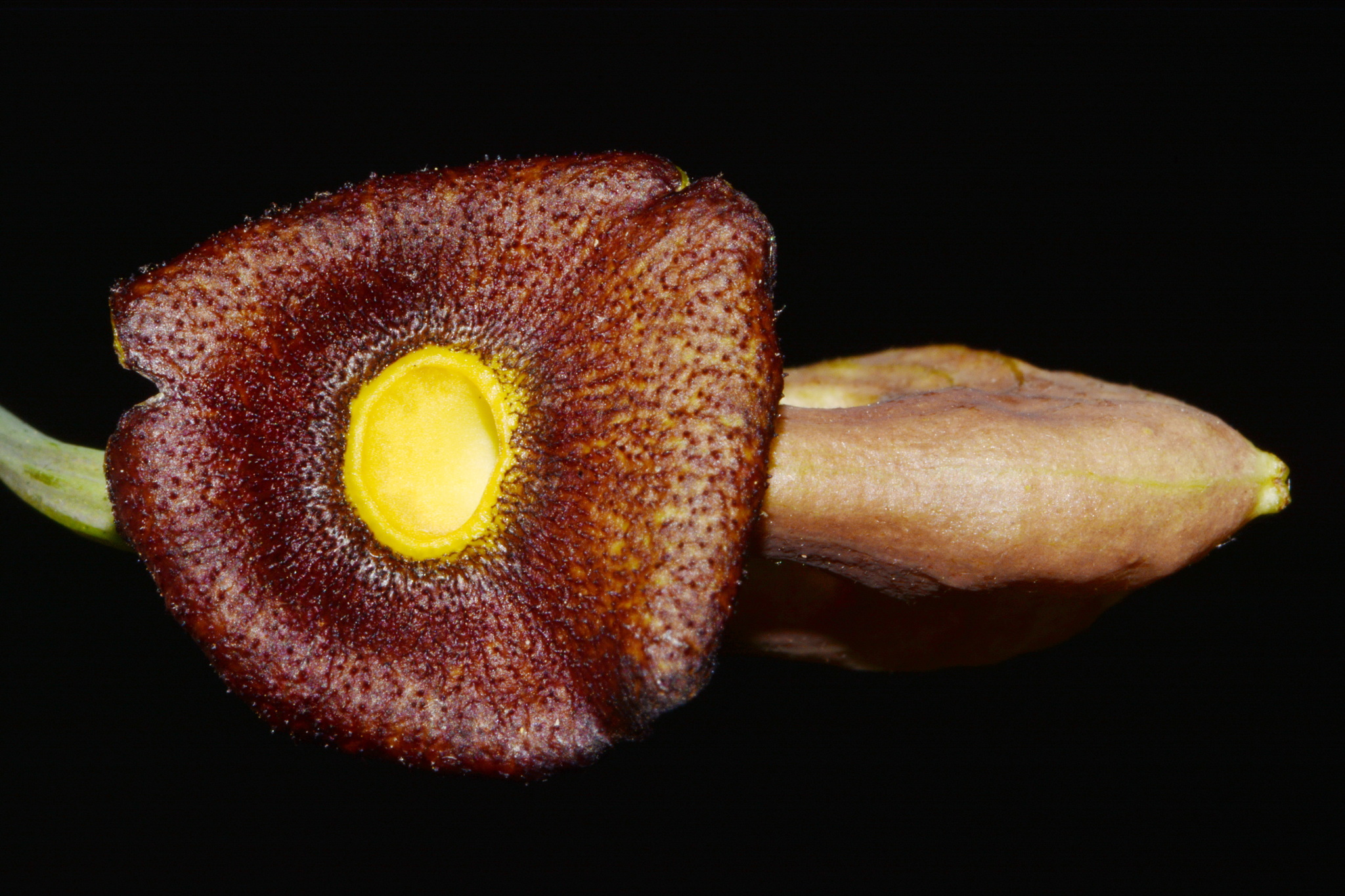
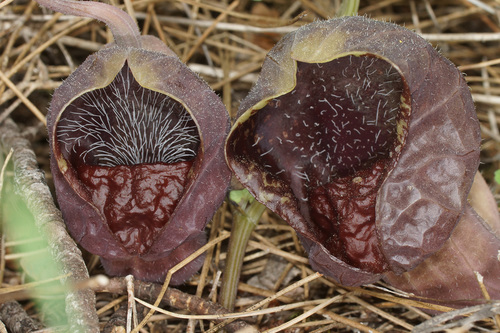
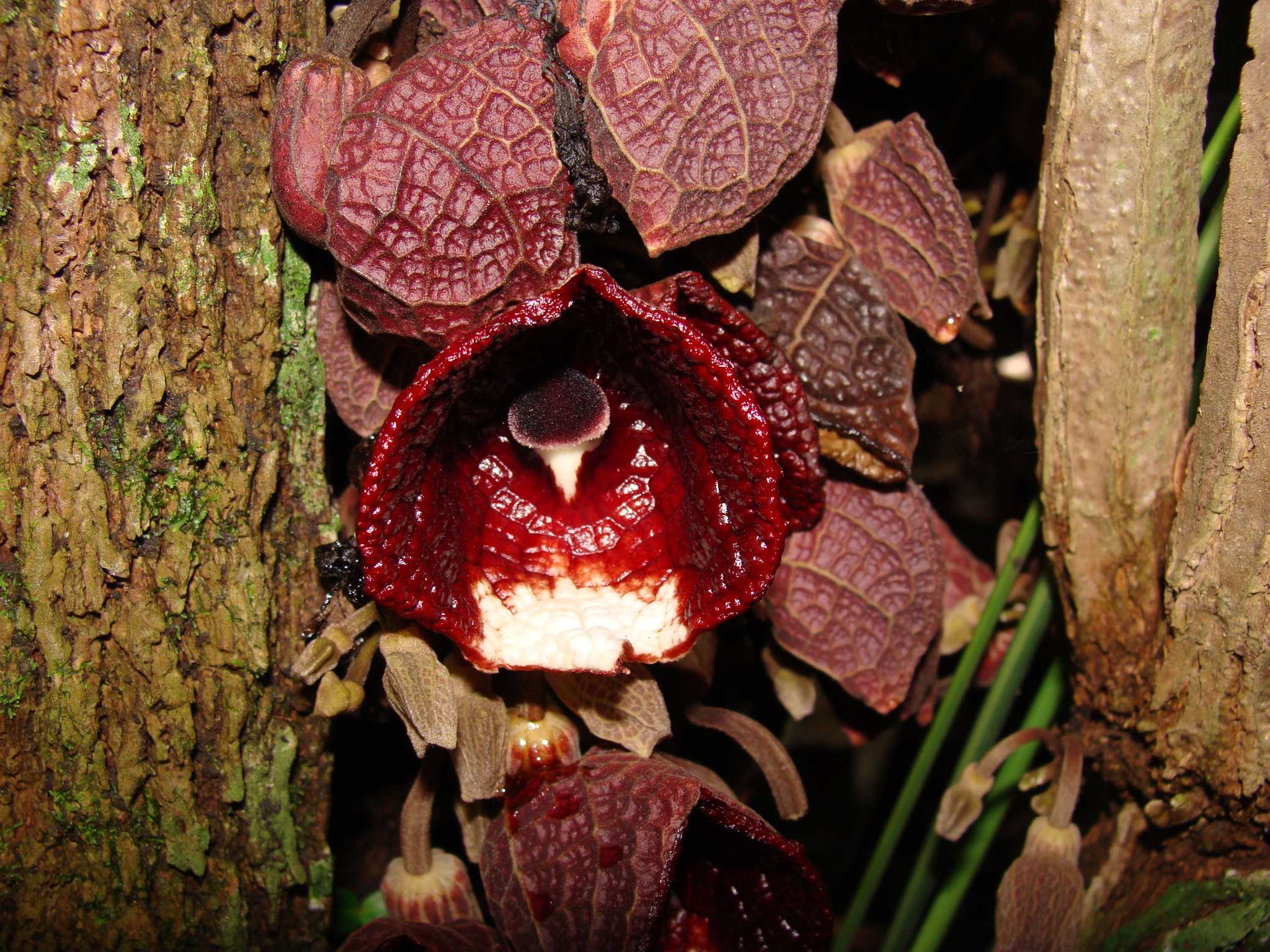
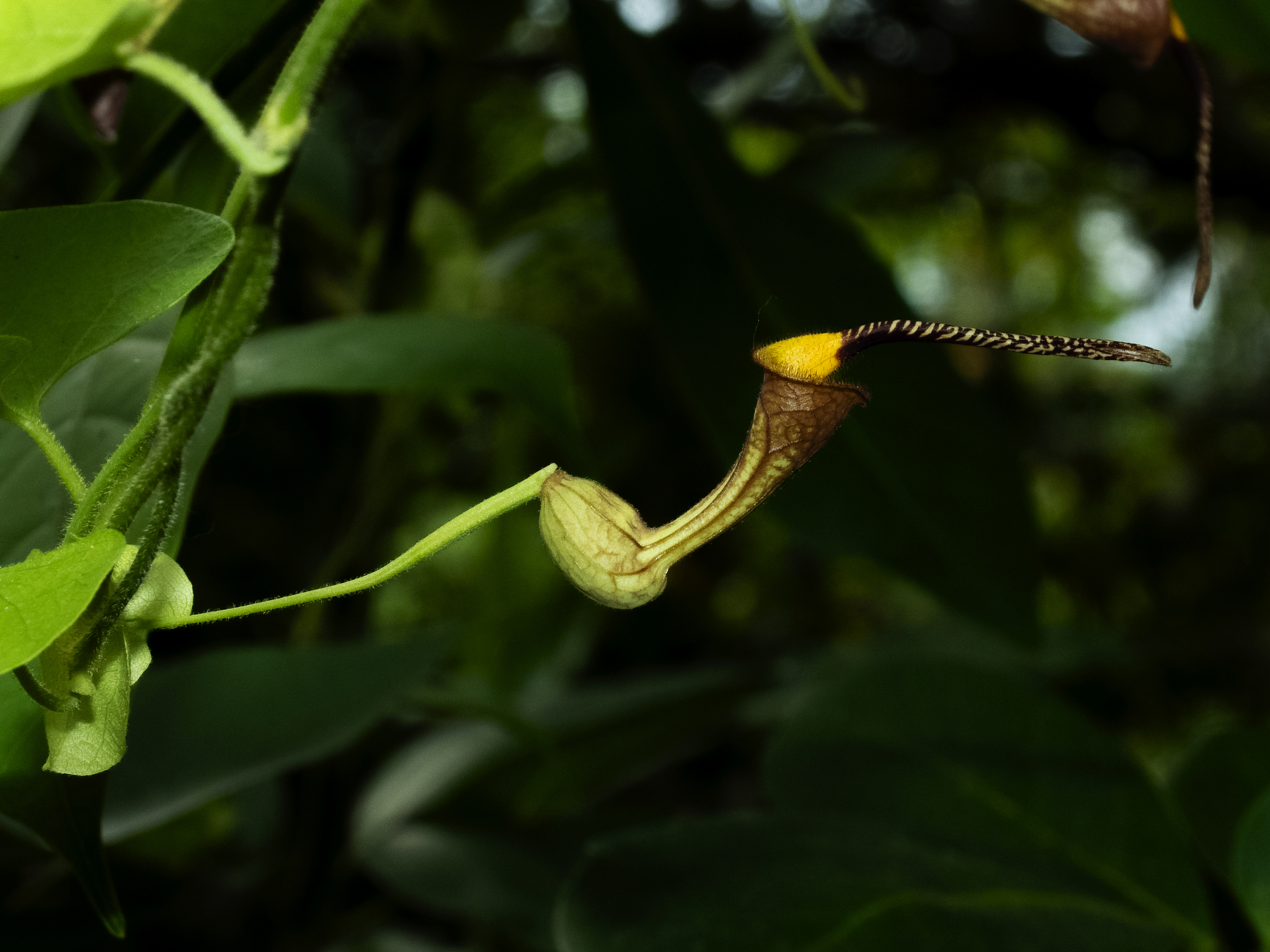
The growth habit of Aristolochia maxima is that of a vigorous, twining vine, capable of reaching considerable lengths. Its stems are woody at the base, becoming more herbaceous as they extend. The leaves are a prominent feature, being large, ovate to broadly ovate in shape, and typically measuring several inches in width and length. They are arranged alternately along the stem and possess a smooth texture. The most distinctive characteristic of Aristolochia maxima is its inflorescence. The flowers are zygomorphic and possess the characteristic pipe-like structure of the Aristolochia genus. They emerge singly or in small clusters from the leaf axils. The perianth tube is typically inflated at the base and then narrows before expanding into a broad, often trilobed limb. The coloration of the flowers can vary, but they are generally characterized by a combination of green, purplish-brown, or yellowish hues, often with intricate patterns. Following successful pollination, the plant produces a capsule fruit, which matures and contains numerous small seeds.
Aristolochia maxima is native to the southeastern United States, with its distribution primarily centered in Florida. It thrives in a variety of natural habitats, often found in moist, shaded areas, such as hammocks, swamps, and along the edges of forests. In cultivation, it prefers well-drained soil and partial to full shade, benefiting from consistent moisture, especially during establishment. While it can tolerate some sun, excessive direct sunlight may scorch its large leaves.
This species holds ecological significance as a host plant for the larvae of certain butterfly species, most notably the Pipevine Swallowtail (Battus philenor). The caterpillars feed exclusively on plants in the Aristolochia genus, sequestering aristolochic acids from the plant, which renders them unpalatable to predators. This specialized relationship highlights the plant's role in supporting local insect biodiversity. While not widely cultivated for ornamental purposes due to its vigorous growth and specific habitat needs, its large leaves and unusual flowers make it an interesting specimen for specialized gardens. Information regarding medicinal, culinary, or economic uses for Aristolochia maxima is not widely established or scientifically documented.
A fascinating adaptation observed in many Aristolochia species, including Aristolochia maxima, is the mechanism by which their flowers attract pollinators. The flowers often emit a scent that mimics decaying organic matter, attracting flies and other insects that are then trapped within the flower's tube. These trapped insects are guided by downward-pointing hairs to the reproductive organs, facilitating pollination before they are eventually released. This intricate floral biology underscores the evolutionary strategies employed by plants to ensure reproduction.
Well-draining, fertile soil. Prefers slightly acidic to neutral pH.
Temperature
Thrives in warm temperatures.
Habitat
Outdoor, Greenhouse
Fertilizer
Feed regularly during the growing season.
Care Requirements
Light
Prefers full sun to partial shade.
Protect from intense afternoon sun in very hot climates.
Water
Keep soil consistently moist but not waterlogged.
Water more frequently during hot weather and dry spells.
Soil
Well-draining, fertile soil. Prefers slightly acidic to neutral pH.
Temperature
Thrives in warm temperatures.
Ideal range is 18-25°C. Protect from frost.
Habitat
Outdoor, Greenhouse
Fertilizer
Feed regularly during the growing season.
Use a balanced liquid fertilizer every 4-6 weeks.
Plant Overview
Plant Type
Vine
Plant Category
Flowering, Ornamental
Plant Place Type
Ground, Garden, Pot
Plant Environment
Outdoor, Greenhouse
Lifespan
Perennials
Plant Height
6-10 m
Spread
6-10 m
Growth Rate
Fast
Dormancy
None in frost-free climates
Leaf Color
Green
Leaf Type
Simple
Flower Size
10-15 cm
Image Gallery
Flowering & Fruiting Cycles
Monthly activity intensity for bloom and fruit across both hemispheres.
Northern hemisphere
Flowering & fruiting calendar
Peak bloom · MayPeak fruit · Jul
FloweringFruiting
Southern hemisphere
Flowering & fruiting calendar
Peak bloom · JulPeak fruit · Aug
FloweringFruiting
Synonyms
Aristolochia biflora Willd. ex Duch.
Aristolochia dammeriana Mast.
Aristolochia geminiflora Kunth
Aristolochia oblongifolia Brandegee
Aristolochia wageneriana Schltdl.
Howardia geminiflora (Kunth) Klotzsch
Howardia golmeri Klotzsch
Howardia hoffmannii Klotzsch
Howardia maxima (Jacq.) Klotzsch
Taxonomy
kingdomPlantae
divisionTracheophyta
classMagnoliopsida
orderPiperales
familyAristolochiaceae
genusAristolochia
speciesAristolochia maxima
Toxicity
Toxic for humans
Yes
Rating: 5/5
Toxic for pets
Yes
Rating: 5/5
Edible
No
Additional Care Tips
Maintain consistent soil moisture, especially during the growing season. Allow the top inch of soil to dry slightly between waterings.
Prune to shape and control size, typically after flowering. Remove dead or damaged stems anytime. Vigorous growth may require regular thinning.
Easily propagated from seeds sown in spring or from semi-hardwood cuttings taken in summer. Germination can be slow.
Repot young plants annually or as needed to provide fresh soil and more space. Mature plants can be repotted every 2-3 years.
FAQs
Is Aristolochia maxima poisonous to pets?
Yes, Aristolochia maxima is considered toxic to pets. Ingestion can cause gastrointestinal upset and other symptoms, so keep pets away from this plant.
What are the flowering characteristics of Aristolochia maxima?
Aristolochia maxima produces large, distinctive pipe-shaped flowers, typically 10-15 cm in size, with colors ranging from yellow to brown and purple, appearing in summer and fall.
How often should I water Aristolochia maxima?
Water regularly to keep the soil consistently moist but not waterlogged. Reduce watering slightly during cooler periods, but do not let the soil dry out completely.
Can Aristolochia maxima be grown indoors?
While it prefers outdoor conditions, Aristolochia maxima can be grown indoors in a greenhouse or a very bright location with adequate space. It requires consistent warmth and light.
What kind of soil does Aristolochia maxima prefer?
This vine thrives in well-draining, fertile soil. It prefers a slightly acidic to neutral pH and benefits from good aeration.