Water
Water consistently when the top 2-3 cm of soil feels dry. Avoid overwatering, as this can lead to root rot. Reduce watering during winter dormancy.
Ensure good drainage to prevent waterlogged conditions, which Chrysopsis floridana dislikes.
Also known as Florida Golden-Aster
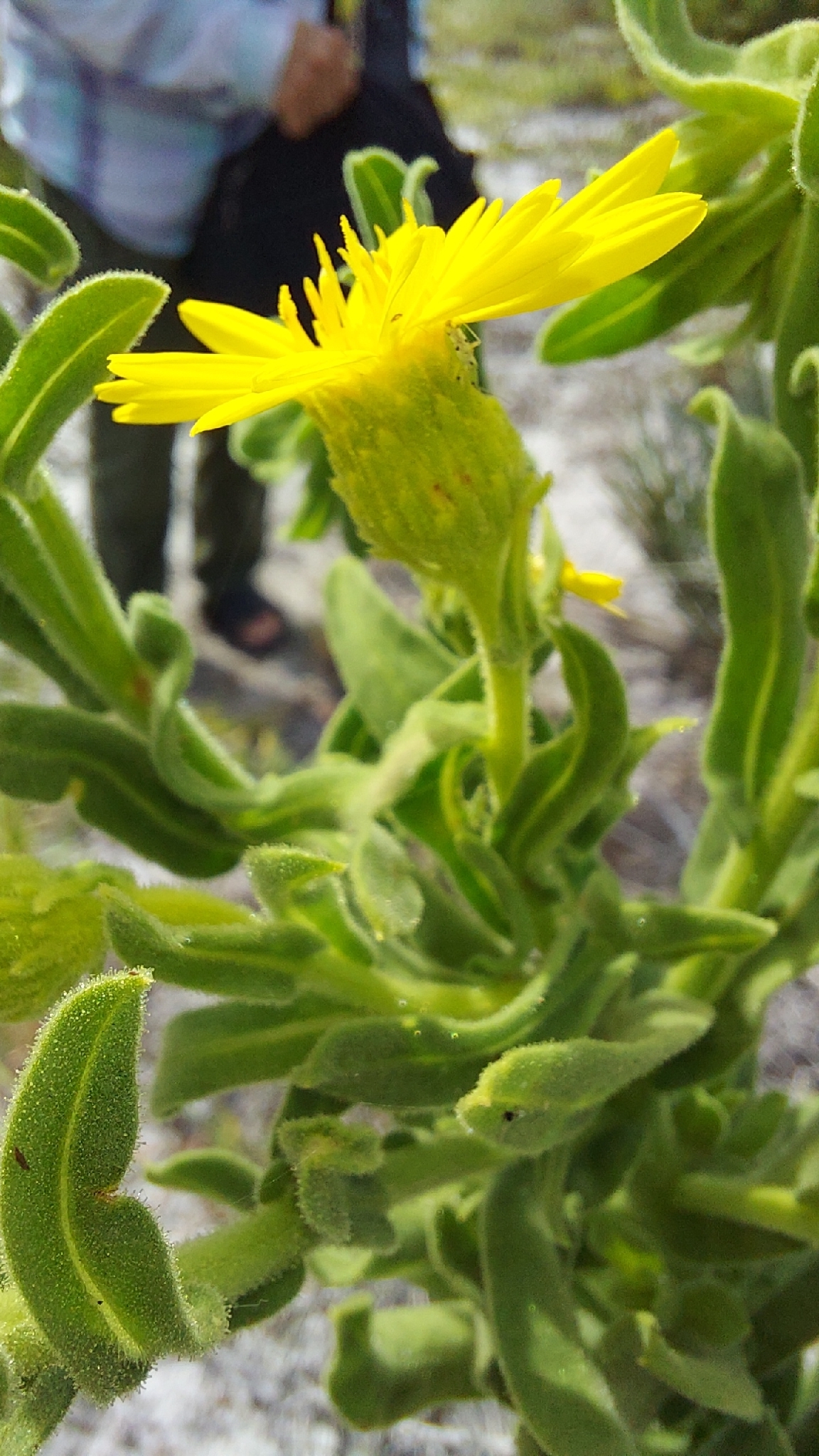
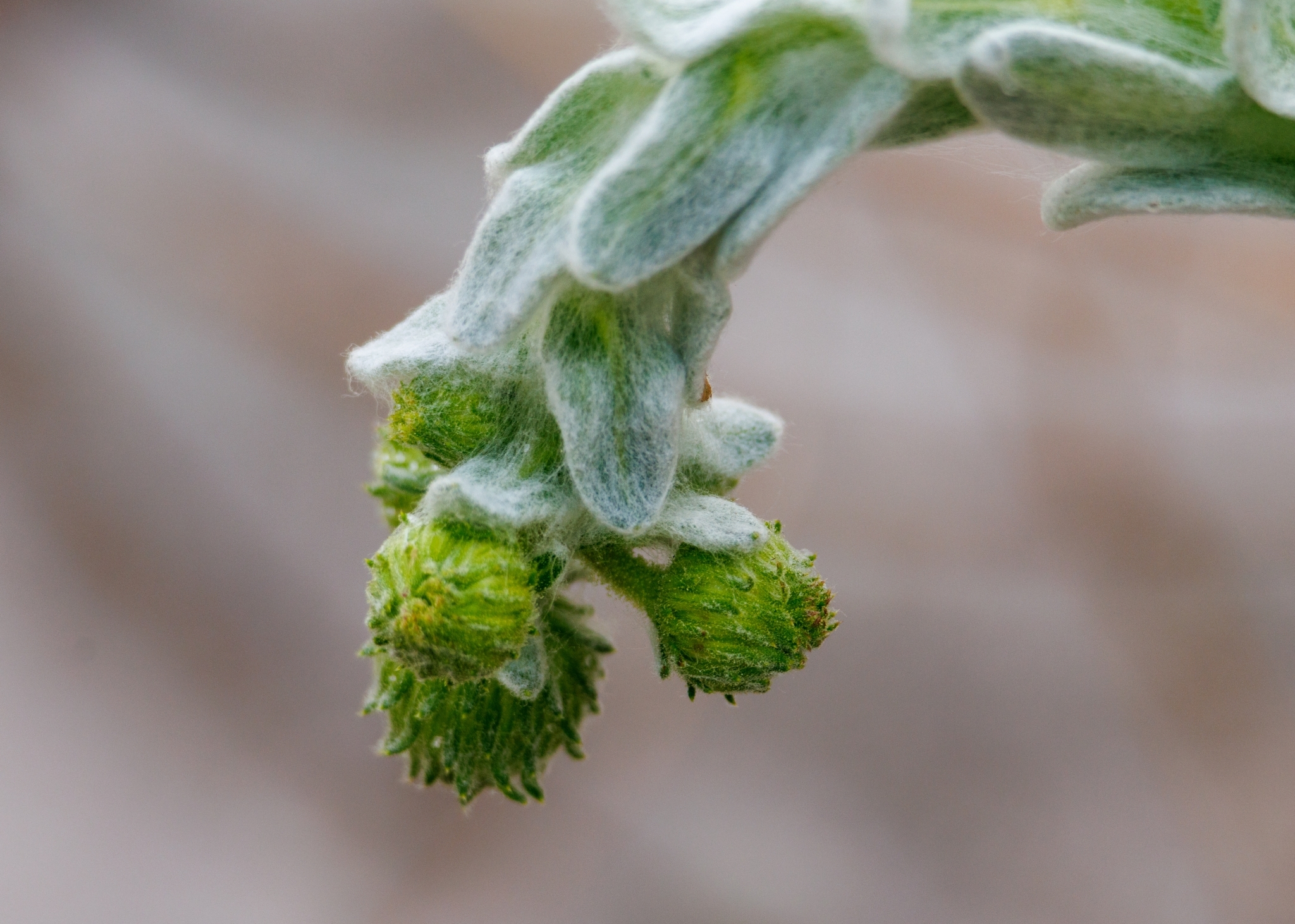
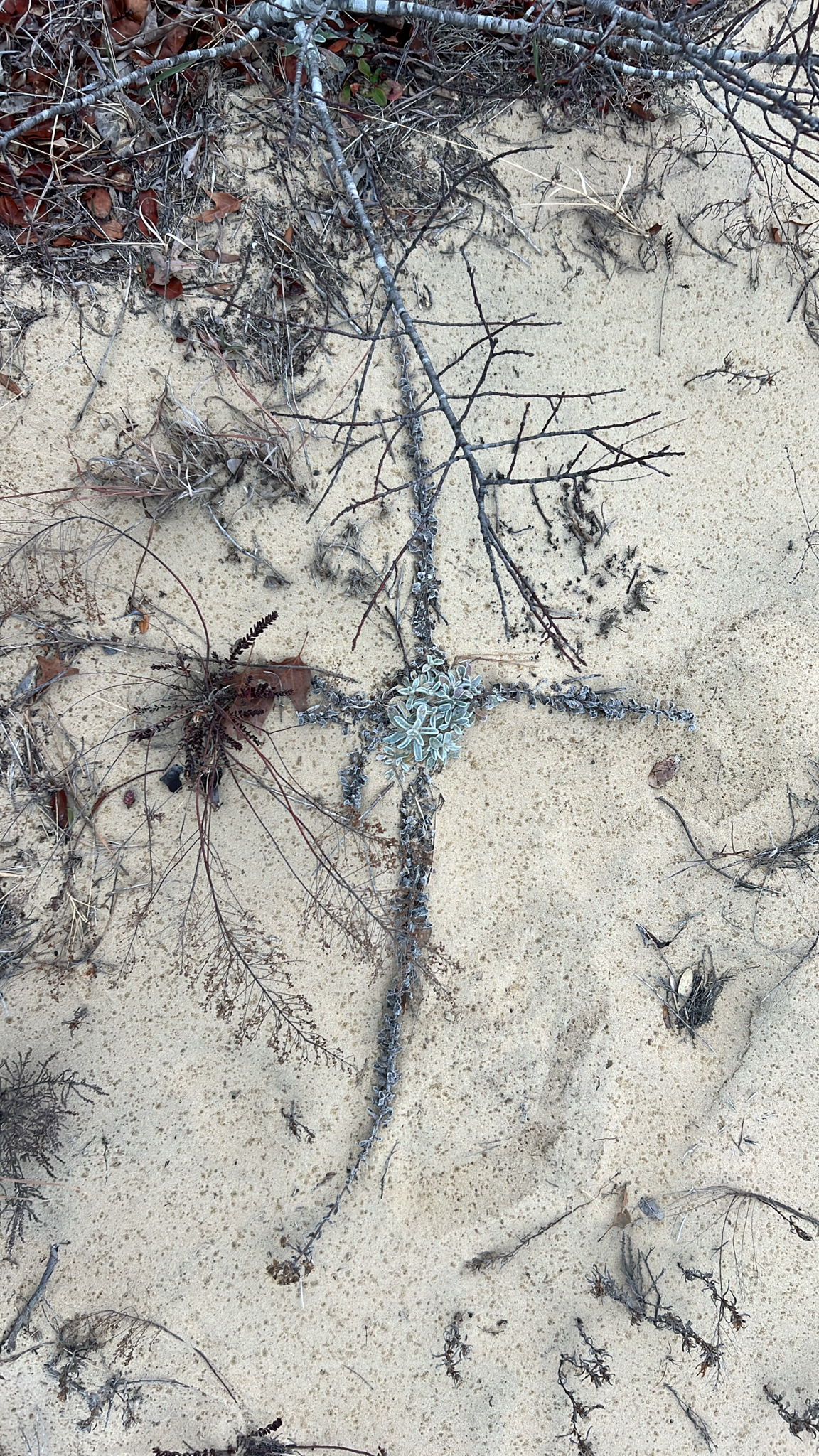
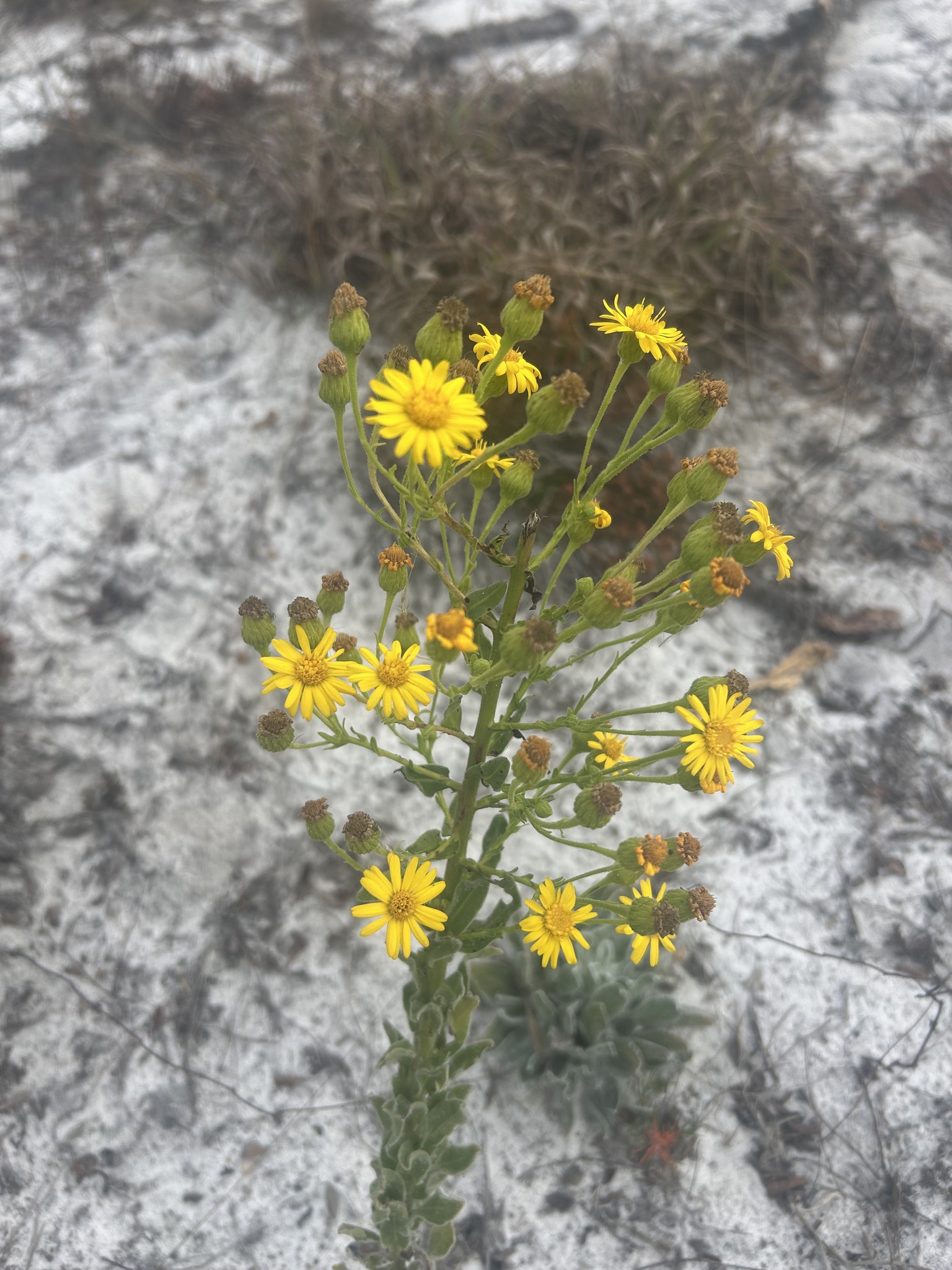
Florida Goldenaster (Chrysopsis floridana) is a perennial wildflower native to Florida, known for its bright yellow, daisy-like flowers that bloom from summer to fall, at
At-a-glance light, water, soil, and growing conditions from plant data
Full Sun
100% intensity
Prefers at least 6 hours of direct sunlight daily for best flowering and growth.
Moderate
50% intensity
Allow soil to dry slightly between waterings. Ensure good drainage.
Well-drained
50% intensity
Moderate
50% intensity
Thrives in average room temperatures between 18-24°C. Can tolerate cooler temperatures in winter.
Low
25% intensity
Fertilize lightly in spring with a balanced fertilizer. Avoid over-fertilizing.
Safety information from plant toxicity data
| Attribute | Value |
|---|---|
| Toxic for humans | No 0/5 intensity |
| Toxic for pets | No 0/5 intensity |
Key traits and growing stats from plant data
Watering, pruning, propagation, and repotting details from plant data
Water consistently when the top 2-3 cm of soil feels dry. Avoid overwatering, as this can lead to root rot. Reduce watering during winter dormancy.
Ensure good drainage to prevent waterlogged conditions, which Chrysopsis floridana dislikes.
Deadhead spent flowers regularly to encourage more blooming and maintain a tidy appearance. In late fall or early spring, cut back the old foliage to about 10-15 cm above the ground to promote new growth.
This also helps prevent disease.
Propagate by division of established clumps in early spring or fall. Seeds can be sown in fall or early spring. Cuttings can also be taken in late spring or early summer and rooted in moist, well-draining medium.
Repot young plants every 1-2 years, or when they become root-bound, typically in early spring before new growth begins. Mature plants can be divided and repotted less frequently. Use a well-draining potting mix.
Identify plants like this with ePlant AI
Snap a photo to get care tips and match similar species on the go.
Monthly activity intensity for bloom and fruit across both hemispheres.
Flowering & fruiting calendar
Flowering & fruiting calendar
Photos of Florida Goldenaster (Chrysopsis floridana)
Common names and botanical synonyms
Botanical classification
| Rank | Name |
|---|---|
| Kingdom | Plantae |
| Division | Tracheophyta |
| Class | Magnoliopsida |
| Order | Asterales |
| Family | Asteraceae |
| Genus | Chrysopsis |
| Species | Chrysopsis floridana |
Similar in genus Chrysopsis
Answers based on plant encyclopedia data