Flowering Plum (Prunus triloba) – Growing Guide, Benefits & Care | ePlant AI
Flowering Plum (Prunus triloba)
Prunus triloba, commonly known as Flowering Plum, is a deciduous shrub celebrated for its abundant double pink flowers in early spring.
Prunus triloba, commonly known as the Flowering Plum, is a striking deciduous shrub or small tree celebrated for its spectacular spring floral display. This species is a member of the Rosaceae family, which also includes roses, apples, and cherries, and it shares the characteristic beauty of its close relatives. Its ornamental value lies primarily in its profuse blooming, making it a highly sought-after plant for gardens and landscapes.
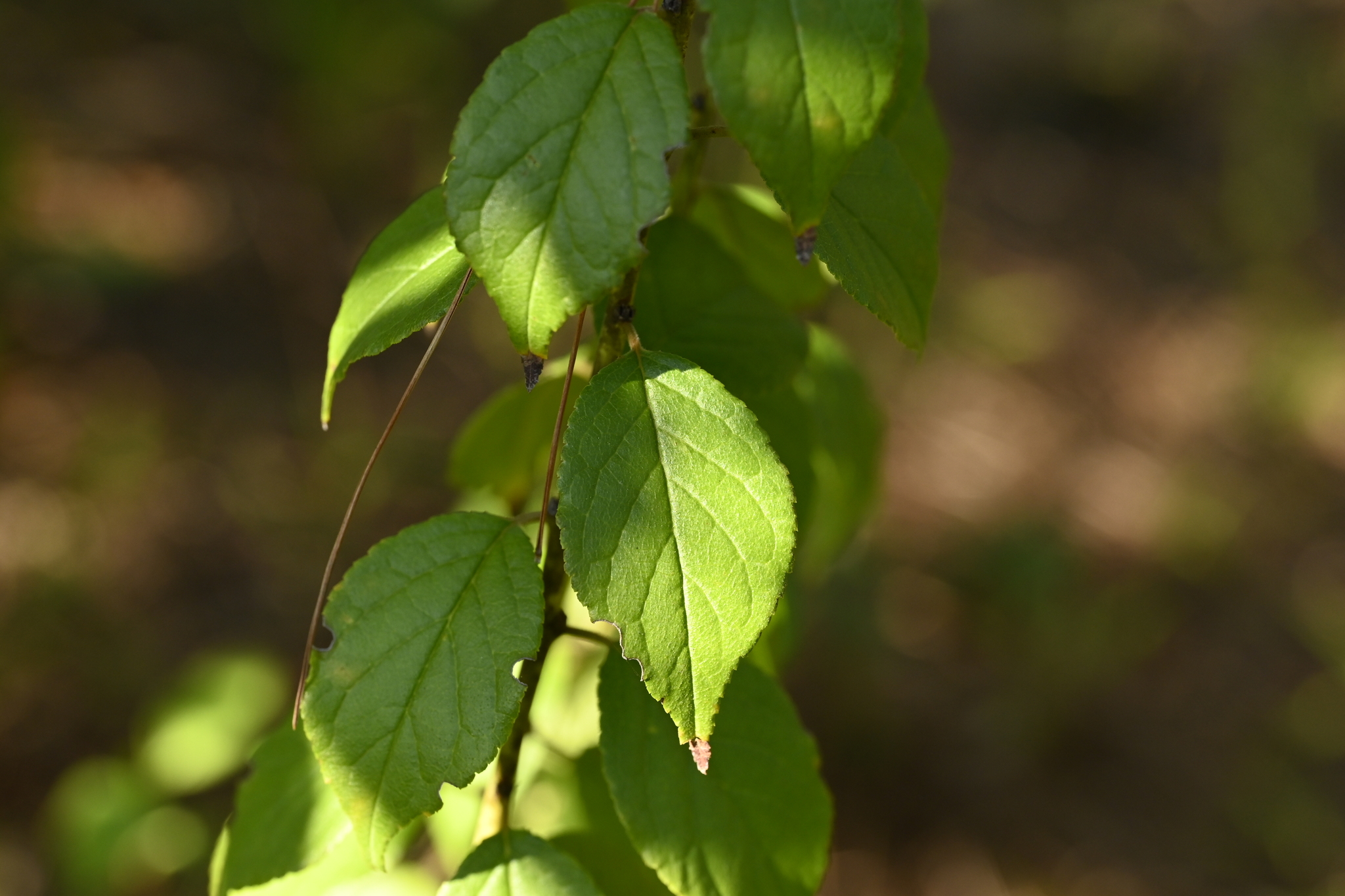
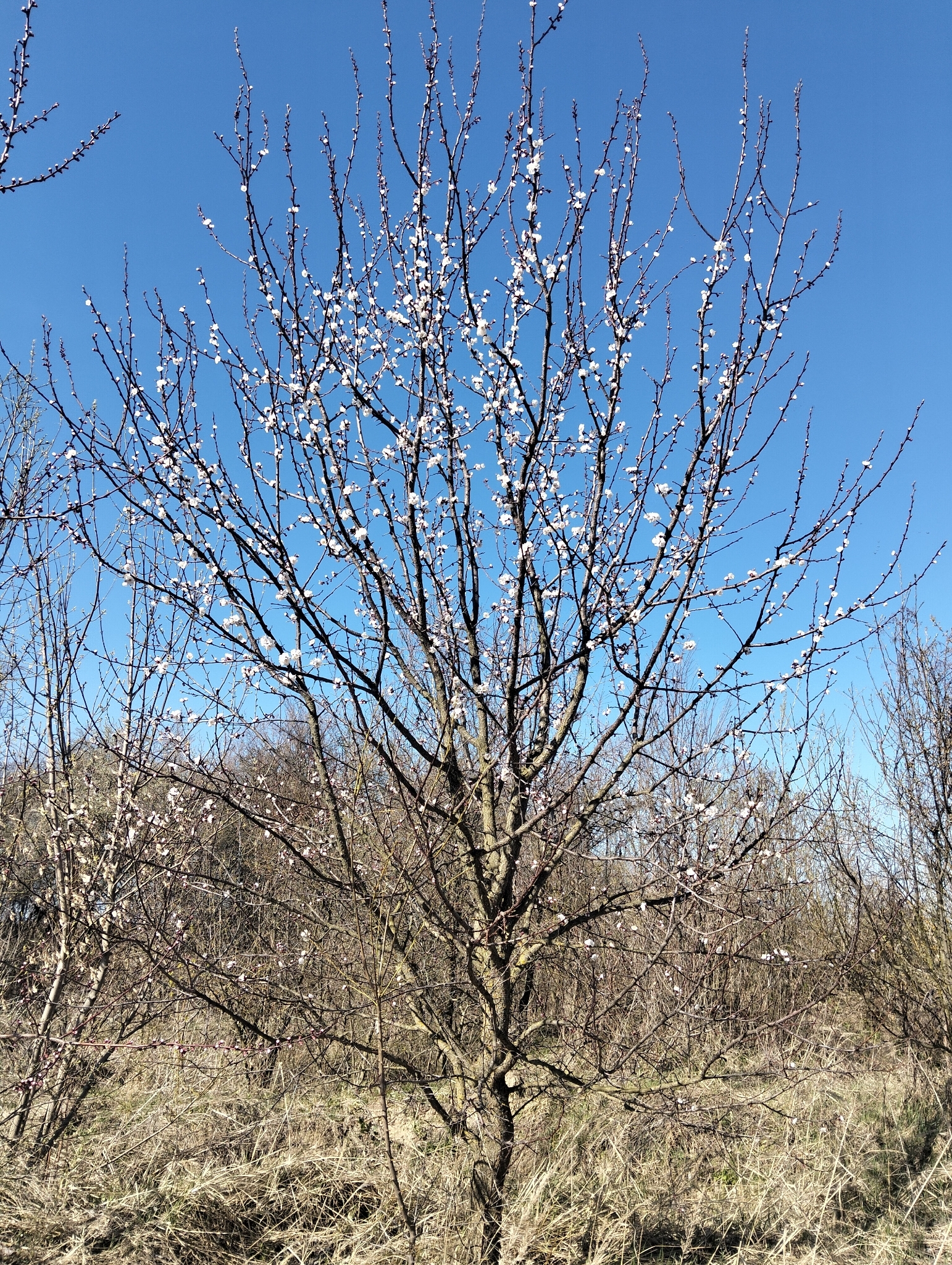
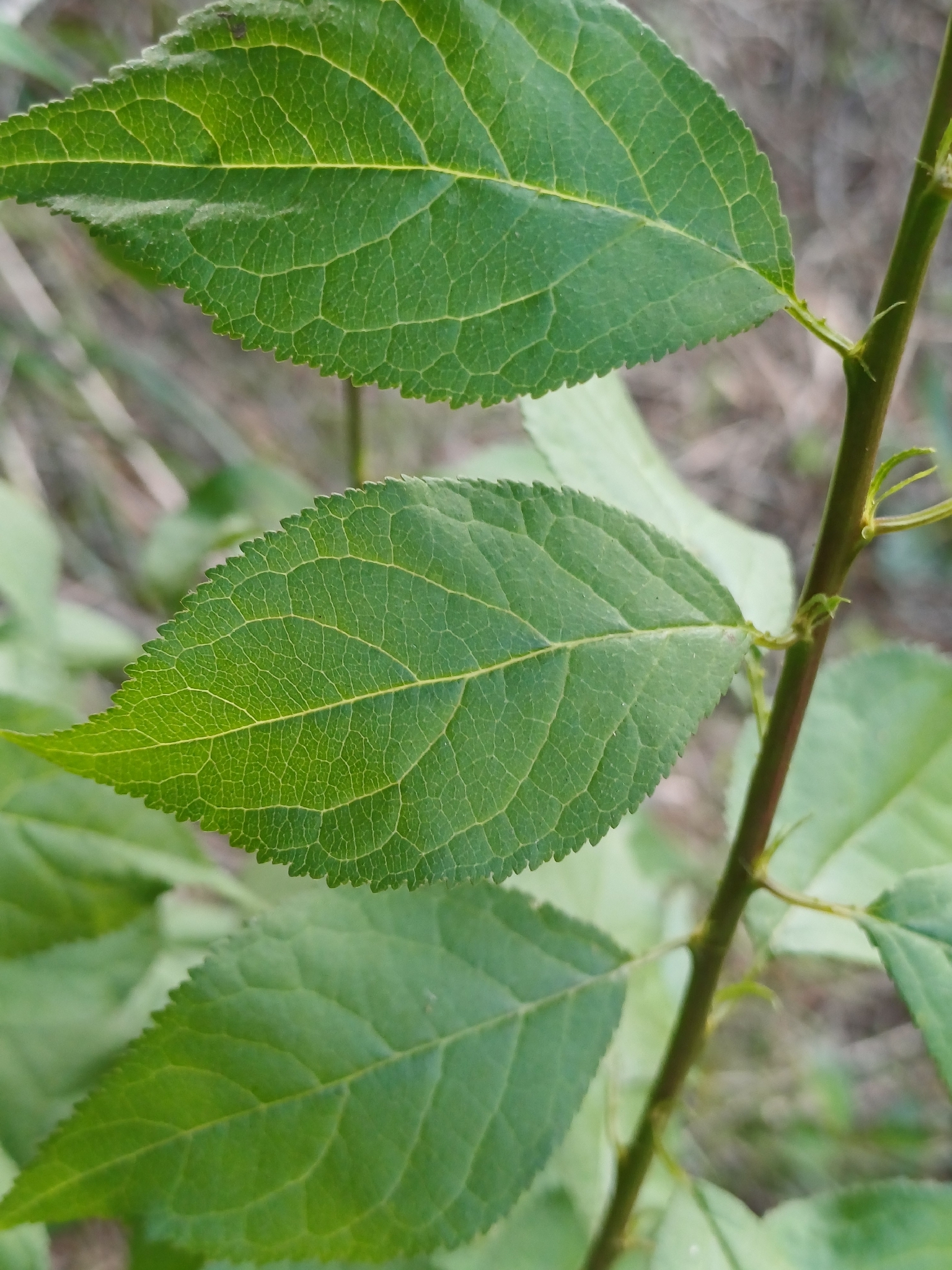
The growth habit of Prunus triloba is typically upright and spreading, forming a dense, multi-stemmed shrub or a small tree that can reach heights of 10 to 20 feet with a similar spread. Its leaves are ovate to obovate, measuring about 2 to 4 inches in length, with serrated margins and a pointed apex. The foliage is a medium green during the growing season, turning to shades of yellow or reddish-brown in the autumn. The most distinctive feature of Prunus triloba is its abundant flowers, which emerge in early to mid-spring, often before the leaves fully develop. These flowers are typically double, meaning they have multiple petals, and are a vibrant pink or rose color. They are borne singly or in pairs along the branches, creating a breathtaking spectacle of color that can last for several weeks. The fruit of Prunus triloba is a small, drupe-like structure, typically less than an inch in diameter, which is usually not considered significant for consumption and is often sparse. The bark is generally smooth and grayish-brown.
Prunus triloba is native to the temperate regions of China. It thrives in full sun to partial shade and prefers well-drained soil. While it can tolerate a range of soil types, it performs best in fertile, loamy soils. It is generally hardy and adaptable to various climates, making it a popular choice in many temperate gardening zones. Regular watering is beneficial, especially during dry periods, but it is important to avoid waterlogged conditions. Pruning is often done after flowering to maintain shape and encourage vigorous growth and flowering in subsequent years.
The primary importance of Prunus triloba is ornamental, providing significant visual appeal in spring landscapes. Its dense flowering habit makes it an excellent specimen plant, a focal point in borders, or a component of shrub borders. While not cultivated for fruit or medicinal purposes, its aesthetic contribution to gardens and public spaces is well-established.
An interesting characteristic of Prunus triloba is the variability in its flower form, with cultivars often selected for their particularly showy double flowers, which are sterile and do not produce fruit. This sterility contributes to its extended bloom period as the plant does not expend energy on fruit development. The vibrant display of its flowers also serves as an early nectar source for pollinators emerging in the spring.
Well-drained soil is essential. Prefers loamy or sandy soils with a slightly acidic to neutral pH.
Temperature
Prefers moderate temperatures.
Habitat
Outdoor
Fertilizer
Feed in early spring.
Care Requirements
Light
Full sun to partial shade.
Prefers at least 6 hours of direct sun.
Water
Moderate, consistent moisture.
Avoid waterlogged soil.
Soil
Well-drained soil is essential. Prefers loamy or sandy soils with a slightly acidic to neutral pH.
Temperature
Prefers moderate temperatures.
Tolerates a range of 15-25°C during the growing season.
Habitat
Outdoor
Fertilizer
Feed in early spring.
Use balanced fertilizer; avoid over-fertilizing.
Plant Overview
Plant Type
Shrub
Plant Category
Flowering, Ornamental
Plant Place Type
Ground, Garden, Pot
Plant Environment
Outdoor
Lifespan
Perennials
Plant Height
1.5-3 m
Spread
1.5-3 m
Growth Rate
Moderate
Dormancy
Yes
Leaf Color
Green
Leaf Type
Simple
Flower Size
2.5-3 cm
Image Gallery
Flowering & Fruiting Cycles
Monthly activity intensity for bloom and fruit across both hemispheres.
Northern hemisphere
Flowering & fruiting calendar
Peak bloom · AprPeak fruit · Oct
FloweringFruiting
Southern hemisphere
Flowering & fruiting calendar
Peak bloom · DecPeak fruit · Jan
FloweringFruiting
Synonyms
Amygdalopsis lindleyi Carrière
Amygdalus petzoldii (K.Koch) Ricker
Amygdalus triloba (Lindl.) Ricker
Cerasus triloba (Lindl.) A.I.Baranov & Liou
Louiseania triloba (Lindl.) Pachom.
Persica triloba (Lindl.) Drobow
Prunopsis lindleyi (Carrière) André
Prunus petzoldii K.Koch
Taxonomy
kingdomPlantae
divisionTracheophyta
classMagnoliopsida
orderRosales
familyRosaceae
genusPrunus
speciesPrunus triloba
Toxicity
Toxic for humans
No
Rating: 0/5
Toxic for pets
No
Rating: 0/5
Edible
No
The plant parts are not considered toxic to humans or pets.
Additional Care Tips
Water consistently, particularly during dry spells, to maintain moderate soil moisture. Avoid waterlogged conditions which can lead to root rot.
Prune immediately after flowering to shape the plant and remove any dead, damaged, or crossing branches. Avoid late-season pruning, as it can remove flower buds for the following year.
Easily propagated from softwood cuttings taken in early summer. Can also be propagated by grafting onto suitable rootstock, typically in late winter or early spring.
Repot container-grown plants every 2-3 years in spring before new growth begins. Use a well-draining potting mix and a slightly larger pot to accommodate root growth.
FAQs
When is the best time to prune Flowering Plum?
Prune Flowering Plum immediately after it finishes blooming in spring. This allows the plant to recover and set buds for the next year's flowers.
Why is my Flowering Plum not blooming well?
Insufficient sunlight, improper pruning (pruning too late in the season), or poor soil conditions can all lead to reduced flowering. Ensure it receives adequate sun and is pruned correctly.
Does Flowering Plum attract pollinators?
While the double flowers are beautiful, they are often sterile and less accessible to pollinators compared to single-flowered varieties. However, they can still provide some early-season nectar.
How often should I water a Flowering Plum?
Water regularly, especially during dry periods, to keep the soil consistently moist but not waterlogged. Reduce watering slightly once established, but do not let the soil dry out completely.
Can Flowering Plum be grown in a pot?
Yes, Flowering Plum can be grown in a large pot or container. Ensure the pot has good drainage and use a quality potting mix. Repot every 2-3 years.