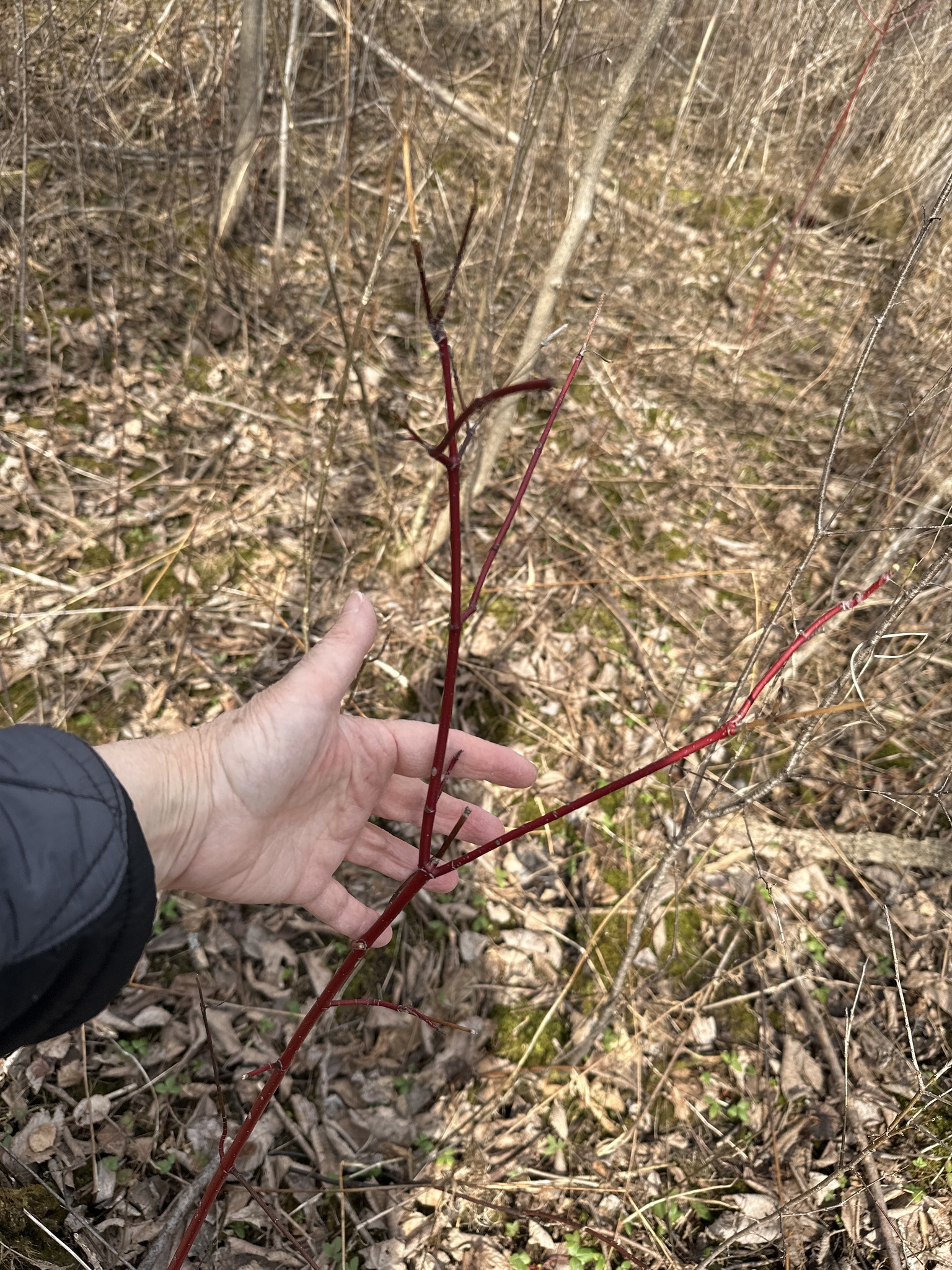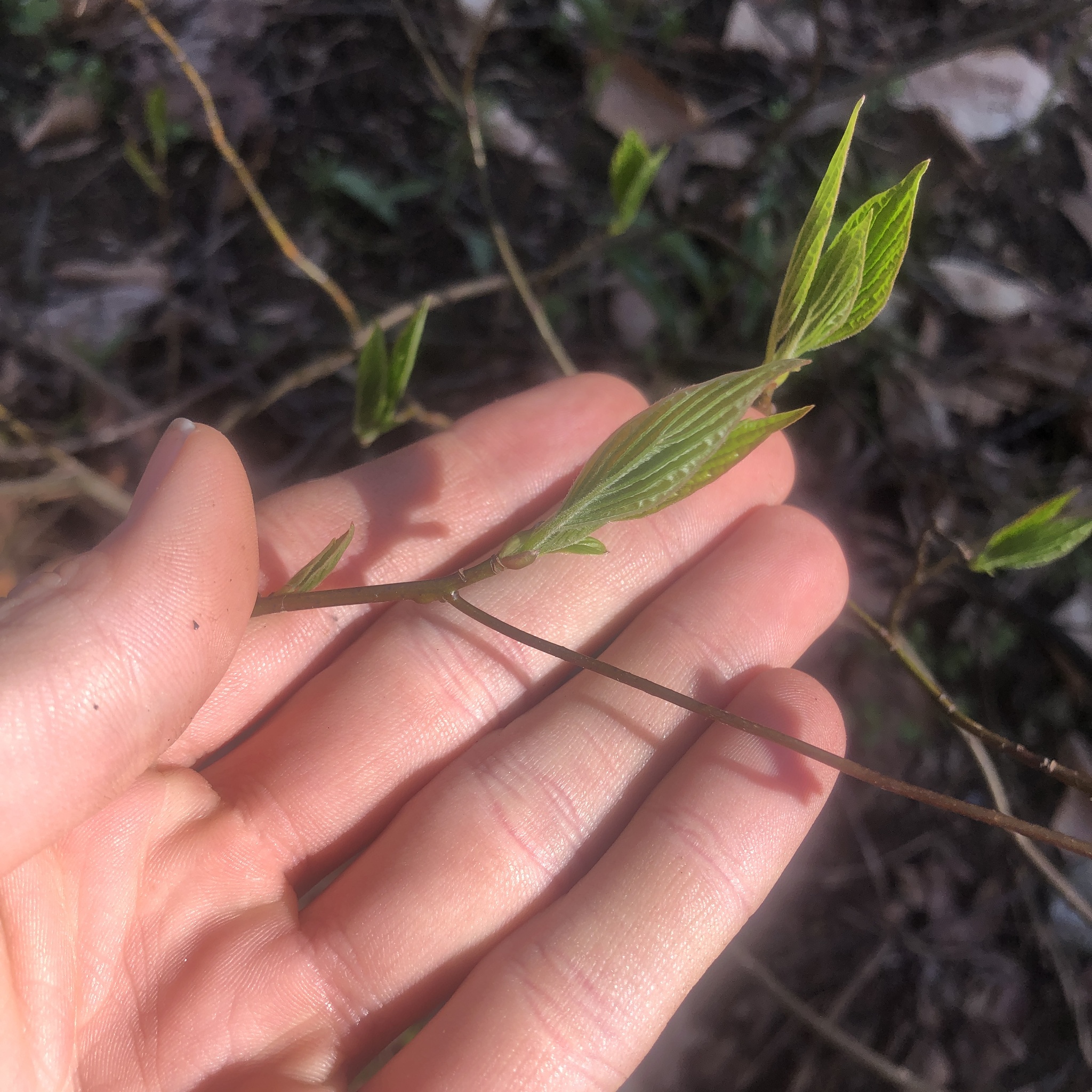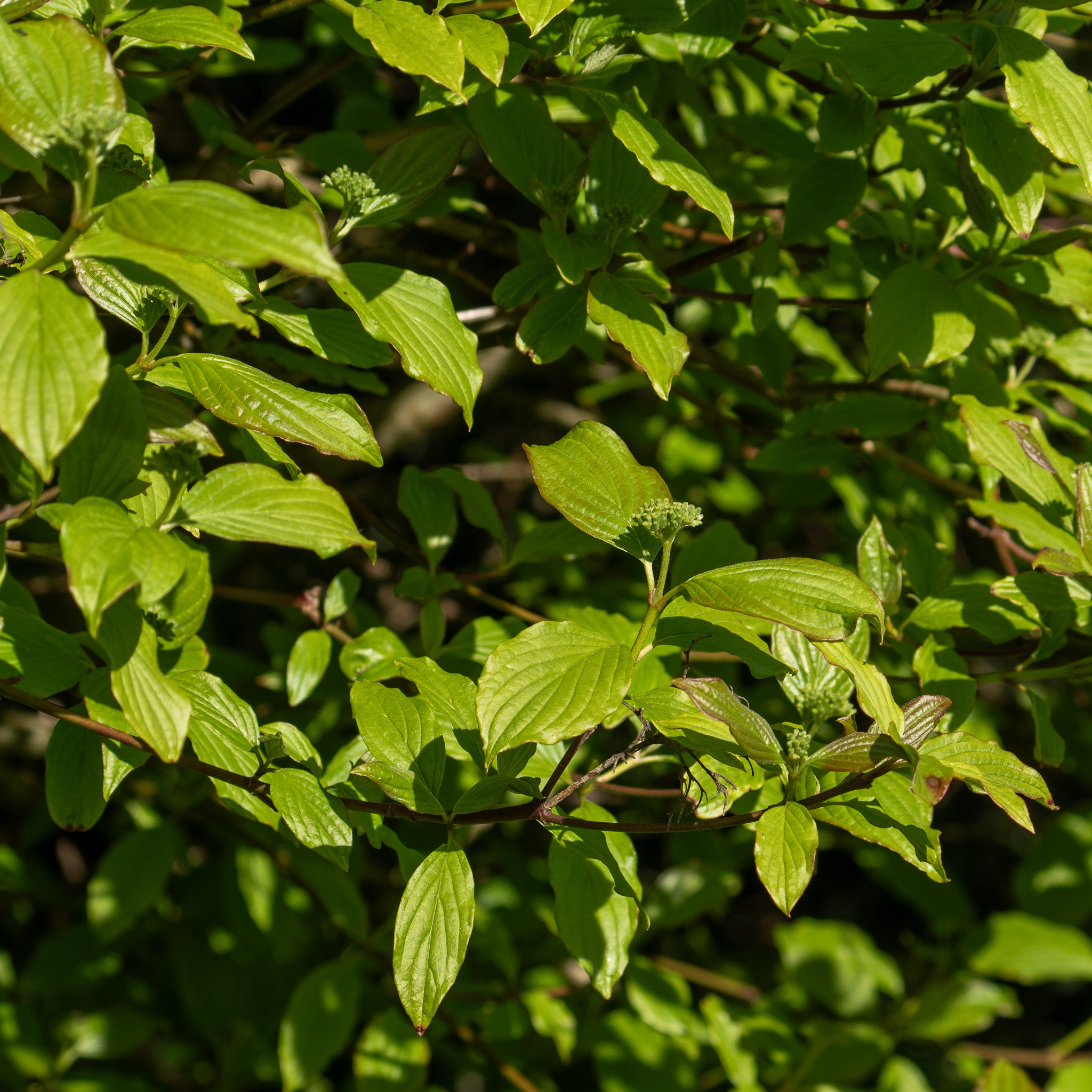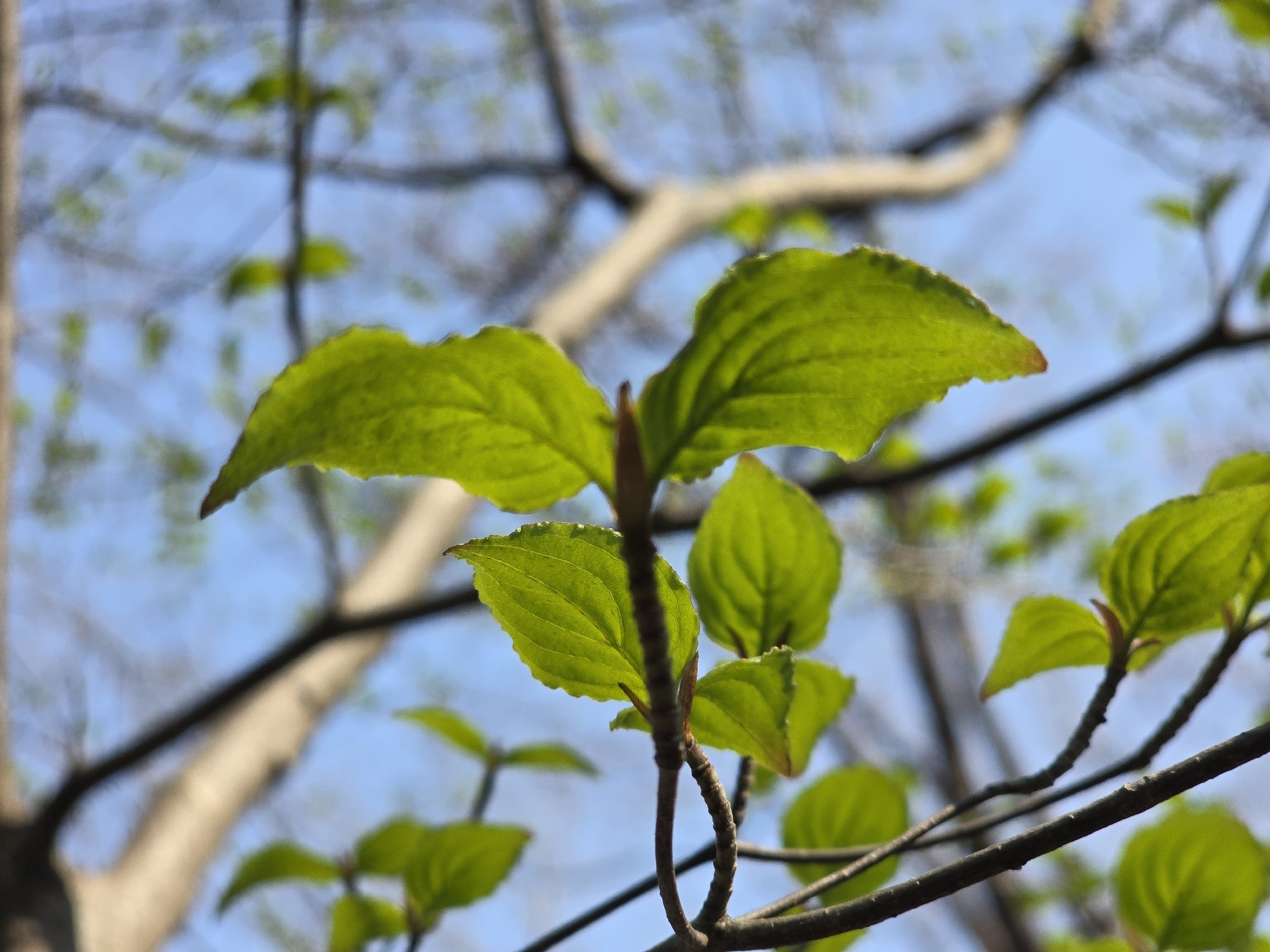
Cornus florida, or Flowering Dogwood, is a deciduous tree known for its striking white or pink bracts in spring, vibrant autumn foliage, and red berries. It is a popular
Above information is sourced from Wikipedia
Sunlight
Partial shade to full sun, prefers afternoon shade in hot climates.
Watering
Consistent moisture, especially when young and during dry spells.
Soil
Well-drained, acidic (pH 5.5-6.5), rich in organic matter. Avoid heavy clay soils or excessively sandy conditions.
Temperature
Hardy in temperate climates, tolerates wide range.
Habitat
Outdoor
Fertilizer
Light feeding in spring for young trees, less for mature.
Partial shade to full sun, prefers afternoon shade in hot climates.
Consistent moisture, especially when young and during dry spells.
Well-drained, acidic (pH 5.5-6.5), rich in organic matter. Avoid heavy clay soils or excessively sandy conditions.
Hardy in temperate climates, tolerates wide range.
Outdoor
Light feeding in spring for young trees, less for mature.
Plant Type
Tree, Shrub
Plant Category
Flowering, Ornamental
Plant Place Type
Ground, Garden
Plant Environment
Outdoor
Lifespan
Perennials
Plant Height
6-9 m
Spread
6-9 m
Growth Rate
Medium
Dormancy
Deciduous
Leaf Color
Green, Red, Purple
Leaf Type
Simple, opposite, ovate
Flower Size
7-10 cm
Optimal Sunlight Lux
40000
Monthly activity intensity for bloom and fruit across both hemispheres.
Flowering & fruiting calendar
Toxic for humans
Yes
Rating: 2/5
Toxic for pets
Yes
Rating: 2/5
Edible
No
All parts, especially the red berries and bark, contain compounds that can cause mild gastrointestinal upset if ingested by humans or pets.