Water
Water regularly, especially during flowering and fruiting. Keep the soil consistently moist but not waterlogged. Reduce watering as fruits mature to prevent splitting.
Ensure good drainage to avoid root rot, particularly in containers.
Also known as Bahat · Citron-Melon · Fodder-Melon
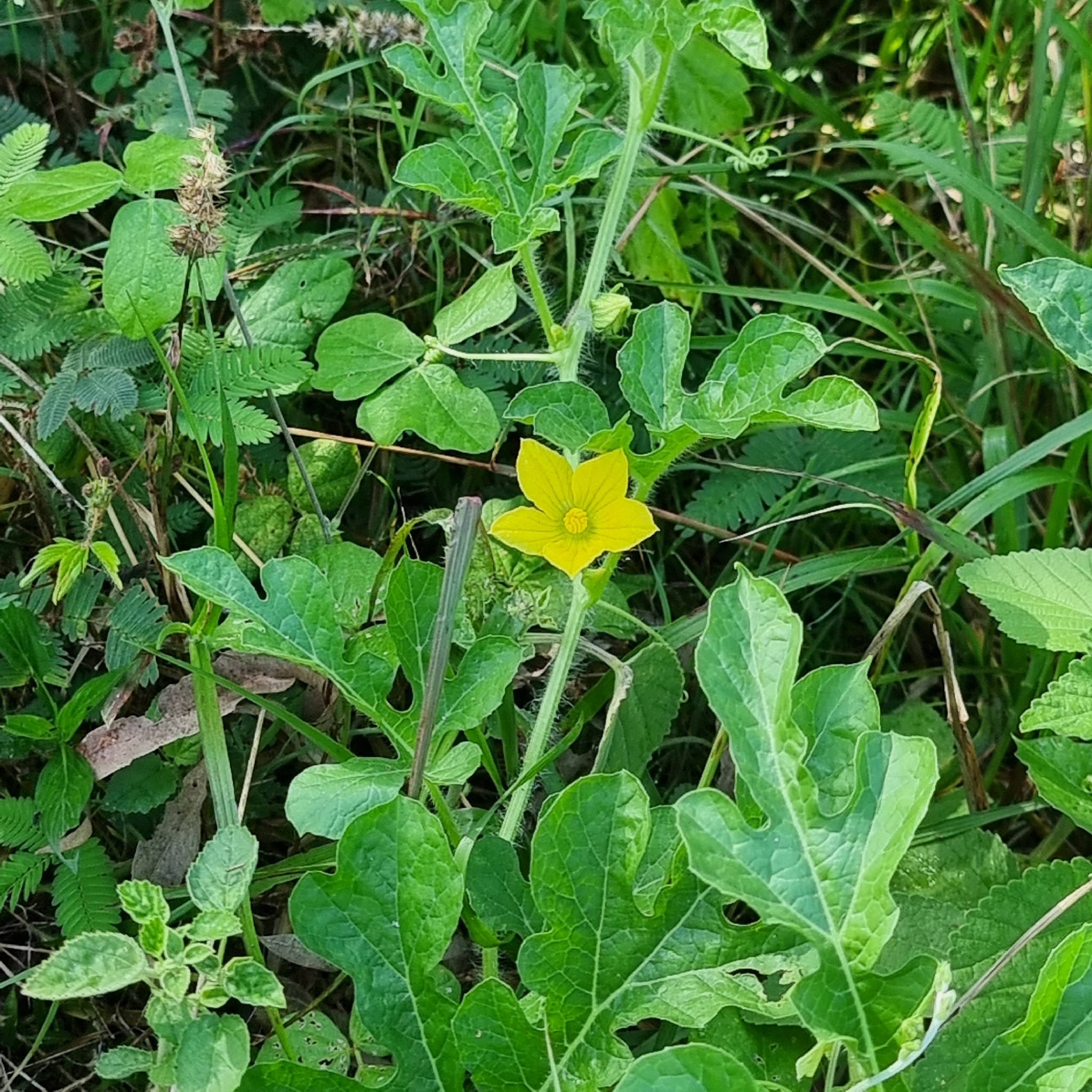
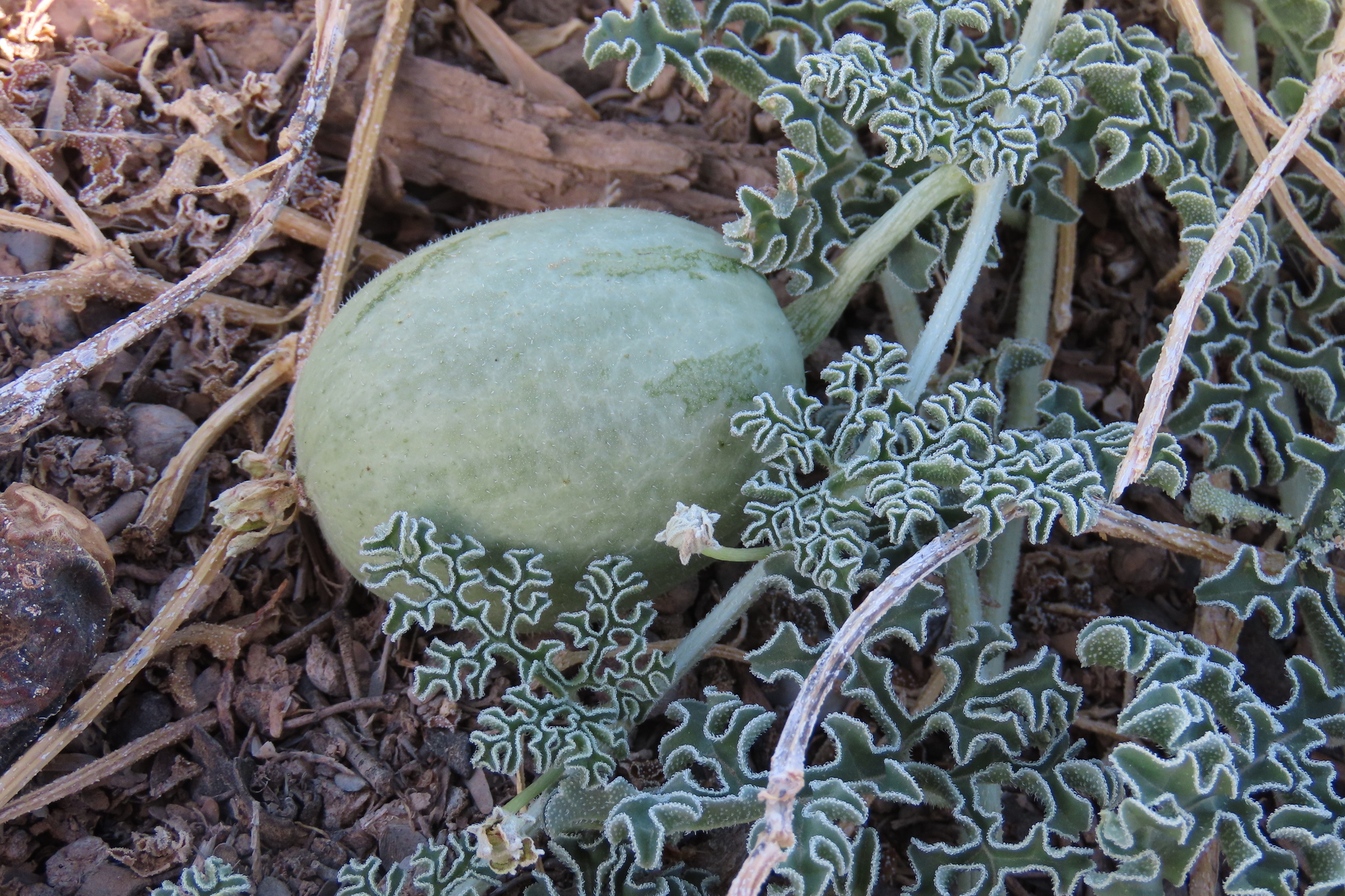
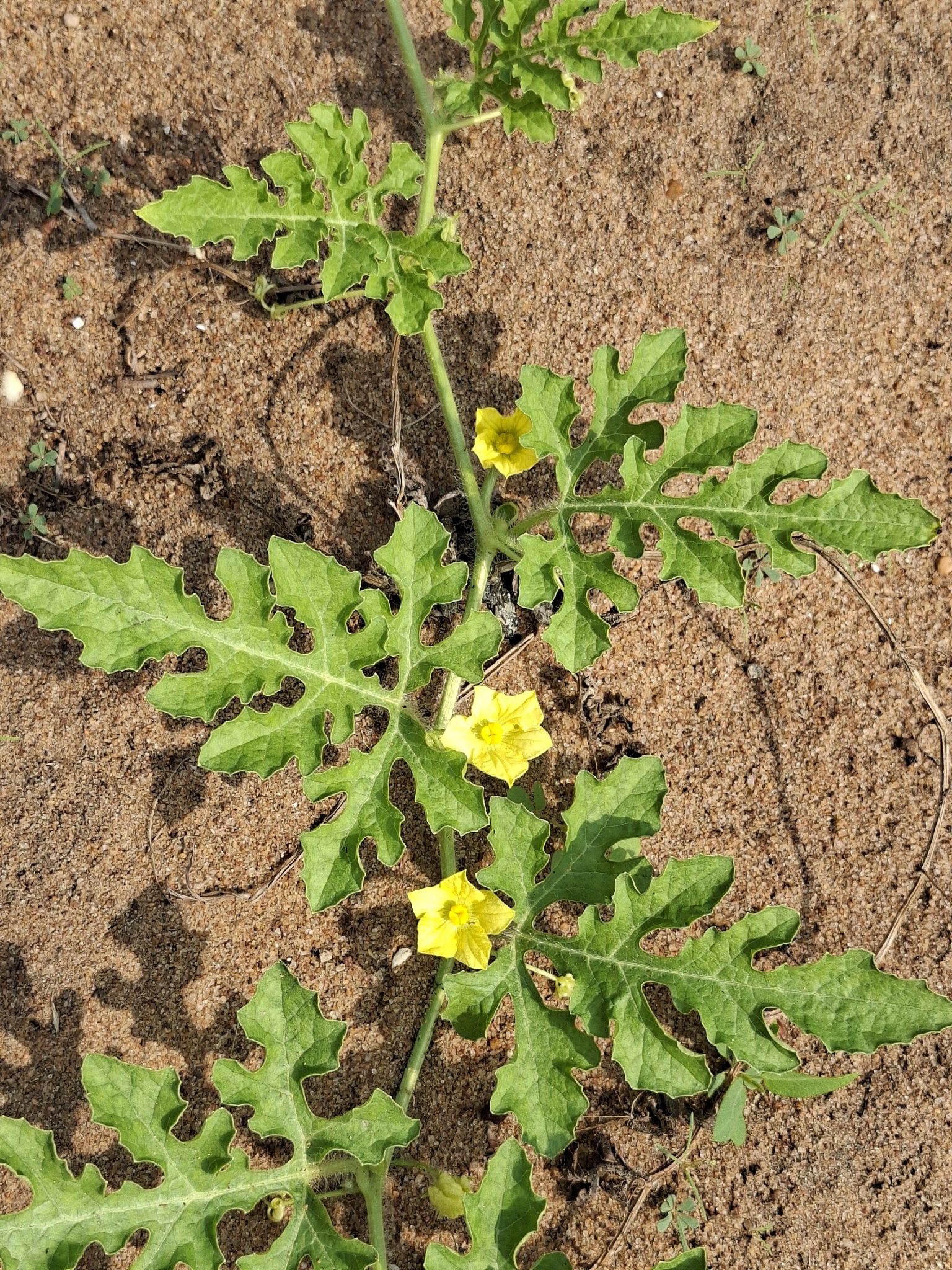
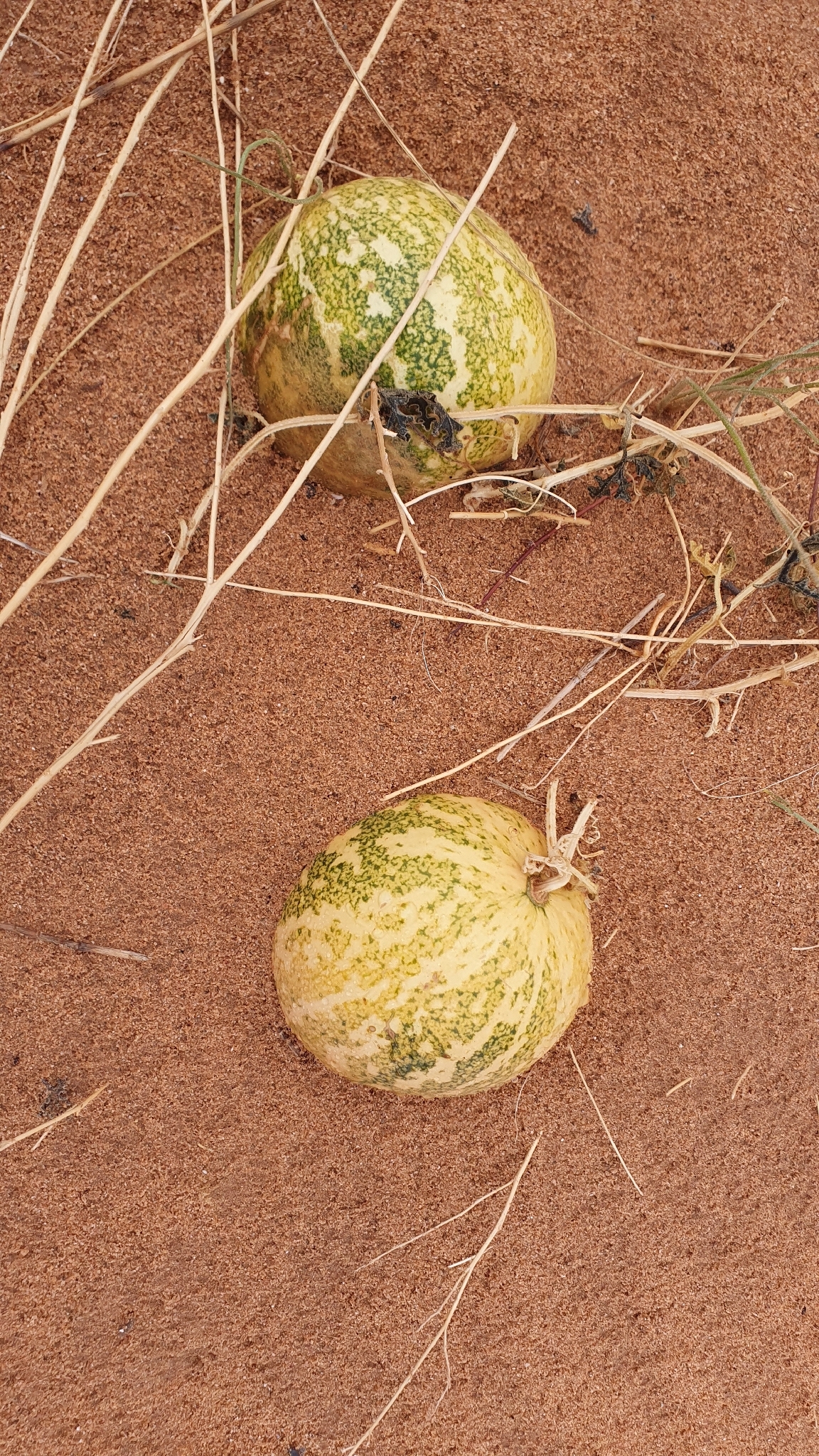
Tsamma Melon (Citrullus amarus) is a wild watermelon species native to arid regions of Southern Africa, valued for its drought tolerance and edible fruit.
At-a-glance light, water, soil, and growing conditions from plant data
Full Sun
100% intensity
Requires at least 6-8 hours of direct sunlight daily for optimal growth and fruit production.
Moderate
50% intensity
Keep soil consistently moist, but not waterlogged. Reduce watering as fruits mature.
Sandy, Loam, Well-drained
50% intensity
Warm
75% intensity
Thrives in warm temperatures, ideally between 21-30°C. Protect from frost.
Moderate
50% intensity
Balanced fertilizer during growing season, higher in phosphorus and potassium for fruiting.
Safety information from plant toxicity data
| Attribute | Value |
|---|---|
| Toxic for humans | No 0/5 intensity |
| Toxic for pets | No 0/5 intensity |
| Edible | Yes |
None
Key traits and growing stats from plant data
Watering, pruning, propagation, and repotting details from plant data
Water regularly, especially during flowering and fruiting. Keep the soil consistently moist but not waterlogged. Reduce watering as fruits mature to prevent splitting.
Ensure good drainage to avoid root rot, particularly in containers.
Pruning is generally not required for Tsamma melons. If vines become excessively tangled or overgrown, light pruning can improve air circulation and manage space.
Focus on removing dead or diseased stems to maintain plant health.
Propagate Tsamma melons from seeds sown directly into the garden after the last frost, or start them indoors 2-4 weeks prior. Seeds require warm soil (21-30°C) for germination.
Transplant seedlings carefully to avoid root disturbance.
Repotting is not typically necessary for Tsamma melons grown in the ground. For container-grown plants, repot into a larger container if root-bound, usually when seedlings are transplanted or if growth seems stunted.
Identify plants like this with ePlant AI
Snap a photo to get care tips and match similar species on the go.
Monthly activity intensity for bloom and fruit across both hemispheres.
Flowering & fruiting calendar
Flowering & fruiting calendar
Photos of Tsamma Melon (Citrullus amarus)
Where Tsamma Melon (Citrullus amarus) is found
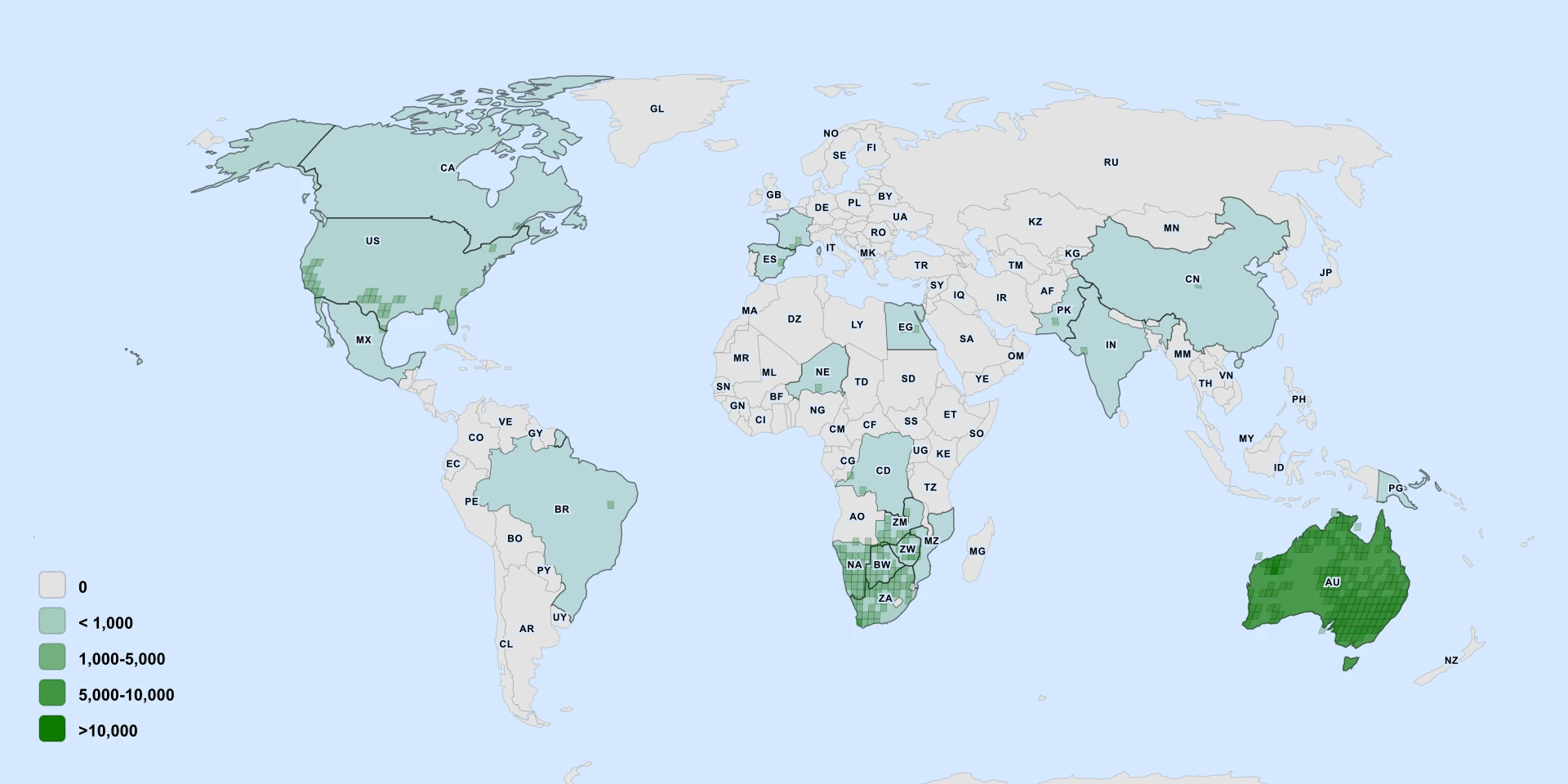
Density
Tap map to explore
Common names and botanical synonyms
Botanical classification
| Rank | Name |
|---|---|
| Kingdom | Plantae |
| Division | Tracheophyta |
| Class | Magnoliopsida |
| Order | Cucurbitales |
| Family | Cucurbitaceae |
| Genus | Citrullus |
| Species | Citrullus amarus |
Similar in genus Citrullus
Answers based on plant encyclopedia data