Mimosa Candollei (Mimosa candollei) – Benefits, Growing Guide & Care | ePlant AI
Mimosa Candollei (Mimosa candollei)
Fourvalve Mimosa
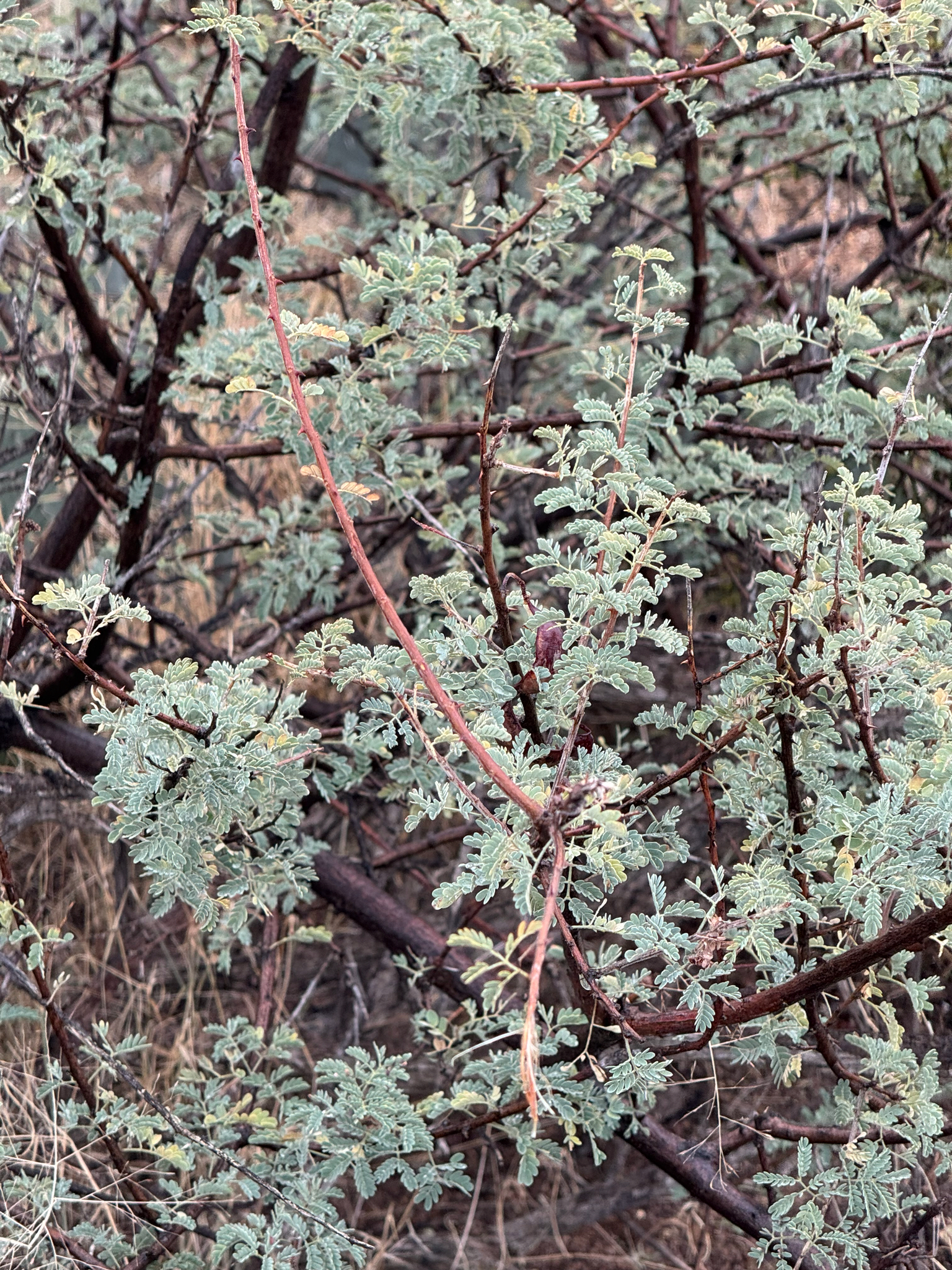
Mimosa candollei is a thorny shrub native to India, known for its delicate foliage and small, globular yellow flower heads.
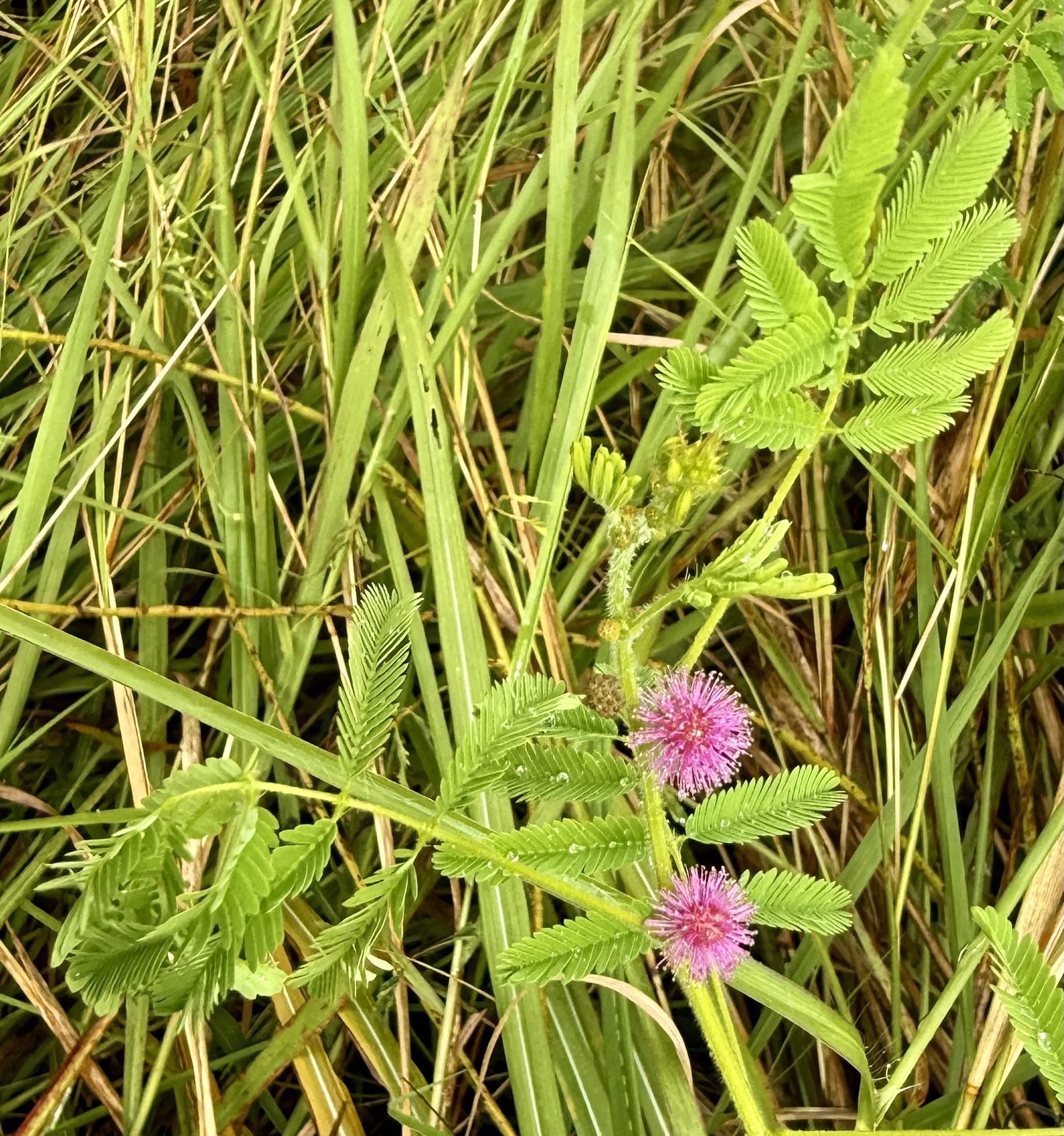
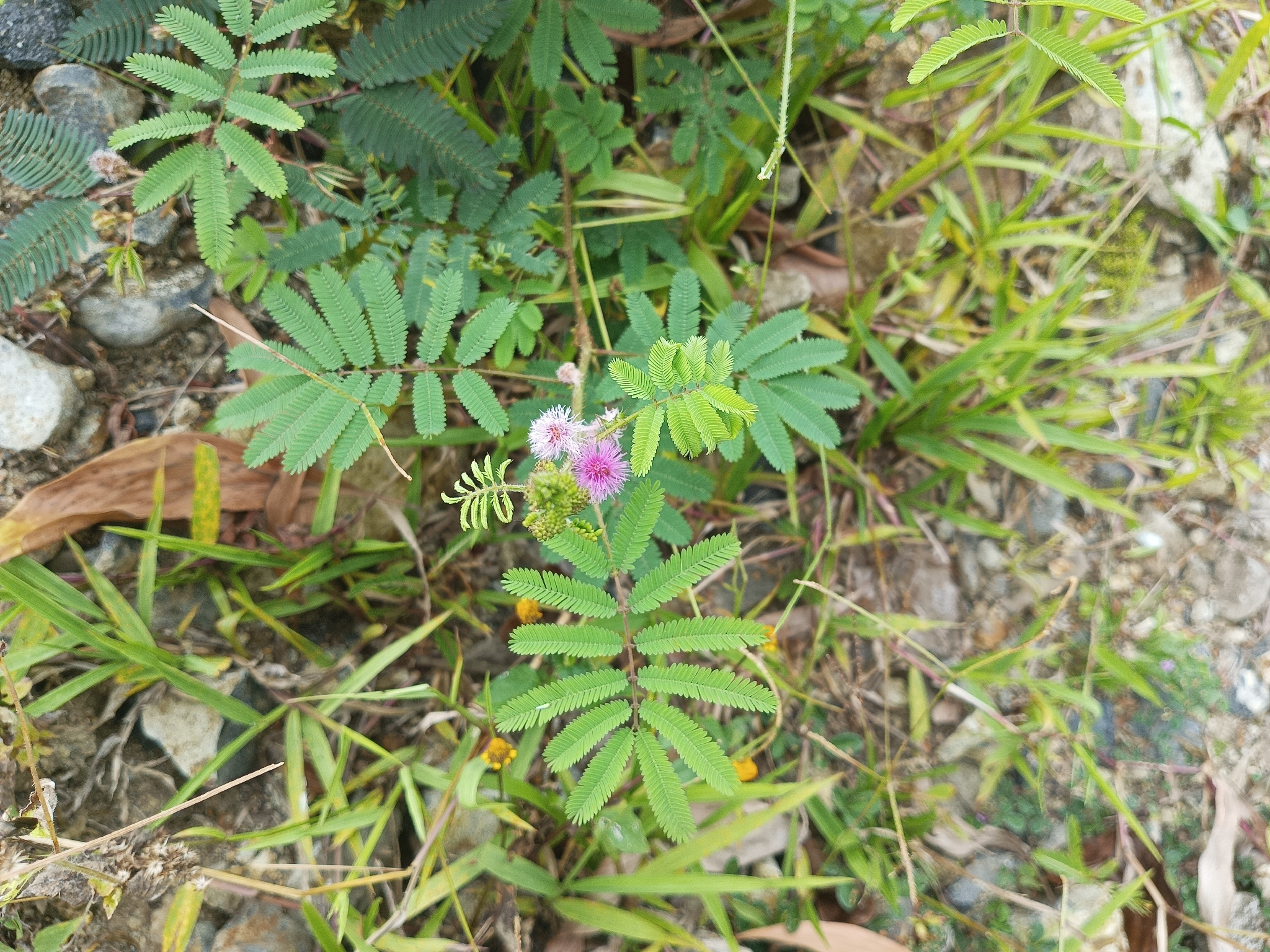
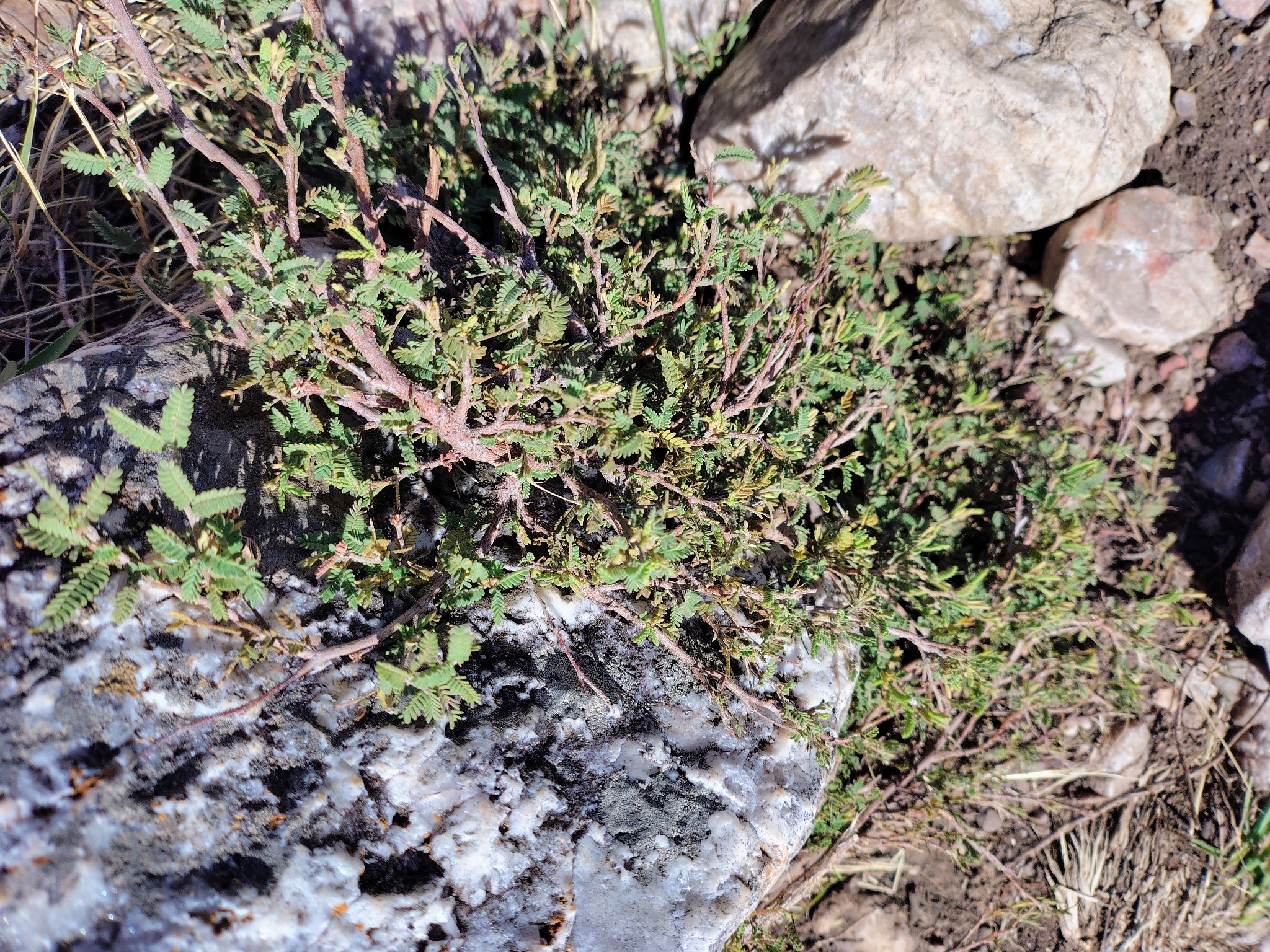
Mimosa candollei is a species of flowering plant in the legume family, Fabaceae, native to parts of South America. This species is recognized by its scientific name, Mimosa candollei, and is a member of the diverse genus Mimosa, known for its often sensitive leaves. The plant typically presents as a shrub or small tree, reaching moderate heights. Its growth habit is generally erect, though it can vary depending on environmental conditions. The leaves of Mimosa candollei are pinnately compound, a characteristic feature of many Mimosa species, meaning they are divided into multiple pairs of leaflets along a central stalk. These leaflets are typically small and can exhibit nyctinastic movement, folding up at night or in response to touch, a well-known trait of the Mimosa genus.
The inflorescences of Mimosa candollei are usually spherical or globose clusters of small flowers, often referred to as heads. These flower heads are typically borne in the leaf axils or at the tips of branches. The individual flowers are small and possess numerous stamens, which contribute to the fluffy appearance of the flower heads. The color of the flowers can range, but they are often described as being pale, such as white or cream, sometimes with a yellowish tint. Following flowering, the plant produces fruit in the form of a legume pod. These pods are typically flattened and contain seeds. The bark of Mimosa candollei is generally smooth when the plant is young, becoming rougher with age.
Mimosa candollei is found in its native range within tropical and subtropical regions of South America. Its natural habitat often includes areas with well-drained soils, and it can be found in various vegetation types, such as savannas, open woodlands, and disturbed areas. While specific cultivation requirements can vary, Mimosa candollei generally thrives in warm climates and prefers full sun exposure. It is relatively adaptable to different soil types, provided they are not waterlogged.
While detailed information on specific economic or medicinal uses for Mimosa candollei is not widely documented in readily accessible scientific literature, its ecological role within its native habitat is significant. As a legume, it contributes to nitrogen fixation in the soil, a vital process for many ecosystems. The plant provides habitat and potential food sources for local fauna. Its ornamental value, particularly its delicate foliage and attractive flower heads, makes it of interest to horticulturists and gardeners in suitable climates. Further research may reveal more specific applications or ecological interactions of this particular Mimosa species.