Foxtail Barley (Hordeum jubatum)

Foxtail
Foxtail Barley
Squirrel-Tail Barley
Squirreltail
Squirreltail Barley

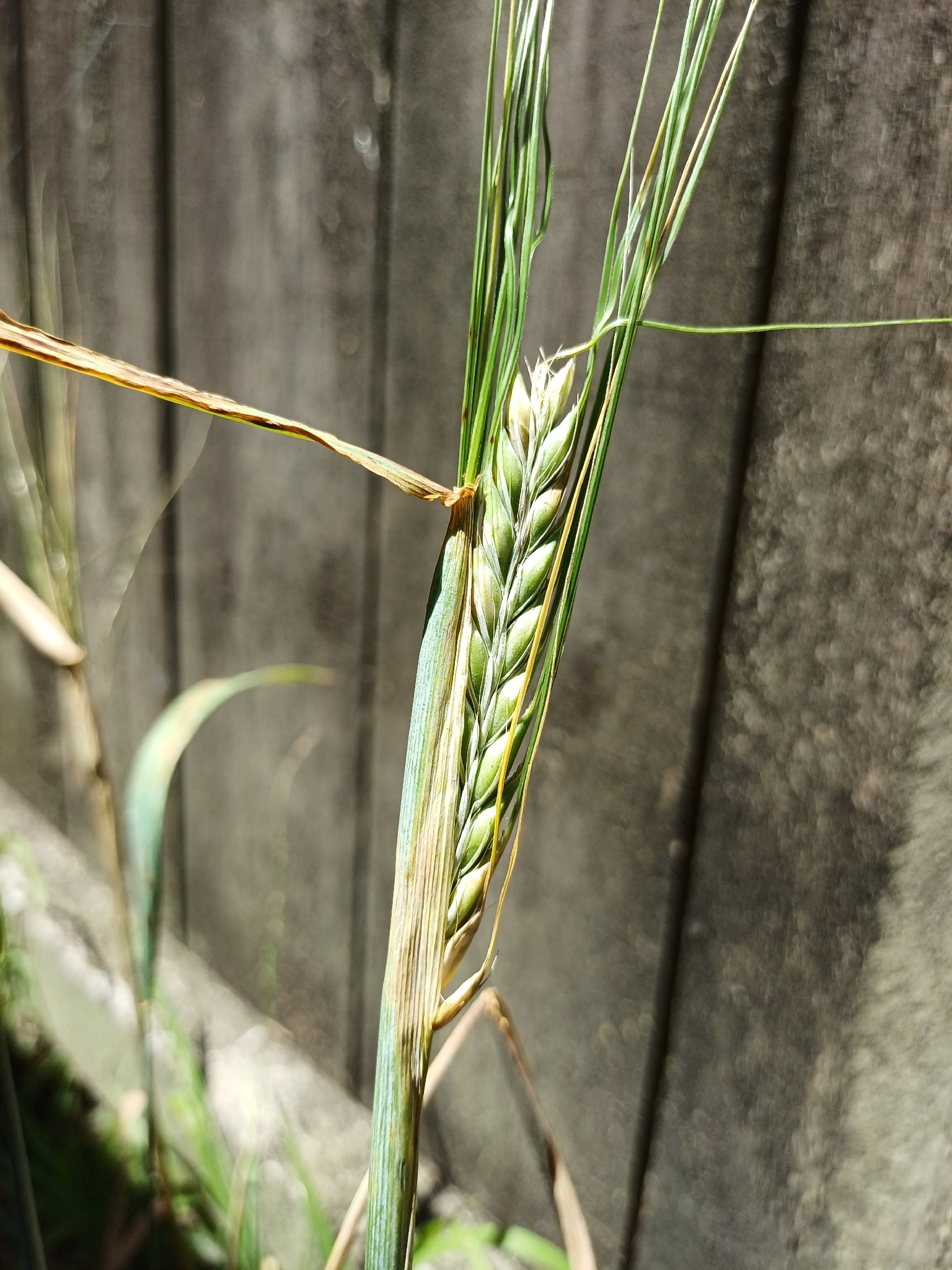
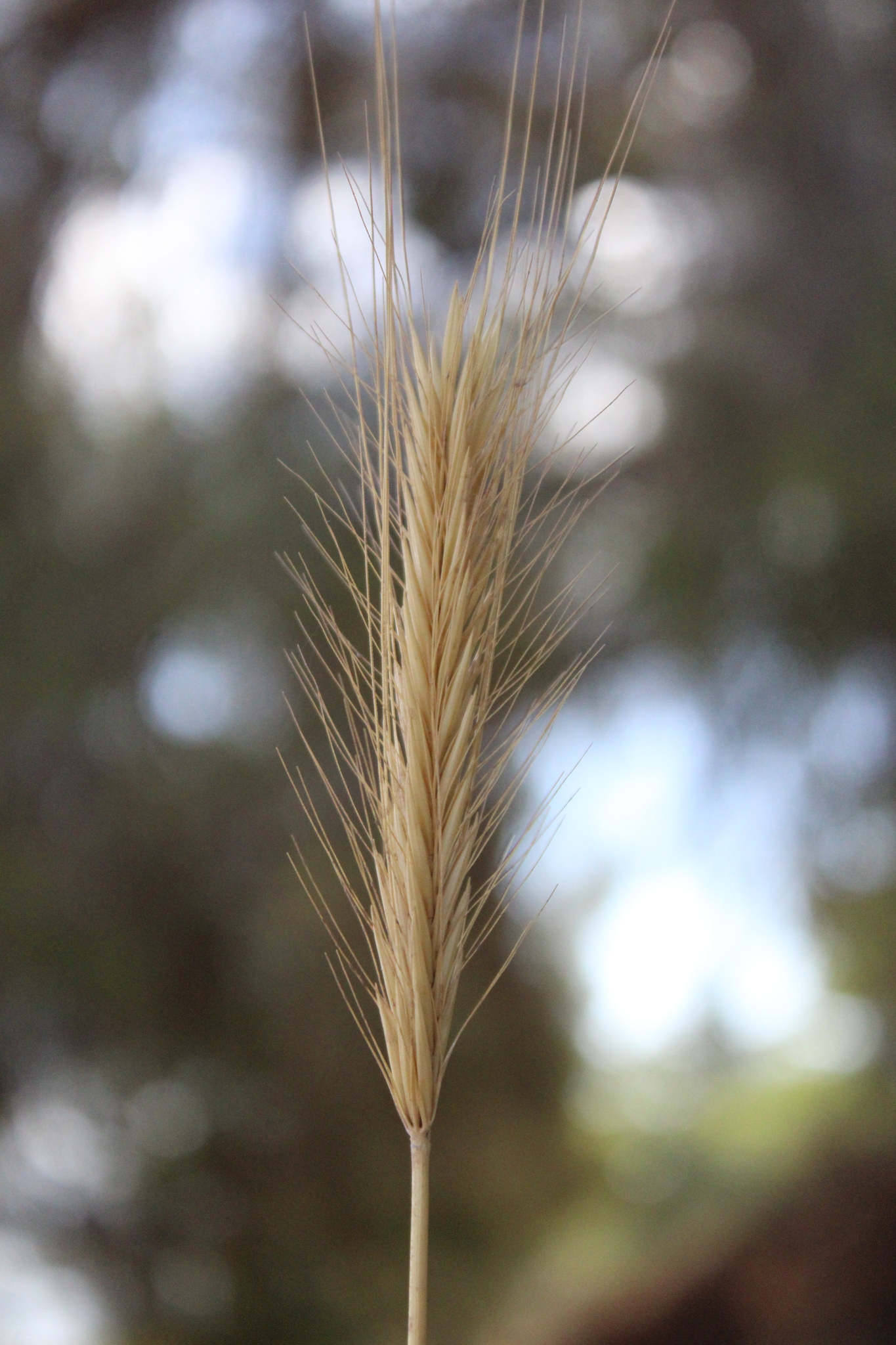
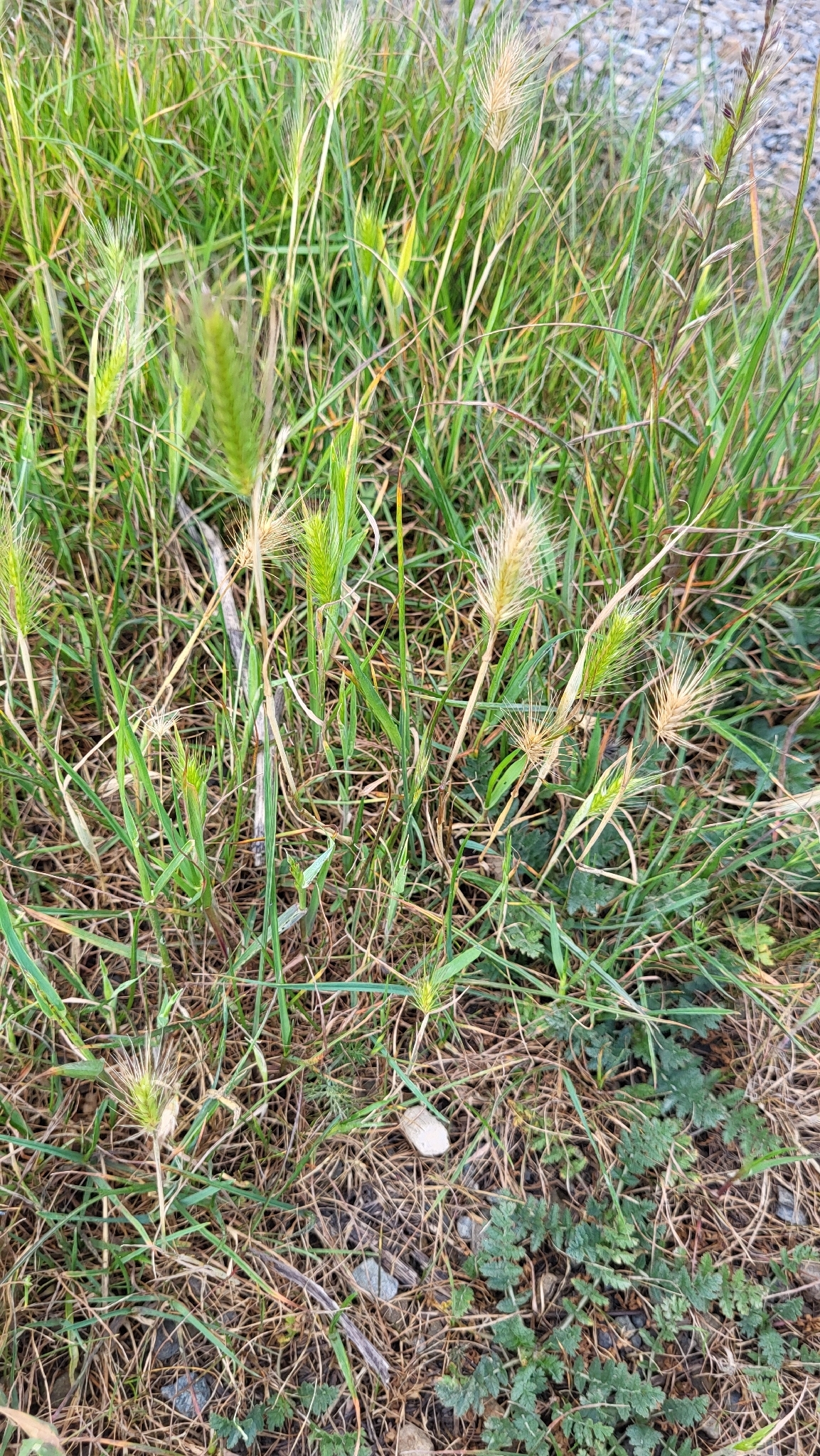
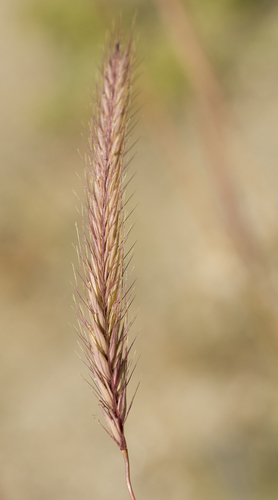
Foxtail Barley (Hordeum jubatum) is a visually striking perennial grass known for its feathery, arching seed heads that resemble a fox's tail.

Hordeum jubatum, commonly known as foxtail barley, is a striking annual or short-lived perennial grass native to North America and Eurasia. Its distinctive appearance, particularly its feathery seed heads, makes it a recognizable component of many grassland ecosystems. This grass plays a role in its native habitats, contributing to the biodiversity and structure of prairies, meadows, and disturbed areas. Physically, Hordeum jubatum is characterized by its erect to somewhat spreading growth habit, typically reaching heights of 0.3 to 1 meter (1 to 3 feet). The stems, or culms, are slender and often form dense clumps. Its leaves are relatively narrow, flat, and typically a grayish-green color, measuring about 2 to 6 millimeters wide. The most prominent feature of Hordeum jubatum is its inflorescence, a dense spike that emerges in late spring or early summer. This spike is composed of numerous awnlets, each bearing a single fertile floret and one or two sterile florets. These awnlets are adorned with long, delicate, and often purplish or greenish awns, which give the plant its characteristic "foxtail" appearance. These awns can be quite long, contributing to the feathery texture and visual appeal of the mature seed heads. The fruits are caryopses, typical of grasses, enclosed within the glumes. Hordeum jubatum is widely distributed across temperate regions. In its native North American range, it is found in prairies, open fields, pastures, roadsides, and disturbed sites, often in areas with alkaline or saline soils. It thrives in full sun and tolerates a variety of soil types, though it is particularly well-adapted to drier conditions and can be found in areas with poor drainage or high salt content. While not extensively cultivated for agricultural purposes, its ornamental value has led to its occasional use in naturalistic landscaping and wildflower gardens, particularly in regions where it is native. Ecologically, foxtail barley serves as a food source for some wildlife, and its dense growth can provide habitat. Its ability to colonize disturbed and saline areas highlights its resilience. An interesting adaptation of Hordeum jubatum is the structure of its seed head. The long awns are hygroscopic, meaning they respond to changes in humidity by twisting and untwisting. This movement can aid in the dispersal of the seeds by helping them to burrow into the soil. However, the sharp, barbed awns can also be problematic, as they can become entangled in the wool of sheep and the digestive tracts of livestock, leading to potential injury. This characteristic is a significant consideration in agricultural contexts where the grass may be present. The plant's ability to thrive in challenging soil conditions, such as salinity, is another notable aspect of its biology.

Above information is sourced from Wikipedia

Sunlight

Prefers full sun for optimal growth and flowering.

Watering

Water regularly during the growing season, allowing soil to dry slightly between waterings.

Soil

Tolerant of a wide range of soils, but prefers well-drained conditions. Adapts to moist or dry sites.

Temperature

Thrives in moderate temperatures, ideal for spring and summer growth.

Habitat

Outdoor

Fertilizer

Fertilize sparingly in spring with a balanced fertilizer.

Care Requirements

Light

Prefers full sun for optimal growth and flowering.

Tolerates partial shade but may become leggy.

Water

Water regularly during the growing season, allowing soil to dry slightly between waterings.

Reduce watering in cooler months.

Soil

Tolerant of a wide range of soils, but prefers well-drained conditions. Adapts to moist or dry sites.

Temperature

Thrives in moderate temperatures, ideal for spring and summer growth.

Tolerant of a range of conditions.

Habitat

Outdoor

Fertilizer

Fertilize sparingly in spring with a balanced fertilizer.

Avoid over-fertilization.

Plant Overview

Plant Type

Grass

Plant Category

Ornamental

Plant Place Type

Ground, Garden

Plant Environment

Outdoor

Lifespan

Perennials

Plant Height

0.3-0.9 m

Spread

0.3-0.6 m

Growth Rate

Moderate

Leaf Color

Green, Gray-green

Leaf Type

Linear

Flower Size

1-2 cm

Weed Status

Yes

Image Gallery

Flowering & Fruiting Cycles

Monthly activity intensity for bloom and fruit across both hemispheres.

Northern hemisphere

Flowering & fruiting calendar

Peak bloom · JunPeak fruit · Jul
FloweringFruiting
02468JanFebMarAprMayJunJulAugSepOctNovDecActivity intensityMonths88
Southern hemisphere

Flowering & fruiting calendar

Peak bloom · JulPeak fruit · Aug
FloweringFruiting
02468JanFebMarAprMayJunJulAugSepOctNovDecActivity intensityMonths88
Synonyms
Critesion adscendens (Kunth) Á.Löve
Critesion geniculatum Raf.
Critesion jubatum (L.) Nevski
Elymus jubatus (L.) Link
Hordeum adscendens Kunth
Hordeum caespitosum Scribn.
Hordeum pampeanum (Hauman) Herter
Taxonomy
  • kingdomPlantae
  • divisionTracheophyta
  • classLiliopsida
  • orderPoales
  • familyPoaceae
  • genusHordeum
  • speciesHordeum jubatum
Toxicity

Toxic for humans

No

Rating: 0/5

Toxic for pets

No

Rating: 0/5

Edible

No

Additional Care Tips

Water moderately, ensuring good drainage. Avoid waterlogged conditions, especially in winter.

Cut back dead foliage in late winter or early spring before new growth emerges. Remove flower stalks after blooming to prevent reseeding if desired.

Easily grown from seed sown in spring or autumn. Division of established clumps is also effective in spring.

Not typically grown in pots. If container-grown, repot in spring every 2-3 years to refresh soil and manage root growth.

FAQs

Is Foxtail Barley a weed?

Yes, Hordeum jubatum is often considered a weed, especially in agricultural areas, due to its ability to spread aggressively via seed and its potential to contaminate grain crops.

How tall does Foxtail Barley get?

Foxtail Barley typically grows to a height of 0.3 to 0.9 meters (1 to 3 feet).

When does Foxtail Barley bloom?

The distinctive feathery seed heads of Foxtail Barley usually appear and mature during the summer months.

Can Foxtail Barley be used in dried arrangements?

Yes, the attractive, feathery seed heads of Foxtail Barley are popular for use in dried floral arrangements due to their unique texture and appearance.

What are the care requirements for Foxtail Barley?

Foxtail Barley is generally easy to care for, preferring full sun and well-drained soil. It requires moderate watering and minimal fertilization. Cut back dead foliage in late winter or early spring.