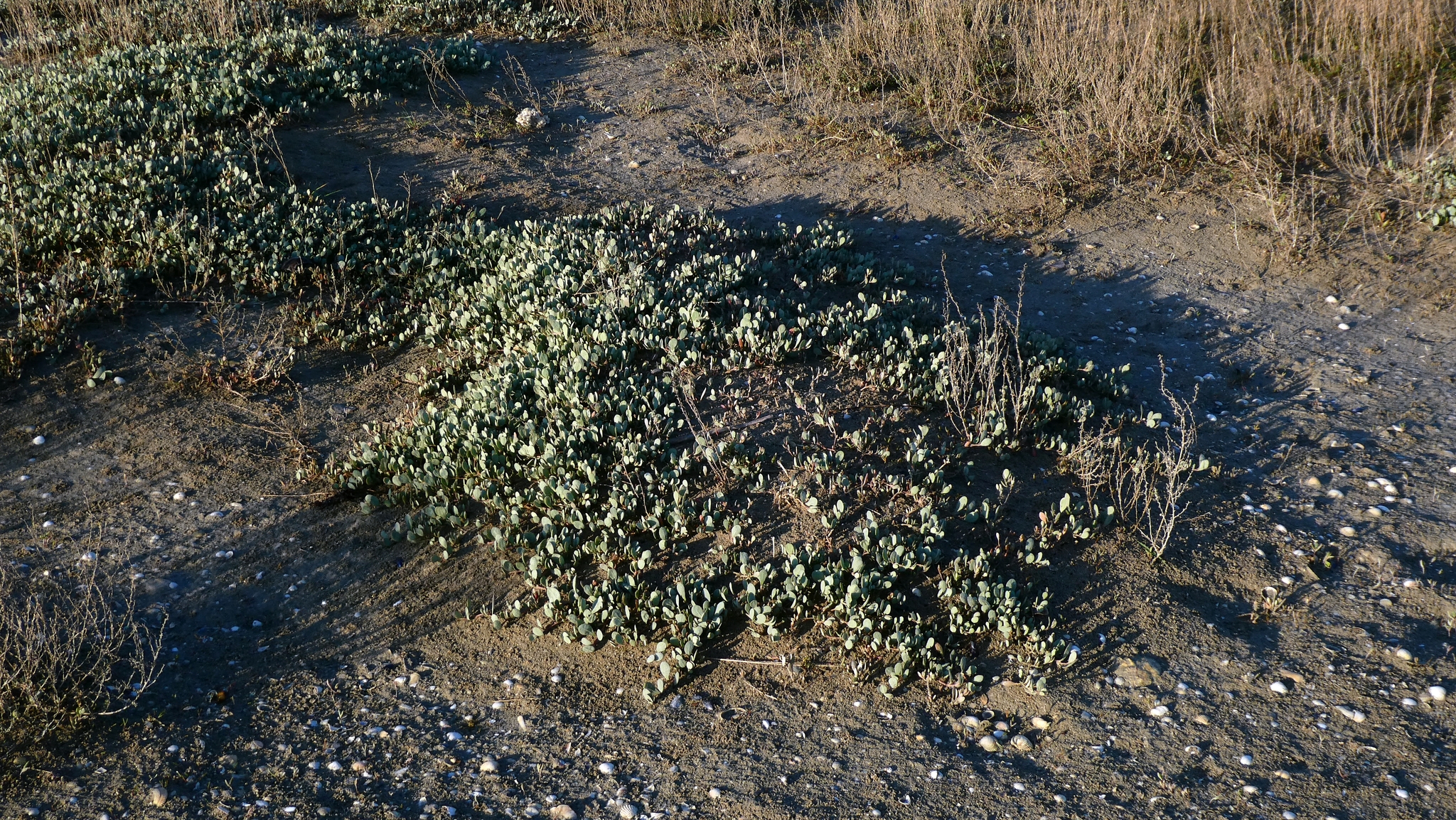
Frosted Orache (Atriplex laciniata) is a sprawling, silvery-grey annual herb native to coastal areas, forming low mats of fleshy, lobed leaves.
Atriplex laciniata, commonly known as Frosted Orache, is a fascinating annual herbaceous plant belonging to the Amaranthaceae family. This species is notable for its adaptation to coastal environments and its distinctive silvery-white foliage, which gives rise to its common name. Frosted Orache plays a role in stabilizing coastal dunes and salt marshes, contributing to the ecological health of these sensitive habitats.
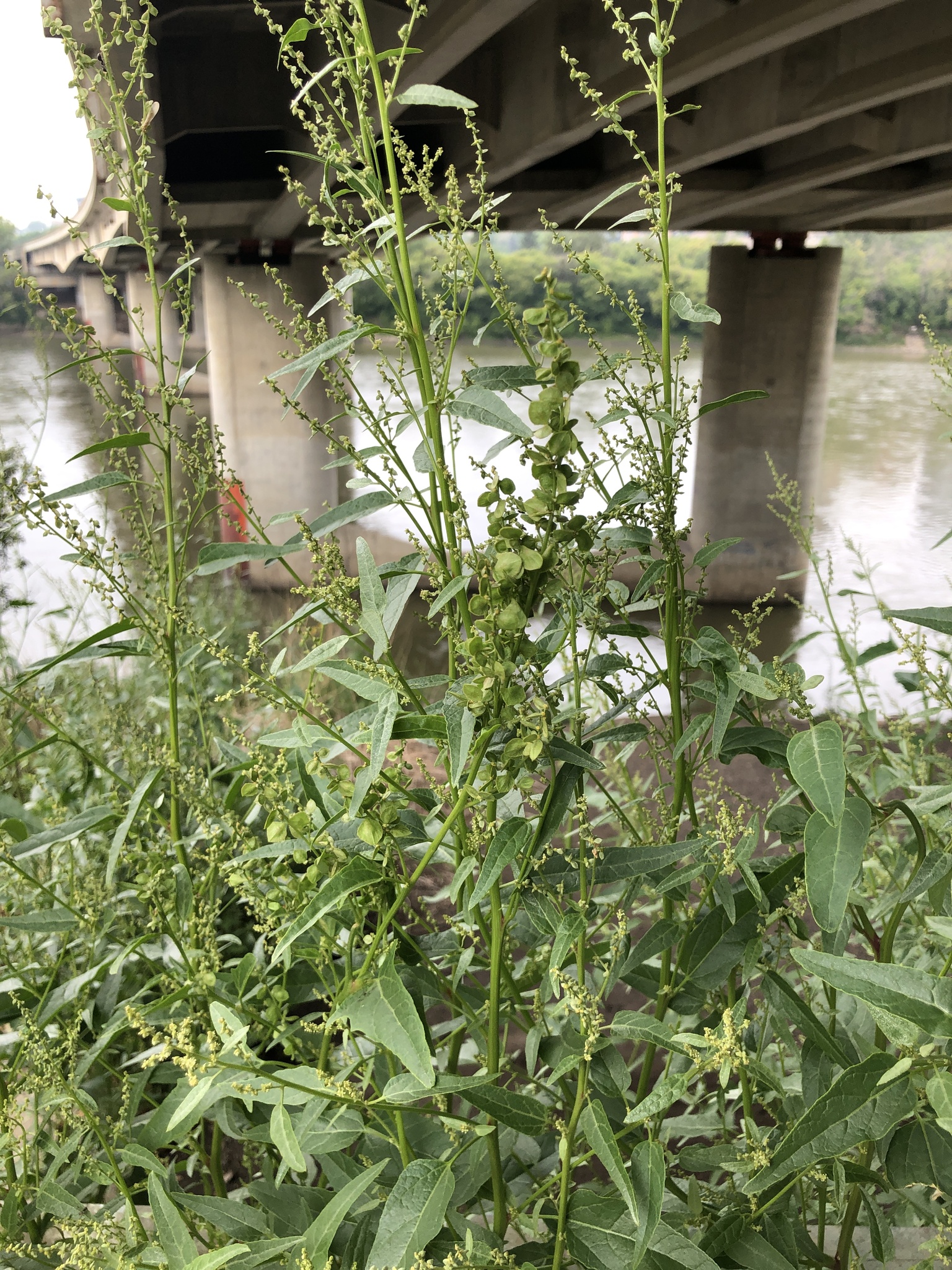
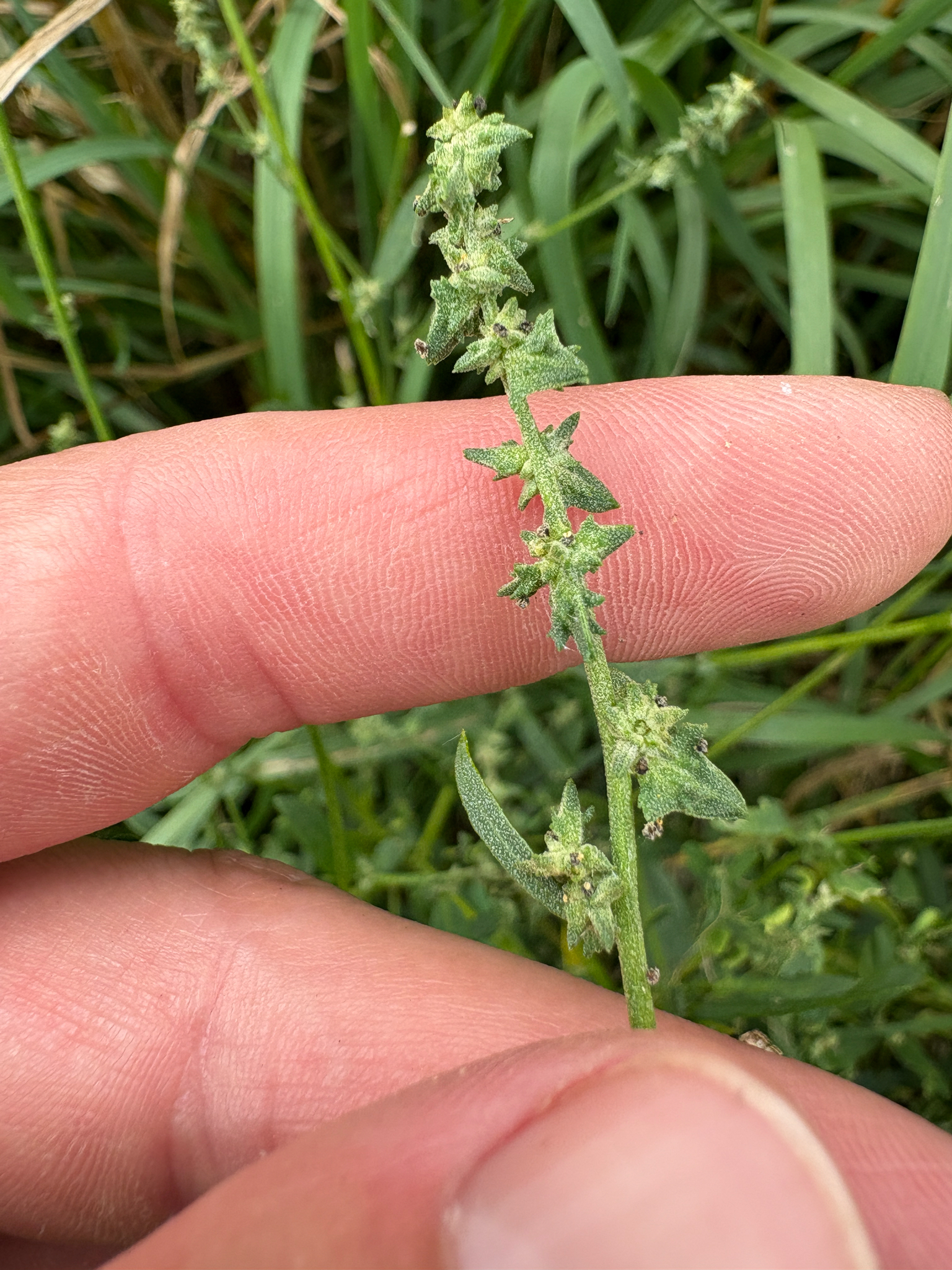
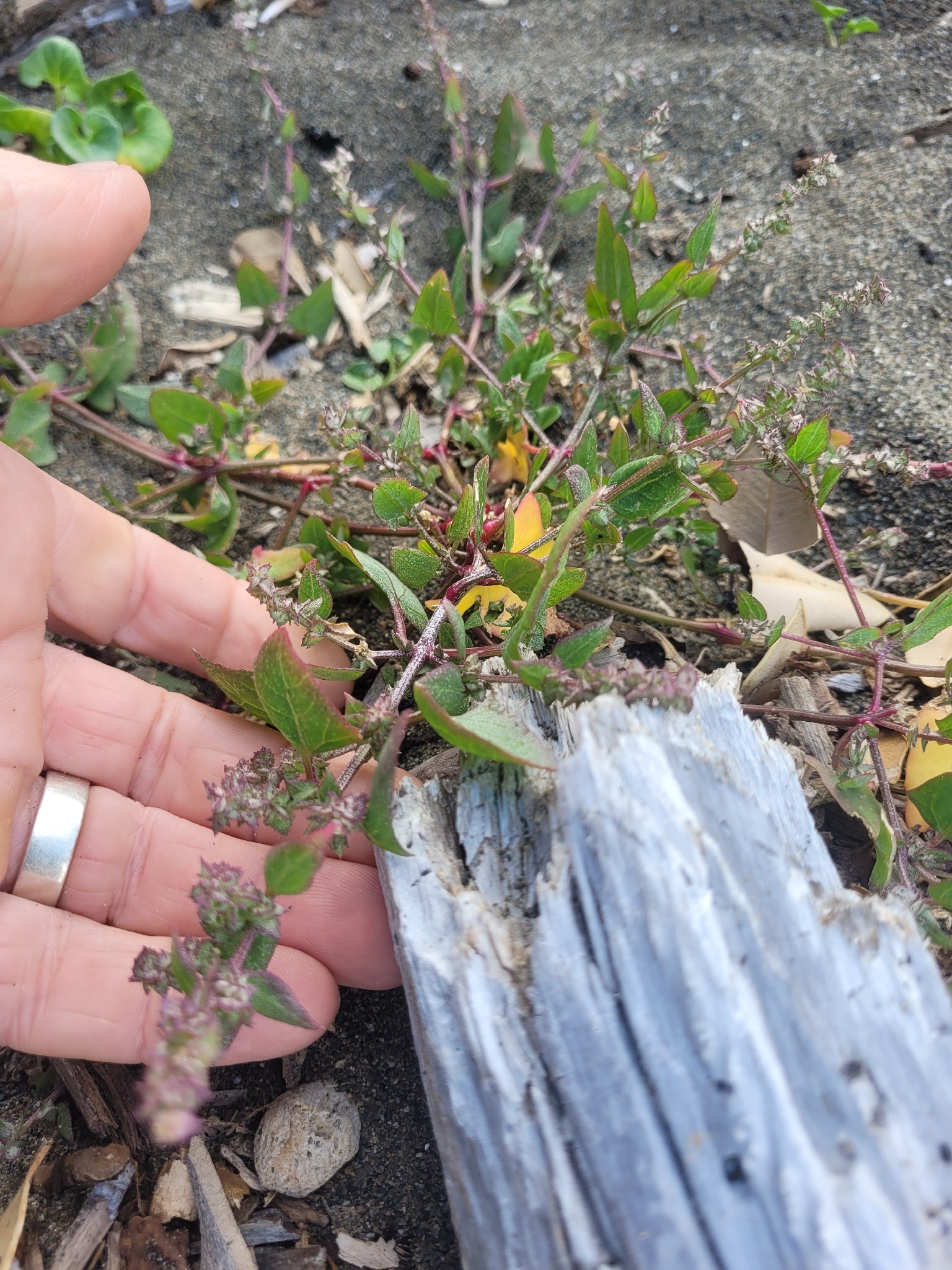
Physically, Atriplex laciniata typically grows as a low-spreading to erect annual, reaching heights of up to 60 centimeters. Its growth habit can vary depending on environmental conditions, often forming dense mats in exposed areas. The leaves are a prominent feature, being ovate to rhombic in shape, with deeply lobed or toothed margins, giving them a laciniate appearance. The surface of the leaves, stems, and inflorescences is covered in a dense layer of vesicular hairs, which reflect light and create the characteristic frosted or silvery-white appearance. This adaptation helps to reduce water loss through transpiration and protect the plant from intense sunlight. The flowers are small and inconspicuous, borne in axillary clusters or terminal panicles. They are typically unisexual, with male and female flowers often found on the same plant, although separate plants can also occur. The fruits are small, enclosed within persistent bracteoles, which are often swollen and papery. The seeds are small, dark, and ovoid.
The native distribution of Atriplex laciniata is primarily along the coasts of Europe, including the British Isles, and extending into the Mediterranean region. It thrives in sandy soils, salt marshes, shingle beaches, and other coastal habitats where it is exposed to salt spray and wind. Its tolerance for saline conditions and its ability to grow in nutrient-poor, well-drained soils make it well-suited to these challenging environments. Cultivation requirements for Atriplex laciniata mirror its natural habitat; it prefers well-drained, sandy or gravelly soils and full sun exposure. It is remarkably drought-tolerant once established and can withstand coastal winds and salt spray. Due to its annual nature, it readily self-seeds in suitable conditions.
While not widely cultivated for ornamental purposes, its striking silvery foliage can add a unique texture and color to coastal gardens or rockeries. Ecologically, Frosted Orache is important for its role in dune stabilization, preventing soil erosion and providing habitat for various invertebrates. Its seeds are a food source for some bird species. There is limited scientifically documented information regarding significant medicinal, culinary, or economic uses for Atriplex laciniata, with its primary importance lying in its ecological contributions to coastal ecosystems. An interesting adaptation of Atriplex species, including Atriplex laciniata, is their ability to tolerate high salt concentrations in the soil, a characteristic crucial for survival in their native saline environments. The vesicular hairs not only provide a frosted appearance but also play a vital role in osmoregulation and protection from UV radiation.
Water when the top inch of soil feels dry. Avoid overwatering.
Soil
Well-draining soil is essential. Tolerates sandy, saline, and poor soils, typical of coastal environments.
Temperature
Grows best in moderate temperatures.
Habitat
Outdoor
Fertilizer
Requires minimal feeding.
Care Requirements
Light
Prefers full sun to partial shade.
At least 6 hours of direct sunlight is ideal.
Water
Water when the top inch of soil feels dry. Avoid overwatering.
Moderate watering needs, tolerates some drought.
Soil
Well-draining soil is essential. Tolerates sandy, saline, and poor soils, typical of coastal environments.
Temperature
Grows best in moderate temperatures.
Ideal range is 15-25 °C.
Habitat
Outdoor
Fertilizer
Requires minimal feeding.
Light feeding in spring if soil is poor.
Plant Overview
Plant Type
Herb
Plant Category
Foliage
Plant Place Type
Ground
Plant Environment
Outdoor
Lifespan
Annuals
Plant Height
0.1-0.3 m
Spread
0.5-1 m
Growth Rate
Moderate
Dormancy
None (annual)
Leaf Color
Silvery-grey
Leaf Type
Lobed, fleshy
Image Gallery
Flowering & Fruiting Cycles
Monthly activity intensity for bloom and fruit across both hemispheres.
Northern hemisphere
Flowering & fruiting calendar
Peak bloom · JulPeak fruit · Aug
FloweringFruiting
Southern hemisphere
Flowering & fruiting calendar
Peak bloom · SepPeak fruit · Oct
FloweringFruiting
Synonyms
Atriplex abbreviata Opiz
Atriplex astrachanica Ledeb.
Atriplex bocconii Guss.
Atriplex maritima L.
Atriplex microphylla Schur
Atriplex nivea Merino
Atriplex pruinosa Sieber ex Moq.
Atriplex sabulosa Rouy
Atriplex sinuata (Thunb.) Aellen
Atriplex sinuata Hoffm.
Atriplex thunbergiana Schult.
Chenopodium laciniatum (L.) Thunb.
Chenopodium pinnatum Moq.
Chenopodium sinuatum Thunb.
Obione laciniata (L.) G.L.Chu
Obione sabulosa (Rouy) G.L.Chu
Schizotheca laciniata (L.) Fourr.
Taxonomy
kingdomPlantae
divisionTracheophyta
classMagnoliopsida
orderCaryophyllales
familyAmaranthaceae
genusAtriplex
speciesAtriplex laciniata
Toxicity
Toxic for humans
No
Rating: 0/5
Toxic for pets
No
Rating: 0/5
Edible
No
Additional Care Tips
Water regularly, especially during dry periods, but avoid waterlogged conditions. Allow soil to dry slightly between waterings.
Minimal pruning is needed. Remove any dead or damaged stems in early spring. Pinching back young plants can encourage bushier growth if desired.
Easily grown from seed sown directly outdoors in spring after the last frost. Can also be propagated from cuttings taken in late spring or early summer.
Not typically grown in pots. If grown in containers, repot in spring when new growth appears, using a well-draining potting mix.
FAQs
What is the best soil for Frosted Orache?
Frosted Orache thrives in well-draining soil, including sandy, saline, and poor soils. Good drainage is more important than soil richness.
How often should I water Frosted Orache?
Water moderately when the top inch of soil is dry. It can tolerate some drought once established but performs best with consistent moisture.
Can Frosted Orache be grown in containers?
While it is a ground-dwelling plant, it can be grown in containers if they offer excellent drainage. Ensure the pot is wide enough for its spreading habit.
Is Frosted Orache salt tolerant?
Yes, Frosted Orache is highly salt tolerant and is often found naturally in coastal environments, making it suitable for seaside gardens.
When does Frosted Orache bloom?
Atriplex laciniata typically flowers in late summer to autumn. The flowers are inconspicuous and wind-pollinated.