Water
Keep the soil consistently moist but not waterlogged. Allow the top centimeter of soil to dry out slightly between waterings. Reduce watering during cooler months to prevent root rot.
Ensure good drainage to avoid soggy conditions.
Also known as Garden Primrose · German Primrose · Poison Primrose
Safety note: This plant may be toxic to humans and pets. See toxicity details.
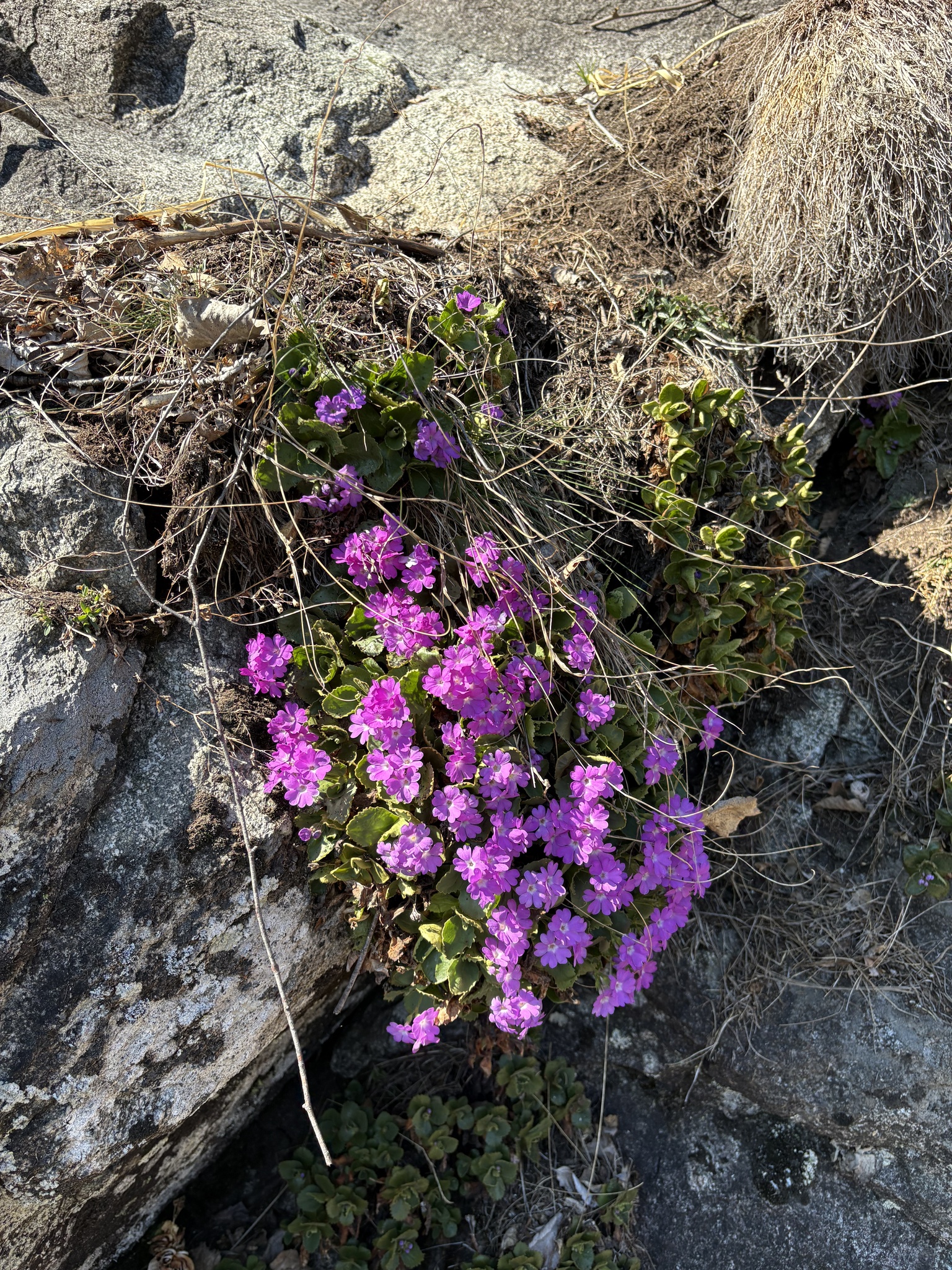
Primula obconica, also known as German Primrose, offers vibrant blooms in shades of pink, purple, blue, and white, gracing indoor spaces with cheerful color.
At-a-glance light, water, soil, and growing conditions from plant data
Bright, indirect light
75% intensity
Prefers morning sun or dappled shade. Avoid direct, hot afternoon sun.
Keep consistently moist
75% intensity
Allow top inch of soil to dry between waterings. Avoid waterlogging.
Well-draining, fertile potting mix
50% intensity
Cool to moderate
50% intensity
Ideal range 15-20°C. Avoid extreme heat and frost.
Regular feeding during growth
50% intensity
Use balanced liquid fertilizer diluted to half strength every 2-4 weeks in spring/summer.
Safety information from plant toxicity data
| Attribute | Value |
|---|---|
| Toxic for humans | Yes 4/5 intensity |
| Toxic for pets | Yes 4/5 intensity |
| Edible | No |
Contains primin, a contact allergen that can cause dermatitis.
Key traits and growing stats from plant data
Watering, pruning, propagation, and repotting details from plant data
Keep the soil consistently moist but not waterlogged. Allow the top centimeter of soil to dry out slightly between waterings. Reduce watering during cooler months to prevent root rot.
Ensure good drainage to avoid soggy conditions.
Deadhead spent flowers regularly to encourage more blooms and maintain a tidy appearance. Trim away any yellowing or damaged leaves as they appear. This helps the plant direct energy towards new growth and flowering.
Primula obconica is typically propagated by seed sown in early spring. Alternatively, mature plants can be divided in spring or autumn. Sow seeds in a well-draining seed-starting mix and keep moist and cool.
Repot Primula obconica annually or biennially in spring. Choose a pot that is only slightly larger than the current one, with good drainage holes. Use a fresh, well-draining potting mix.
This revitalizes the plant and provides fresh nutrients.
Identify plants like this with ePlant AI
Snap a photo to get care tips and match similar species on the go.
Monthly activity intensity for bloom and fruit across both hemispheres.
Flowering & fruiting calendar
Flowering & fruiting calendar
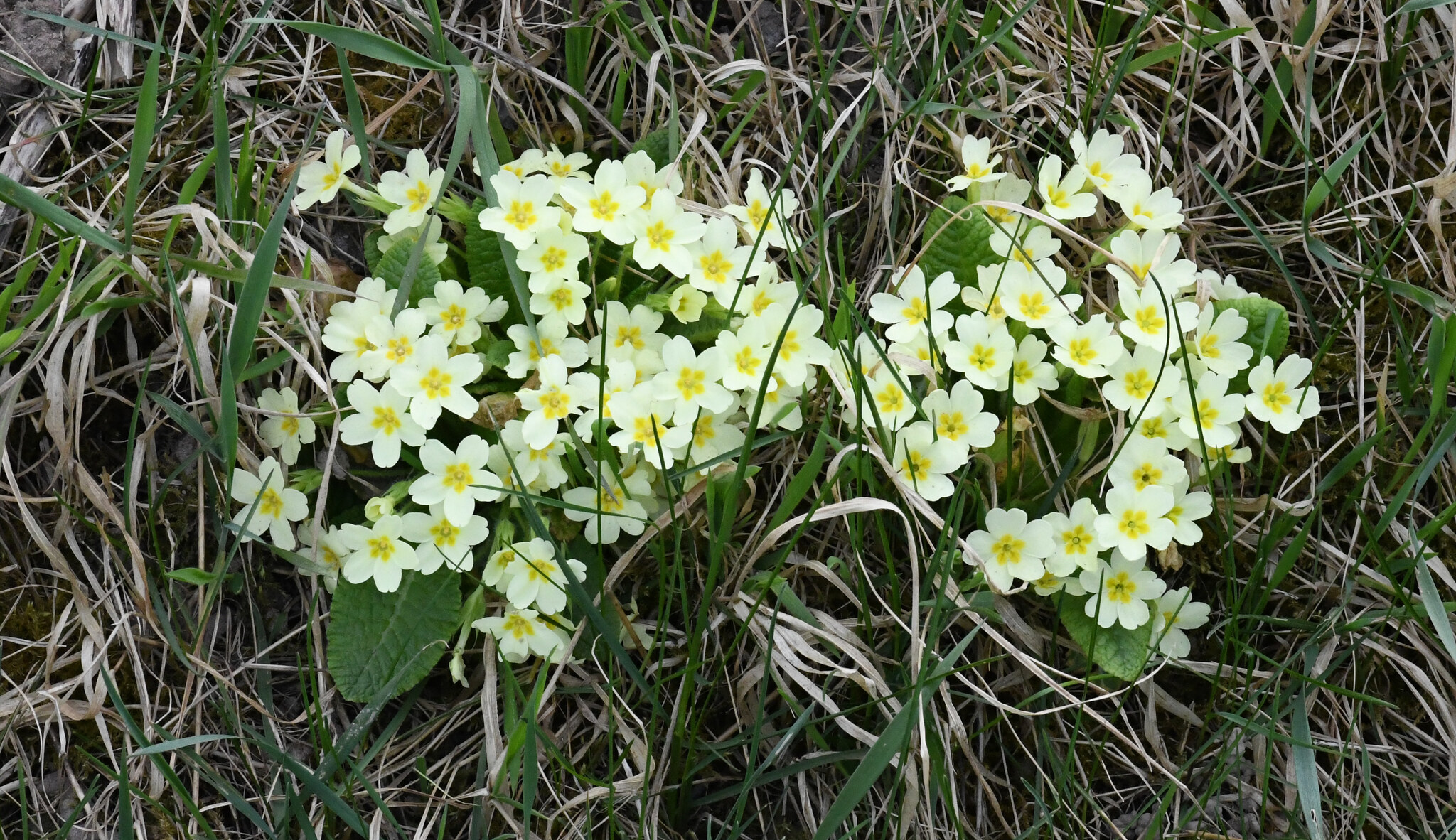
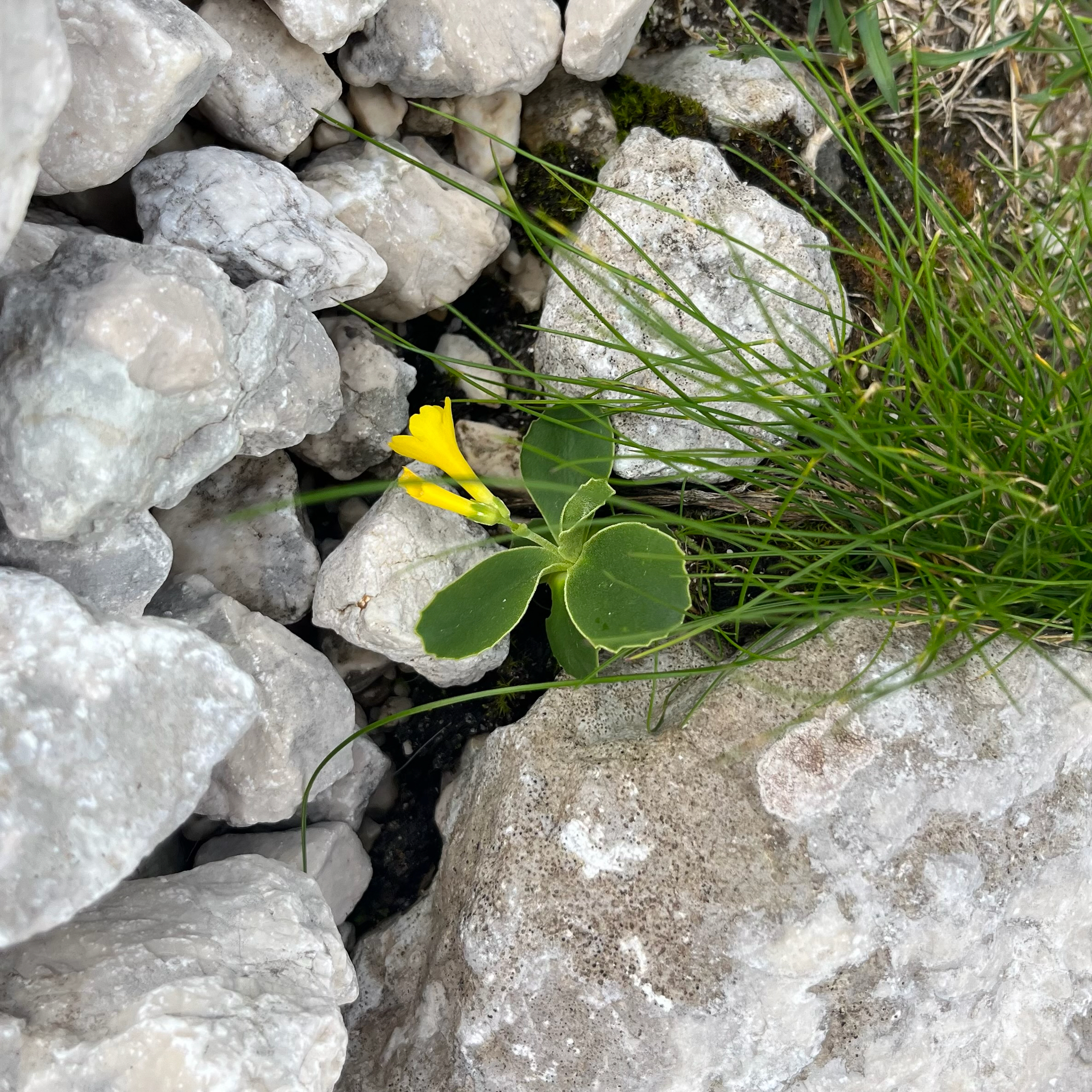
Photos of Primula Obconica (Primula obconica)
Where Primula Obconica (Primula obconica) is found

Density
Tap map to explore
Common names and botanical synonyms
Botanical classification
| Rank | Name |
|---|---|
| Kingdom | Plantae |
| Division | Tracheophyta |
| Class | Magnoliopsida |
| Order | Ericales |
| Family | Primulaceae |
| Genus | Primula |
| Species | Primula obconica |
Similar in genus Primula
Answers based on plant encyclopedia data