Forbes' Glory-Of-The-Snow (Scilla forbesii) – Growing Guide, Care & Benefits | ePlant AI
Forbes' Glory-Of-The-Snow (Scilla forbesii)
Forbes' Glory-of-the-Snow (Scilla forbesii) is a small bulbous perennial native to Turkey, producing star-shaped blue flowers in early spring.
Scilla forbesii, commonly known as Forbes' Glory-Of-The-Snow, is a charming bulbous perennial that brings early spring color to the garden. Belonging to the Asparagaceae family, this species is recognized for its delicate yet striking appearance, often among the first plants to emerge from the winter dormancy. Its significance lies in its contribution to early spring floral displays and its role as a harbinger of warmer weather.
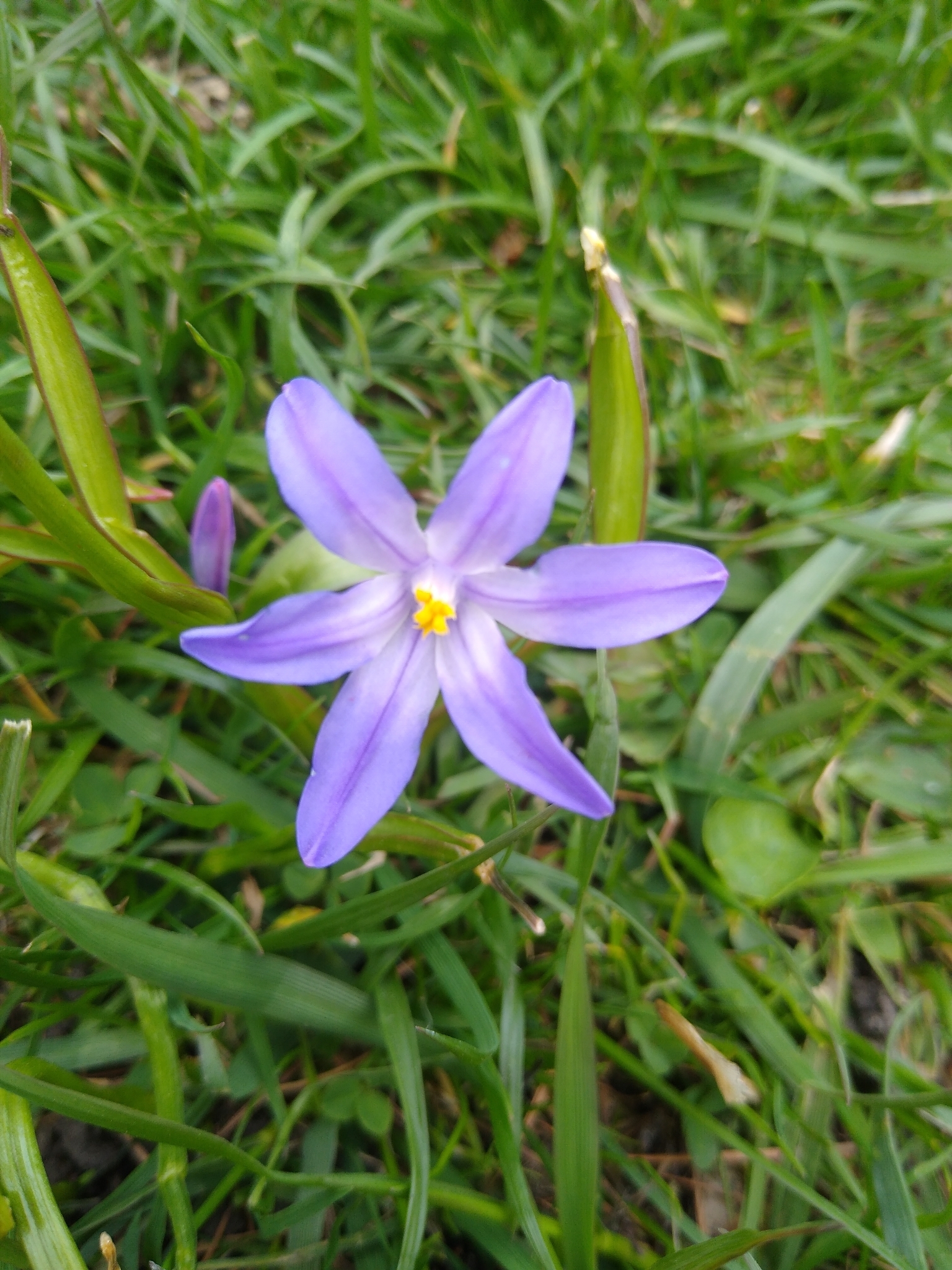
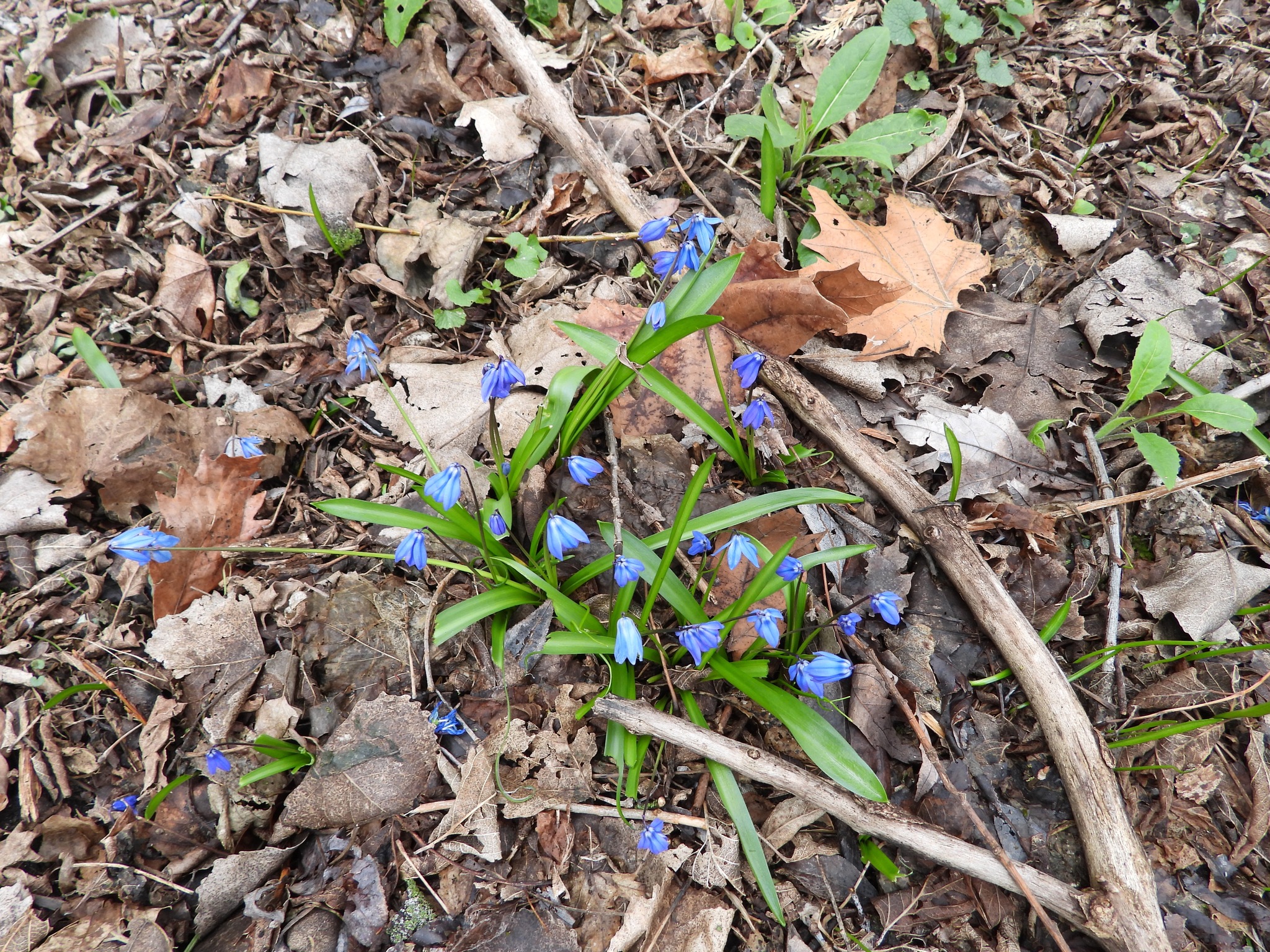
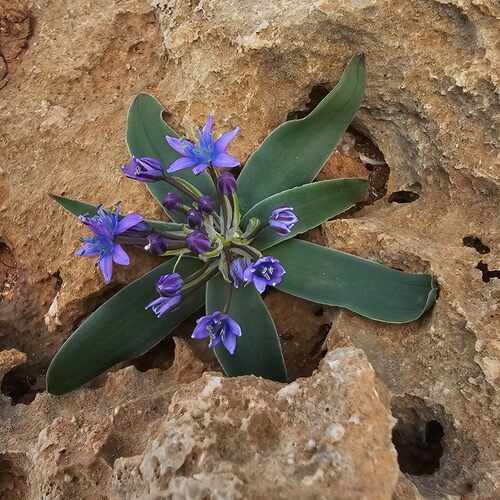
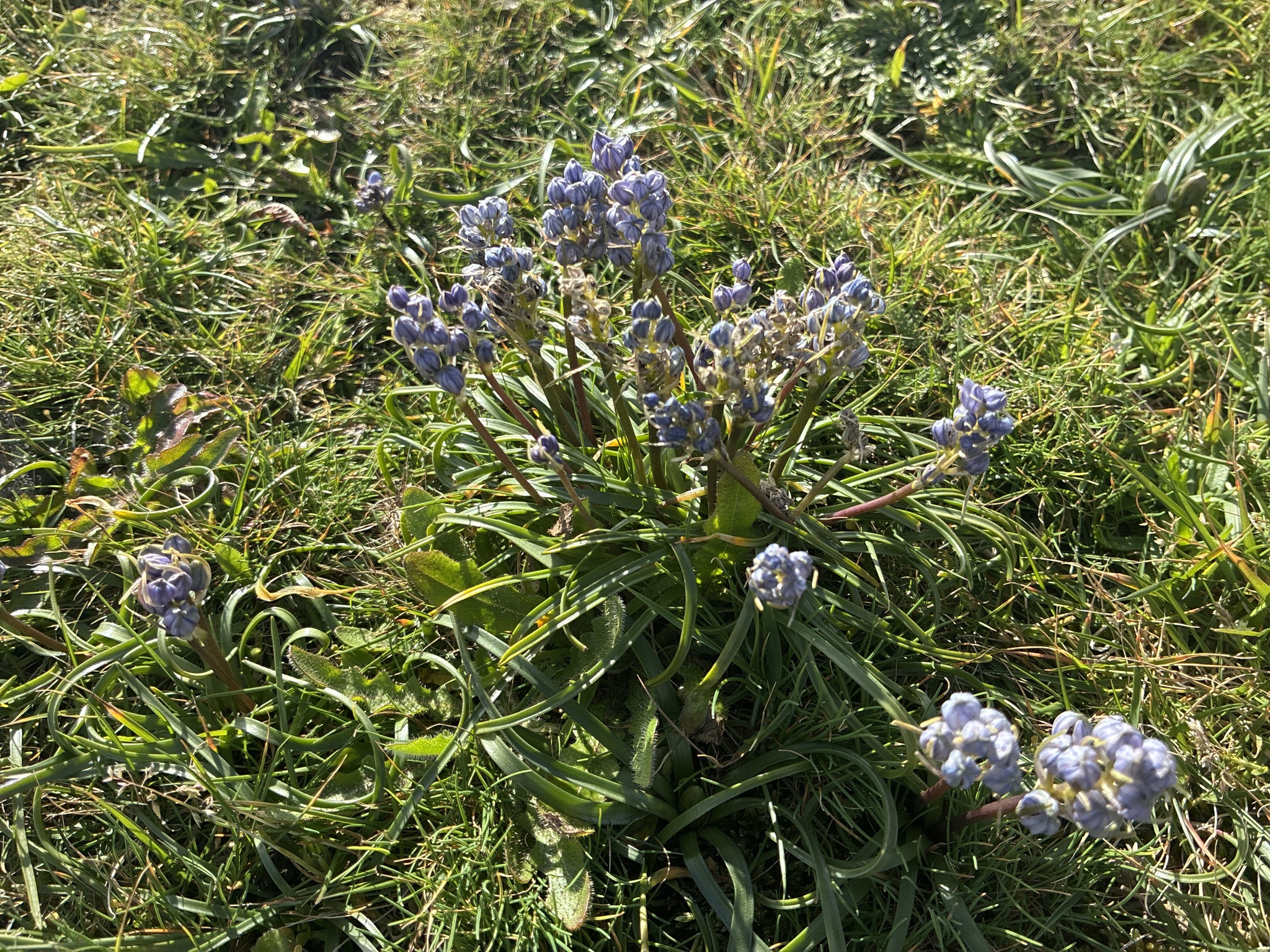
Physically, Scilla forbesii typically forms a small clump of basal leaves. The leaves are generally linear to lanceolate, a deep green color, and appear concurrently with or shortly after the flowering stems. The plant's most distinctive feature is its inflorescence, which consists of a raceme of star-shaped flowers. These flowers are typically a vibrant sky blue, though variations may occur, and are borne on slender, upright stems that usually reach a height of 10 to 20 centimeters. Each flower possesses six tepals, which are fused at their base. Following flowering, the plant may produce small, inconspicuous capsules containing seeds. The bulb itself is small and tunicated, characteristic of many Scilla species.
The native distribution of Scilla forbesii is primarily within the Caucasus region, specifically in areas of the southern Caucasus Mountains. It thrives in its natural habitat in mountainous meadows, open woodlands, and rocky slopes, often found at elevations where it experiences a distinct winter dormancy period. For successful cultivation, Scilla forbesii prefers well-drained soil and a location that receives ample sunlight, particularly during the spring when it is actively growing. While it appreciates moisture during its growth phase, it requires a drier period during summer dormancy. It is generally hardy in temperate climates and can be naturalized in woodland gardens or rock gardens, where its early bloom is particularly appreciated.
The ornamental value of Scilla forbesii is its primary recognized importance. Its early and profuse flowering makes it a valuable addition to spring gardens, providing a splash of color when few other plants are in bloom. It is well-suited for naturalizing in lawns, under deciduous trees, or in mixed perennial borders. While there is no widespread agricultural, medicinal, culinary, or significant economic importance scientifically documented for Scilla forbesii, its ecological role in its native habitat likely involves providing nectar for early emerging pollinators.
An interesting characteristic of Scilla forbesii, common to many early-blooming geophytes, is its ability to capitalize on the brief period of favorable conditions before the canopy of deciduous trees fully leafs out. This strategy allows the plant to photosynthesize and reproduce effectively in the dappled light of its woodland habitat. The timing of its emergence and flowering is a finely tuned adaptation to its environment, demonstrating the resilience and beauty of plants that herald the arrival of spring.
Water when the top inch of soil is dry during the growing season.
Soil
Requires well-draining soil, such as a sandy loam or a mix with added grit or perlite.
Temperature
Thrives in cool to moderate temperatures.
Habitat
Outdoor, Indoor, Greenhouse
Fertilizer
Feed with a balanced liquid fertilizer in early spring.
Care Requirements
Light
Prefers full sun to partial shade.
Afternoon shade is beneficial in hot climates.
Water
Water when the top inch of soil is dry during the growing season.
Reduce watering during dormancy.
Soil
Requires well-draining soil, such as a sandy loam or a mix with added grit or perlite.
Temperature
Thrives in cool to moderate temperatures.
Ideal growing range is 10-20°C.
Habitat
Outdoor, Indoor, Greenhouse
Fertilizer
Feed with a balanced liquid fertilizer in early spring.
Avoid over-fertilizing.
Plant Overview
Plant Type
Herb
Plant Category
Ornamental, Flowering
Plant Place Type
Ground, Garden, Pot
Plant Environment
Outdoor, Indoor, Greenhouse
Lifespan
Perennials
Plant Height
10-15 cm
Spread
5-10 cm
Growth Rate
Slow
Dormancy
Yes
Leaf Color
Green
Leaf Type
Linear
Flower Size
2-3 cm
Image Gallery
Flowering & Fruiting Cycles
Monthly activity intensity for bloom and fruit across both hemispheres.
Northern hemisphere
Flowering & fruiting calendar
Peak bloom · MarPeak fruit · May
FloweringFruiting
Southern hemisphere
Flowering & fruiting calendar
Peak bloom · AugPeak fruit · Jul
FloweringFruiting
Synonyms
Chionodoxa forbesii Baker
Chionodoxa siehei Stapf
Chionodoxa tmolusi Whittall
Scilla siehei (Stapf) Speta
Scilla tmolusi (Whittall) Speta
Taxonomy
kingdomPlantae
divisionTracheophyta
classLiliopsida
orderAsparagales
familyAsparagaceae
genusScilla
speciesScilla forbesii
Toxicity
Toxic for humans
No
Rating: 0/5
Toxic for pets
No
Rating: 0/5
Edible
No
Additional Care Tips
Water regularly during the growing season, allowing the soil to dry slightly between waterings. Reduce watering significantly when the plant goes dormant.
Deadhead spent flowers to prevent seed formation if desired, though it is not strictly necessary. Remove yellowing foliage only after it has fully died back naturally.
Easily propagated by offsets (bulblets) separated during repotting in late summer or early autumn. Seeds can be sown fresh but take longer to establish.
Repot container-grown plants every 2-3 years in late summer or early autumn when the bulbs are dormant. Use fresh, well-draining potting mix.
FAQs
When is the best time to plant Scilla forbesii bulbs?
Plant bulbs in autumn, typically from September to November, before the ground freezes. This allows them to establish roots before winter.
How do I care for Scilla forbesii after flowering?
Allow the foliage to die back naturally after flowering. This nourishes the bulb for the next season. Do not cut it back until it has turned yellow and withered.
Can Scilla forbesii be grown indoors?
Yes, Scilla forbesii can be grown indoors in pots. Ensure they receive adequate light and are allowed a dormant period in summer.
Why are my Scilla forbesii bulbs not flowering?
Reasons can include insufficient light, bulbs planted too shallowly, lack of a winter dormancy period, or overcrowding. Ensure proper planting depth and adequate rest.
Are Scilla forbesii bulbs poisonous to pets?
No, Scilla forbesii is generally considered non-toxic to pets. However, it is always best to prevent pets from ingesting any plant material.