Cedarglade St. Johnswort (Hypericum frondosum) – Growing Guide, Care & Benefits | ePlant AI
Cedarglade St. Johnswort (Hypericum frondosum)
Cedarglade St. Johnswort (Hypericum frondosum) is a deciduous shrub native to the southeastern United States, known for its bright yellow flowers and attractive foliage.
Hypericum frondosum, commonly known as Cedarglade St. Johnswort, is a captivating perennial shrub native to the southeastern United States. This species is recognized for its attractive foliage and vibrant yellow flowers, making it a valuable addition to ornamental landscapes and a subject of botanical interest. Its scientific name, Hypericum frondosum, directly references its leafy, frond-like appearance.
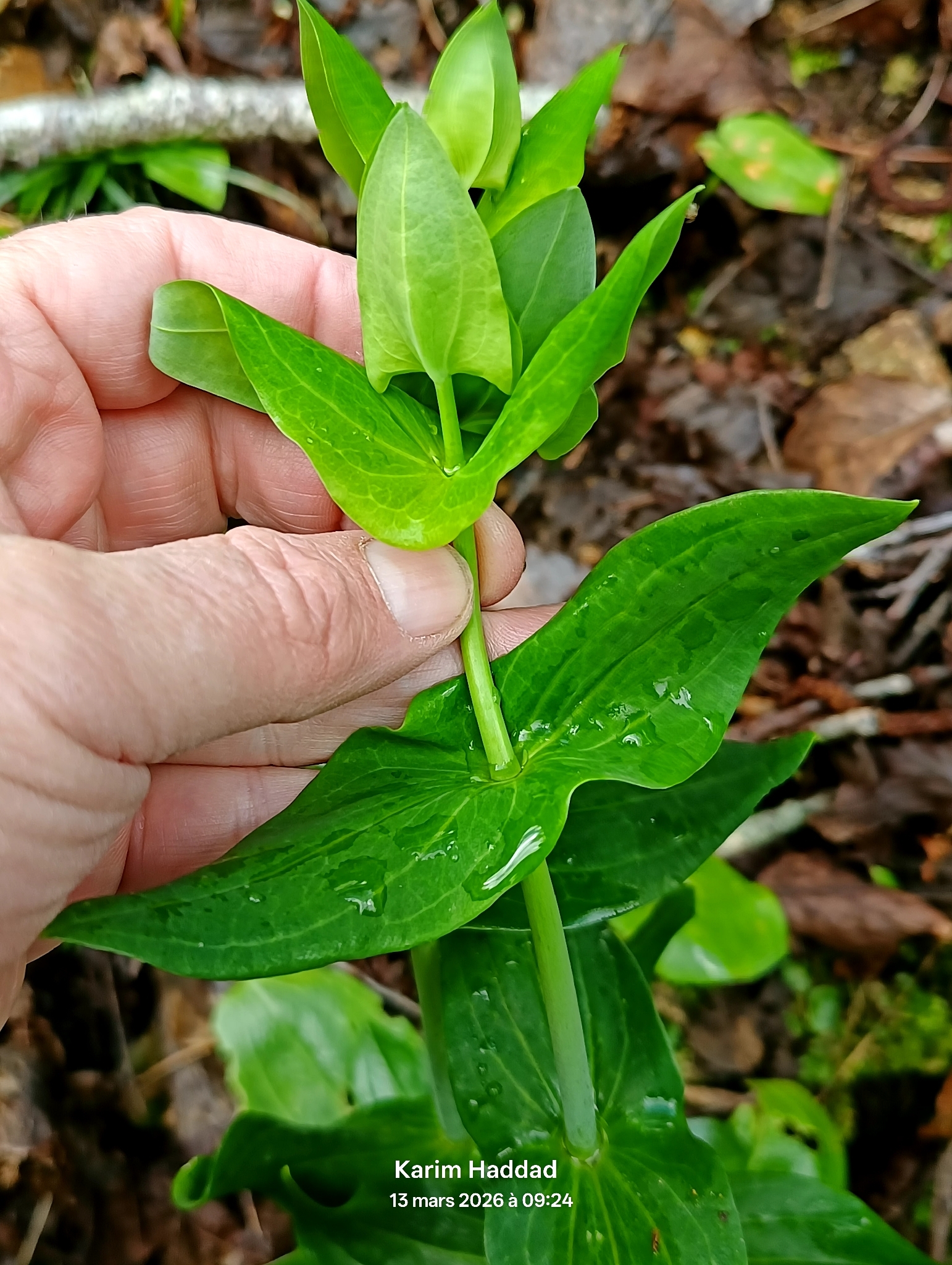
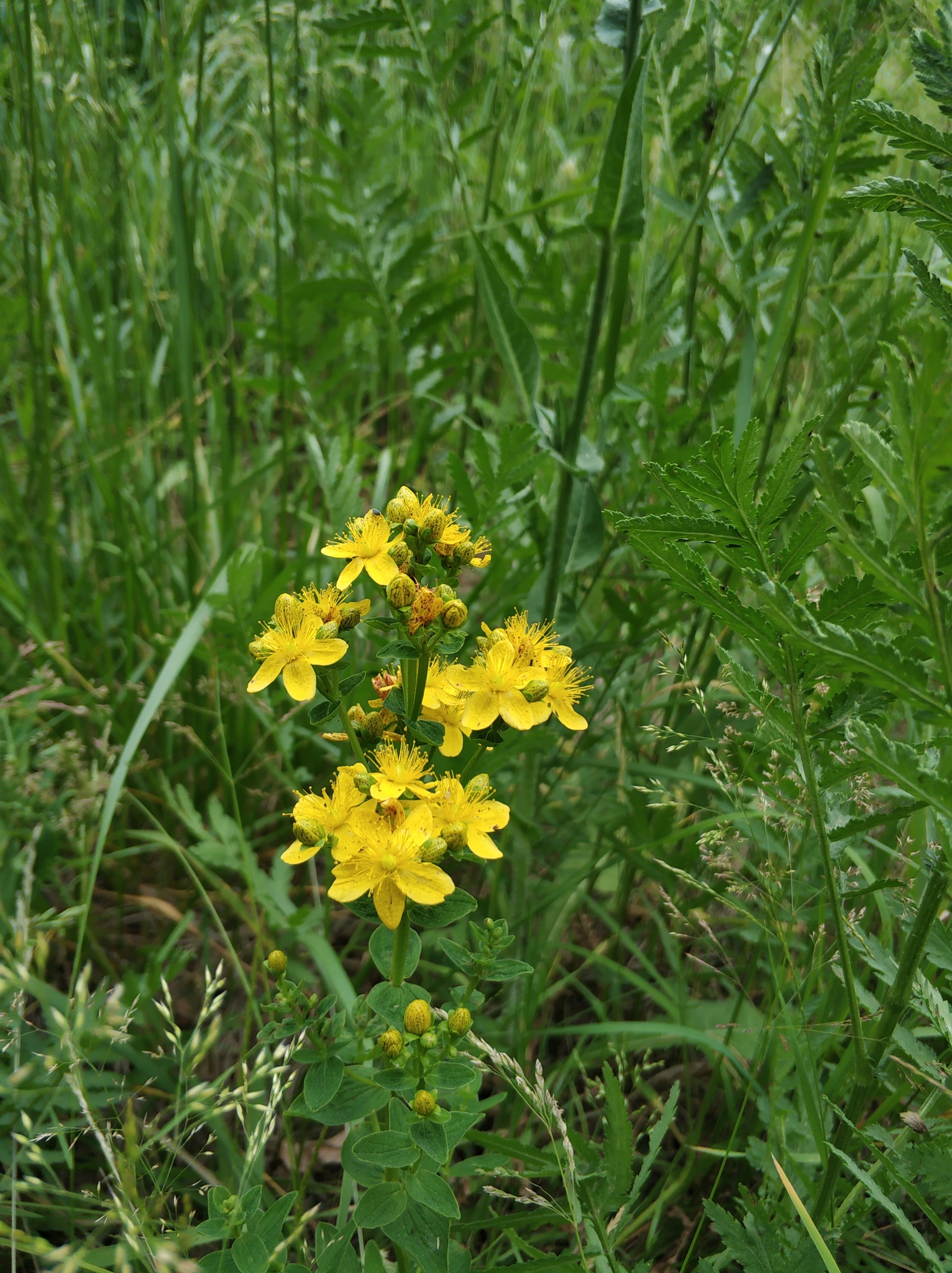
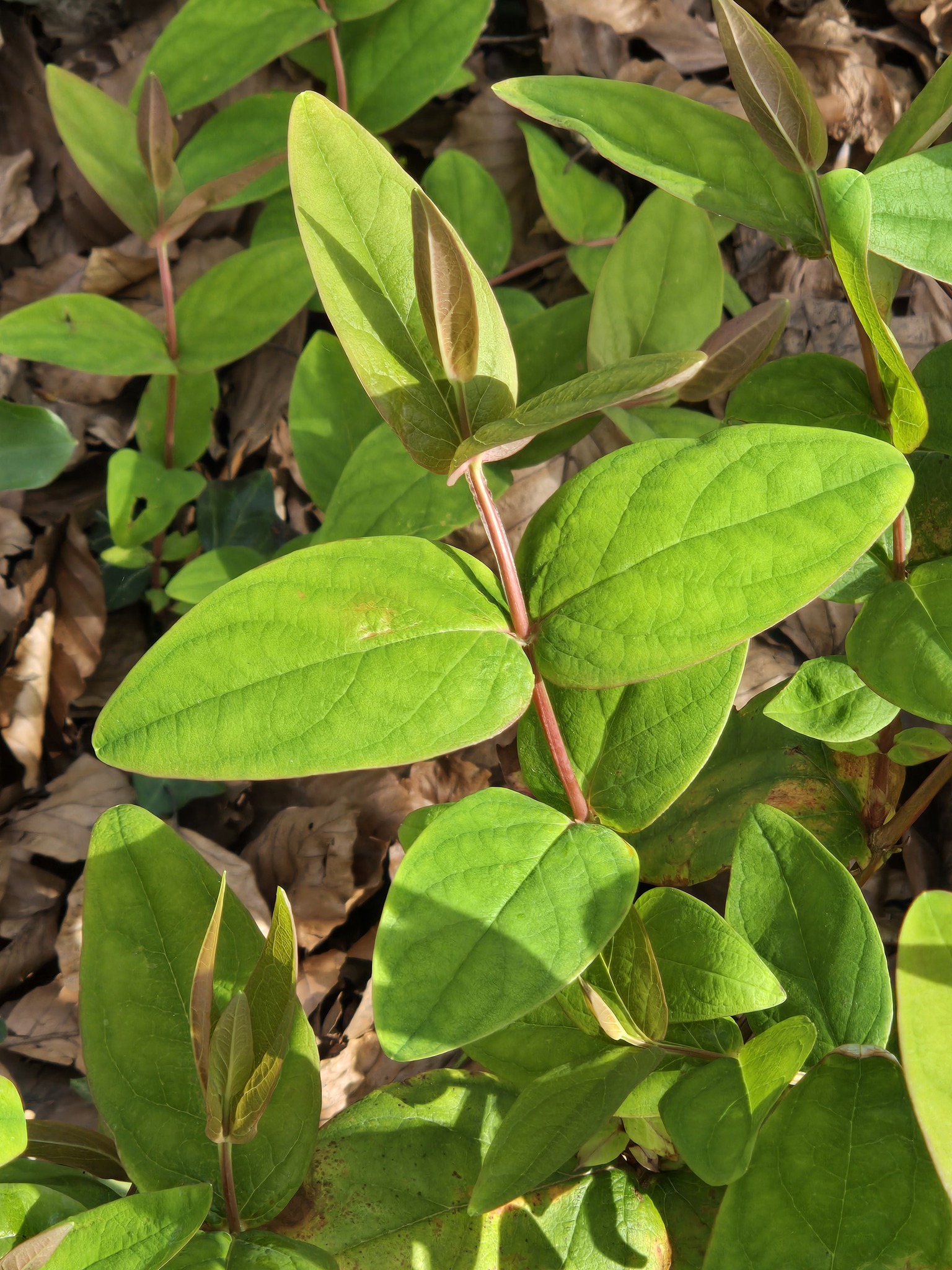
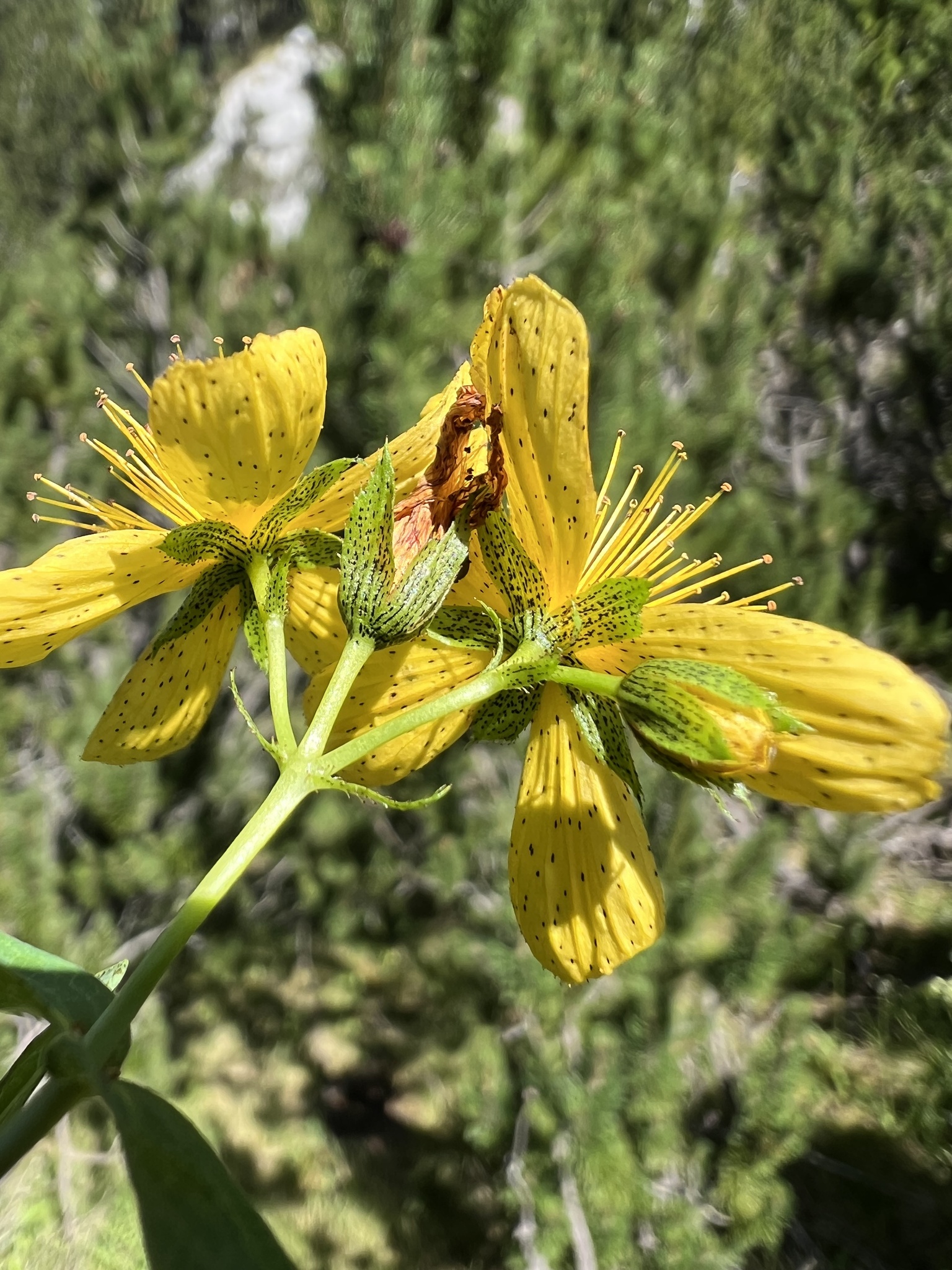
This St. Johnswort typically forms a dense, rounded shrub that can reach heights of 2 to 4 feet and spread to a similar width. The plant's growth habit is upright and bushy, providing a substantial presence in garden settings. Its leaves are a prominent feature, being ovate to oblong in shape, approximately 1 to 3 inches long, and a distinct blue-green color. These leaves are arranged oppositely along the stems and possess a somewhat leathery texture, contributing to the plant's overall refined appearance. During the summer months, Hypericum frondosum produces an abundance of bright, golden-yellow flowers. Each flower typically measures about 1.5 inches in diameter and features five prominent petals, often with a slightly crinkled texture. These showy blooms are borne in terminal clusters, creating a spectacular display that attracts pollinators. Following flowering, the plant develops small, woody capsules that contain numerous tiny seeds. The bark of mature stems is generally smooth and reddish-brown, becoming somewhat exfoliating with age.
The native range of Hypericum frondosum is primarily concentrated in the southeastern United States, particularly in states like Tennessee, Kentucky, and Alabama. It thrives in specific ecological niches, often found in cedar glades, open woodlands, and rocky, calcareous soils. These habitats are characterized by well-drained conditions and often receive ample sunlight. For successful cultivation, Hypericum frondosum prefers full sun to partial shade and thrives in well-drained soils, particularly those with a neutral to alkaline pH. It is known for its drought tolerance once established, making it a relatively low-maintenance plant for gardeners. Its adaptability to challenging soil conditions, such as those found in its native cedar glade habitats, further underscores its resilience.
While not widely recognized for medicinal or culinary uses, Hypericum frondosum holds ecological significance as a nectar source for various pollinators, including bees and butterflies, contributing to local biodiversity. Its ornamental value is considerable, offering a long season of bloom and attractive foliage that complements a variety of garden designs, from naturalistic plantings to more formal arrangements. The plant's ability to thrive in rocky or poor soils also makes it suitable for challenging sites. An interesting characteristic of this species is its adaptation to the specific soil conditions of cedar glades, which are often thin and alkaline, demonstrating its specialized ecological niche. The blue-green hue of its leaves is a distinctive trait that sets it apart from many other Hypericum species, providing a subtle yet elegant contrast in the landscape.
Water regularly, allowing soil to dry slightly between waterings.
Soil
Adaptable to various soil types, but thrives in well-drained, moderately fertile soil. Slightly acidic to neutral pH is preferred.
Temperature
Thrives in moderate temperatures.
Habitat
Outdoor
Fertilizer
Fertilize in early spring with a balanced, slow-release formula.
Care Requirements
Light
Prefers full sun to partial shade.
Afternoon shade beneficial in hot climates.
Water
Water regularly, allowing soil to dry slightly between waterings.
Ensure good drainage.
Soil
Adaptable to various soil types, but thrives in well-drained, moderately fertile soil. Slightly acidic to neutral pH is preferred.
Temperature
Thrives in moderate temperatures.
Ideal growing range 15-25 °C.
Habitat
Outdoor
Fertilizer
Fertilize in early spring with a balanced, slow-release formula.
Avoid over-fertilizing.
Plant Overview
Plant Type
Shrub
Plant Category
Flowering, Ornamental
Plant Place Type
Ground, Garden, Pot
Plant Environment
Outdoor
Lifespan
Perennials
Plant Height
0.6-1.2 m
Spread
0.9-1.5 m
Growth Rate
Moderate
Dormancy
Deciduous
Leaf Color
Green
Leaf Type
Simple
Flower Size
3-4 cm
Image Gallery
Flowering & Fruiting Cycles
Monthly activity intensity for bloom and fruit across both hemispheres.
Northern hemisphere
Flowering & fruiting calendar
Peak bloom · JulPeak fruit · Sep
FloweringFruiting
Southern hemisphere
Flowering & fruiting calendar
Peak bloom · AprPeak fruit · Mar
FloweringFruiting
Synonyms
Brathydium aureum K.Koch
Brathydium rugelianum (Kunze) K.Koch
Hypericum amoenum Pursh
Hypericum rugelianum Kunze
Hypericum splendens Small
Taxonomy
kingdomPlantae
divisionTracheophyta
classMagnoliopsida
orderMalpighiales
familyHypericaceae
genusHypericum
speciesHypericum frondosum
Toxicity
Toxic for humans
No
Rating: 0/5
Toxic for pets
No
Rating: 0/5
Edible
No
Additional Care Tips
Provide consistent moisture, particularly during establishment and dry spells. Reduce watering in winter. Ensure good drainage to prevent waterlogged conditions.
Prune in late winter or early spring before new growth begins. Remove dead or damaged branches and shape the plant as desired. Light pruning can encourage bushier growth and more blooms.
Easily propagated from semi-hardwood cuttings taken in summer. Seed propagation is also possible but may require stratification. Division of established clumps in spring is another method.
Repot container-grown plants every 2-3 years in spring. Use a well-draining potting mix. Ensure the new pot is only slightly larger than the previous one to avoid overwatering issues.
FAQs
When is the best time to prune Cedarglade St. Johnswort?
Prune in late winter or early spring before new growth begins to encourage a healthy shape and abundant flowering.
Does Hypericum frondosum need a lot of water?
It requires regular watering, especially during dry periods, but good drainage is crucial to prevent root rot. Allow the soil to dry slightly between waterings.
What kind of soil is best for Cedarglade St. Johnswort?
This plant prefers well-drained, moderately fertile soil. It is adaptable to various soil types but performs best in slightly acidic to neutral pH conditions.
Can Hypericum frondosum be grown in containers?
Yes, Cedarglade St. Johnswort can be grown in pots. Ensure the container has adequate drainage holes and use a well-draining potting mix.
Is Cedarglade St. Johnswort attractive to pollinators?
Yes, its bright yellow flowers are very attractive to bees and other beneficial pollinators, making it a good addition to pollinator-friendly gardens.