Leucaena Pulverulenta Tree (Leucaena pulverulenta) – Benefits, Growing Guide & Care | ePlant AI
Leucaena Pulverulenta (Leucaena pulverulenta)
Leucaena pulverulenta is a large shrub or small tree native to Texas and Mexico, known for its attractive foliage and ornamental value.
Leucaena pulverulenta, commonly known as the Texas wild tamarind or simply pulverulent leucaena, is a fascinating legume native to the southwestern United States and northeastern Mexico. This species holds significance within its arid and semi-arid native ecosystems, contributing to the biodiversity and ecological balance of these regions. It is a member of the Fabaceae family, a group of plants renowned for their nitrogen-fixing capabilities, which can enrich the soil.
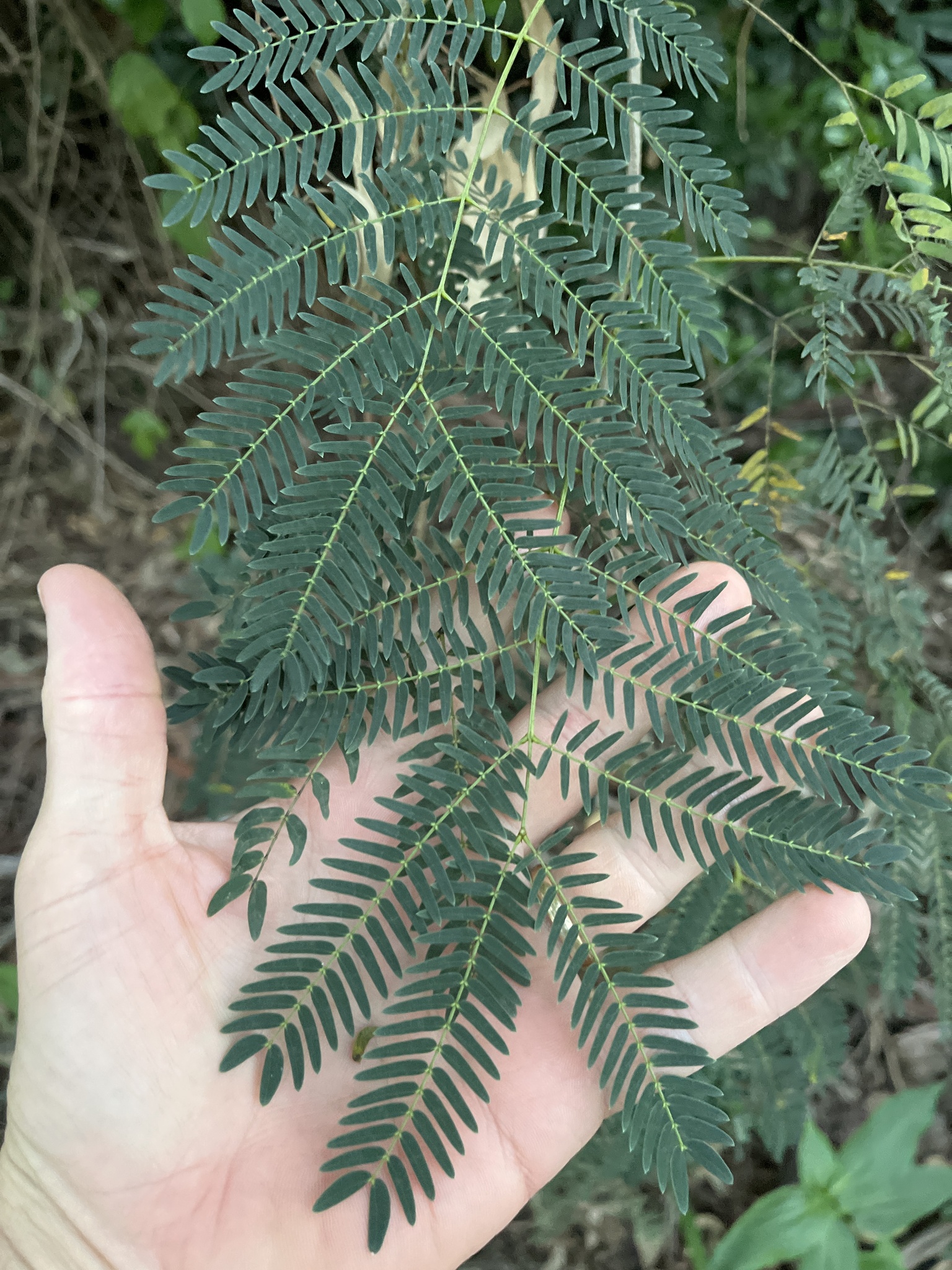
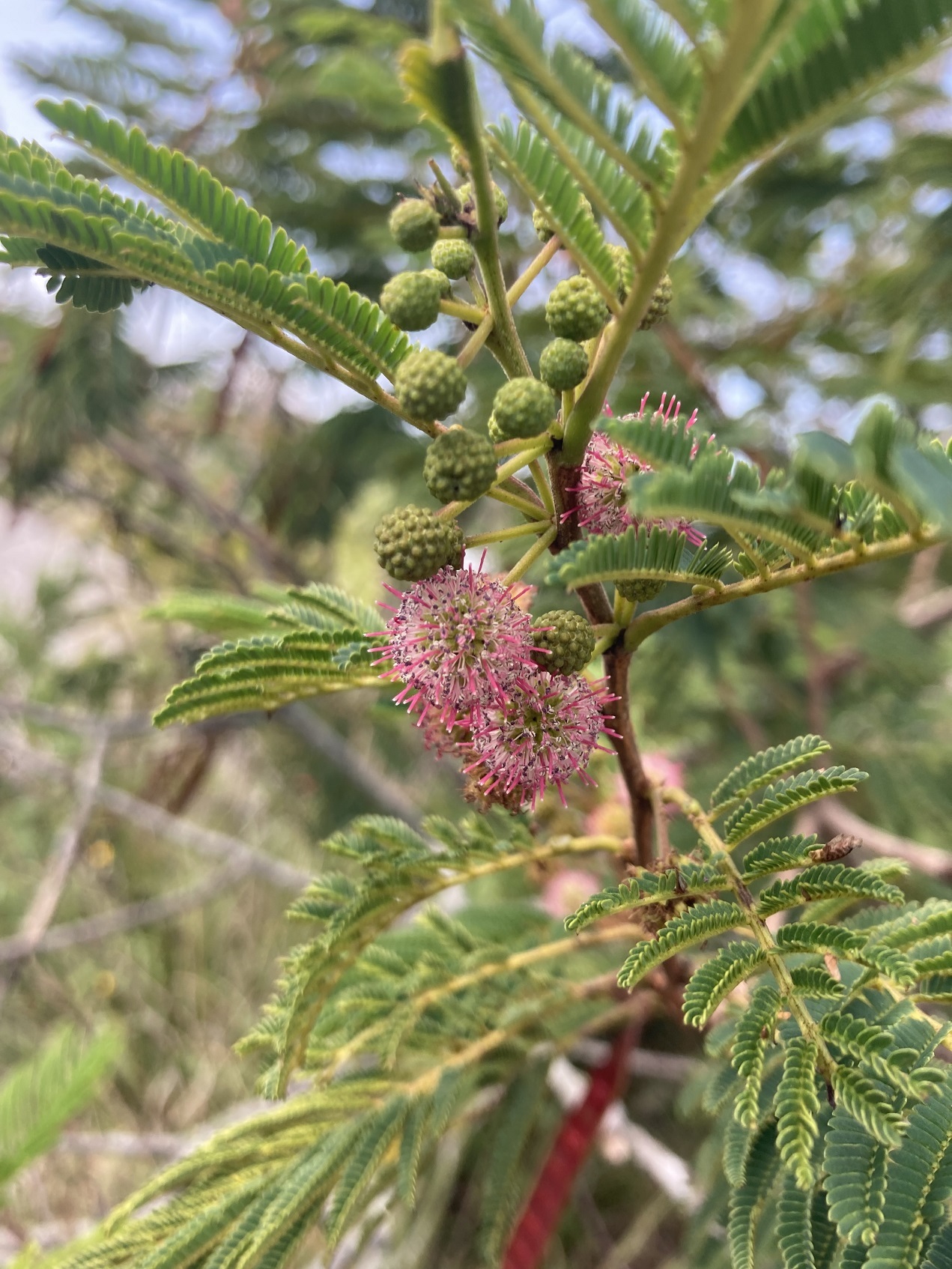
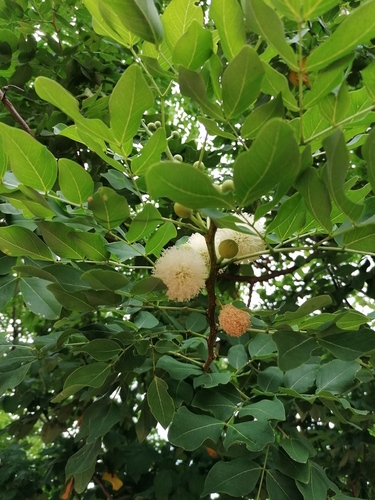
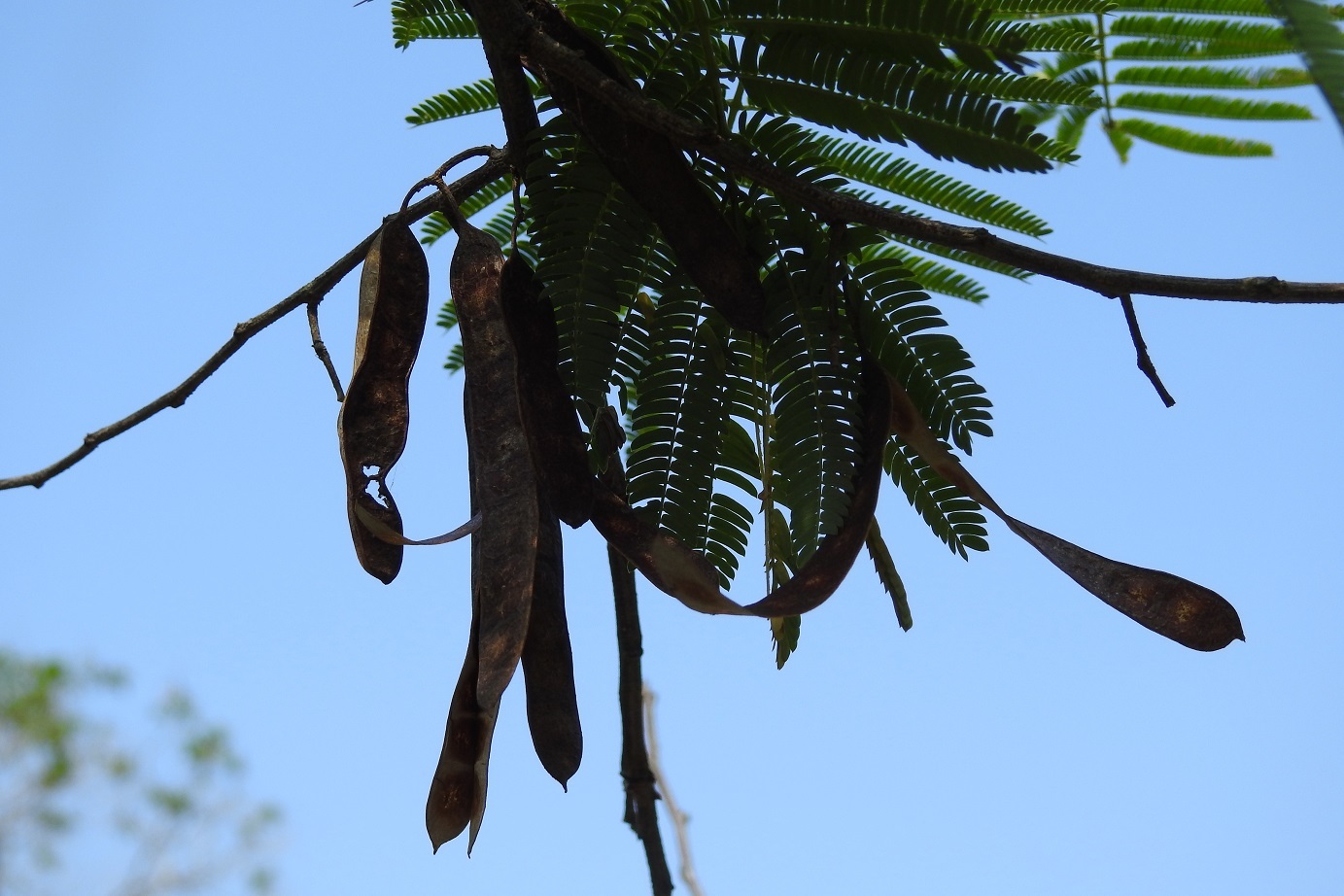
Physically, Leucaena pulverulenta is a shrub or small tree that typically reaches heights of 3 to 10 meters (10 to 33 feet), though it can occasionally grow taller. Its growth habit is often spreading and somewhat irregular, forming a dense canopy. The leaves are bipinnately compound, meaning each leaf is divided into smaller leaflets arranged along a central stem, which itself branches off the main leaf stalk. These leaflets are typically small and numerous, giving the foliage a delicate, feathery appearance. The bark is usually smooth and gray on younger stems, becoming rougher and darker with age. During its blooming period, Leucaena pulverulenta produces attractive, fluffy, creamy white to pale yellow flower heads, which are composed of many small, fragrant florets. These flowers are typically borne in dense, globose clusters. Following flowering, the plant develops flattened, leathery pods that contain numerous seeds. The pods are dark brown to black when mature and can persist on the plant for some time. The seeds themselves are hard, flattened, and oval-shaped.
The native distribution of Leucaena pulverulenta is primarily in arid and semi-arid regions, including parts of Texas, New Mexico, and Arizona in the United States, and extending into Coahuila, Nuevo León, and Tamaulipas in Mexico. It thrives in well-drained soils and is well-adapted to hot, dry climates. Its natural habitat often includes rocky slopes, desert scrublands, and open woodlands, where it can tolerate full sun and infrequent rainfall. While it is adapted to arid conditions, it can also be cultivated in areas with similar climates, provided adequate drainage is ensured.
Ecologically, Leucaena pulverulenta plays a role in its native environment by providing habitat and food for wildlife. As a legume, it contributes to soil fertility through nitrogen fixation. Ornamentally, its attractive foliage and delicate white flowers make it a desirable plant for xeriscaping and for gardens in dry regions seeking drought-tolerant species. Its ability to withstand harsh conditions and its aesthetic appeal are key attributes for horticultural interest. There is limited documented evidence regarding significant medicinal, culinary, or widespread agricultural uses for this specific species, with its primary value lying in its ecological contributions and ornamental potential in suitable environments. An interesting characteristic of Leucaena pulverulenta, shared by many legumes, is its ability to fix atmospheric nitrogen, a process that converts nitrogen gas into a form usable by plants, thereby enhancing soil health. This adaptation is crucial for survival and growth in nutrient-poor soils often found in its native arid habitats.
Well-drained soil is essential. Tolerates a range of soil types, including sandy and alkaline soils.
Temperature
Thrives in warm temperatures.
Habitat
Outdoor
Fertilizer
Fertilize sparingly in spring.
Care Requirements
Light
Prefers full sun to partial shade.
Tolerates heat and drought.
Water
Water when the top inch of soil is dry.
Reduce watering in cooler months.
Soil
Well-drained soil is essential. Tolerates a range of soil types, including sandy and alkaline soils.
Temperature
Thrives in warm temperatures.
Ideal growing range is 18-27°C.
Habitat
Outdoor
Fertilizer
Fertilize sparingly in spring.
Use a balanced, slow-release formula.
Plant Overview
Plant Type
Shrub, Tree
Plant Category
Flowering, Ornamental
Plant Place Type
Ground, Garden
Plant Environment
Outdoor
Lifespan
Perennials
Plant Height
3-6 m
Spread
2-4 m
Growth Rate
Moderate
Dormancy
None
Leaf Color
Green
Leaf Type
Compound
Flower Size
1-2 cm
Image Gallery
Flowering & Fruiting Cycles
Monthly activity intensity for bloom and fruit across both hemispheres.
Northern hemisphere
Flowering & fruiting calendar
Peak bloom · JunPeak fruit · Jun
FloweringFruiting
Southern hemisphere
Flowering & fruiting calendar
Peak bloom · JunPeak fruit · Jun
FloweringFruiting
Synonyms
Acacia esculenta M.Martens & Galeotti
Acacia pulverulenta Schltdl.
Taxonomy
kingdomPlantae
divisionTracheophyta
classMagnoliopsida
orderFabales
familyFabaceae
genusLeucaena
speciesLeucaena pulverulenta
Toxicity
Toxic for humans
No
Rating: 0/5
Toxic for pets
No
Rating: 0/5
Edible
No
Additional Care Tips
Water deeply when the top few inches of soil feel dry. Drought tolerant once established, but benefits from occasional watering during prolonged dry spells.
Prune in late winter or early spring to shape the plant, remove dead or damaged branches, and encourage bushier growth. Can be pruned hard to maintain size.
Easily propagated from seeds sown in spring, or from semi-hardwood cuttings taken in summer. Seeds may benefit from scarification or soaking.
Repot young plants annually or biennially in spring. Mature plants generally do not require frequent repotting and prefer to be slightly root-bound.
FAQs
What is the mature size of Leucaena pulverulenta?
Leucaena pulverulenta typically reaches a height of 3-6 meters with a spread of 2-4 meters, often forming a large shrub or small tree.
Does Leucaena pulverulenta require a lot of water?
Once established, it is quite drought tolerant. Water regularly during the growing season, but allow the soil to dry slightly between waterings.
What kind of soil does Leucaena pulverulenta prefer?
It prefers well-drained soil and can tolerate a variety of soil types, including sandy and alkaline conditions.
When is the best time to prune Leucaena pulverulenta?
Pruning is best done in late winter or early spring to shape the plant, remove any dead or damaged branches, and encourage a fuller form.
Is Leucaena pulverulenta poisonous to pets?
No, Leucaena pulverulenta is not considered poisonous to pets.