Gray Ironbark Tree (Eucalyptus paniculata) – Growing Guide, Care & Benefits | ePlant AI
Gray Ironbark (Eucalyptus paniculata)
Black Ironbark
Gray Ironbark
Grey Ironbark
Manna Eucalyptus
Manna Gum
Gray Ironbark (Eucalyptus paniculata) is a large evergreen tree native to eastern Australia, known for its hard, iron-like bark and valuable timber.
Eucalyptus paniculata, commonly known as Gray Ironbark, is a significant species within the vast Eucalyptus genus, native to eastern Australia. This robust tree is recognized for its exceptionally hard, durable timber and its distinctive bark, which contributes to its ecological role and aesthetic appeal in its natural environment. As a member of the Myrtaceae family, it plays a vital part in the Australian landscape, providing habitat and resources for various fauna.
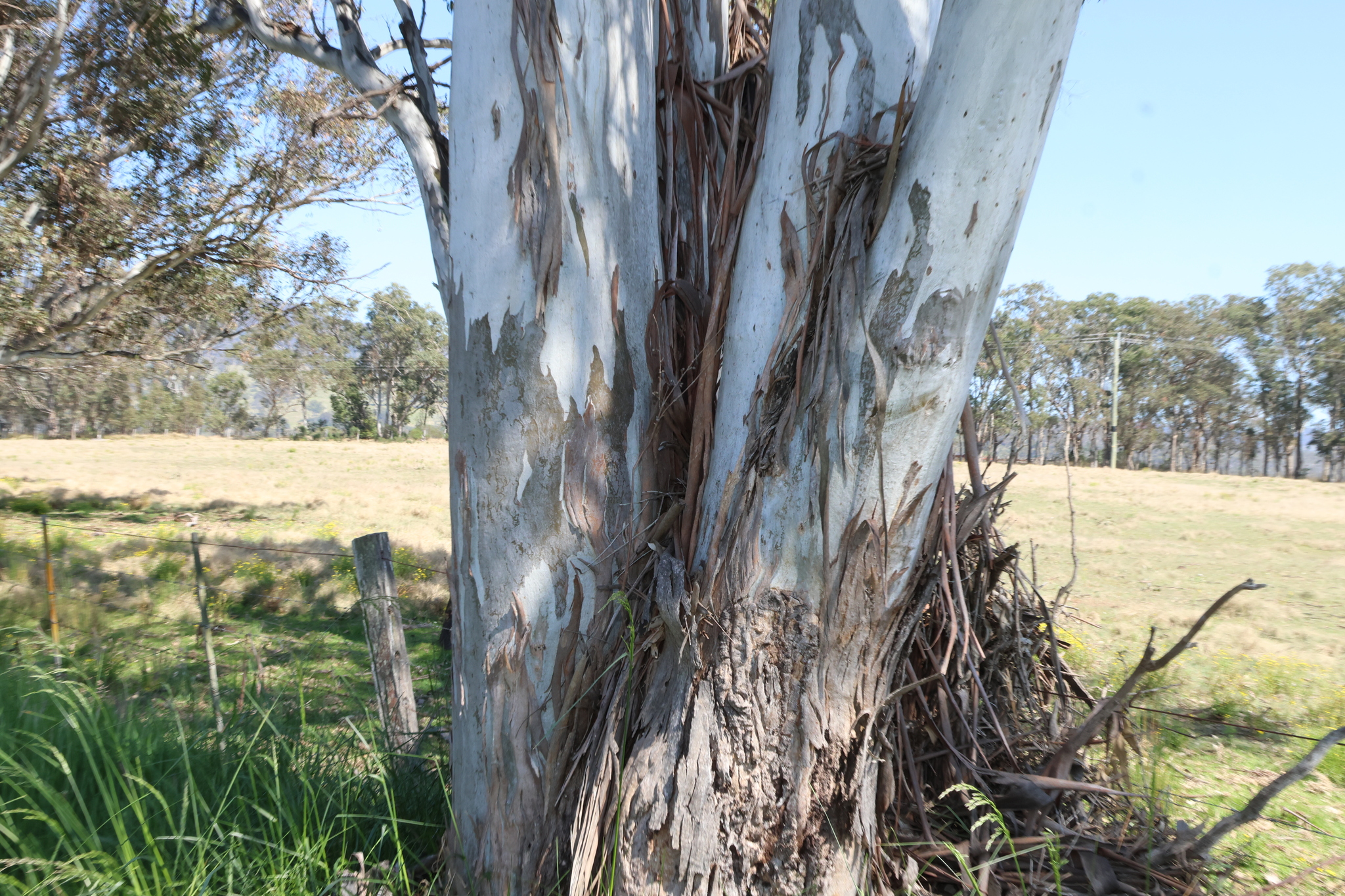
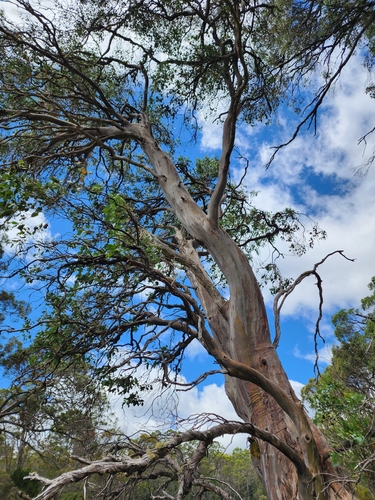
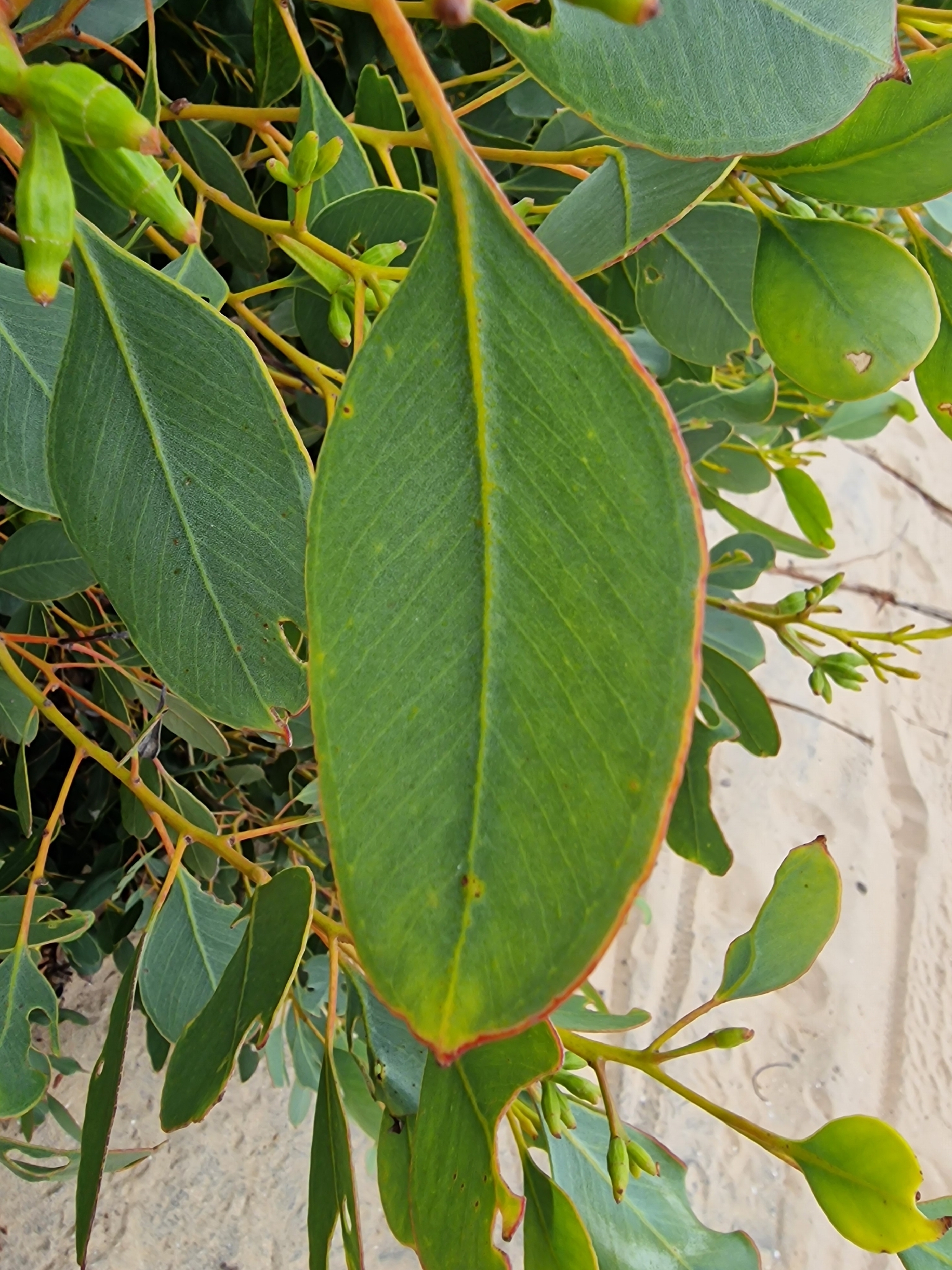
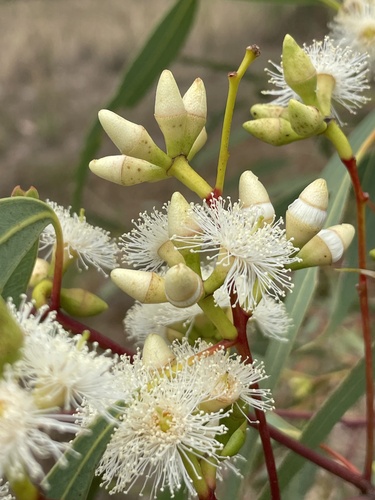
Physically, Eucalyptus paniculata is a large forest tree, typically reaching heights of 20 to 40 meters, though it can occasionally grow taller. Its growth habit is erect and stately, forming a substantial canopy. The leaves are lanceolate to ovate, measuring between 7 and 15 centimeters in length and 2 to 4 centimeters in width. They are typically a glossy green on both surfaces, with a characteristic venation pattern. The flowers, which appear in the summer months, are creamy white and borne in clusters of seven to eleven in the umbels. These flowers are followed by woody, hemispherical to ovoid capsules, approximately 0.8 to 1.5 centimeters in diameter, which contain small, dark seeds. The most striking feature of Eucalyptus paniculata is its bark. It is a deeply furrowed, hard, and rough bark that extends from the base of the trunk to the smaller branches, exhibiting a characteristic dark gray to blackish hue, hence the common name "Gray Ironbark." This dense, fibrous bark is highly resistant to fire, offering protection to the tree's cambium layer.
The native distribution of Eucalyptus paniculata is primarily along the coastal regions and adjacent escarpments of New South Wales and southeastern Queensland. It thrives in a variety of habitats, from coastal heaths and woodlands to more mesic forests, often growing on sandstone-derived soils. It prefers well-drained sites and can tolerate a range of light conditions, from full sun to partial shade. While it is a species adapted to its native Australian climate, it has demonstrated some adaptability to cultivation in suitable environments outside its natural range, provided conditions mimic its preference for well-drained soils and adequate sunlight.
Historically and economically, the timber of Eucalyptus paniculata is highly valued for its exceptional hardness, strength, and durability, making it suitable for heavy construction, railway sleepers, and flooring. Its resistance to decay and insect attack further enhances its utility. Ecologically, the Gray Ironbark is an important component of its ecosystem, providing shelter and food for native wildlife. Its flowers are a nectar source for insects and birds, and its foliage is browsed by various arboreal mammals.
An interesting adaptation of Eucalyptus paniculata, shared with many other eucalypts, is its lignotuber, a woody swelling at the base of the stem that contains dormant buds. This structure allows the tree to resprout vigorously after disturbances such as fire or logging, ensuring its survival and regeneration. The dense, iron-like bark also plays a crucial role in its resilience to the frequent bushfires characteristic of its native Australian environment.
Water regularly when young, drought tolerant when mature.
Soil
Prefers well-drained soils, adaptable to various soil types.
Temperature
Prefers mild to warm temperatures.
Habitat
Outdoor
Fertilizer
Low to moderate feeding.
Care Requirements
Light
Full sun.
Requires at least 6 hours of direct sunlight daily.
Water
Water regularly when young, drought tolerant when mature.
Soil
Prefers well-drained soils, adaptable to various soil types.
Temperature
Prefers mild to warm temperatures.
Ideal range 15-25°C, tolerates some frost when mature.
Habitat
Outdoor
Fertilizer
Low to moderate feeding.
Use balanced fertilizer sparingly in spring.
Plant Overview
Plant Type
Tree
Plant Category
Foliage, Ornamental
Plant Place Type
Ground, Garden
Plant Environment
Outdoor
Lifespan
Perennials
Plant Height
20-50 m
Spread
10-20 m
Growth Rate
Moderate
Dormancy
None
Leaf Color
Green
Leaf Type
Lanceolate
Flower Size
0.5-1 cm
Optimal Sunlight Lux
100000
Image Gallery
Flowering & Fruiting Cycles
Monthly activity intensity for bloom and fruit across both hemispheres.
Northern hemisphere
Flowering & fruiting calendar
Peak bloom · JulPeak fruit · Aug
FloweringFruiting
Southern hemisphere
Flowering & fruiting calendar
Peak bloom · JunPeak fruit · Jul
FloweringFruiting
Synonyms
Eucalyptus nanglei R.T.Baker
Eucalyptus placita L.A.S.Johnson & K.D.Hill
Taxonomy
kingdomPlantae
divisionTracheophyta
classMagnoliopsida
orderMyrtales
familyMyrtaceae
genusEucalyptus
speciesEucalyptus paniculata
Toxicity
Toxic for humans
No
Rating: 0/5
Toxic for pets
No
Rating: 0/5
Edible
No
Additional Care Tips
Water deeply and regularly when young. Once established, it is quite drought-tolerant, but benefits from occasional watering during prolonged dry spells to maintain health and vigor.
Prune to shape young trees or remove dead, damaged, or crossing branches. Heavy pruning is generally not recommended as it can affect the tree's natural form and health.
Best propagated from seed sown in spring. Seeds require stratification or scarification for optimal germination. Cuttings can be difficult to root.
Not applicable for this large tree species, which is grown outdoors in the ground.
FAQs
What is the best soil for Eucalyptus paniculata?
Eucalyptus paniculata thrives in well-drained soils and is adaptable to a range of soil types, including sandy loams and clay loams. It does not tolerate waterlogged conditions.
How often should Gray Ironbark be watered?
Young trees require regular watering to establish. Once mature, Eucalyptus paniculata is drought-tolerant and needs watering only during extended dry periods.
Is Eucalyptus paniculata suitable for small gardens?
No, Eucalyptus paniculata is a large tree that can reach heights of 50 meters, making it unsuitable for small gardens. It requires ample space to grow.
When does Eucalyptus paniculata bloom?
Eucalyptus paniculata typically blooms in the summer months, producing creamy white flowers that attract pollinators.
What are the benefits of its ironbark?
The hard, deeply furrowed, iron-like bark provides excellent protection against fire and termites, contributing to the tree's longevity and ecological role.