Lignum-Vitae Tree (Guaiacum officinale) – Growing Guide, Benefits & Care | ePlant AI
Lignum-Vitae (Guaiacum officinale)
Guaiacum officinale, commonly known as Lignum-Vitae, is a slow-growing tree from the Caribbean, valued for its extremely dense, hard wood and medicinal properties.
Guaiacum officinale, commonly known as Lignum-Vitae, is a remarkable tree renowned for its exceptional wood and historical significance. This species holds a unique place in botanical and economic history, primarily due to the dense, resinous properties of its timber.
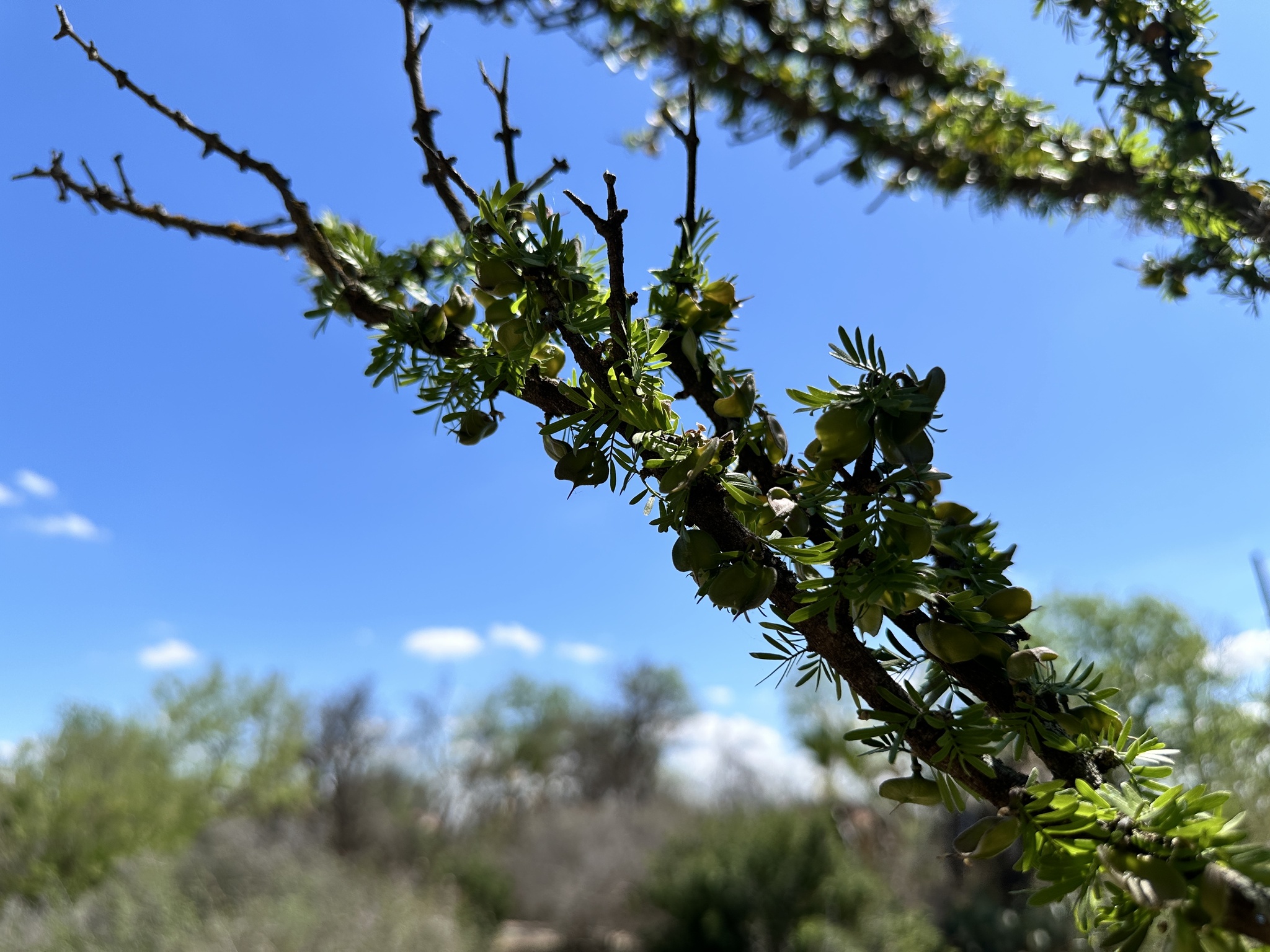
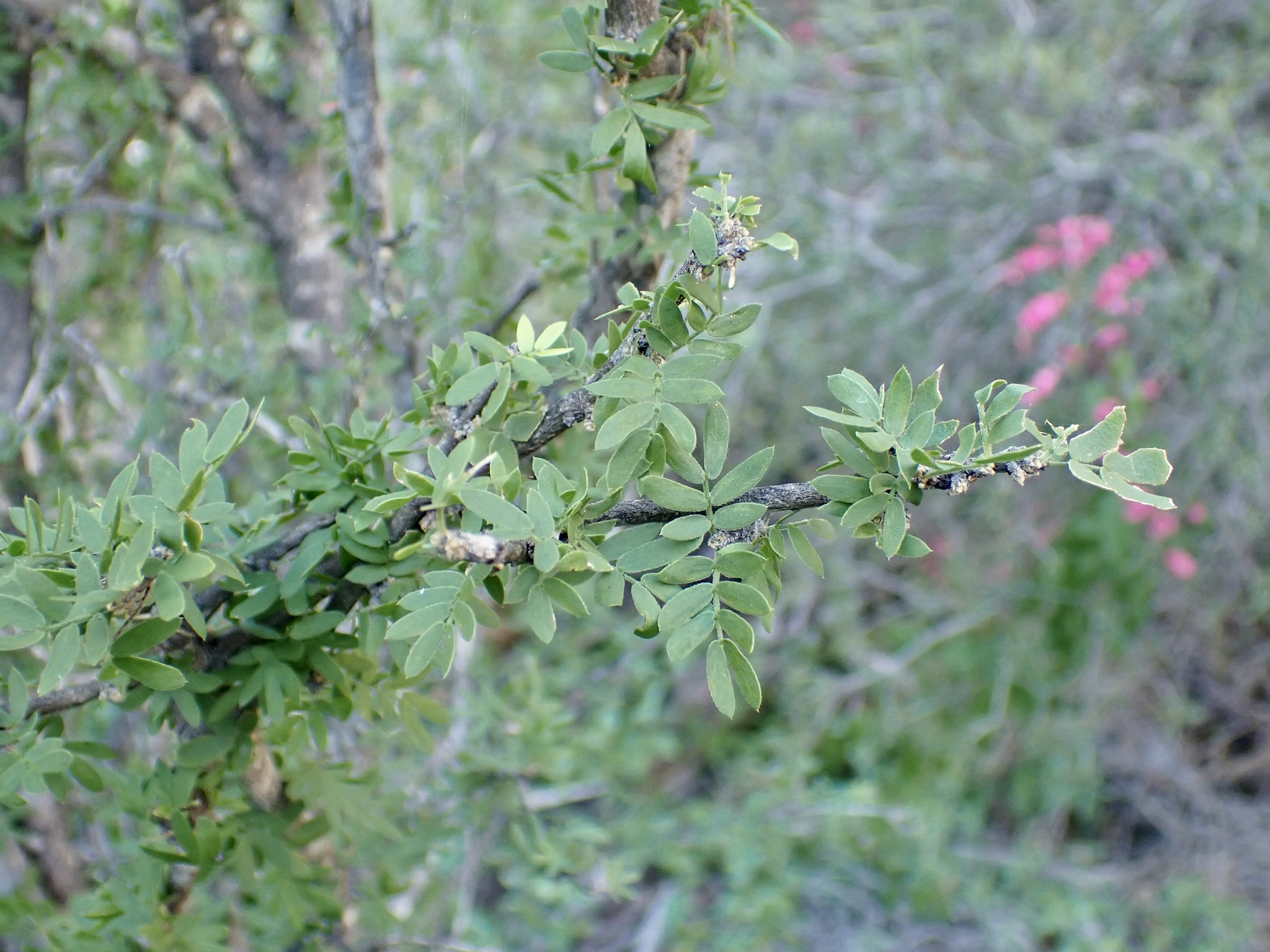
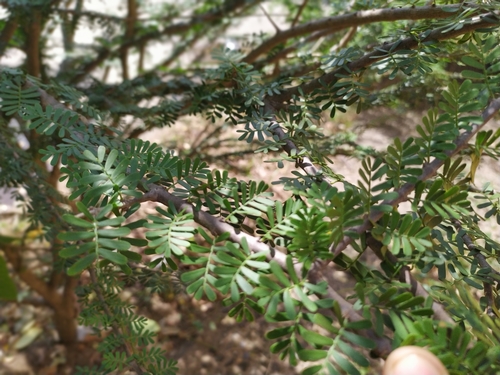
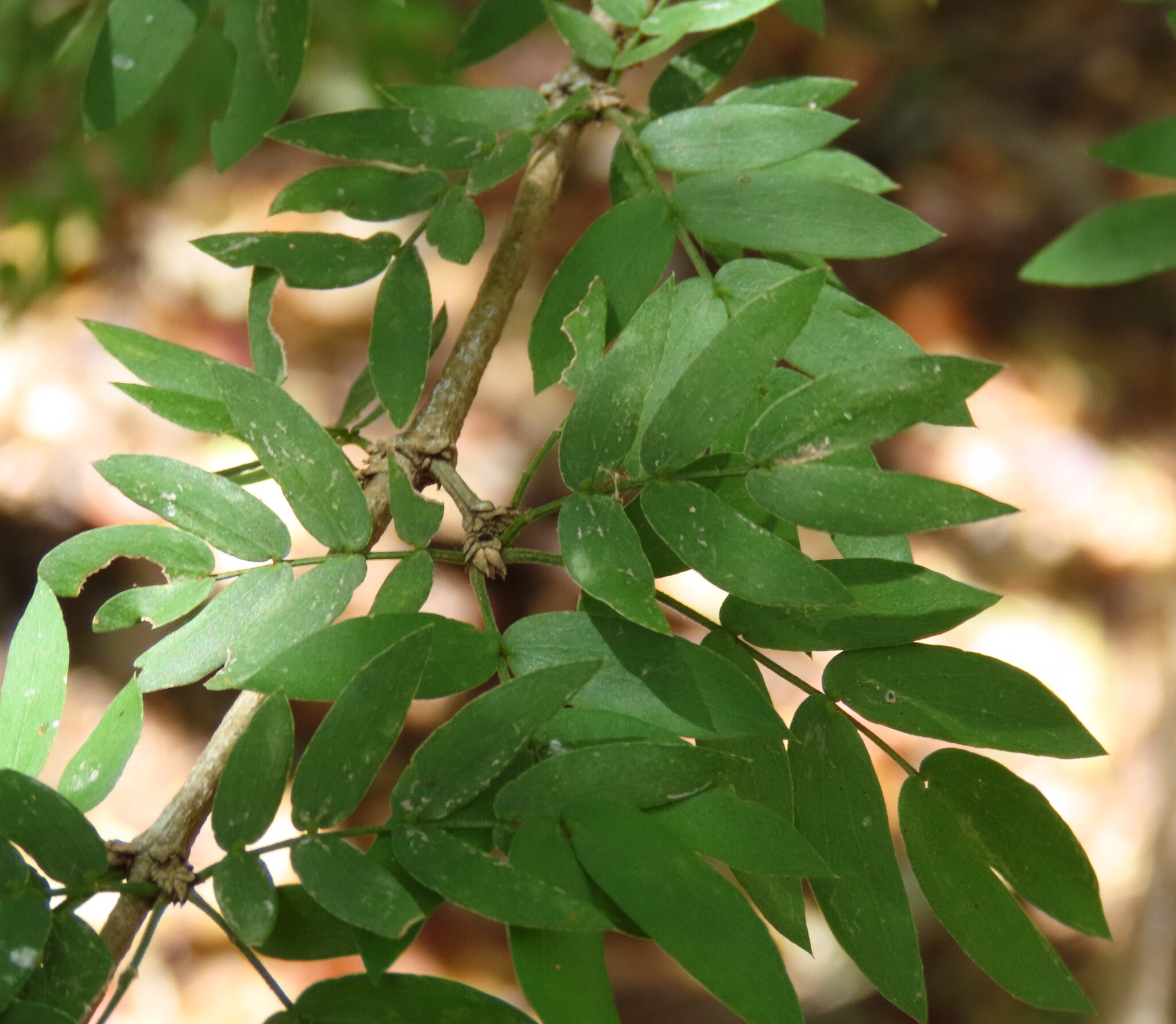
Physically, Guaiacum officinale is a slow-growing, evergreen tree that typically reaches a moderate size, often between 6 to 12 meters (20 to 40 feet) in height, though it can occasionally grow larger. Its habit is somewhat spreading, with a short trunk and a dense, rounded crown. The bark is smooth and grayish. The leaves are compound, typically consisting of two to three pairs of obovate to elliptic leaflets that are leathery and dark green. The flowers are a striking feature, borne in small clusters. They are zygomorphic, meaning they have bilateral symmetry, and are typically a beautiful sky-blue to violet color, with five petals. The fruit is a small, flattened capsule that contains one or two seeds. A notable characteristic of the wood is its extreme density and hardness, making it one of the heaviest woods in the world. It is also known for its self-lubricating properties due to a high resin content.
The native distribution of Guaiacum officinale is primarily in the Caribbean region, including islands such as Cuba, Hispaniola, Jamaica, and Puerto Rico, as well as parts of northern South America. It thrives in arid to semi-arid coastal areas, often found in rocky limestone soils, scrublands, and dry forests. Cultivation outside its native range is limited, owing to its slow growth and specific habitat requirements.
Historically, Lignum-Vitae has held immense economic importance. Its dense, durable, and self-lubricating wood made it indispensable for various applications where friction and wear were significant concerns. It was extensively used for making bearings in ship propellers, pump shafts, and machinery parts during the age of sail and early industrialization. Beyond its mechanical uses, the resin extracted from the wood, known as guaiacum resin, has a long history of medicinal use. It was traditionally employed for treating ailments such as rheumatism, gout, and syphilis, and was recognized in early pharmacopoeias. While these medicinal uses have largely been superseded by modern pharmaceuticals, the historical significance of Guaiacum officinale in both industry and medicine is undeniable.
An interesting adaptation of Guaiacum officinale is its ability to thrive in nutrient-poor, arid environments, a testament to its resilience. The slow growth rate contributes to the density and strength of its wood, a characteristic that has defined its utility for centuries. The striking blue flowers also add to its aesthetic appeal, though its primary recognition remains tied to its exceptional timber.
Water when top inch of soil is dry. Avoid waterlogging.
Soil
Well-draining, sandy loam or rocky soil. Tolerates poor, alkaline soils.
Temperature
Ideal growing range is 20-30°C.
Habitat
Outdoor, Greenhouse
Fertilizer
Fertilize sparingly in spring with a balanced, slow-release fertilizer.
Care Requirements
Light
Prefers full sun to partial shade.
Protect young plants from intense midday sun.
Water
Water when top inch of soil is dry. Avoid waterlogging.
Reduce in cooler months.
Soil
Well-draining, sandy loam or rocky soil. Tolerates poor, alkaline soils.
Temperature
Ideal growing range is 20-30°C.
Protect from frost.
Habitat
Outdoor, Greenhouse
Fertilizer
Fertilize sparingly in spring with a balanced, slow-release fertilizer.
Avoid over-fertilization.
Plant Overview
Plant Type
Tree
Plant Category
Medicinal, Ornamental
Plant Place Type
Ground
Plant Environment
Outdoor, Greenhouse
Lifespan
Perennials
Plant Height
6-12 m
Spread
5-8 m
Growth Rate
Slow
Dormancy
None
Leaf Color
Green
Leaf Type
Compound
Flower Size
2-3 cm
Image Gallery
Flowering & Fruiting Cycles
Monthly activity intensity for bloom and fruit across both hemispheres.
Northern hemisphere
Flowering & fruiting calendar
Peak bloom · JunPeak fruit · Jun
FloweringFruiting
Southern hemisphere
Flowering & fruiting calendar
Peak bloom · JulPeak fruit · Jul
FloweringFruiting
Synonyms
Guaiacum bijugum Stokes
Guaiacum breynii Spreng.
Taxonomy
kingdomPlantae
divisionTracheophyta
classMagnoliopsida
orderZygophyllales
familyZygophyllaceae
genusGuaiacum
speciesGuaiacum officinale
Toxicity
Toxic for humans
No
Rating: 0/5
Toxic for pets
No
Rating: 0/5
Edible
No
Additional Care Tips
Water regularly during the growing season, allowing the soil to dry slightly between waterings. Reduce watering in cooler months.
Prune lightly to shape and remove dead or damaged branches. Avoid heavy pruning, as it can stress the slow-growing tree.
Propagation is typically done by seeds, which require scarification and stratification. Cuttings are difficult to root.
Repotting is rarely necessary for established trees. Young plants in containers should be repotted every 2-3 years into a slightly larger pot.
FAQs
Is Lignum-Vitae poisonous to pets or humans?
Guaiacum officinale is not considered poisonous to pets or humans. However, it is not intended for consumption.
What are the care requirements for Guaiacum officinale?
It requires full sun to partial shade, well-draining soil, and moderate watering. It is a slow-growing tree that needs minimal pruning and fertilization.
Why is Lignum-Vitae wood so valuable?
Its wood is exceptionally dense, hard, and durable, making it resistant to wear and decay. Historically, it was used for bearings, propellers, and medicinal purposes.
How long does it take for Guaiacum officinale to grow?
Guaiacum officinale is a very slow-growing tree. It can take many years, often decades, to reach its mature height and develop its characteristic dense wood.
Can Lignum-Vitae be grown indoors?
While it can be grown in a greenhouse or as a young plant in a large container indoors, it is best suited for outdoor cultivation in tropical or subtropical climates due to its size and light requirements.