Cecropia Albicans Outdoor Foliage Tree Care Guide | ePlant AI
Cecropia Albicans (Cecropia albicans)
Cecropia albicans is a fast-growing tree native to South America, known for its distinctive palmate leaves and hollow stems.
Cecropia albicans is a species of tree belonging to the Cecropia genus, commonly known as trumpet trees or ambay trees. These trees are characteristic of Neotropical forests and play a significant role in their ecosystems. Cecropia albicans is recognized for its rapid growth and distinctive morphology, making it a notable component of secondary forests and disturbed areas.
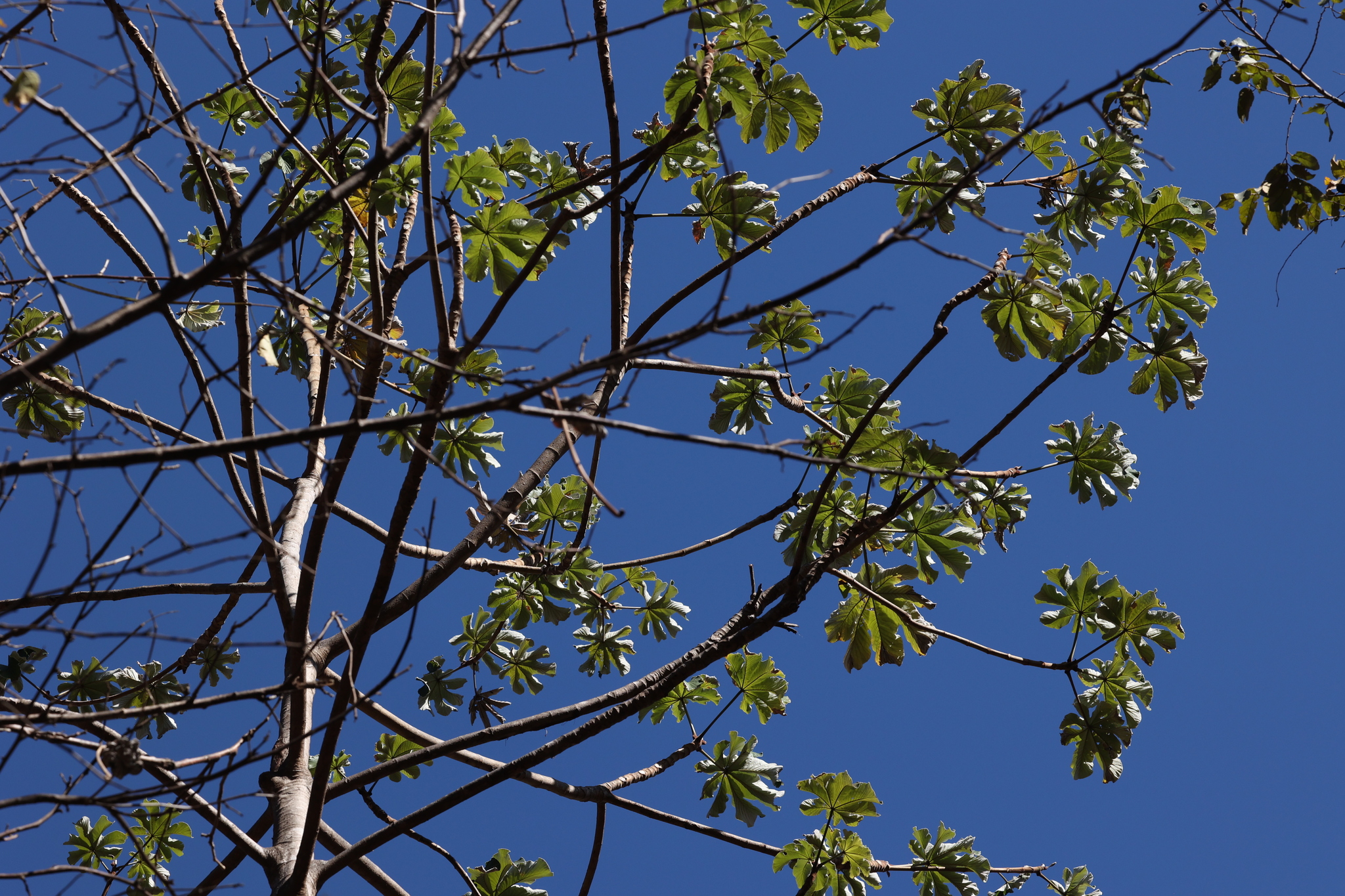
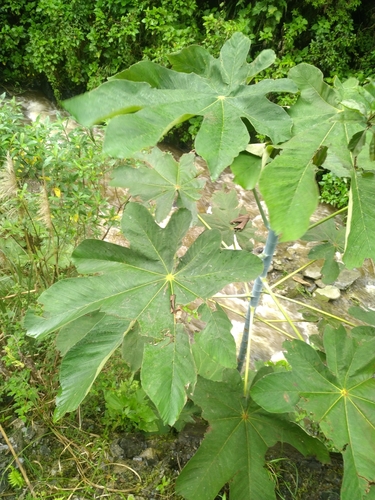
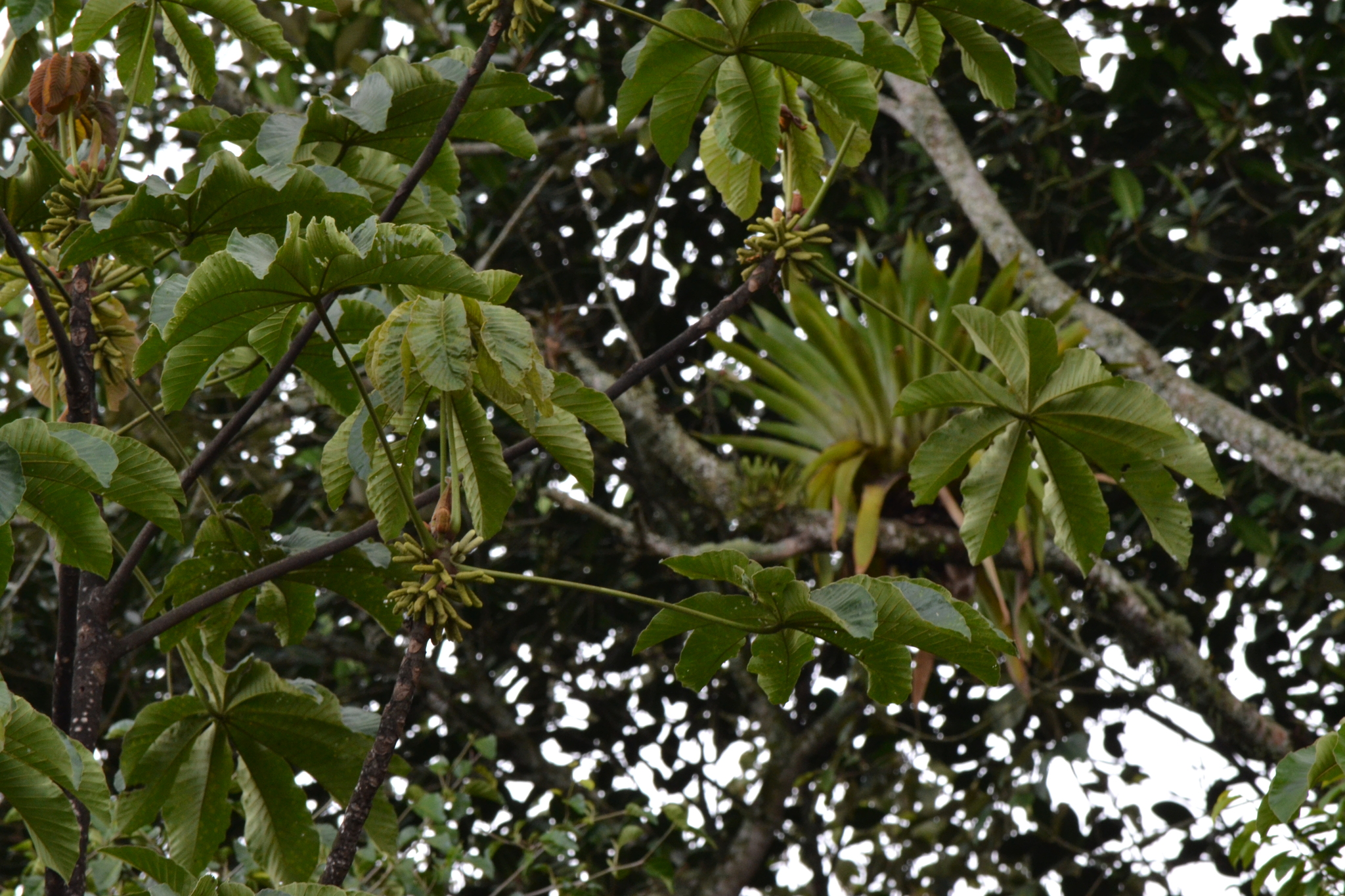
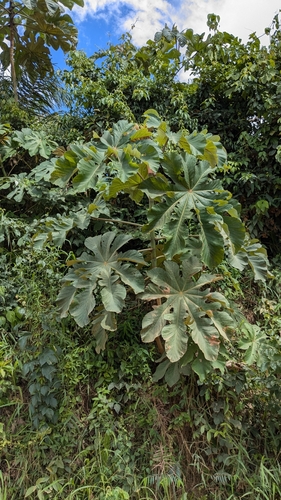
Physically, Cecropia albicans is a medium to large tree, typically reaching heights of 15 to 25 meters, though some specimens can grow taller. Its growth habit is often described as fast-growing and somewhat open, with a relatively short trunk and a spreading crown. The trunk is usually slender and hollow, a common characteristic of many Cecropia species, and is often supported by stilt roots at the base, particularly in younger trees or those growing in wet environments. The bark is smooth and pale gray to whitish, which contributes to its scientific name "albicans," meaning whitish. The leaves are large, palmate, and deeply lobed, often with five to nine lobes. They are typically dark green on the upper surface and covered with a dense layer of white hairs on the lower surface, giving them a silvery appearance. This dense white pubescence is a key characteristic distinguishing it from some other Cecropia species. The inflorescences are unisexual and borne on separate male and female trees. They are typically cylindrical spikes, often clustered at the branch tips. The fruits are small, drupe-like, and borne in dense spikes, which are dispersed by wind or animals.
The native distribution of Cecropia albicans is primarily in South America, extending across various countries including Brazil, Bolivia, Paraguay, and Argentina. It thrives in a range of tropical and subtropical habitats, commonly found in lowland rainforests, gallery forests along rivers, and in secondary forests that have regenerated after disturbance, such as logging or fires. It prefers well-drained soils but can tolerate a variety of soil types. Cultivation requirements are generally straightforward for this species, given its adaptability. It prefers warm climates with ample rainfall and full sun exposure. Its rapid growth rate makes it suitable for reforestation projects and for providing quick canopy cover in degraded areas.
Cecropia albicans holds ecological importance as a pioneer species, colonizing open and disturbed sites rapidly. Its abundant seed production and efficient dispersal mechanisms contribute to its success in these environments. The hollow stems of Cecropia species are famously known to house colonies of Azteca ants, a symbiotic relationship where the ants protect the tree from herbivores and in return receive shelter and food bodies produced by the tree. While specific documented uses for Cecropia albicans are less extensively recorded compared to some other Cecropia species, the genus as a whole has been utilized for various purposes. Historically, some Cecropia species have been used in traditional medicine for their anti-inflammatory and wound-healing properties, and their wood, being lightweight, has found uses in construction and for making paper pulp. However, it is crucial to rely on specific scientific documentation for any medicinal or economic claims related to Cecropia albicans.
An interesting characteristic of Cecropia albicans, shared with other Cecropia species, is its role in succession. As a fast-growing pioneer species, it quickly establishes itself in open areas, providing shade and habitat for other plants to establish beneath its canopy, thus facilitating the regeneration of more complex forest structures. The distinctive white underside of its leaves is an adaptation that may help reflect excess sunlight and reduce water loss, particularly in exposed, sunny environments.
Water regularly, allowing soil to dry slightly between waterings.
Soil
Well-draining soil is essential. Prefers fertile, loamy soils but tolerates a range.
Temperature
Thrives in warm temperatures.
Habitat
Outdoor
Fertilizer
Feed with a balanced liquid fertilizer during the growing season.
Care Requirements
Light
Prefers full sun to partial shade.
Protect young plants from intense midday sun.
Water
Water regularly, allowing soil to dry slightly between waterings.
Avoid waterlogged conditions.
Soil
Well-draining soil is essential. Prefers fertile, loamy soils but tolerates a range.
Temperature
Thrives in warm temperatures.
Ideal range is 20-30°C. Sensitive to frost.
Habitat
Outdoor
Fertilizer
Feed with a balanced liquid fertilizer during the growing season.
Every 4-6 weeks from spring to summer.
Plant Overview
Plant Type
Tree
Plant Category
Foliage
Plant Place Type
Ground
Plant Environment
Outdoor
Lifespan
Perennials
Plant Height
10-20 m
Spread
5-10 m
Growth Rate
Fast
Dormancy
None
Leaf Color
Green, Silver
Leaf Type
Palmate
Image Gallery
Flowering & Fruiting Cycles
Monthly activity intensity for bloom and fruit across both hemispheres.
Northern hemisphere
Flowering & fruiting calendar
Peak bloom · JunPeak fruit · Jul
FloweringFruiting
Southern hemisphere
Flowering & fruiting calendar
Peak bloom · SepPeak fruit · Oct
FloweringFruiting
Synonyms
Ambaiba albicans (Trécul) Kuntze
Taxonomy
kingdomPlantae
divisionTracheophyta
classMagnoliopsida
orderRosales
familyUrticaceae
genusCecropia
speciesCecropia albicans
Toxicity
Toxic for humans
No
Rating: 0/5
Toxic for pets
No
Rating: 0/5
Edible
No
Additional Care Tips
Water consistently, especially during dry periods, but ensure good drainage to prevent root rot. Reduce watering in cooler months.
Prune to shape and remove dead or damaged branches. Can be pruned to control size, but generally requires minimal pruning.
Easily propagated from stem cuttings taken in spring or summer. Seeds can also be used but may have lower germination rates.
Mature trees are generally not repotted. Young plants in containers should be repotted every 1-2 years into a slightly larger pot.
FAQs
What is the ideal climate for Cecropia albicans?
Cecropia albicans thrives in tropical and subtropical climates with consistent warmth and high humidity. It is sensitive to frost and cold temperatures.
How fast does Cecropia albicans grow?
Cecropia albicans is known for its exceptionally fast growth rate, often adding significant height within its first few years.
Does Cecropia albicans require special soil?
It prefers well-draining, fertile soil but is adaptable to various soil types. Good drainage is crucial to prevent root rot.
Can Cecropia albicans be grown in a pot?
Young plants can be grown in large containers, but due to their rapid growth and eventual size, they are best suited for in-ground planting in frost-free areas.
What is the significance of the hollow stems?
The hollow stems of Cecropia albicans are often colonized by ants, which provide protection against herbivores and competing plants in exchange for shelter and food.