Florist's Daisy (Chrysanthemum × morifolium) – Benefits, Growing Guide & Care | ePlant AI
Florist's Daisy (Chrysanthemum × morifolium)
Florist's Daisy (Chrysanthemum × morifolium) is a popular perennial plant known for its abundant, long-lasting blooms in a wide array of colors, making it a staple in gardens and floral arrangements.
Chrysanthemum × morifolium, commonly known as the Florist's Daisy, is a highly significant and widely cultivated ornamental plant. This hybrid species represents a complex assemblage of interspecific crosses, primarily involving species within the Chrysanthemum genus, and has been extensively bred for its diverse and attractive floral displays. Its horticultural importance is immense, making it a staple in gardens, greenhouses, and the floral industry worldwide.
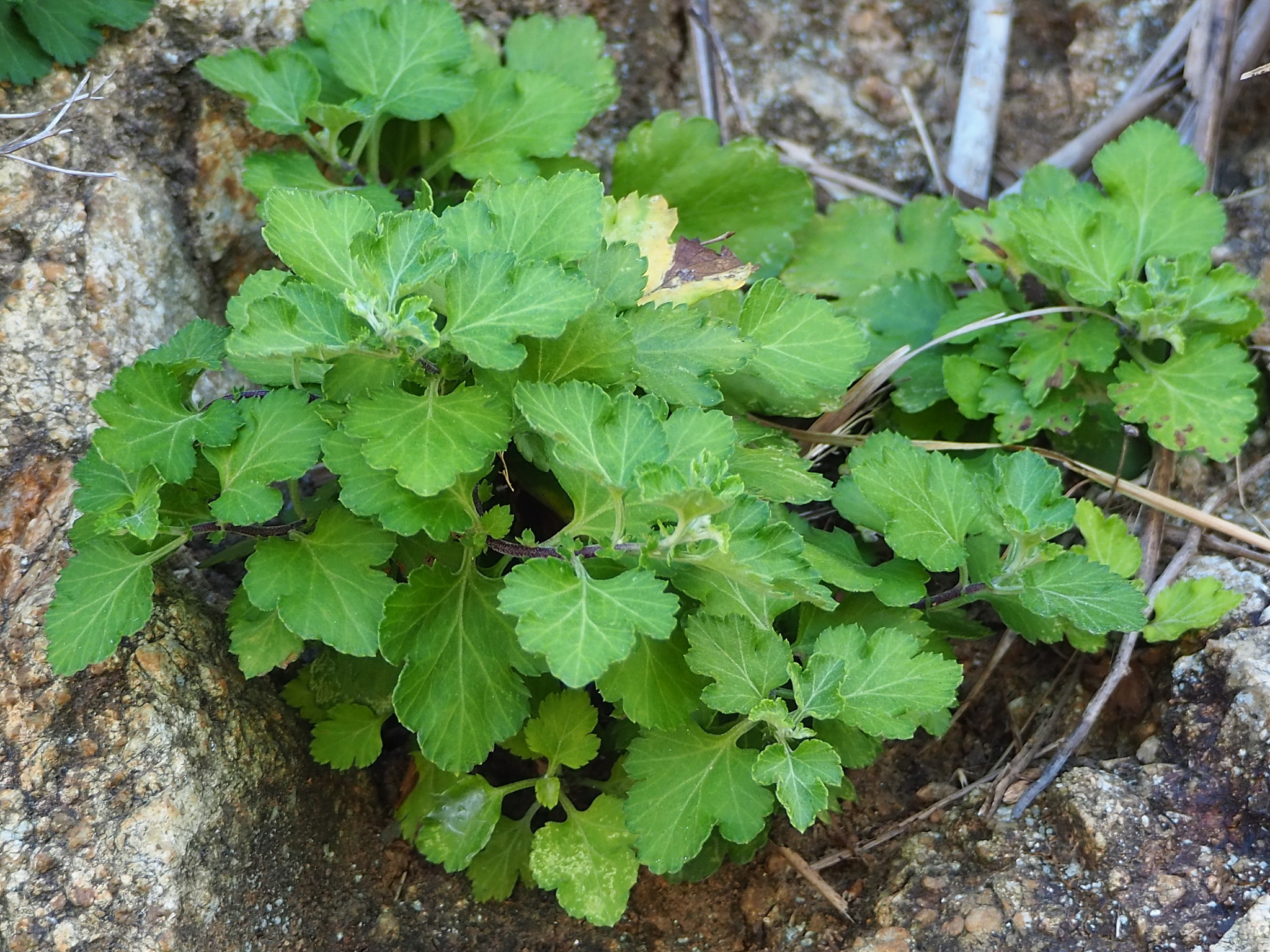
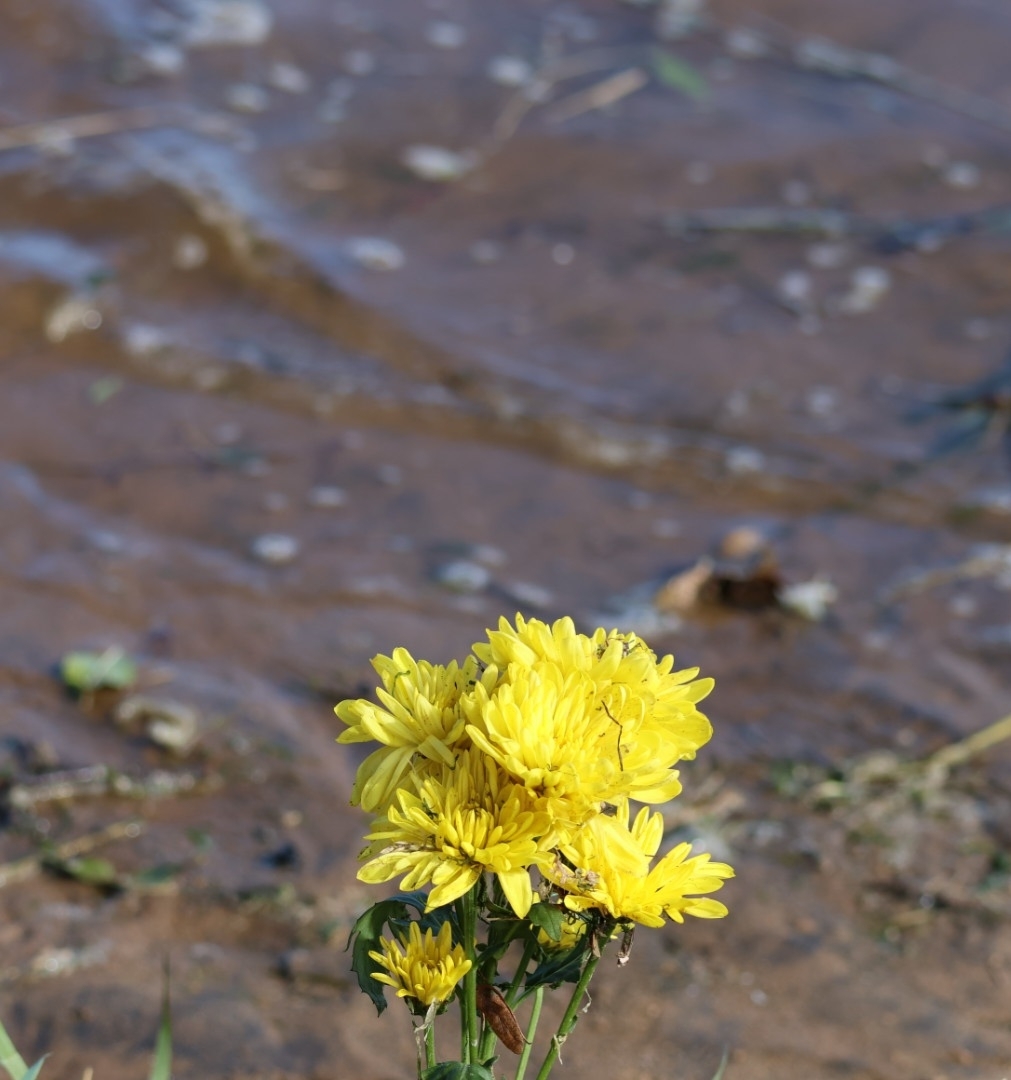
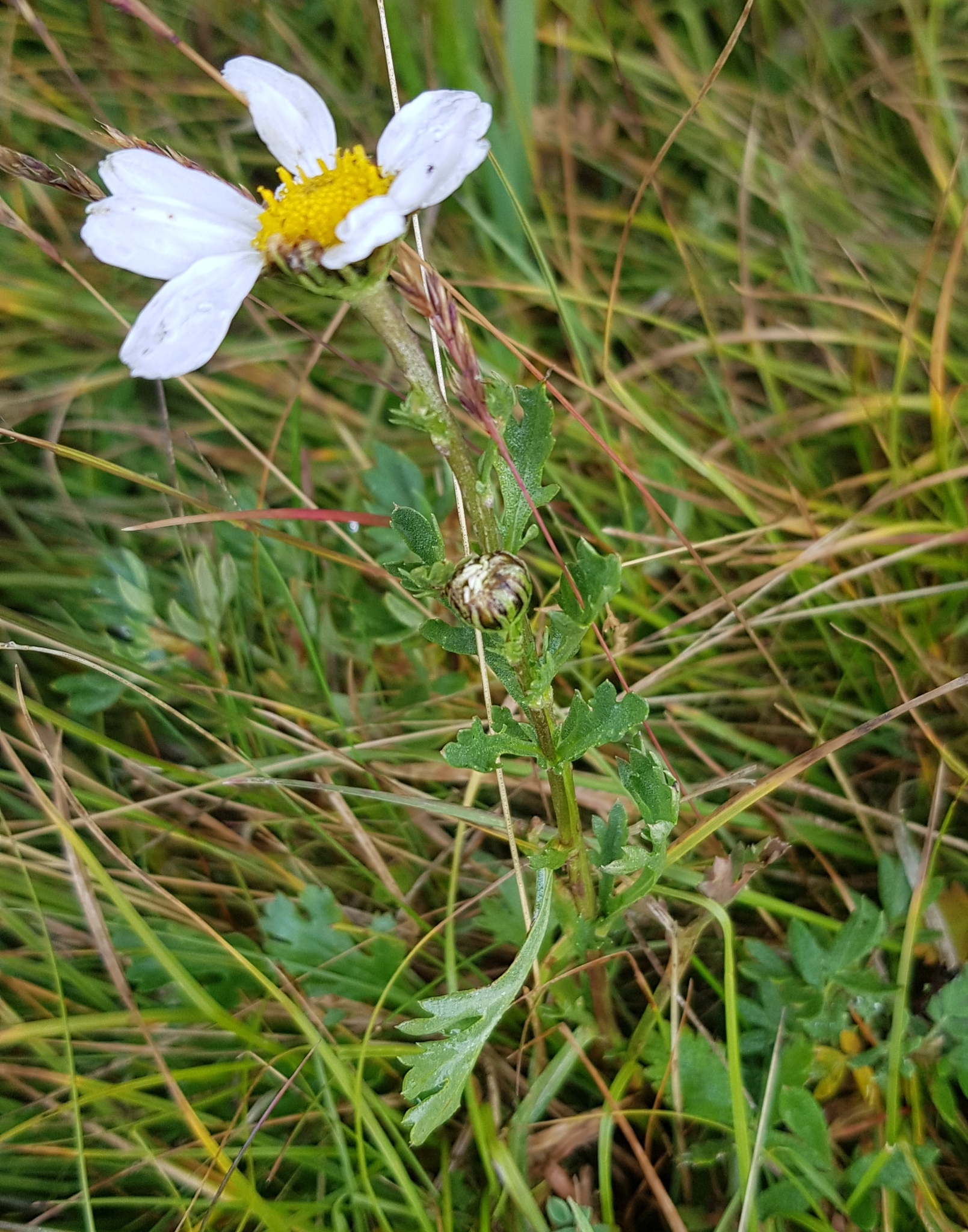
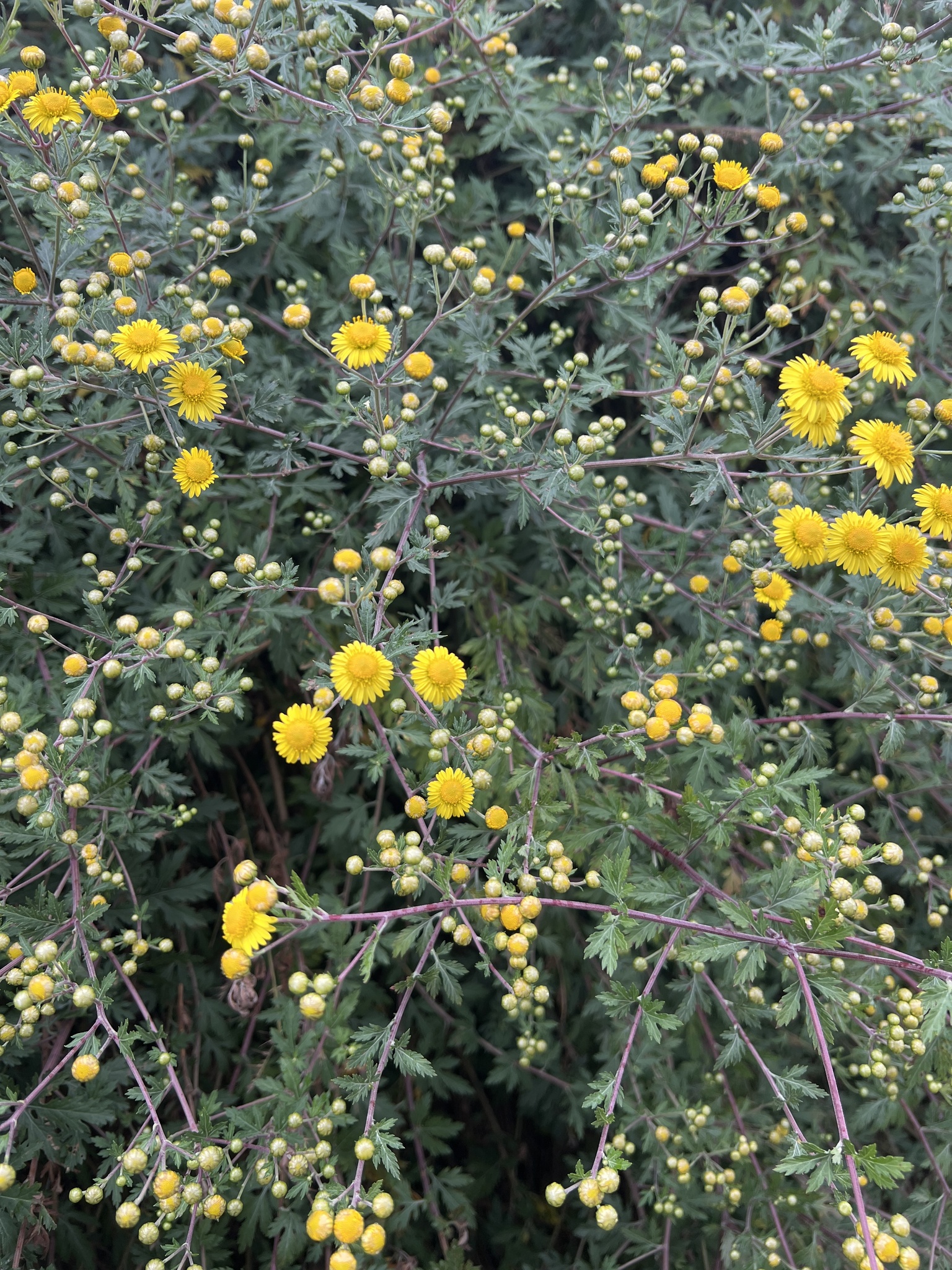
The growth habit of Chrysanthemum × morifolium is typically herbaceous and perennial, forming bushy clumps that can vary in size depending on the cultivar. Plants generally reach heights ranging from 0.5 to 1.5 meters, with a similar spread. The stems are often erect and somewhat woody at the base, becoming more herbaceous towards the tips. Leaves are alternate, simple, and typically ovate to oblong in shape, with deeply lobed or toothed margins. The texture of the leaves is often slightly aromatic when bruised. The most striking feature of Chrysanthemum × morifolium is its inflorescence, which is a capitulum, or flower head, composed of numerous ray florets and disc florets. These flower heads come in an astonishing array of forms, including single, semi-double, double, and pompon types, and a wide spectrum of colors such as white, yellow, pink, red, bronze, and purple. The flowering period is typically in the autumn, although some cultivars may bloom at other times of the year. Fruits are achenes, small and dry, which are not a prominent feature of this ornamental plant.
Chrysanthemum × morifolium is not native to any specific region in the wild; it is a product of extensive hybridization and selection that began in East Asia, particularly China, and was further developed in Japan and Europe. As a cultivated plant, its natural habitat is essentially wherever it is grown, but it thrives in well-drained soils and full sun to partial shade. It is adaptable to a wide range of climates but is often grown as an annual in colder regions or overwintered indoors. Cultivation requirements include regular watering, especially during dry periods, and fertilization to promote vigorous growth and abundant flowering. Deadheading spent flowers can encourage further blooming and maintain the plant's aesthetic appeal.
The ornamental value of Chrysanthemum × morifolium is its primary importance. It is a cornerstone of autumn gardens, providing vibrant color when many other plants are fading. It is also extensively used in the cut flower industry, valued for its long vase life and diverse forms. Beyond its aesthetic appeal, some historical uses and research have explored potential medicinal properties, though these are not widely established or recognized for this specific hybrid in modern practice. Its economic impact is significant, supporting a large segment of the horticultural and floristry trades.
An interesting characteristic of Chrysanthemum × morifolium is its photoperiodic response, meaning its flowering is triggered by the length of the day. It is a short-day plant, initiating flower bud development when day lengths become shorter, which is why it typically blooms in autumn. This biological trait has been extensively manipulated in commercial production to control flowering times for year-round availability. The diversity within Chrysanthemum × morifolium is a testament to centuries of selective breeding, resulting in thousands of distinct cultivars, each with unique flower shapes, sizes, and colors.
Well-draining, fertile loam or sandy loam. Slightly acidic to neutral pH is ideal.
Temperature
Ideal growing temperature is between 15-21°C.
Habitat
Outdoor, Indoor, Greenhouse
Fertilizer
Feed with a balanced liquid fertilizer during the growing season.
Care Requirements
Light
Prefers full sun for best flowering.
Tolerates partial shade.
Water
Water when the top inch of soil is dry.
Avoid waterlogged conditions.
Soil
Well-draining, fertile loam or sandy loam. Slightly acidic to neutral pH is ideal.
Temperature
Ideal growing temperature is between 15-21°C.
Can tolerate cooler temperatures in autumn.
Habitat
Outdoor, Indoor, Greenhouse
Fertilizer
Feed with a balanced liquid fertilizer during the growing season.
Reduce in winter.
Plant Overview
Plant Type
Herb
Plant Category
Flowering, Ornamental
Plant Place Type
Ground, Pot
Plant Environment
Outdoor, Indoor, Greenhouse
Lifespan
Perennials
Plant Height
0.3-1 m
Spread
0.3-1 m
Growth Rate
Moderate
Dormancy
Yes
Leaf Color
Green
Leaf Type
Lobed
Flower Size
3-15 cm
Image Gallery
Flowering & Fruiting Cycles
Monthly activity intensity for bloom and fruit across both hemispheres.
Northern hemisphere
Flowering & fruiting calendar
Peak bloom · Jul
FloweringFruiting
Southern hemisphere
Flowering & fruiting calendar
Peak bloom · Jun
FloweringFruiting
Synonyms
Anthemis × artemisifolia Willd.
Anthemis × grandiflora Ramat.
Anthemis × stipulacea Moench
Chrysanthemum × hortorum W.Mill.
Chrysanthemum × maximoviczianum Y.Ling
Chrysanthemum × sinense Sabine
Chrysanthemum × stipulaceum (Moench) W.Wight
Dendranthema × grandiflorum (Ramat.) Kitam.
Dendranthema × morifolium (Ramat.) Tzvelev
Dendranthema × sinense (Sabine) Des Moul.
Matricaria × morifolia Ramat.
Pyrethrum × sinense (Sabine) DC.
Tanacetum × sinense (Sabine) Sch.Bip.
Taxonomy
kingdomPlantae
divisionTracheophyta
classMagnoliopsida
orderAsterales
familyAsteraceae
genusAndryala
speciesAndryala pinnatifida
Toxicity
Toxic for humans
No
Rating: 0/5
Toxic for pets
No
Rating: 0/5
Edible
No
Additional Care Tips
Water regularly, especially during dry spells, ensuring the soil is moist but not waterlogged. Allow the top layer of soil to dry out slightly between waterings.
Pinch back young plants to encourage bushier growth. Deadhead spent flowers to promote more blooms and prevent seed formation. Cut back plants in late autumn or early spring to remove dead foliage and shape the plant.
Easily propagated from stem cuttings taken in spring or summer. Division of established clumps in early spring is also an effective method for increasing plant numbers.
Repot container-grown plants every 1-2 years in spring. Choose a pot that is slightly larger than the current one and use fresh, well-draining potting mix.
FAQs
When is the best time to plant Florist's Daisy?
The best time to plant Florist's Daisies is in early spring after the last frost, or in early autumn to allow roots to establish before winter.
How do I encourage more blooms on my Florist's Daisy?
Regularly deadhead spent flowers to prevent seed formation and encourage the plant to produce more blooms. Pinching back young plants also promotes bushier growth and more flowers.
Why are the leaves of my Florist's Daisy turning yellow?
Yellowing leaves can be caused by overwatering, poor drainage, or nutrient deficiencies. Ensure the plant is in well-draining soil and adjust watering habits accordingly.
Can Florist's Daisies be grown indoors?
Yes, Florist's Daisies can be grown indoors as houseplants, but they require bright light, good air circulation, and careful watering to thrive.
How do I overwinter Florist's Daisy?
In colder climates, protect outdoor plants by cutting them back after flowering and mulching heavily. Container plants can be moved to a cool, frost-free location like an unheated garage or shed.