Whorled Heath (Erica verticillata) – Care, Growing Guide & Benefits | ePlant AI
Whorled Heath (Erica verticillata)
Erica verticillata, the Whorled Heath, is an evergreen shrub with needle-like leaves and delicate pink to purple flowers blooming in late winter to spring.
Erica verticillata, commonly known as the Whorled Heath, is a captivating evergreen shrub belonging to the Ericaceae family. This species is distinguished by its unique growth habit and attractive floral display, making it a noteworthy subject for botanical study and horticultural interest. Its significance lies in its specific ecological niche within its native range and its potential as an ornamental plant.
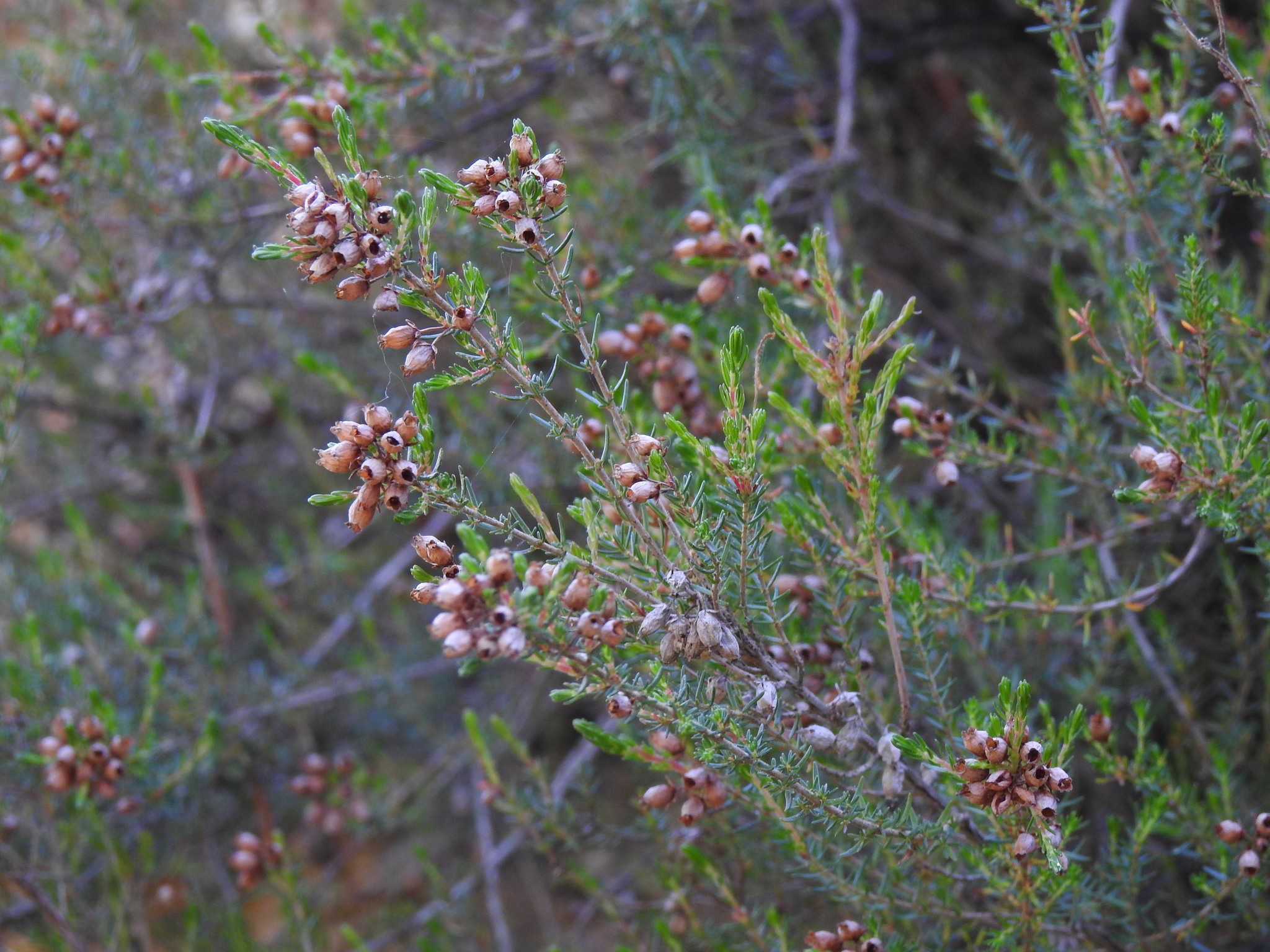
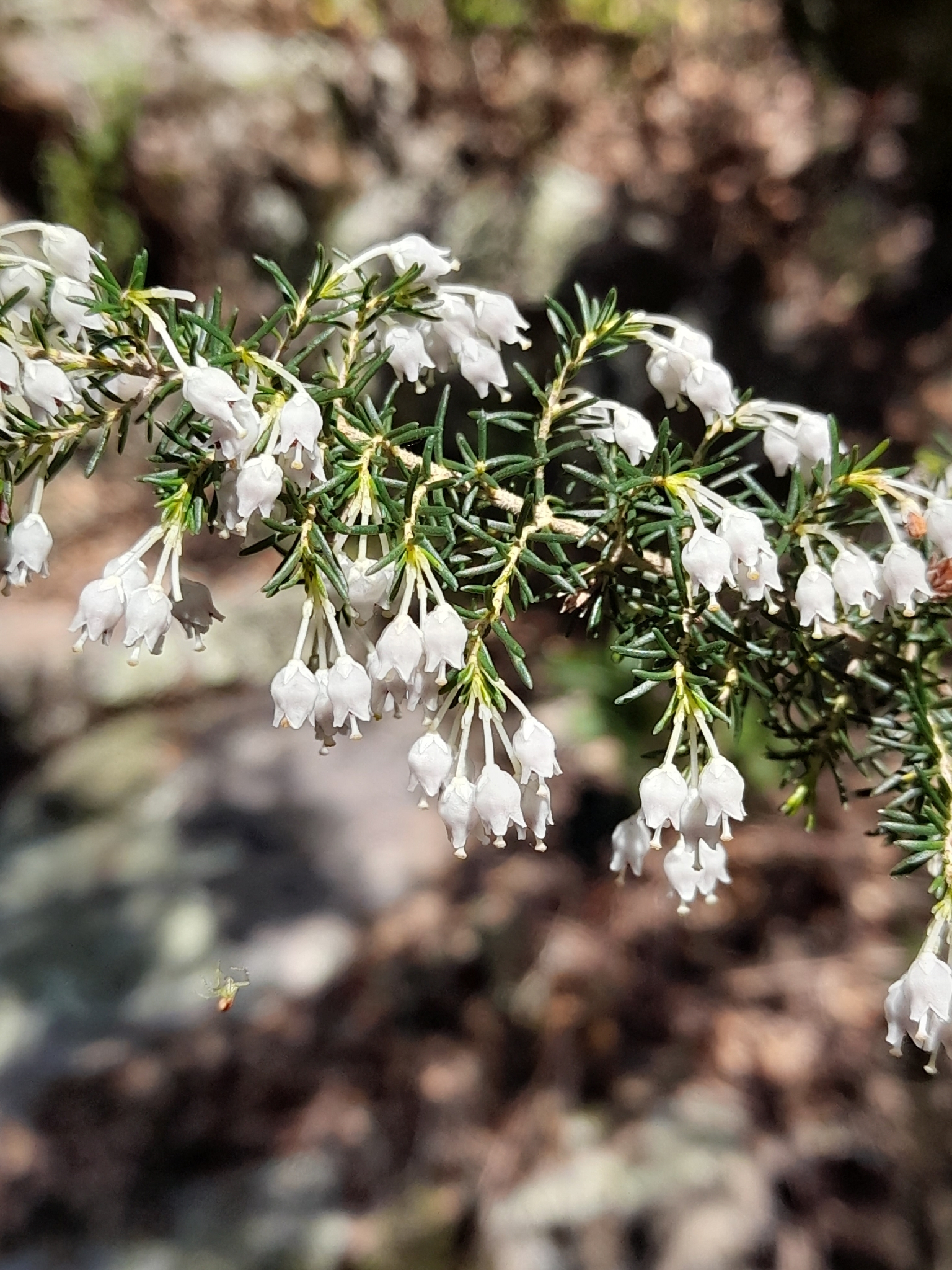
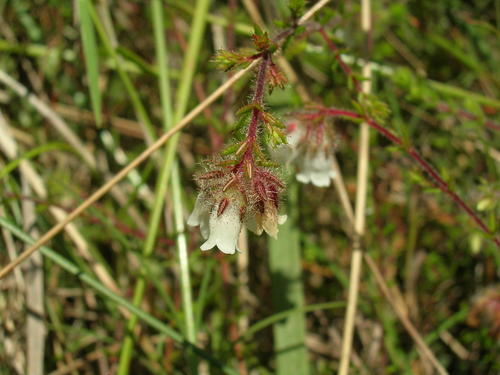
The Whorled Heath typically presents as an upright, branching shrub that can reach a moderate size, often growing to approximately 1 to 2 meters in height and a similar width. Its growth habit is characterized by whorls of leaves along the stems, a feature that contributes to its common name. The leaves are small, linear, and needle-like, arranged in dense whorls, which gives the foliage a somewhat compact and textured appearance. These leaves are typically dark green, providing a rich backdrop for the plant's flowers. The flowers of Erica verticillata are a prominent ornamental feature. They are tubular or urn-shaped, often borne in terminal clusters or racemes. The color of the corolla can vary, but it is frequently described as pink to reddish-pink, though shades can differ. These blooms typically appear during the cooler months, often in late winter and spring, extending the season of floral interest. Following flowering, small, inconspicuous capsules develop, containing numerous tiny seeds. The bark is generally unremarkable, typical of many heath species, providing structural support to the woody stems.
Erica verticillata is native to a specific region within the Western Cape of South Africa. Its natural habitat is often associated with sandy soils, fynbos vegetation, and rocky slopes, where it thrives in well-drained conditions. In cultivation, it requires similar environmental parameters to successfully establish and flourish. It prefers acidic to neutral, well-drained soils and benefits from full sun to partial shade. Adequate water is necessary, especially during establishment and dry periods, but waterlogging must be avoided. Its native range indicates a preference for climates with mild, wet winters and dry summers.
While not widely cultivated for economic purposes, the Whorled Heath holds ecological importance within its native fynbos ecosystem. Its ornamental qualities, particularly its distinctive foliage and spring flowering, make it a desirable plant for gardens, especially those seeking to replicate Mediterranean or South African flora. Its ability to thrive in well-drained, sandy soils also makes it suitable for coastal gardens or rockeries.
An interesting characteristic of Erica verticillata is its adaptation to the nutrient-poor soils typical of its native fynbos. Like many Ericaceae, it likely forms mycorrhizal associations with fungi to enhance nutrient uptake. The whorled arrangement of its leaves is a distinctive morphological trait that aids in identification and contributes to its overall aesthetic appeal. The precise timing and abundance of its flowering can be influenced by local climatic conditions, making it a sensitive indicator of environmental factors within its natural habitat.
Water moderately, allowing soil to dry slightly between waterings.
Soil
Requires well-drained, acidic soil. A mix of peat, sand, and loam is ideal.
Temperature
Prefers cool to moderate temperatures.
Habitat
Outdoor, Greenhouse
Fertilizer
Feed with an acid-loving, low-nitrogen fertilizer in spring.
Care Requirements
Light
Prefers full sun to partial shade.
Protect from intense afternoon sun in hot climates.
Water
Water moderately, allowing soil to dry slightly between waterings.
Reduce in winter.
Soil
Requires well-drained, acidic soil. A mix of peat, sand, and loam is ideal.
Temperature
Prefers cool to moderate temperatures.
Ideal range 10-20°C.
Habitat
Outdoor, Greenhouse
Fertilizer
Feed with an acid-loving, low-nitrogen fertilizer in spring.
Avoid over-fertilizing.
Plant Overview
Plant Type
Shrub
Plant Category
Flowering, Ornamental
Plant Place Type
Ground, Garden, Pot
Plant Environment
Outdoor, Greenhouse
Lifespan
Perennials
Plant Height
1-2 m
Spread
1-2 m
Growth Rate
Moderate
Dormancy
None
Leaf Color
Green
Leaf Type
Needle-like
Flower Size
0.5-1 cm
Image Gallery
Flowering & Fruiting Cycles
Monthly activity intensity for bloom and fruit across both hemispheres.
Northern hemisphere
Flowering & fruiting calendar
Peak bloom · JunPeak fruit · Jul
FloweringFruiting
Southern hemisphere
Flowering & fruiting calendar
Peak bloom · JulPeak fruit · Aug
FloweringFruiting
Synonyms
Callista verecunda G.Don
Erica concinna Aiton
Erica cretica Tausch
Erica metuliflora Klotzsch
Erica meuronii Benth.
Erica multiflora Decne.
Erica paludosa Salisb.
Erica roxburghii Benth.
Ericoides meuronii (Benth.) Kuntze
Ericoides roxburghii (Benth.) Kuntze
Ericoides verticillatum (P.J.Bergius) Kuntze
Gypsocallis manipuliflora D.Don
Syringodea concinna (Aiton) G.Don
Taxonomy
kingdomPlantae
divisionTracheophyta
classMagnoliopsida
orderEricales
familyEricaceae
genusErica
speciesErica verticillata
Toxicity
Toxic for humans
No
Rating: 0/5
Toxic for pets
No
Rating: 0/5
Edible
No
Additional Care Tips
Water regularly during the growing season, keeping the soil moist but not waterlogged. Reduce watering in winter, allowing the top inch of soil to dry out between waterings.
Prune lightly after flowering to maintain shape and encourage bushier growth. Remove any dead or damaged stems. Avoid heavy pruning into old wood.
Propagate from semi-hardwood cuttings taken in summer. Rooting can be slow and requires high humidity and consistent moisture.
Repot young plants annually in spring. Mature plants can be repotted every 2-3 years. Use a well-draining, acidic potting mix.
FAQs
What is the best soil for Erica verticillata?
Erica verticillata thrives in well-drained, acidic soil. A mix of peat, sand, and loam, or a specialized ericaceous compost, is recommended.
How often should I water Whorled Heath?
Water regularly during the growing season, allowing the top inch of soil to dry out between waterings. Reduce watering in winter, but do not let the soil become completely dry.
When does Erica verticillata bloom?
Whorled Heath typically blooms from late winter through spring, providing color when many other plants are dormant.
Can Whorled Heath be grown in a pot?
Yes, Erica verticillata is well-suited for container gardening, provided it has good drainage and is planted in acidic potting mix.
Why are the leaves of my Whorled Heath turning brown?
Brown leaves can indicate overwatering, poor drainage, or insufficient acidity in the soil. Ensure the plant is in appropriate conditions and adjust watering as needed.