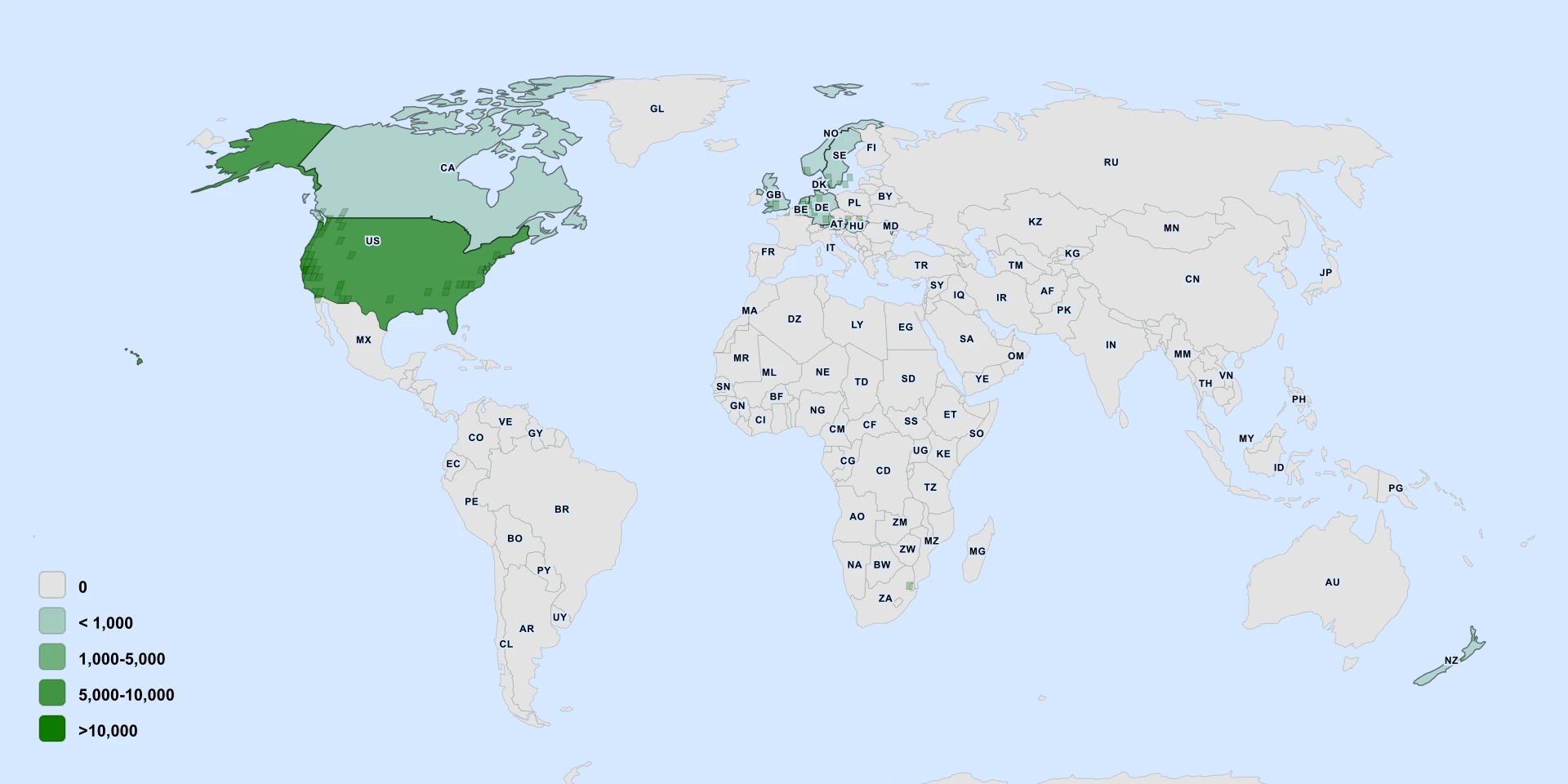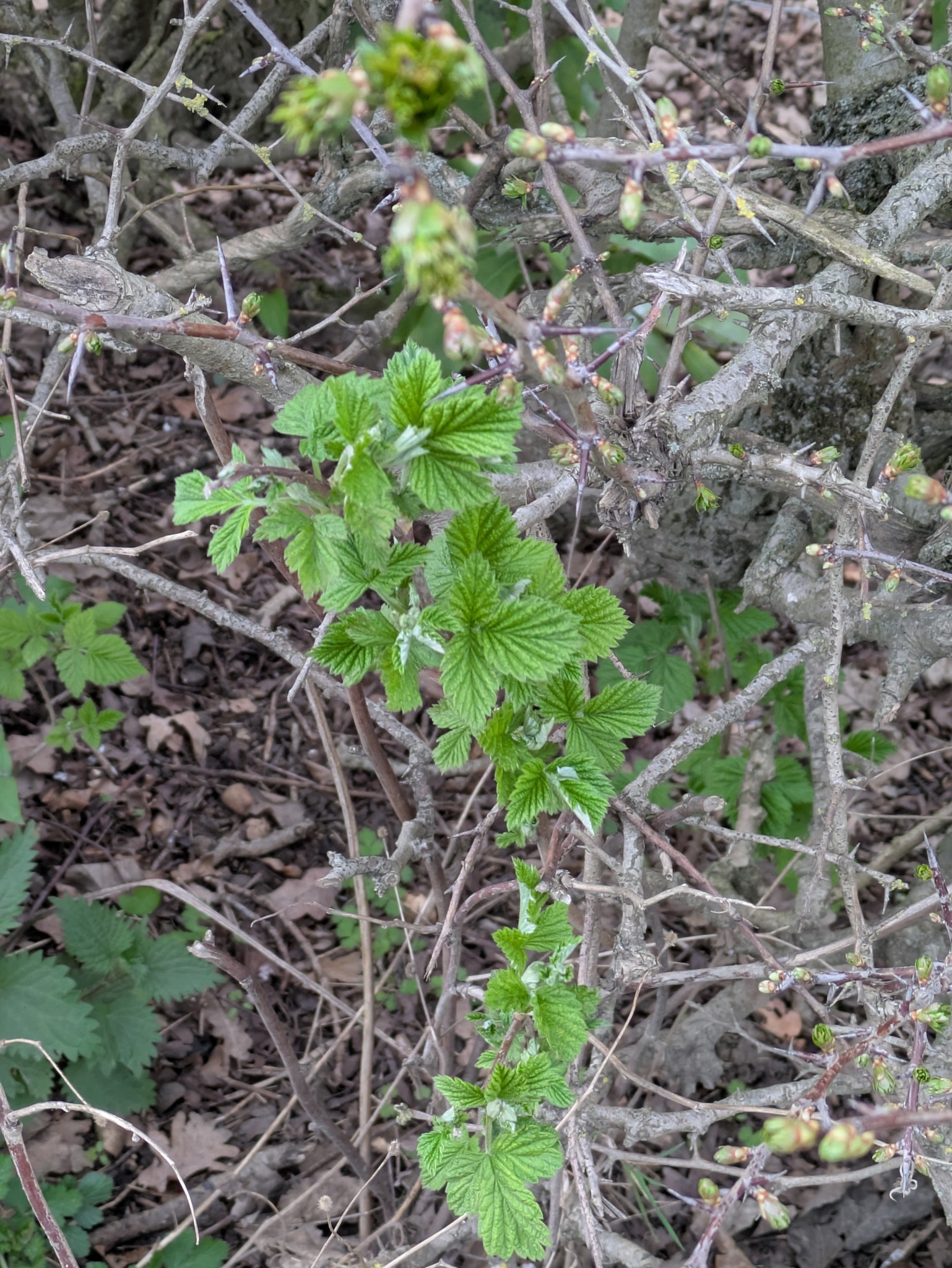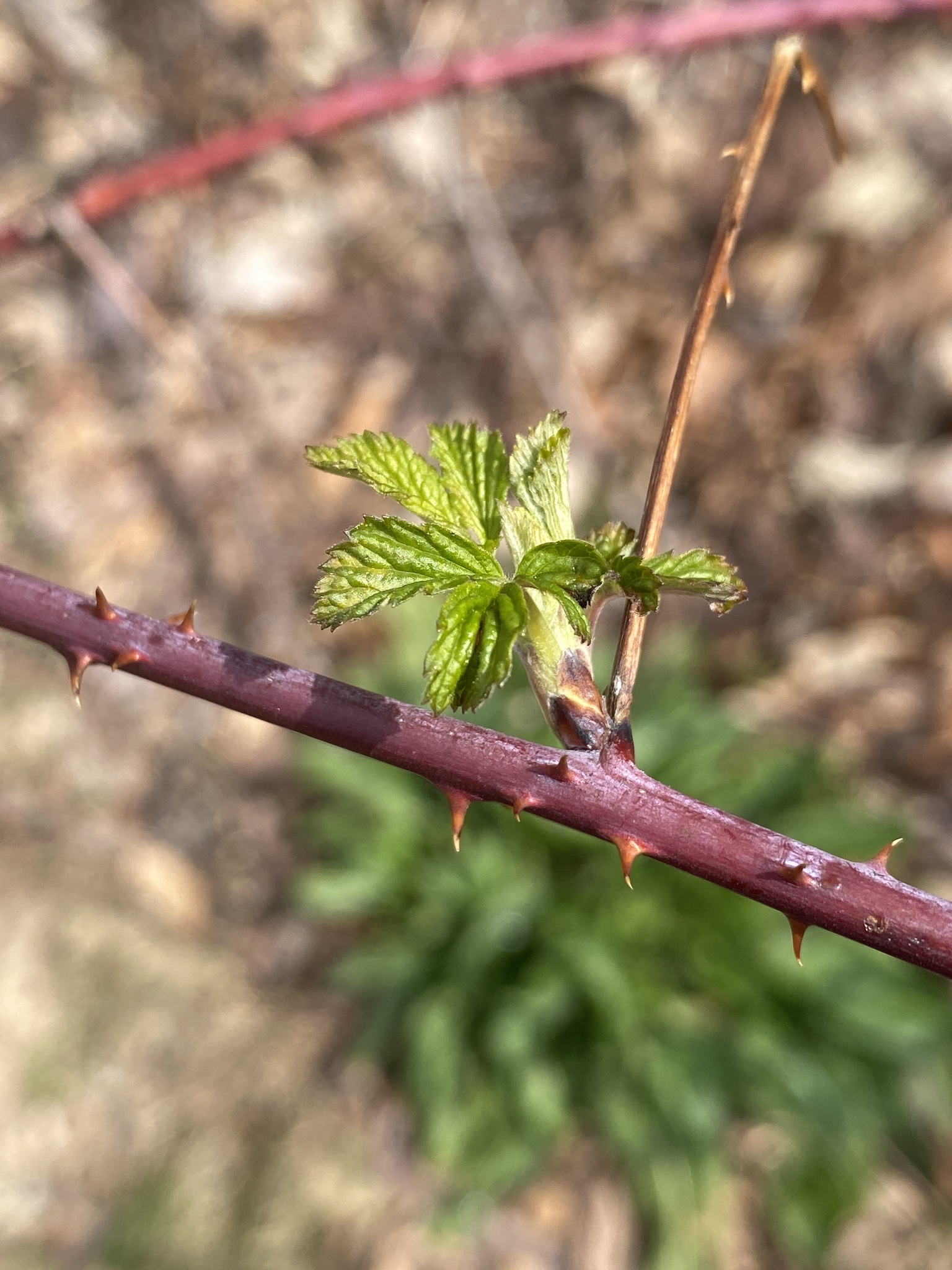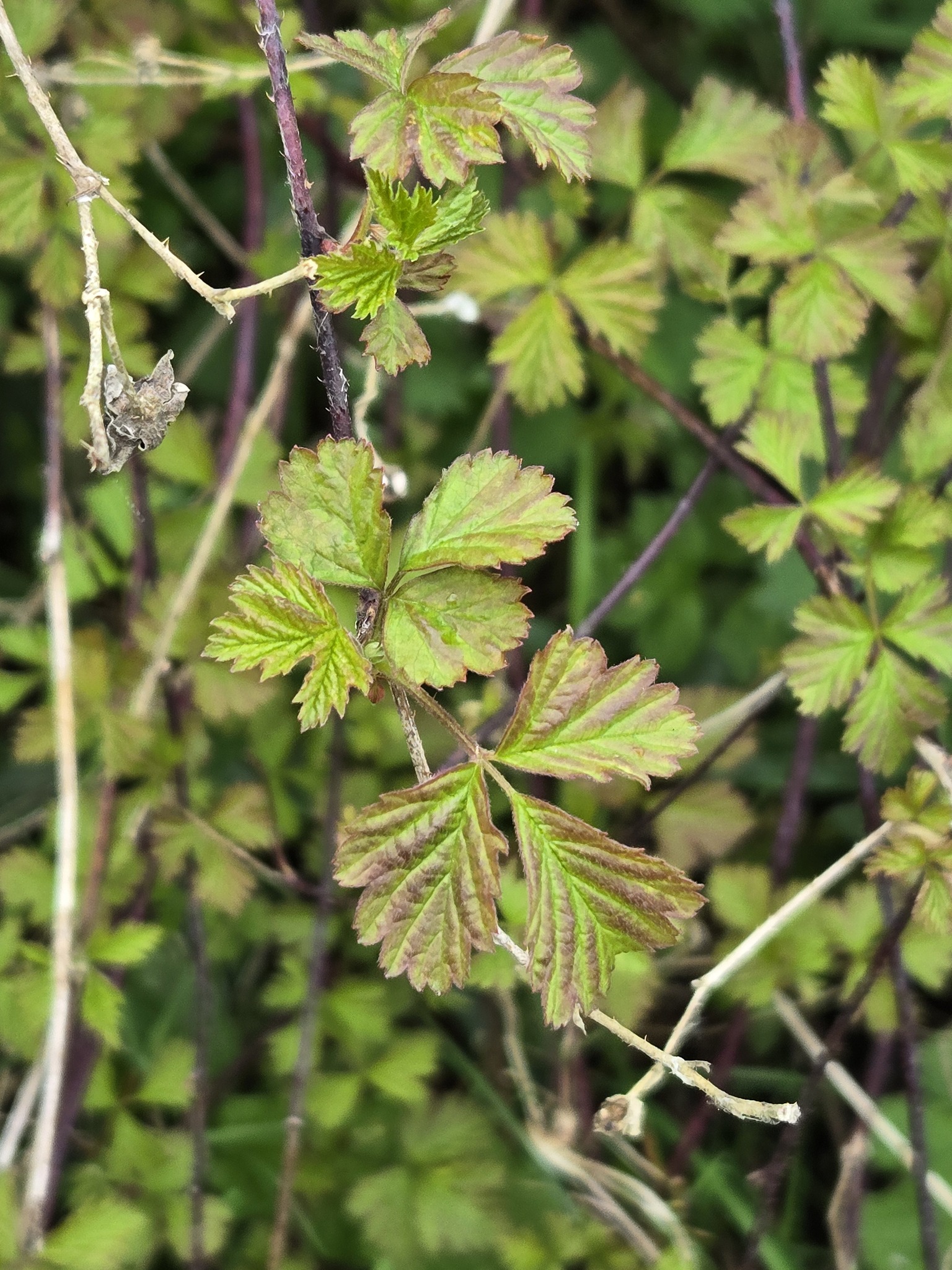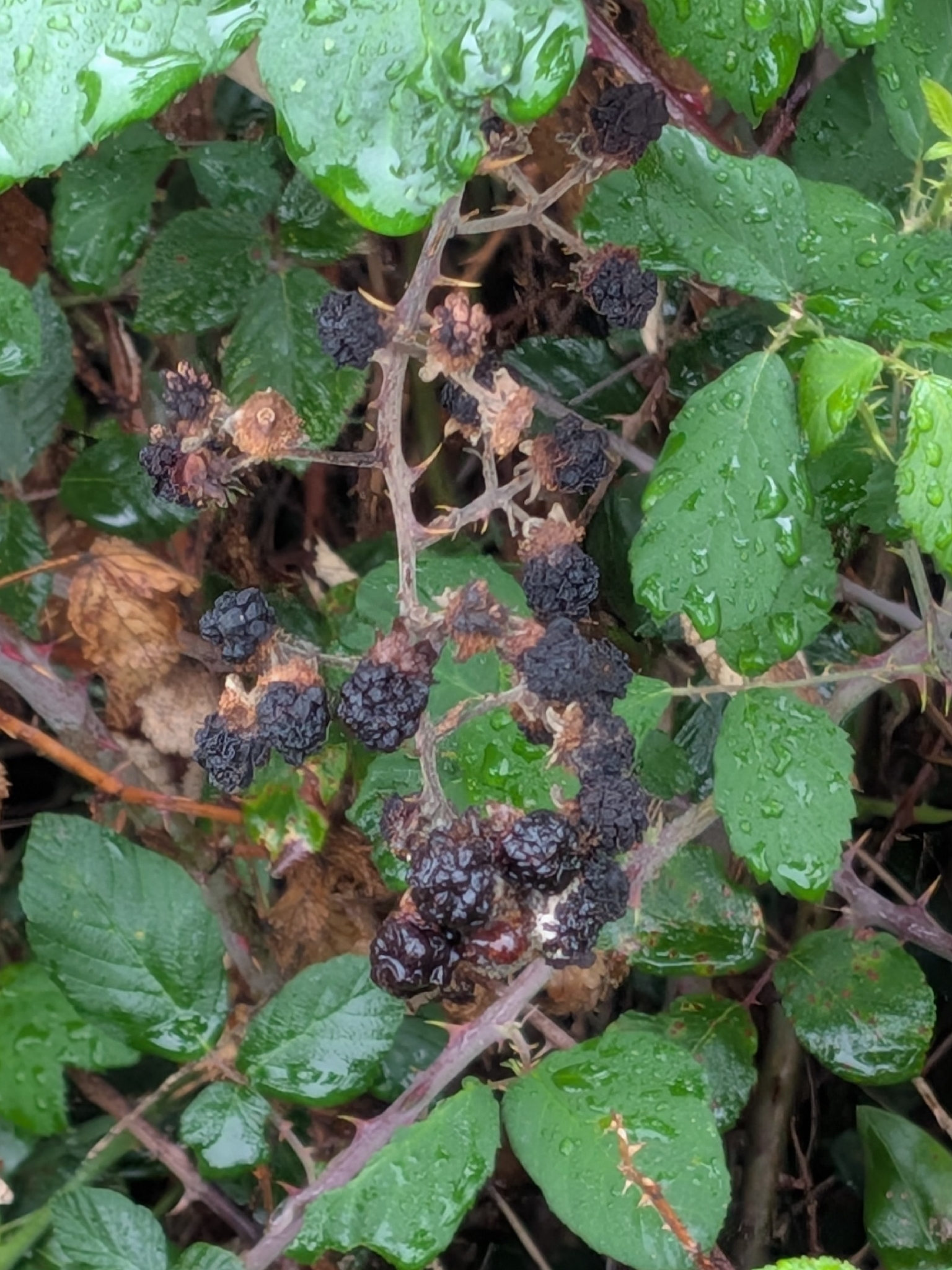
Rubus armeniacus, or Himalayan Blackberry, is a vigorous, thorny, perennial shrub known for its abundant, edible dark purple berries. It is a highly invasive species.
Above information is sourced from Wikipedia
Sunlight
Full sun to partial shade
Watering
Moderate, drought-tolerant once established
Soil
Adaptable, prefers well-drained, fertile loam.
Temperature
Highly adaptable to temperate climates
Habitat
Outdoor
Fertilizer
Low requirement, especially in fertile soils
Full sun to partial shade
Full sun for best fruit
Moderate, drought-tolerant once established
During dry spells and fruiting
Adaptable, prefers well-drained, fertile loam.
Highly adaptable to temperate climates
Hardy from -15°C to 30°C
Outdoor
Low requirement, especially in fertile soils
Apply sparingly in early spring if soil is poor
Plant Type
Shrub, Vine
Plant Category
Fruit, Ornamental
Plant Place Type
Ground, Garden, Groundcover
Plant Environment
Outdoor
Lifespan
Perennials
Plant Height
1.5-4.5 m
Spread
2-6 m
Growth Rate
Very Fast
Dormancy
Deciduous
Leaf Color
Dark Green, Pale Green
Leaf Type
Palmate Compound
Flower Size
2-3 cm
Optimal Sunlight Lux
35000
Weed Status
Yes
Monthly activity intensity for bloom and fruit across both hemispheres.
Flowering & fruiting calendar
Toxic for humans
No
Rating: 0/5
Toxic for pets
No
Rating: 0/5
Edible
Yes
The fruit is edible. The plant is not chemically toxic, but its sharp, stiff thorns can cause physical injury.