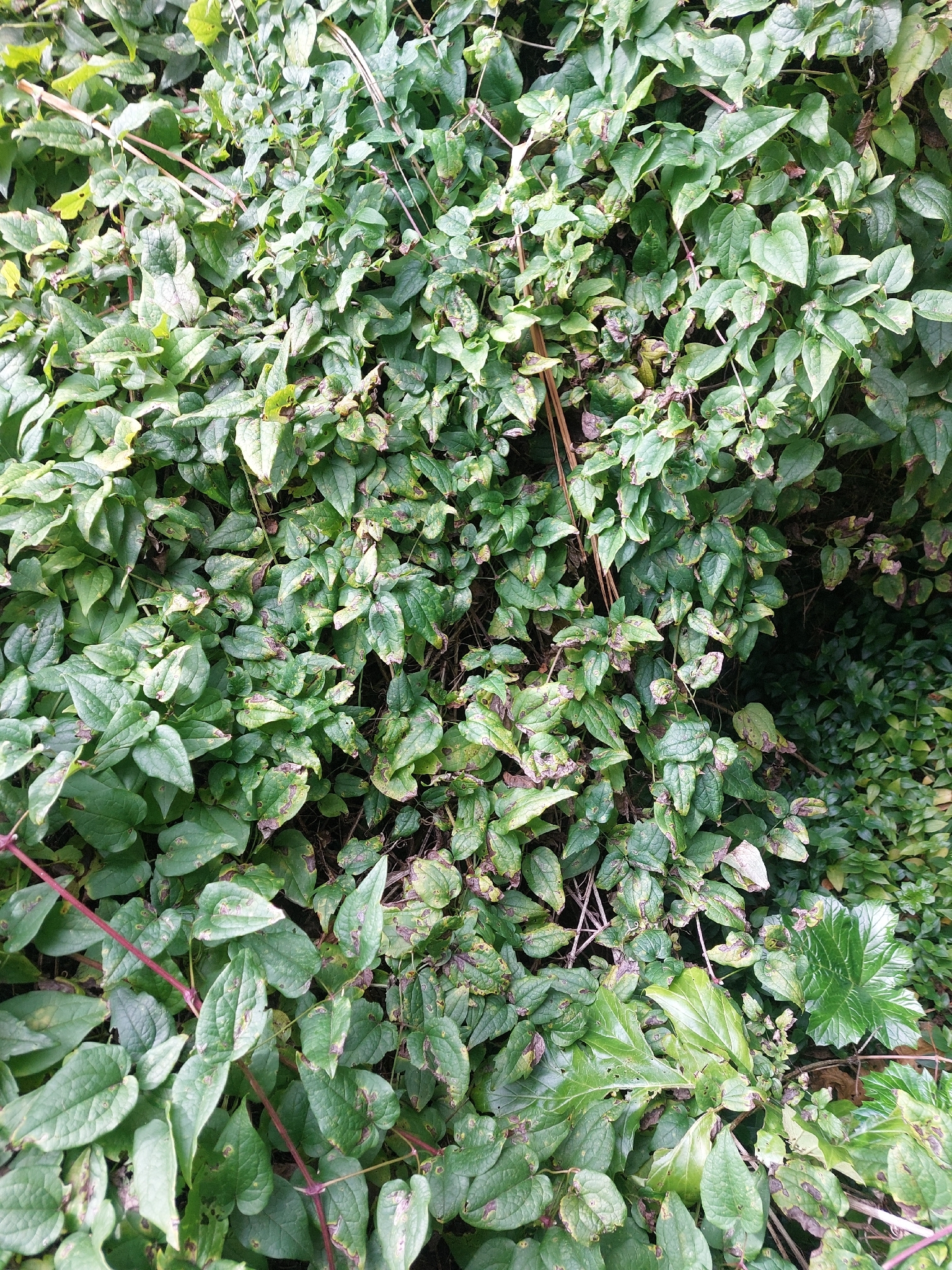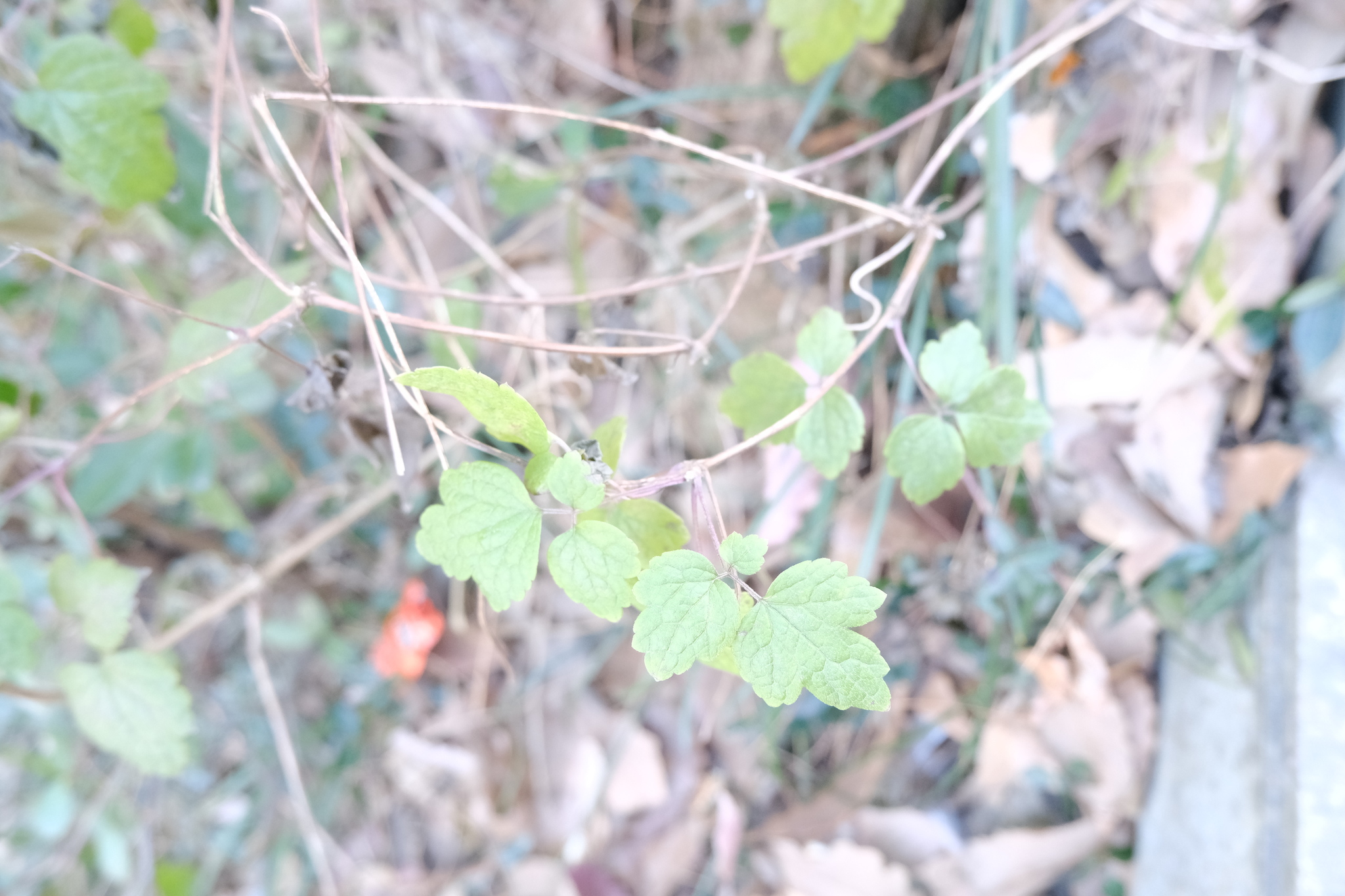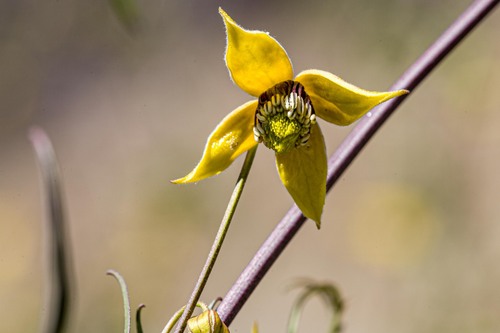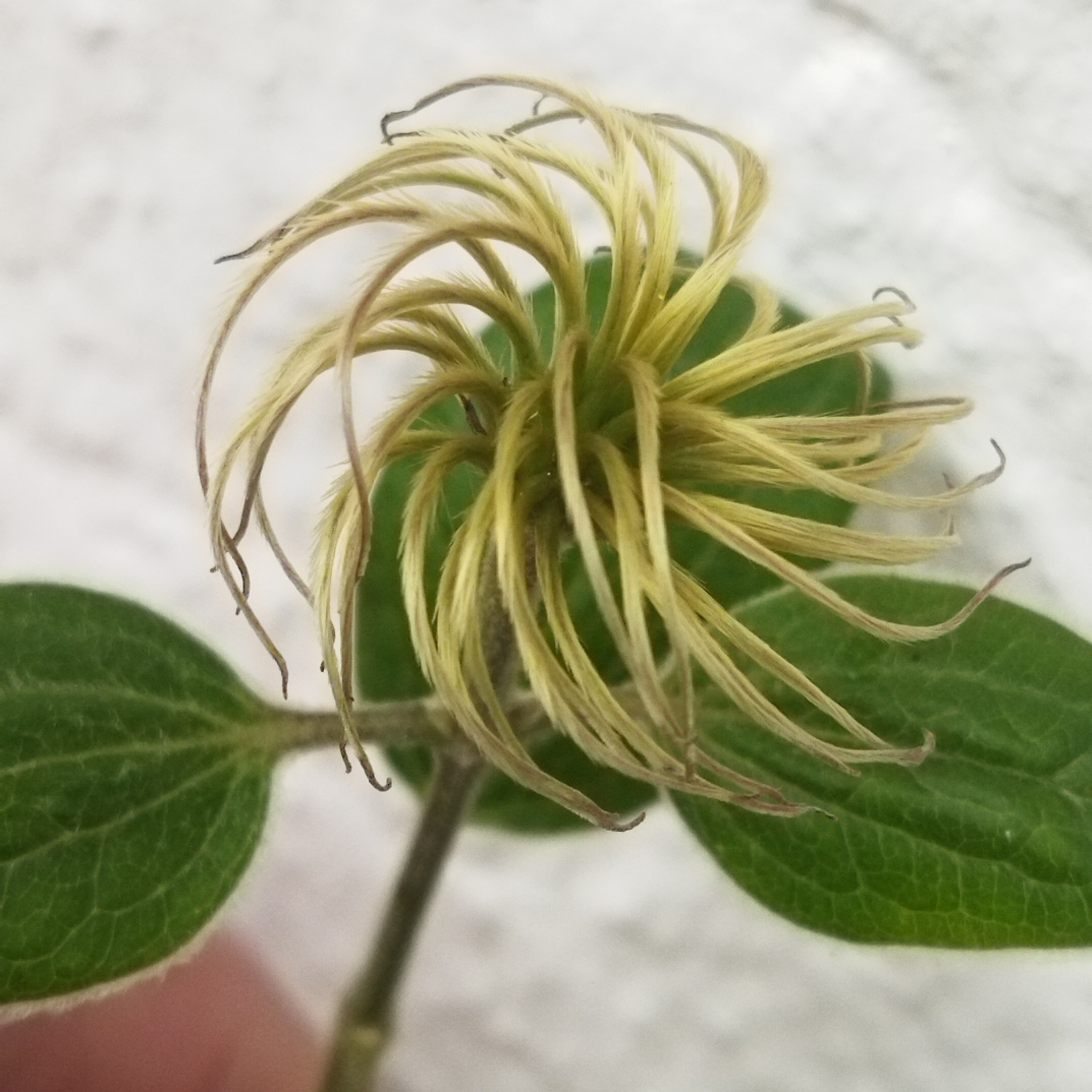
Himalayan Clematis (Clematis montana)

Himalayan clematis (Clematis montana) is a vigorous deciduous climber producing a profusion of small, fragrant, pale pink to white flowers in late spring.

Above information is sourced from Wikipedia

Sunlight

Full sun to partial shade.

Watering

Regular watering, especially during dry periods and flowering.

Soil

Well-drained, fertile soil

Temperature

Hardy.

Fertilizer

Moderate feeding.

Care Requirements

Light

Full sun to partial shade.

Best flowering occurs in full sun. Roots should be kept cool and shaded.

Watering

Regular watering, especially during dry periods and flowering.

Keep soil consistently moist but well-drained. Avoid waterlogging.

Soil

Well-drained, fertile soil

Temperature

Hardy.

Tolerates a wide range of temperatures once established. Protect young plants from severe frost.

Fertilizer

Moderate feeding.

Feed annually in spring with a balanced fertilizer. Compost is also beneficial.

Plant Overview

Plant Type

Vine

Plant Category

Ornamental

Plant Place Type

Garden

Lifespan

Perennial

Plant Height

6-12 m

Spread

2-5 m

Growth Rate

Fast

Dormancy

Winter

Leaf Color

Green

Leaf Type

Deciduous

Flower Size

3-5 cm

Optimal Sunlight Lux

65000

Image Gallery

Flowering & Fruiting Cycles

Monthly activity intensity for bloom and fruit across both hemispheres.

Northern hemisphere

Flowering & fruiting calendar

Peak bloom · MayPeak fruit · Aug
FloweringFruiting
02468JanFebMarAprMayJunJulAugSepOctNovDecActivity intensityMonths85
Southern hemisphere

Flowering & fruiting calendar

Peak bloom · JulPeak fruit · Sep
FloweringFruiting
02468JanFebMarAprMayJunJulAugSepOctNovDecActivity intensityMonths85
Taxonomy
  • kingdomPlantae
  • divisionTracheophyta
  • classMagnoliopsida
  • orderRanunculales
  • familyRanunculaceae
  • genusClematis
  • speciesClematis montana
Toxicity

Toxic for humans

No

Rating: 0/5

Toxic for pets

No

Rating: 0/5

Edible

No

Contains protoanemonin, which can cause oral irritation, excessive salivation, vomiting, and diarrhea if ingested by humans or pets.

Additional Care Tips

Water Clematis montana regularly, especially during dry spells and flowering. Ensure the soil remains consistently moist but not waterlogged. Deep watering is preferable to frequent shallow sprinklings, encouraging a robust root system. Reduce watering in winter when the plant is dormant.

Prune Clematis montana immediately after flowering. This vigorous climber blooms on old wood. Remove any dead, diseased, or weak stems. Thin out crowded areas to improve air circulation and encourage stronger growth. Avoid heavy pruning in summer as it removes flowering wood.

Propagate Clematis montana by semi-ripe cuttings taken in mid-summer. Select healthy shoots, take cuttings of about 10-15 cm, and remove the lower leaves. Dip the cut end in rooting hormone and insert into a moist, well-draining compost mix. Keep in a propagator or under plastic.

Repot young Clematis montana plants every 1-2 years, or when their roots have filled the current pot. Use a larger container with good drainage. A peat-free potting mix amended with some grit is ideal. Water well after repotting and place in a sheltered spot.

FAQs

When is the best time to prune Clematis montana?

Prune Clematis montana immediately after flowering, typically in early summer. Lightly trim back any overlong shoots to maintain shape.

What are the soil requirements for Himalayan clematis?

Clematis montana prefers well-drained, fertile soil. It benefits from a moist root run and protection from strong winds.

Does Clematis montana need full sun?

This clematis thrives in full sun to partial shade. Full sun generally promotes the most abundant flowering.

How large can Clematis montana grow?

Clematis montana is a vigorous climber and can easily reach heights and spreads of 10-15 meters or more if not pruned.

Is Clematis montana suitable for containers?

While possible, it's generally not recommended due to its vigorous growth habit and large size. It performs best when planted directly in the ground.