Hoary Bowlesia (Bowlesia incana) – Care, Growing Guide & Benefits | ePlant AI
Hoary Bowlesia (Bowlesia incana)
Hoary Bowlesia (Bowlesia incana) is a low-growing, sprawling herbaceous plant native to North and South America, often found in disturbed areas and sandy soils.
Bowlesia incana, commonly known as Hoary Bowlesia, is a fascinating herbaceous plant belonging to the Apiaceae family, which also includes well-known members like carrots and parsley. This species is characterized by its low-growing, sprawling habit, often forming a dense mat across the ground. Its significance lies in its ecological role within its native environments and its unique morphological adaptations.
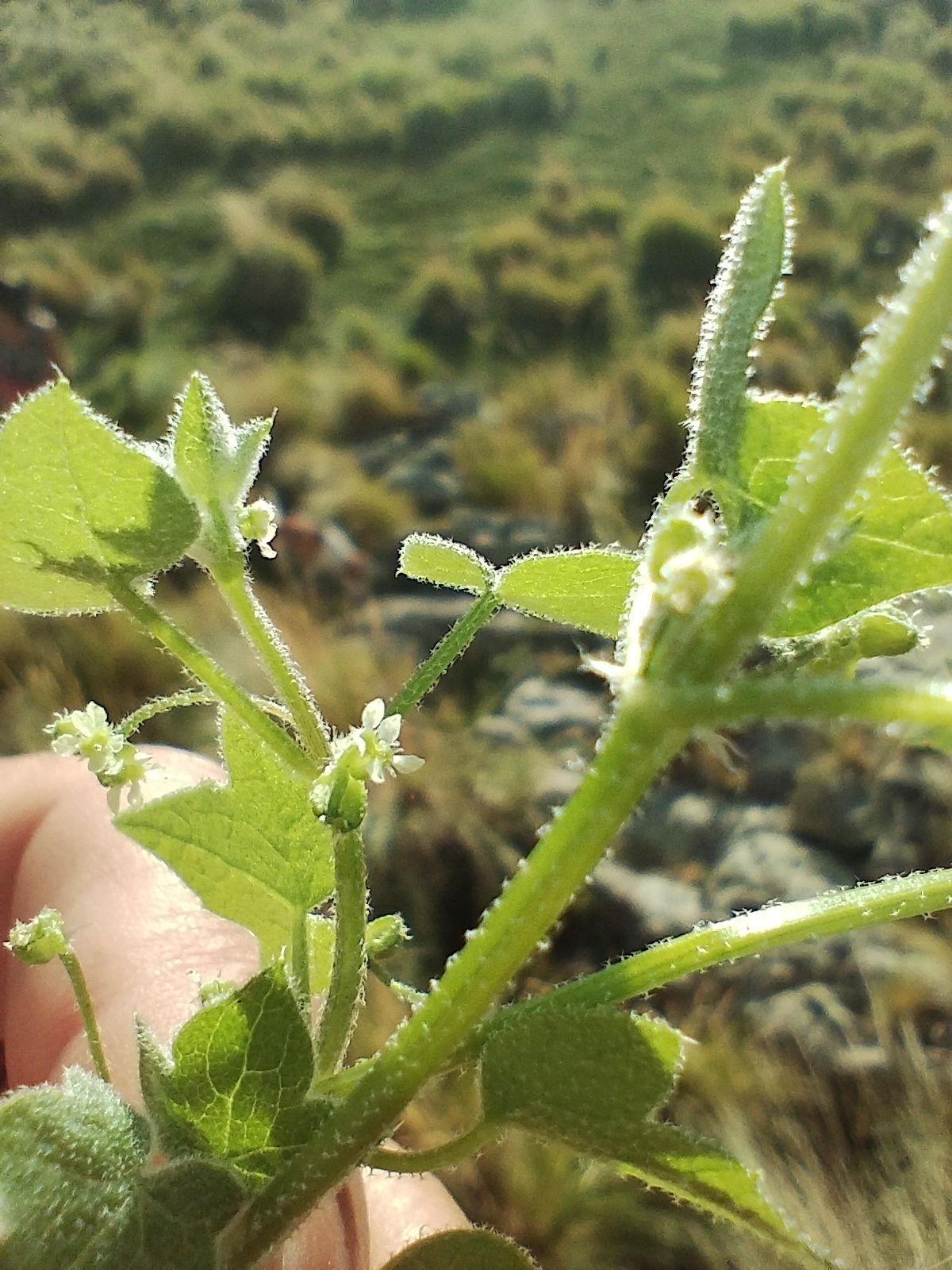
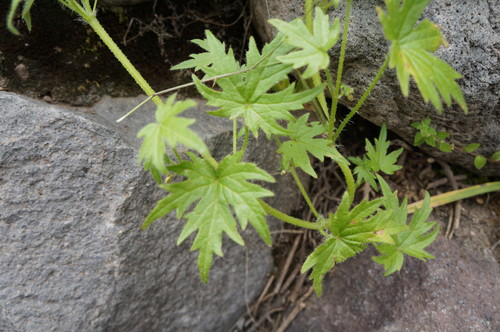
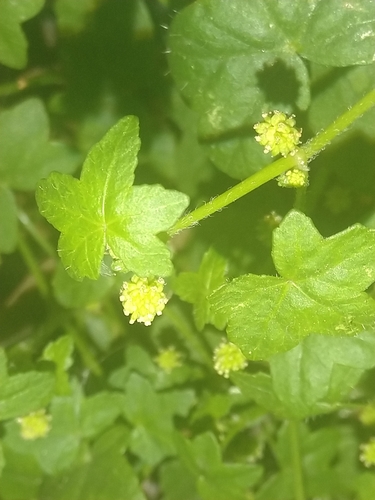
Physically, Bowlesia incana is a delicate annual herb. It typically reaches a height of only a few centimeters, rarely exceeding 15 cm, and spreads outwards, creating a groundcover effect. The stems are slender and often hairy, contributing to the "hoary" appearance that gives the plant its common name. The leaves are small, typically lobed or divided, and arranged alternately along the stem. They are also covered in fine hairs, which can give them a soft, grayish-green or silvery look. The inflorescences are small umbels, characteristic of the Apiaceae family, bearing tiny white flowers. These flowers are inconspicuous and bloom during the warmer months. Following flowering, small, ribbed fruits develop. The root system is generally shallow and fibrous, supporting its ephemeral life cycle.
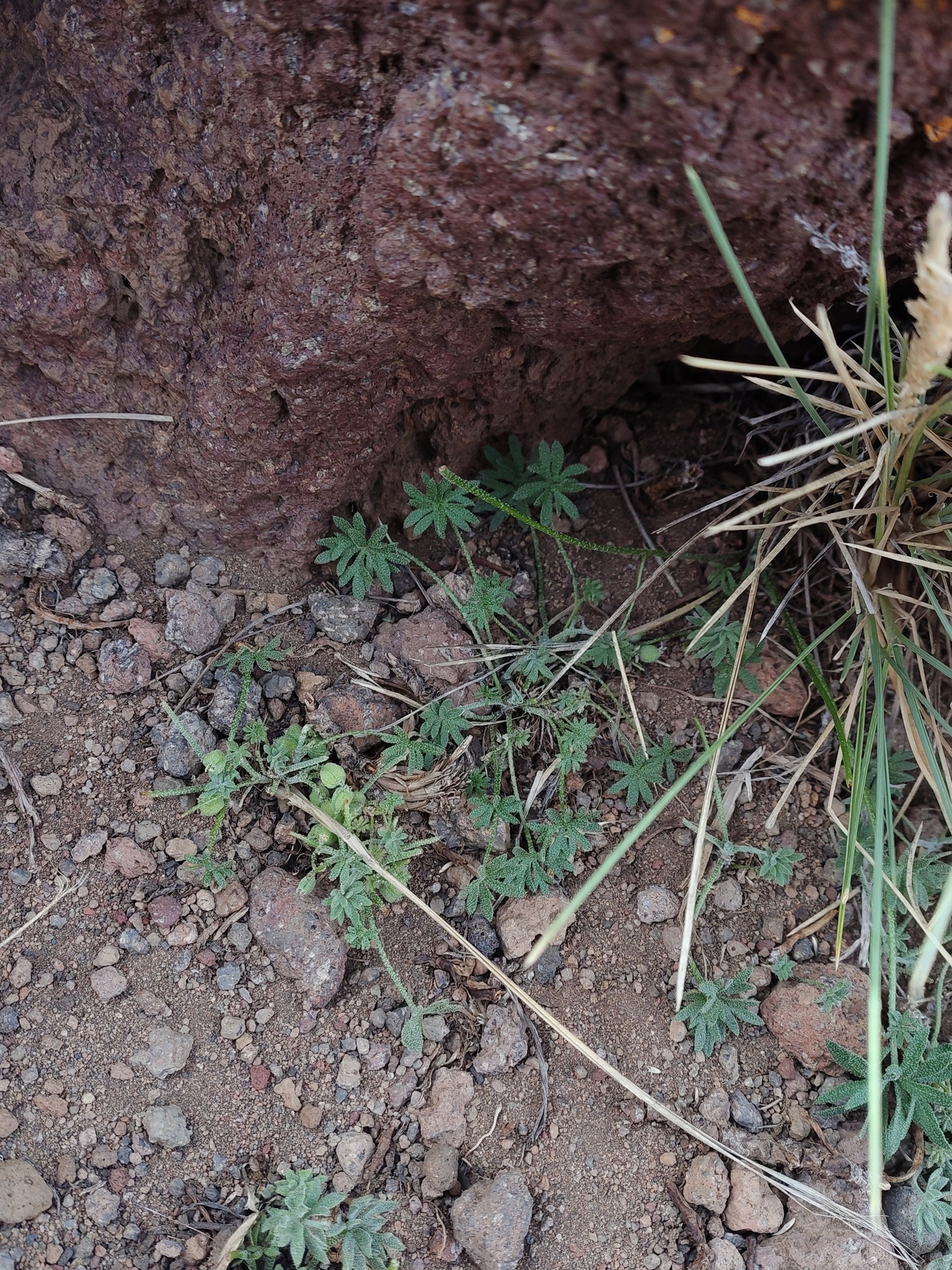
The native distribution of Bowlesia incana is primarily in South America, with significant populations found in Argentina, Chile, and Uruguay. It thrives in arid and semi-arid regions, often colonizing disturbed soils, sandy areas, and open, rocky habitats. Its natural habitat includes coastal dunes, grasslands, and the edges of scrublands. In terms of cultivation requirements, Bowlesia incana is adapted to dry conditions and well-drained soils. It prefers full sun but can tolerate partial shade. Due to its native environment, it is generally not suited for humid climates or waterlogged soils. Successful cultivation would involve mimicking its arid habitat with minimal watering and excellent drainage.
While not widely cultivated for ornamental purposes, its low-growing, mat-forming habit could lend itself to xeriscaping or rock garden applications where drought tolerance is a priority. There is no established record of significant ornamental, agricultural, medicinal, culinary, or economic importance for Bowlesia incana in scientific literature. Its primary importance is ecological, contributing to ground cover and soil stabilization in its native arid landscapes.
An interesting characteristic of Bowlesia incana is its adaptation to arid environments. The fine hairs covering its leaves and stems likely serve to reduce water loss through transpiration by reflecting sunlight and trapping a layer of still air close to the leaf surface. This adaptation is crucial for its survival in regions with limited water availability. Its annual life cycle allows it to complete its life stages rapidly during favorable periods, producing seeds that can persist through dry spells until conditions are suitable for germination.
Tolerant of various soil types, but prefers well-drained, sandy or loamy soils. Adaptable to disturbed sites.
Temperature
Warm
Habitat
Outdoor
Fertilizer
Low Feed
Care Requirements
Light
Full Sun to Partial Shade
Prefers at least 6 hours of direct sunlight daily.
Water
Moderate
Allow soil to dry slightly between waterings.
Soil
Tolerant of various soil types, but prefers well-drained, sandy or loamy soils. Adaptable to disturbed sites.
Temperature
Warm
Thrives in temperatures between 18-25°C.
Habitat
Outdoor
Fertilizer
Low Feed
Fertilize sparingly during the growing season.
Plant Overview
Plant Type
Creeper
Plant Category
Foliage
Plant Place Type
Groundcover, Ground
Plant Environment
Outdoor
Lifespan
Annuals
Plant Height
0.1-0.3 m
Spread
0.5-1 m
Growth Rate
Fast
Dormancy
None
Leaf Color
Green
Leaf Type
Lobed
Flower Size
0.1-0.2 cm
Weed Status
Yes
Image Gallery
Flowering & Fruiting Cycles
Monthly activity intensity for bloom and fruit across both hemispheres.
Northern hemisphere
Flowering & fruiting calendar
Peak bloom · MayPeak fruit · Jun
FloweringFruiting
Southern hemisphere
Flowering & fruiting calendar
Peak bloom · JulPeak fruit · Aug
FloweringFruiting
Synonyms
Bowlesia asiatica Nasir
Bowlesia geraniifolia Schltdl.
Bowlesia nodiflora C.Presl ex DC.
Bowlesia rotundifolia Phil.
Bowlesia rubra Larrañaga
Bowlesia septentrionalis J.M.Coult. & Rose
Bowlesia tenera Spreng.
Taxonomy
kingdomPlantae
divisionTracheophyta
classMagnoliopsida
orderApiales
familyApiaceae
genusBowlesia
speciesBowlesia incana
Toxicity
Toxic for humans
No
Rating: 0/5
Toxic for pets
No
Rating: 0/5
Edible
No
Additional Care Tips
Maintain consistent moisture during active growth. Allow the top inch of soil to dry out between waterings. Reduce watering in winter.
Pruning is generally not required. If plants become leggy or overgrown, they can be trimmed back to encourage bushier growth and prevent them from spreading too widely.
Easily propagated from seed sown directly outdoors in spring after the last frost. Can also be propagated from cuttings taken in late spring or early summer.
Not typically grown in pots, but if so, repot in spring when root-bound. Use a well-draining potting mix and a pot with drainage holes.
FAQs
Is Hoary Bowlesia invasive?
While not typically listed as a noxious weed globally, Hoary Bowlesia can spread aggressively and behave as a weed in gardens due to its rapid growth and prolific seeding.
What kind of soil does Bowlesia incana prefer?
Bowlesia incana is adaptable but thrives best in well-drained, sandy or loamy soils. It can tolerate poor or disturbed soils.
How do I propagate Hoary Bowlesia?
Propagation is easiest from seeds sown directly in the garden in spring. Cuttings can also be taken in early summer.
Does Hoary Bowlesia attract pollinators?
The small white flowers are visited by small insects, but it is not primarily grown for attracting pollinators. Its main value is as a groundcover.
Can Hoary Bowlesia be grown indoors?
Hoary Bowlesia is primarily an outdoor plant and is not well-suited for indoor cultivation due to its sprawling habit and need for ample light and space.