Skip to plant details

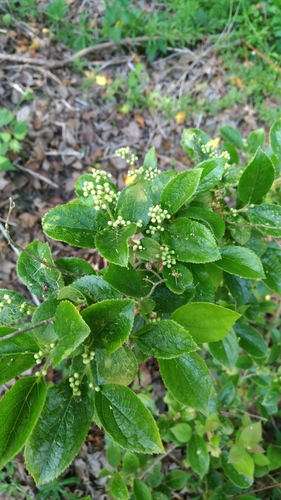
SweetleafSymplocos tinctoria

Also known as Common Sweetleaf · Horsesugar · Yellowwood

  • Category: Ornamental
  • Type: Shrub, Tree
  • Sunlight: Partial Shade to Full Sun
  • Water: Consistent Moisture
  • Temperature: Adaptable
Photograph © j_appleget · CC-BY-NC

Sweetleaf Care Summary

At-a-glance light, water, soil, and growing conditions from plant data

Light

Partial Shade to Full Sun

50% intensity

Thrives in partial shade but can tolerate full sun if soil moisture is consistent.

Water

Consistent Moisture

50% intensity

Prefers evenly moist soil, but dislikes waterlogged conditions.

Soil

Well-drained soil

50% intensity

Temperature

Adaptable

50% intensity

Tolerates a range of temperatures, hardy in USDA zones 6-9.

Fertilizer

Light Feeding

25% intensity

Apply a balanced fertilizer in early spring. Avoid over-fertilization.

Sweetleaf Toxicity

Safety information from plant toxicity data

Toxicity details for Sweetleaf
AttributeValue
Toxic for humansNo

0/5 intensity

Toxic for petsNo

0/5 intensity

Sweetleaf Quick Facts

Key traits and growing stats from plant data

Plant Type
Shrub, Tree
Plant Category
Ornamental
Plant Place Type
Garden
Lifespan
Perennial
Plant Height
4.5-7.5 m
Spread
4.5-7.5 m
Tall Or Wide
Tall
Growth Rate
Medium
Dormancy
Semi-evergreen
Leaf Color
Green
Leaf Type
Simple
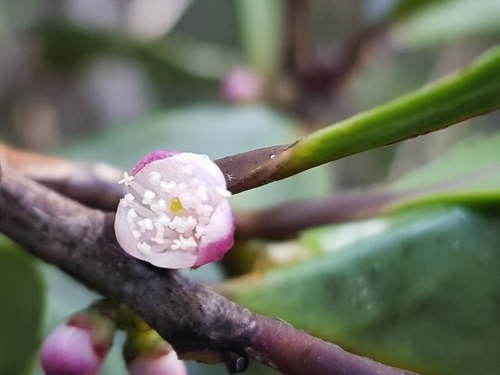
Flower Size
1.5 cm
Optimal Sunlight Lux
60000

Care guide for Sweetleaf

Watering, pruning, propagation, and repotting details from plant data

Water

Sweetleaf prefers consistently moist soil. Water deeply when the top 2-3 cm of soil feels dry. Avoid waterlogged conditions, which can lead to root rot.

Reduce watering slightly during winter dormancy, but do not let the soil dry out completely.

Pruning

Prune to shape the plant and remove any dead, damaged, or crossing branches. This can be done in late winter or early spring before new growth begins.

Lightly prune after flowering to encourage bushier growth and better flowering in subsequent years.

Propagation

Sweetleaf can be propagated from seeds, which may require stratification. Softwood cuttings taken in late spring or semi-hardwood cuttings taken in mid-summer are also effective.

Ensure cuttings have at least two nodes and use a rooting hormone for best results.

Repotting

Young plants may benefit from repotting every 1-2 years in spring. Mature plants generally do not require frequent repotting and prefer to be left undisturbed.

Use a well-draining potting mix and a pot only slightly larger than the current root ball.

Identify plants like this with ePlant AI

Snap a photo to get care tips and match similar species on the go.

Try for Free

Sweetleaf Names & Synonyms

Common names and botanical synonyms

Sweetleaf Taxonomy

Botanical classification