Whitesands Spiderlily (Hymenocallis duvalensis)

Whitesands Spiderlily (Hymenocallis duvalensis) is a native bulbous perennial with striking white, spider-like flowers and glossy green leaves, thriving in moist, sandy s

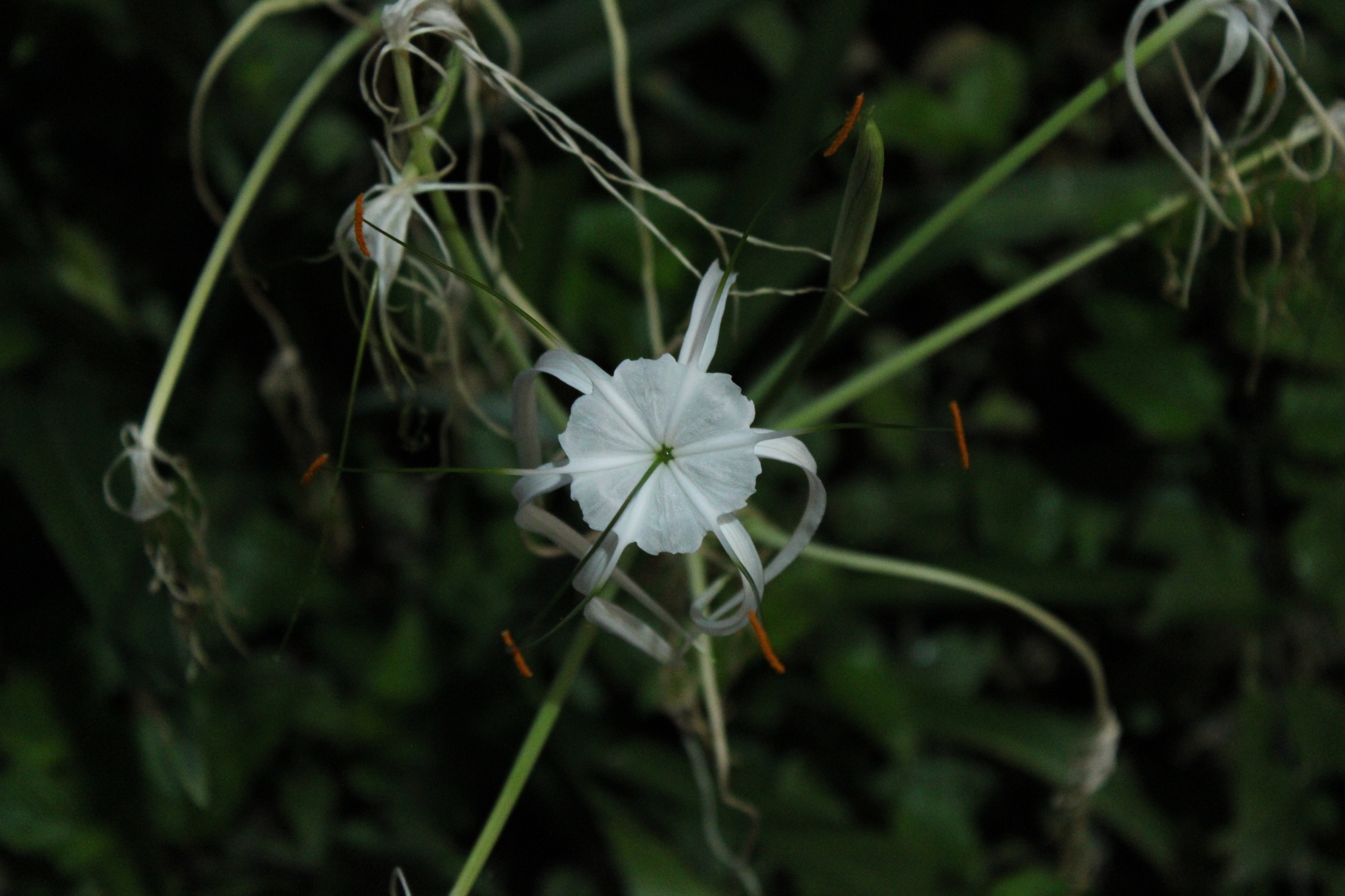
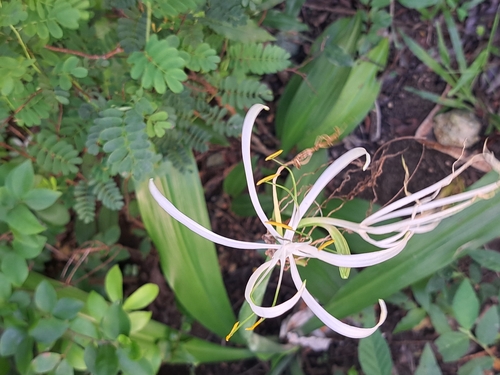
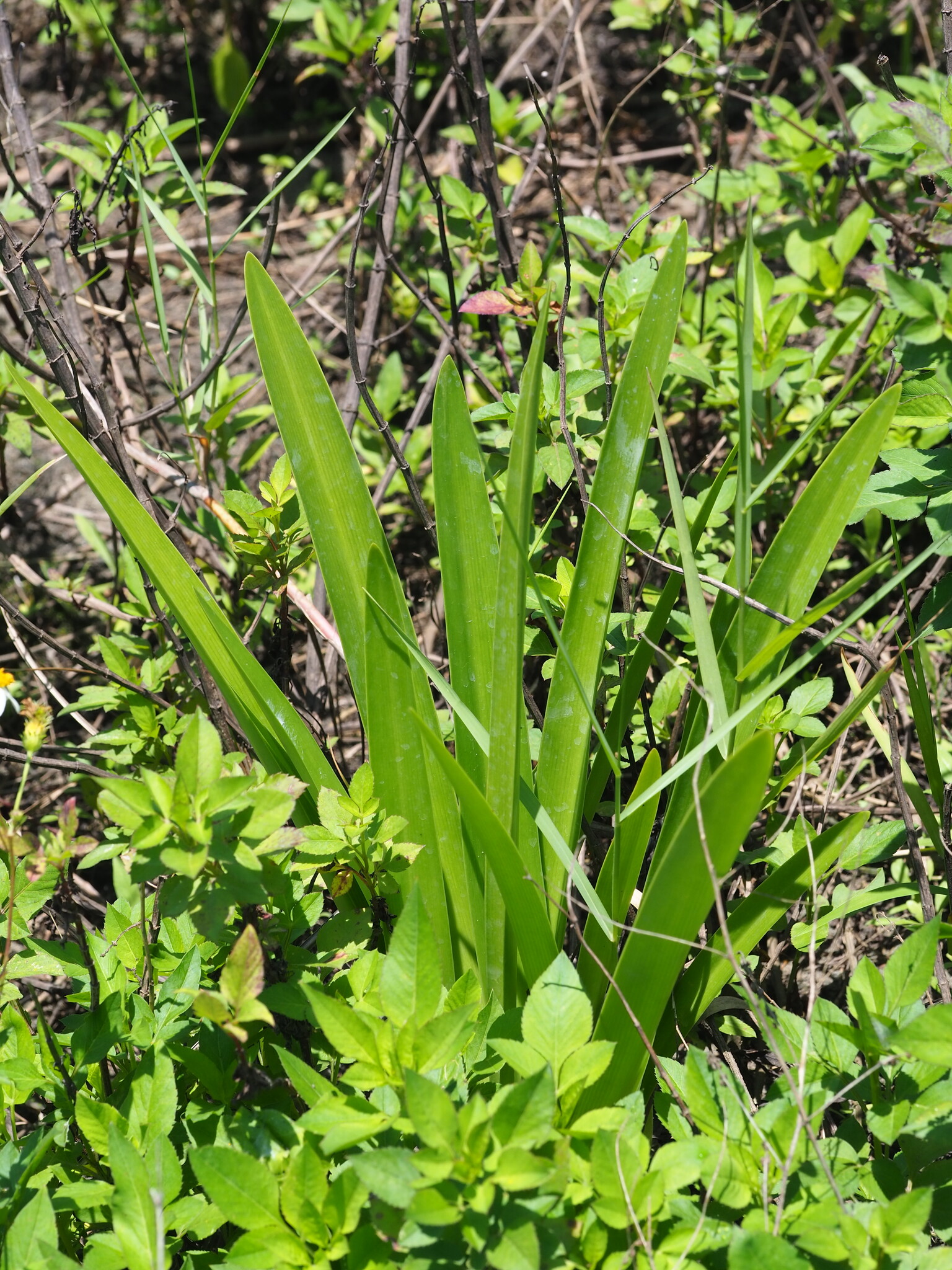
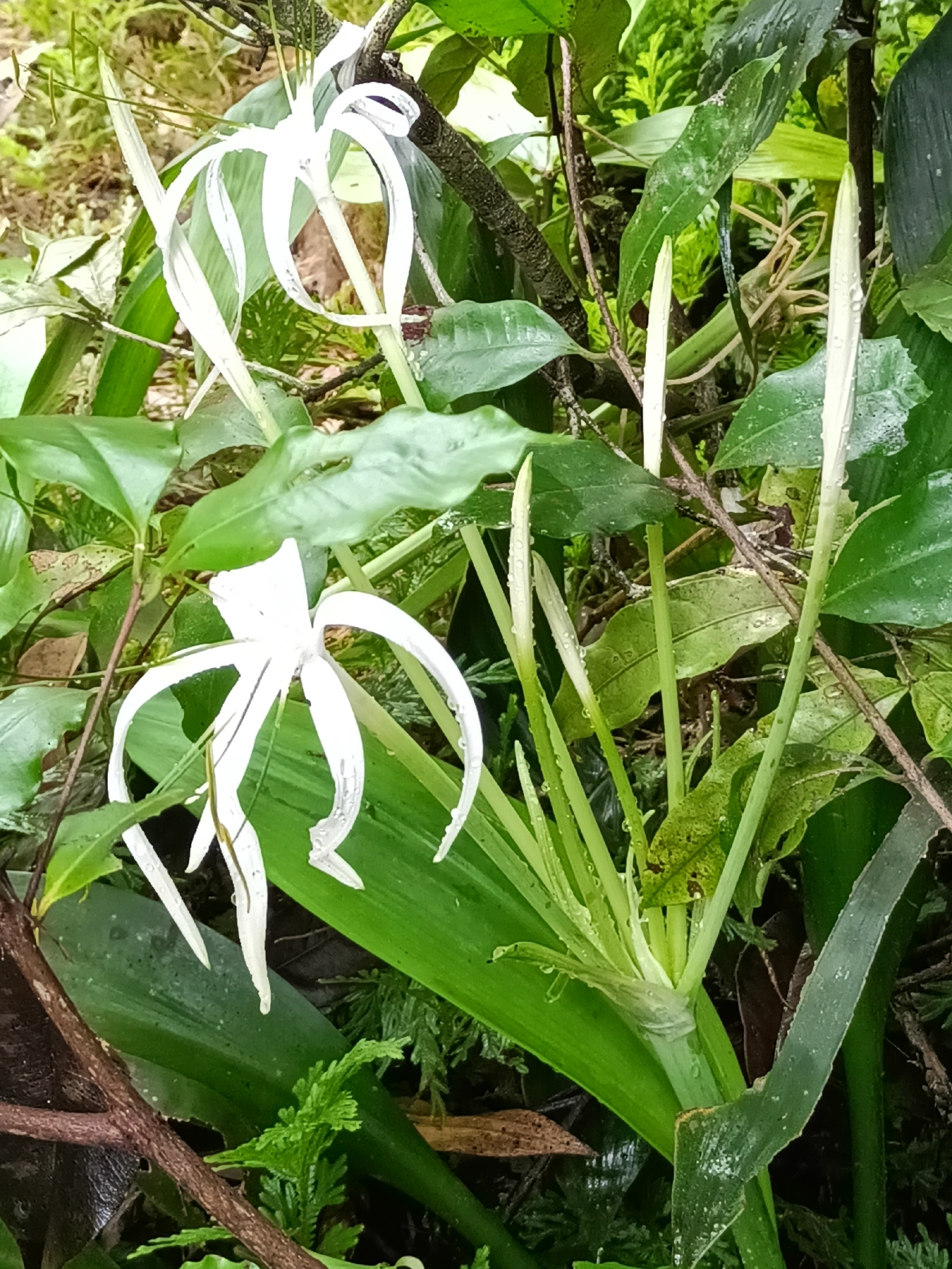
Hymenocallis duvalensis, commonly known as the Whitesands Spiderlily, is a striking bulbous perennial native to a specific coastal region of Florida. This species is a member of the Amaryllidaceae family, a group renowned for its ornamental members. The Whitesands Spiderlily is particularly significant for its restricted natural range and its unique adaptation to sandy, well-drained soils found in its native dune and coastal scrub habitats. Physically, Hymenocallis duvalensis is characterized by its basal rosette of long, strap-like leaves. These leaves are typically a deep green, often with a slightly glaucous or waxy surface, and can reach lengths of up to two feet. The plant produces a flower stalk, or scape, that emerges from the center of the foliage, typically reaching a height of one to two feet. Atop this scape are clusters of fragrant, white flowers. Each flower possesses long, narrow, recurving petals and prominent stamens that give the bloom its characteristic spider-like appearance. The flowers are borne in an umbel, usually comprising several blooms per scape. Following successful pollination, the plant may develop a small, fleshy capsule containing seeds. The native distribution of Hymenocallis duvalensis is quite limited, primarily occurring in the coastal dune systems and adjacent sandy habitats of a few counties in Florida. It thrives in full sun to partial shade and requires exceptionally well-drained soil, making sandy substrates ideal. While it is adapted to coastal conditions, it is not typically found in areas subject to regular inundation by saltwater. Cultivation outside its native range requires careful attention to its drainage needs, often necessitating sandy or gritty potting mixes and protection from prolonged wetness. The Whitesands Spiderlily is primarily valued for its ornamental qualities. Its elegant, fragrant white flowers and architectural foliage make it a desirable plant for specialized gardens, particularly those designed to mimic coastal environments or those seeking drought-tolerant, low-maintenance specimens. Its ecological role in its native habitat includes providing nectar for pollinators and contributing to the stabilization of sandy soils. There is no established record of medicinal, culinary, or significant economic uses for this species. An interesting characteristic of Hymenocallis duvalensis is its adaptation to its sandy environment. The bulbs are typically buried deeply enough to provide stability and access to moisture, while the leaves are often somewhat leathery, reducing water loss in exposed, sunny locations. The fragrance of its flowers is thought to attract nocturnal or crepuscular pollinators, a common strategy among many Amaryllidaceae species. Its restricted range underscores the importance of habitat conservation for this unique plant.

Above information is sourced from Wikipedia

Sunlight

Full sun to partial shade

Watering

Consistent moisture during growth, reduced in winter

Soil

Moist, well-drained

Temperature

Warm

Habitat

Outdoor

Fertilizer

During growing season

Care Requirements

Light

Full sun to partial shade

Prefers at least 6 hours of direct sunlight daily for best flowering, but can tolerate some shade.

Water

Consistent moisture during growth, reduced in winter

Soil

Moist, well-drained

Temperature

Warm

Thrives in warm temperatures, ideal range is 20-27°C. Protect from frost and temperatures below 10°C.

Habitat

Outdoor

Fertilizer

During growing season

Feed with a balanced liquid fertilizer every 4-6 weeks from spring to late summer.

Plant Overview

Plant Category

Ornamental

Plant Place Type

Garden, Pot

Plant Environment

Outdoor

Lifespan

Perennial

Plant Height

30-60 cm

Spread

15-30 cm

Growth Rate

Moderate

Dormancy

None

Leaf Color

Green

Leaf Type

Strap-like

Flower Size

10-15 cm

Optimal Sunlight Lux

60000

Flowering & Fruiting Cycles

Monthly activity intensity for bloom and fruit across both hemispheres.

Northern hemisphere

Flowering & fruiting calendar

Peak bloom · JulPeak fruit · Aug
FloweringFruiting
02468JanFebMarAprMayJunJulAugSepOctNovDecActivity intensityMonths95
Southern hemisphere

Flowering & fruiting calendar

Peak bloom · MayPeak fruit · May
FloweringFruiting
02468JanFebMarAprMayJunJulAugSepOctNovDecActivity intensityMonths95
Taxonomy
  • kingdomPlantae
  • divisionTracheophyta
  • classLiliopsida
  • orderAsparagales
  • familyAmaryllidaceae
  • genusHymenocallis
  • speciesHymenocallis duvalensis

Additional Care Tips

Water regularly to keep the soil consistently moist, especially during the growing season. Allow the top few centimeters of soil to dry out between waterings. Reduce watering significantly during dormancy in winter, providing just enough to prevent the bulbs from completely drying.

Remove spent flower stalks at the base once blooming has finished to encourage further flowering and prevent seed production. Trim any yellowing or dead foliage as it appears. No significant structural pruning is typically required for this species.

Propagated primarily by offsets or bulb division. Gently separate smaller bulbs from the parent bulb during repotting in spring. Plant the divisions in well-draining soil, ensuring they are planted at a suitable depth for establishment.

Repot every 2-3 years, or when the bulbs have filled the container, typically in early spring before new growth begins. Use a well-draining potting mix, such as a combination of potting soil, sand, and perlite. Ensure the new pot provides adequate space.

FAQs

What are the ideal growing conditions for Hymenocallis duvalensis?

Hymenocallis duvalensis prefers full sun to partial shade and moist, well-drained, sandy soil. It thrives in areas with consistent moisture, mimicking its native coastal dune environment.

How often should Whitesands Spiderlily be watered?

Water regularly to keep the soil consistently moist, especially during dry periods. Avoid letting the soil completely dry out.

Is Hymenocallis duvalensis cold-hardy?

Whitesands Spiderlily is generally hardy in USDA zones 9-11. In colder climates, the bulbs may need to be dug up and stored indoors during winter.

When does Hymenocallis duvalensis bloom?

This spiderlily typically blooms in late spring to early summer, producing its fragrant, white flowers.

Can Whitesands Spiderlily be grown in containers?

Yes, Hymenocallis duvalensis can be grown in containers, provided the pot is large enough and the soil is kept moist and well-drained. Ensure adequate light exposure.