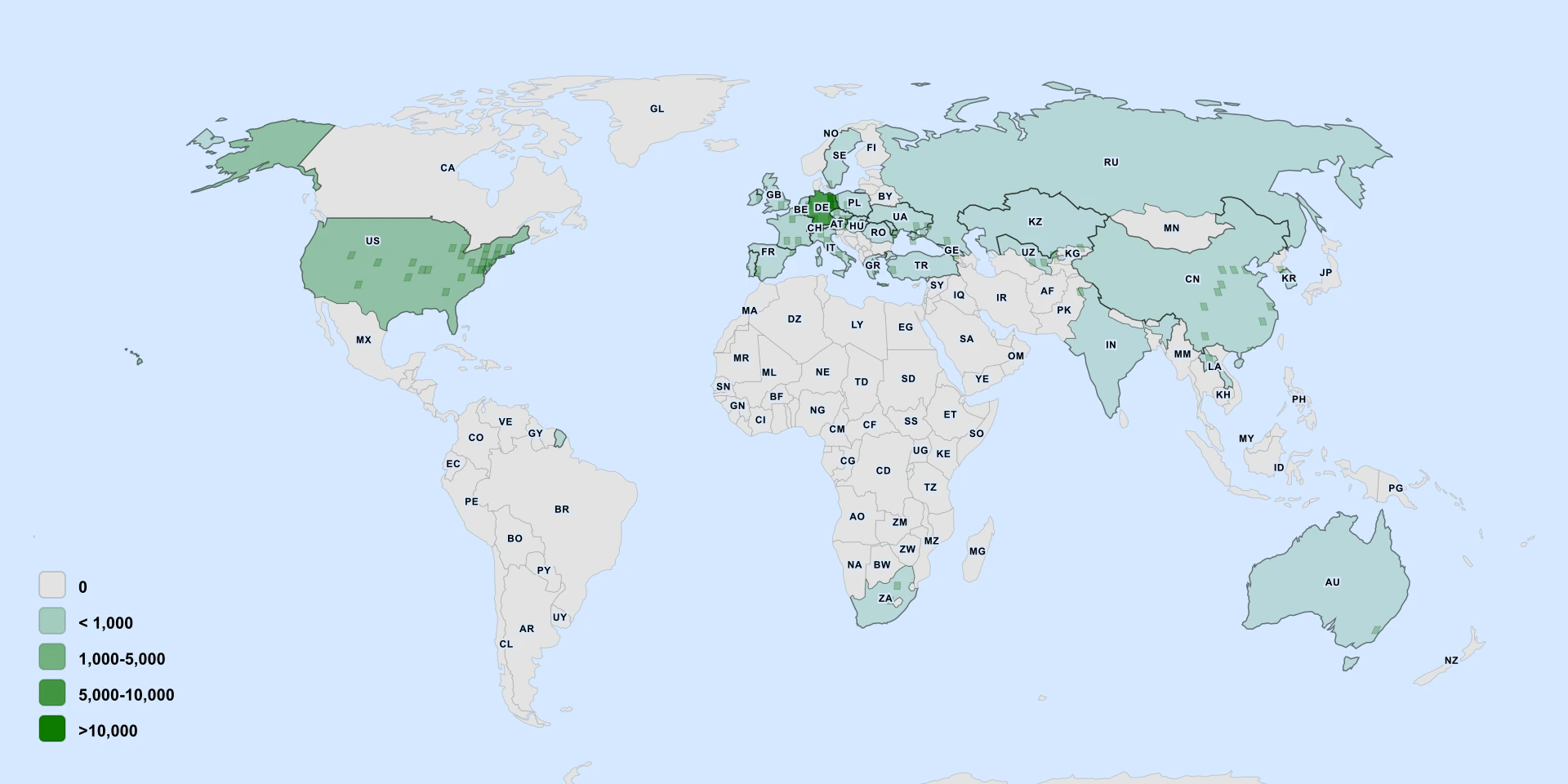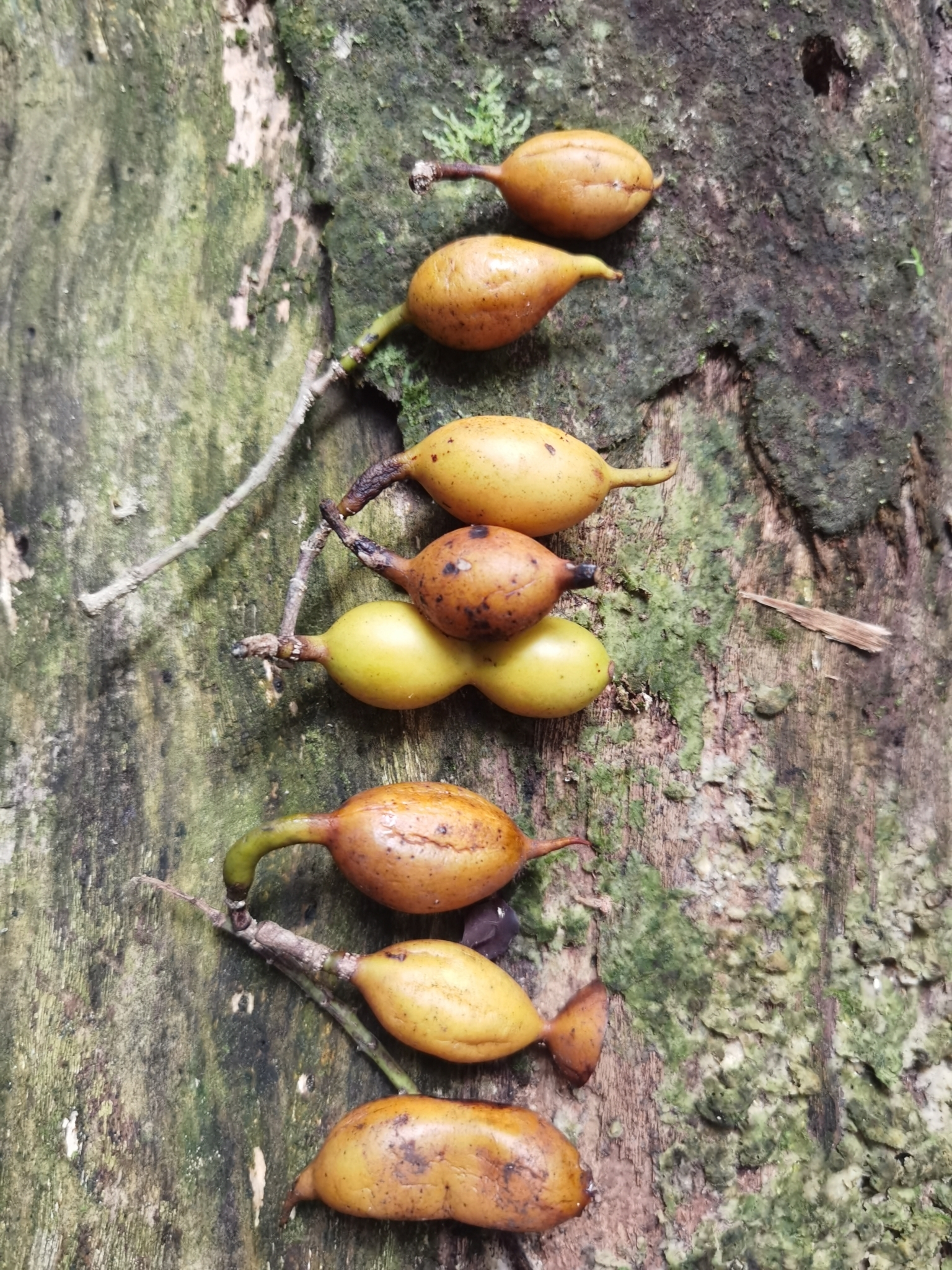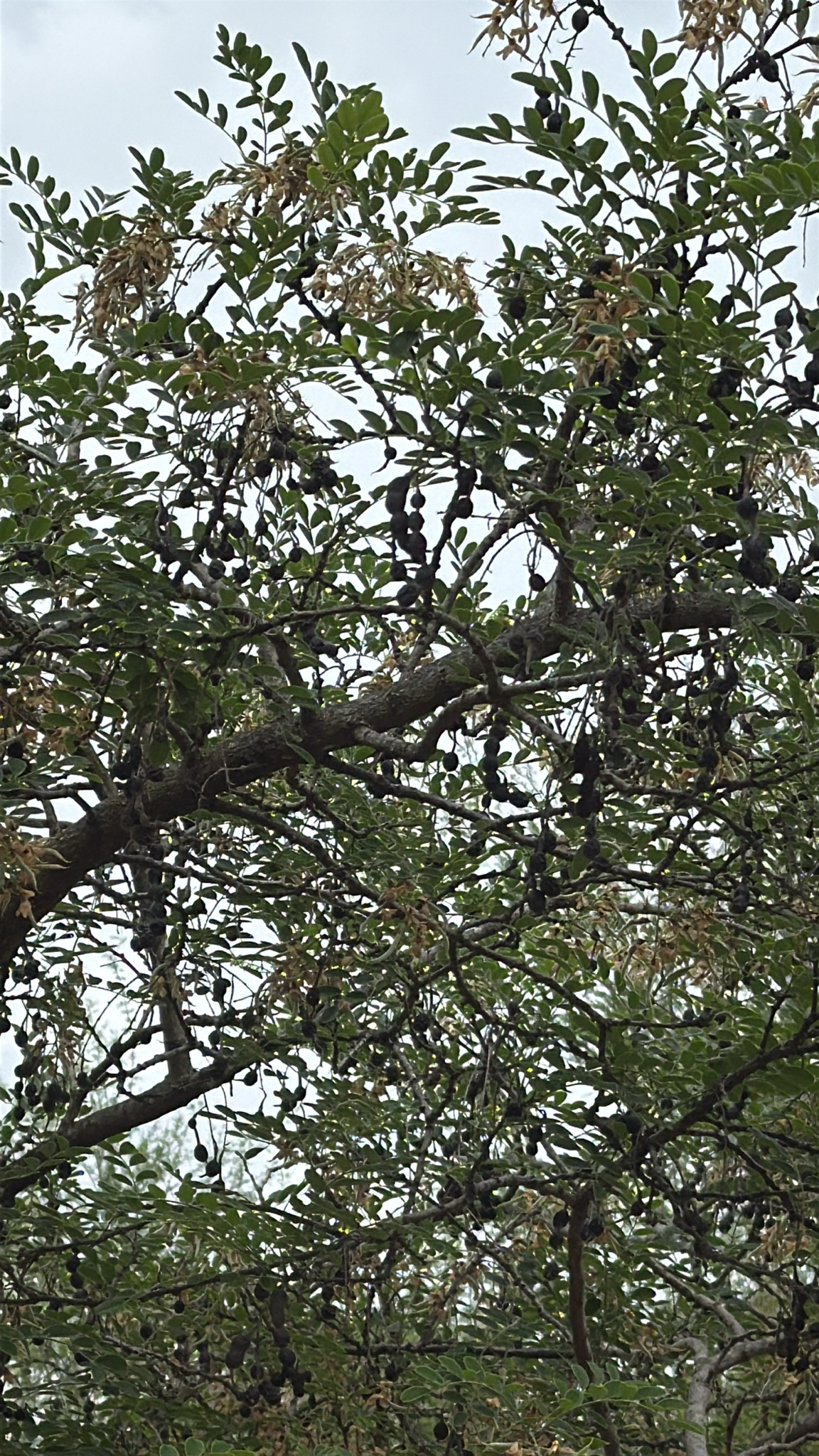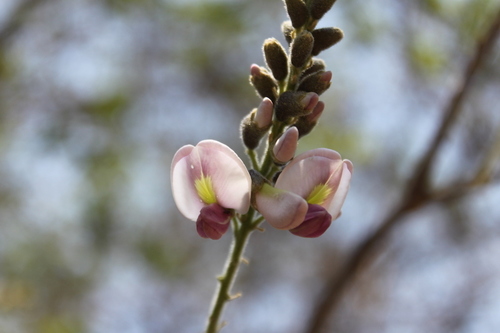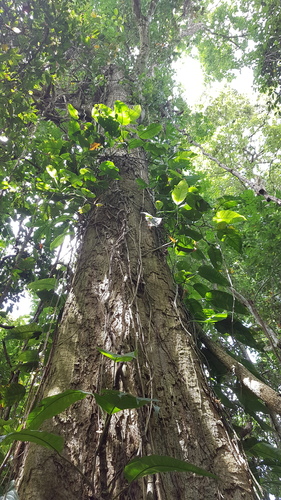
Japanese Pagoda-Tree (Styphnolobium japonicum) is a deciduous ornamental tree, native to China and Korea. It produces creamy-white flowers in late summer and tolerates ur
Above information is sourced from Wikipedia
Sunlight
Full sun (at least 6 hours direct sunlight daily).
Watering
Moderate for young trees, low for established.
Soil
Well-drained, fertile loam; adaptable to various soil types.
Temperature
Hardy in temperate climates, tolerating a wide range.
Habitat
Outdoor
Fertilizer
Minimal; young trees or poor soils may benefit from balanced spring application.
Full sun (at least 6 hours direct sunlight daily).
Moderate for young trees, low for established.
Well-drained, fertile loam; adaptable to various soil types.
Hardy in temperate climates, tolerating a wide range.
Outdoor
Minimal; young trees or poor soils may benefit from balanced spring application.
Plant Type
Tree
Plant Category
Ornamental
Plant Place Type
Ground, Garden
Plant Environment
Outdoor
Lifespan
Perennials
Plant Height
15-25 m
Spread
10-15 m
Growth Rate
Moderate to fast
Dormancy
Winter
Leaf Color
Green, Yellow
Leaf Type
Odd-pinnately compound
Flower Size
1-1.5 cm
Optimal Sunlight Lux
75000
Weed Status
Yes
Toxic for humans
Yes
Rating: 7/5
Toxic for pets
Yes
Rating: 7/5
Edible
No
All parts of the Japanese Pagoda-Tree, particularly the seeds and pods, contain toxic quinolizidine alkaloids, including cytisine. Ingestion can cause gastrointestinal upset, lethargy, depression, and in severe cases, neurological symptoms like convulsion