Mexican Fireplant (Euphorbia heterophylla)

Mexican Fireplant (Euphorbia heterophylla) is a vibrant annual with striking red and green foliage. It's a popular ornamental, often used for its bold color and fast grow

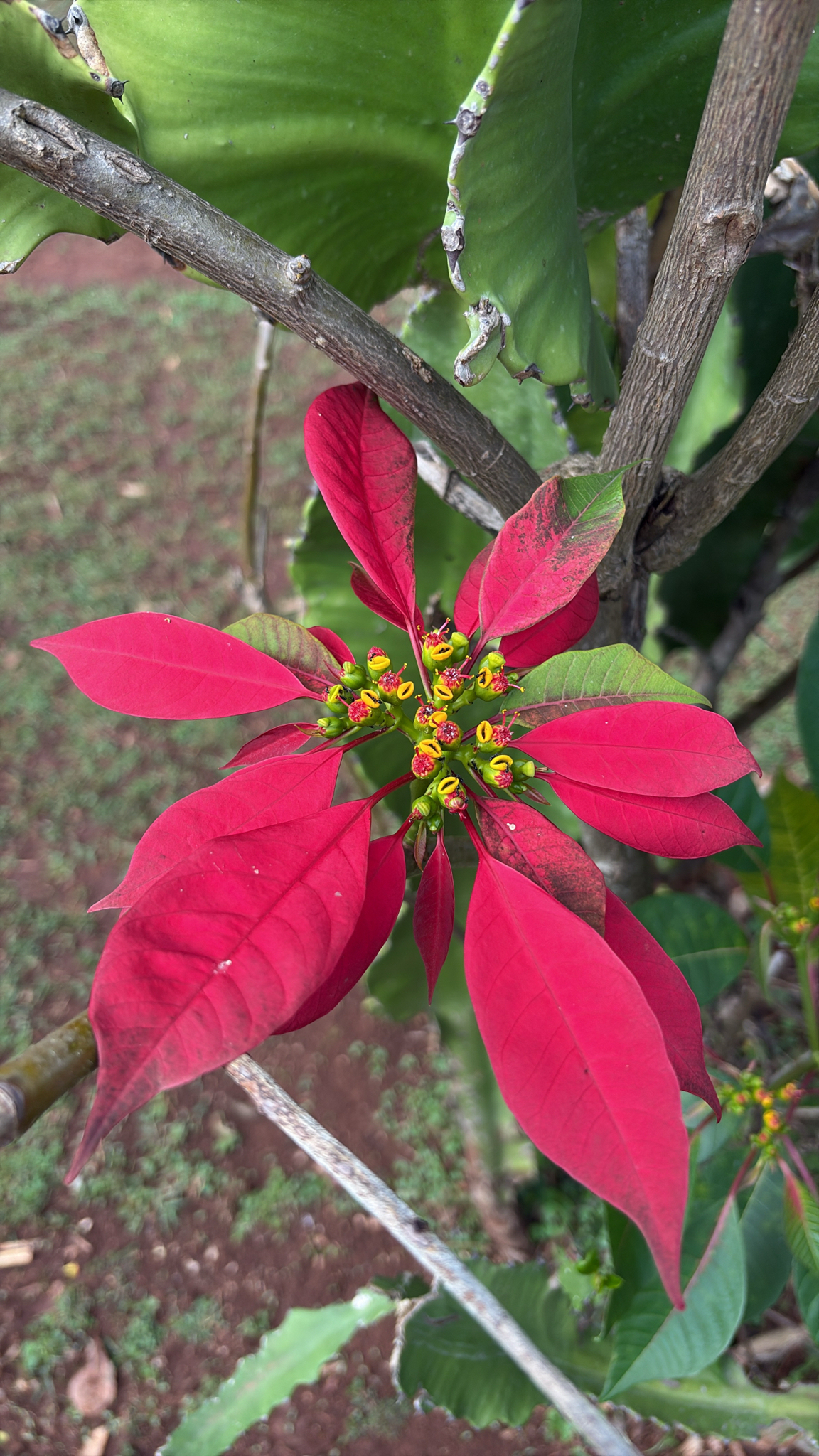
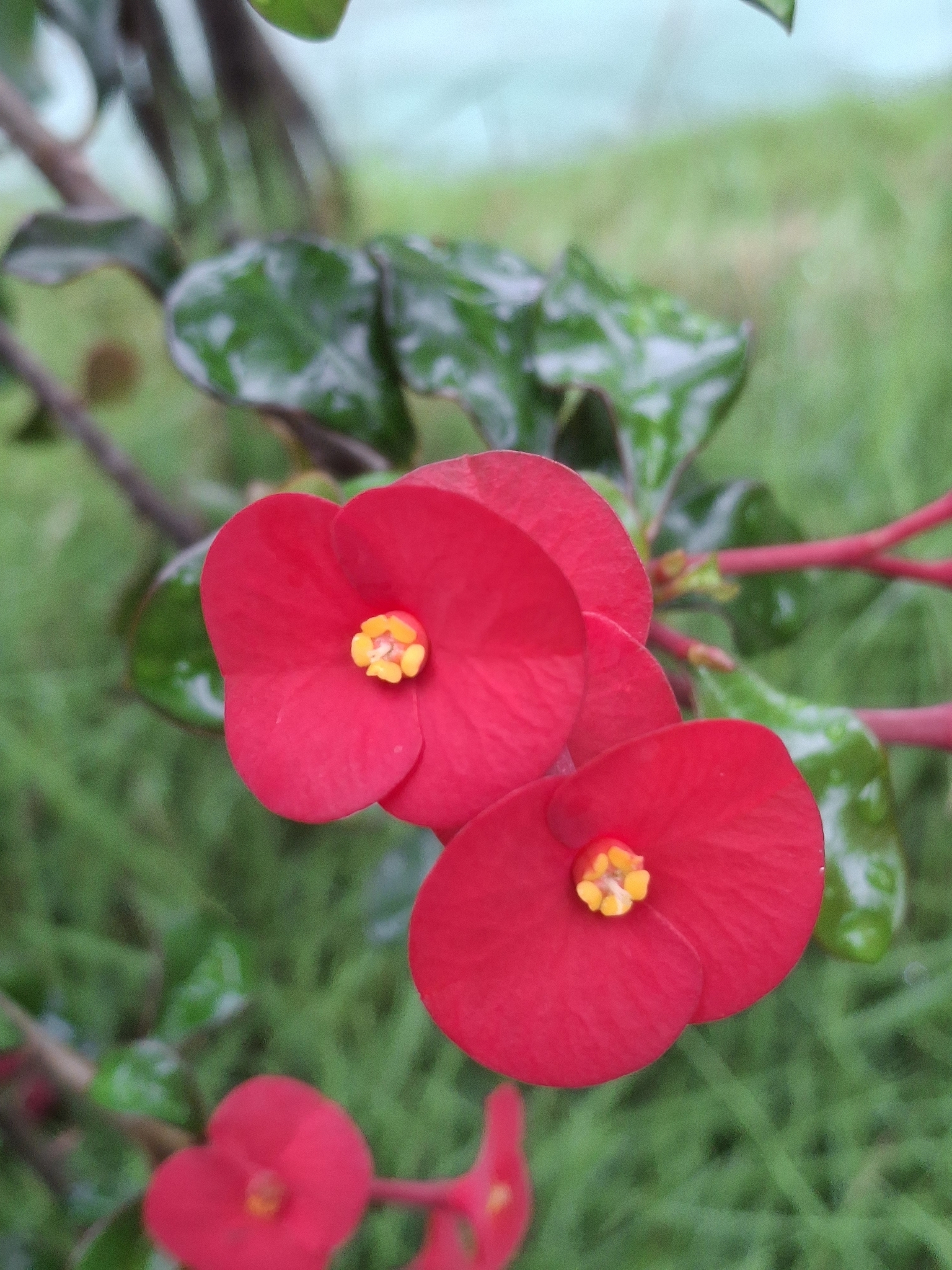
Euphorbia heterophylla, commonly known as Mexican Fireplant, is a fascinating annual herb belonging to the diverse spurge family, Euphorbiaceae. This species is recognized for its distinctive foliage and inflorescences, making it a notable plant in its native regions and in cultivation. The plant's scientific name, *heterophylla*, directly refers to its characteristic varied leaf forms, a key feature that distinguishes it. Physically, Euphorbia heterophylla typically grows as an erect annual, reaching heights of 30 to 100 centimeters. Its stems are usually smooth and somewhat fleshy. The leaves are highly variable in shape, a trait reflected in its specific epithet. They can be ovate, lanceolate, or even deeply lobed, and are arranged alternately along the stem. The upper leaves, particularly those subtending the inflorescence, often develop bright coloration, ranging from yellow to scarlet, which can be mistaken for petals. These colorful structures are actually bracts, modified leaves that serve to attract pollinators to the true flowers. The inflorescence itself is a cyathium, a characteristic structure in Euphorbia, which consists of a single female flower surrounded by several male flowers, all enclosed within a cup-like involucre. The fruit is a capsule, typically three-lobed, which dehisces upon maturity to release seeds. The native distribution of Euphorbia heterophylla spans across tropical and subtropical regions of the Americas, from the southern United States through Mexico, Central America, and into South America. It thrives in a variety of habitats, often found in disturbed areas, open fields, roadsides, and savannas. In its natural environment, it prefers well-drained soils and full sun exposure. Cultivation requirements are generally straightforward, as it is an adaptable plant that tolerates a range of soil types, provided they are not waterlogged. It is often grown as an ornamental for its striking foliage and is relatively easy to propagate from seed. While not widely recognized for significant medicinal or culinary uses, Euphorbia heterophylla holds some ecological importance as a component of its native flora. Its bright bracts serve as a visual attractant for pollinators, contributing to the local ecosystem's biodiversity. In some agricultural contexts, it can be considered a weed due to its rapid growth and seed production in disturbed agricultural lands. However, its ornamental appeal has led to its introduction and cultivation in gardens worldwide. An interesting characteristic of Euphorbia heterophylla, common to many species within the genus Euphorbia, is the presence of a milky white latex sap. This sap can be irritating to the skin and eyes, a defensive mechanism against herbivores. The variability in leaf morphology is a significant adaptation, potentially allowing the plant to optimize light capture under different environmental conditions or to deter specific herbivores. The vibrant coloration of the bracts is a remarkable evolutionary strategy to ensure successful reproduction by attracting insects for pollination.

Above information is sourced from Wikipedia

Sunlight

Full sun to partial shade

Watering

Allow soil to dry between waterings

Soil

Well-drained

Temperature

Warm conditions

Fertilizer

Moderate feeding during growing season

Care Requirements

Light

Full sun to partial shade

Prefers at least 6 hours of direct sunlight daily for best flowering and compact growth.

Watering

Allow soil to dry between waterings

Prefers well-draining soil and can tolerate some drought.

Soil

Well-drained

Temperature

Warm conditions

Thrives in temperatures between 18-27°C. Protect from frost.

Fertilizer

Moderate feeding during growing season

Use a balanced liquid fertilizer diluted to half strength every 4-6 weeks in spring and summer.

Plant Overview

Plant Type

Herb

Plant Category

Ornamental

Plant Place Type

Garden, Pot

Lifespan

Annual

Plant Height

0.3-0.6 m

Spread

0.3-0.6 m

Growth Rate

Moderate

Dormancy

None

Leaf Color

Green, Red, Yellow

Leaf Type

Simple

Flower Size

1-2 cm

Optimal Sunlight Lux

60000

Image Gallery

Flowering & Fruiting Cycles

Monthly activity intensity for bloom and fruit across both hemispheres.

Northern hemisphere

Flowering & fruiting calendar

Peak bloom · JulPeak fruit · Jul
FloweringFruiting
02468JanFebMarAprMayJunJulAugSepOctNovDecActivity intensityMonths9977
Southern hemisphere

Flowering & fruiting calendar

Peak bloom · JanPeak fruit · Jan
FloweringFruiting
02468JanFebMarAprMayJunJulAugSepOctNovDecActivity intensityMonths9977
Synonyms
Cyathophora heterophyla (L.) Raf.
Poinsettia heterophylla (L.) Klotzsch & Garcke
Tithymalus heterophyllus (L.) Haw.
Taxonomy
  • kingdomPlantae
  • divisionTracheophyta
  • classMagnoliopsida
  • orderMalpighiales
  • familyEuphorbiaceae
  • genusEuphorbia
  • speciesEuphorbia heterophylla
Toxicity

Toxic for humans

Yes

Rating: 4/5

Toxic for pets

Yes

Rating: 4/5

Edible

No

The milky sap can cause irritation to skin and eyes. Ingestion can cause gastrointestinal upset.

Additional Care Tips

Water thoroughly when the top 2-3 cm of soil feels dry. Allow soil to dry out slightly between waterings, as overwatering can lead to root rot. Reduce watering frequency in cooler months when growth slows. Ensure good drainage to prevent waterlogging.

Prune to maintain shape, remove dead or damaged stems, and encourage bushier growth. Pinch back the tips of young plants to promote branching. Use clean, sharp tools. Pruning can be done anytime, but is best after flowering.

Easily propagated from seeds sown in spring. Cuttings can also be taken from healthy stems in late spring or early summer. Allow cuttings to callus for a day or two before planting in well-draining soil. Seeds germinate best in warm conditions.

Repot young plants annually in spring, and mature plants every 2-3 years or when root-bound. Use a well-draining potting mix, such as a cactus or succulent blend. Choose a pot that is only slightly larger than the current one.

FAQs

What are the ideal growing conditions for Mexican Fireplant?

Mexican Fireplant thrives in full sun and well-draining soil. It is tolerant of various soil types but prefers sandy or loamy conditions.

How often should I water Mexican Fireplant?

Water regularly when the top inch of soil is dry. It is relatively drought-tolerant once established, but consistent moisture promotes better growth and color.

Is Mexican Fireplant toxic?

Yes, the milky sap of Euphorbia heterophylla is an irritant to skin and eyes and is toxic if ingested. Handle with care and keep away from pets and children.

How do I propagate Mexican Fireplant?

Mexican Fireplant is easily grown from seed sown directly outdoors after the last frost. It can also self-seed readily in favorable conditions.

When does Mexican Fireplant bloom?

While it is grown for its colorful bracts, which are prominent from summer to fall, it does produce small, inconspicuous flowers within these bracts.