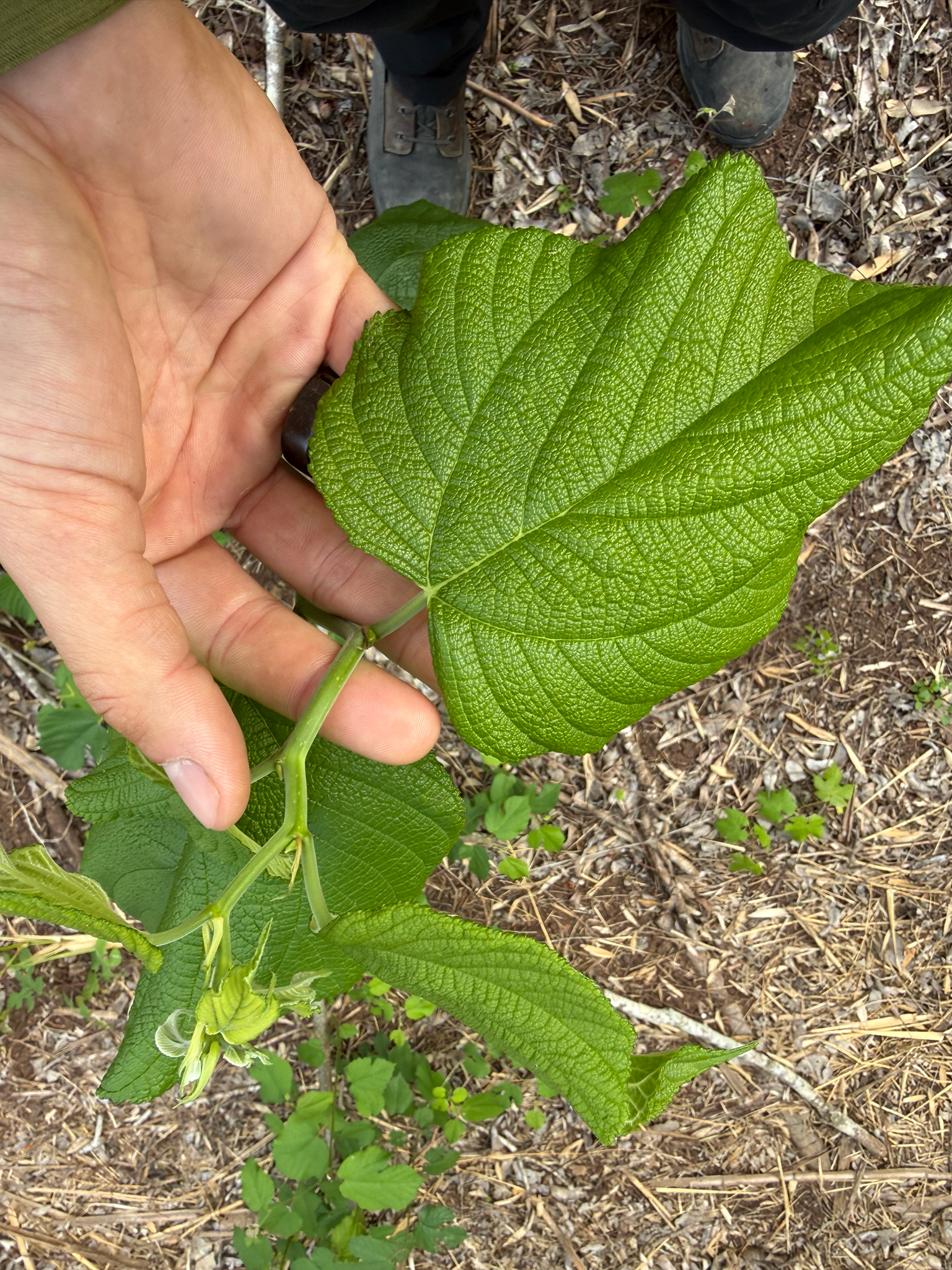
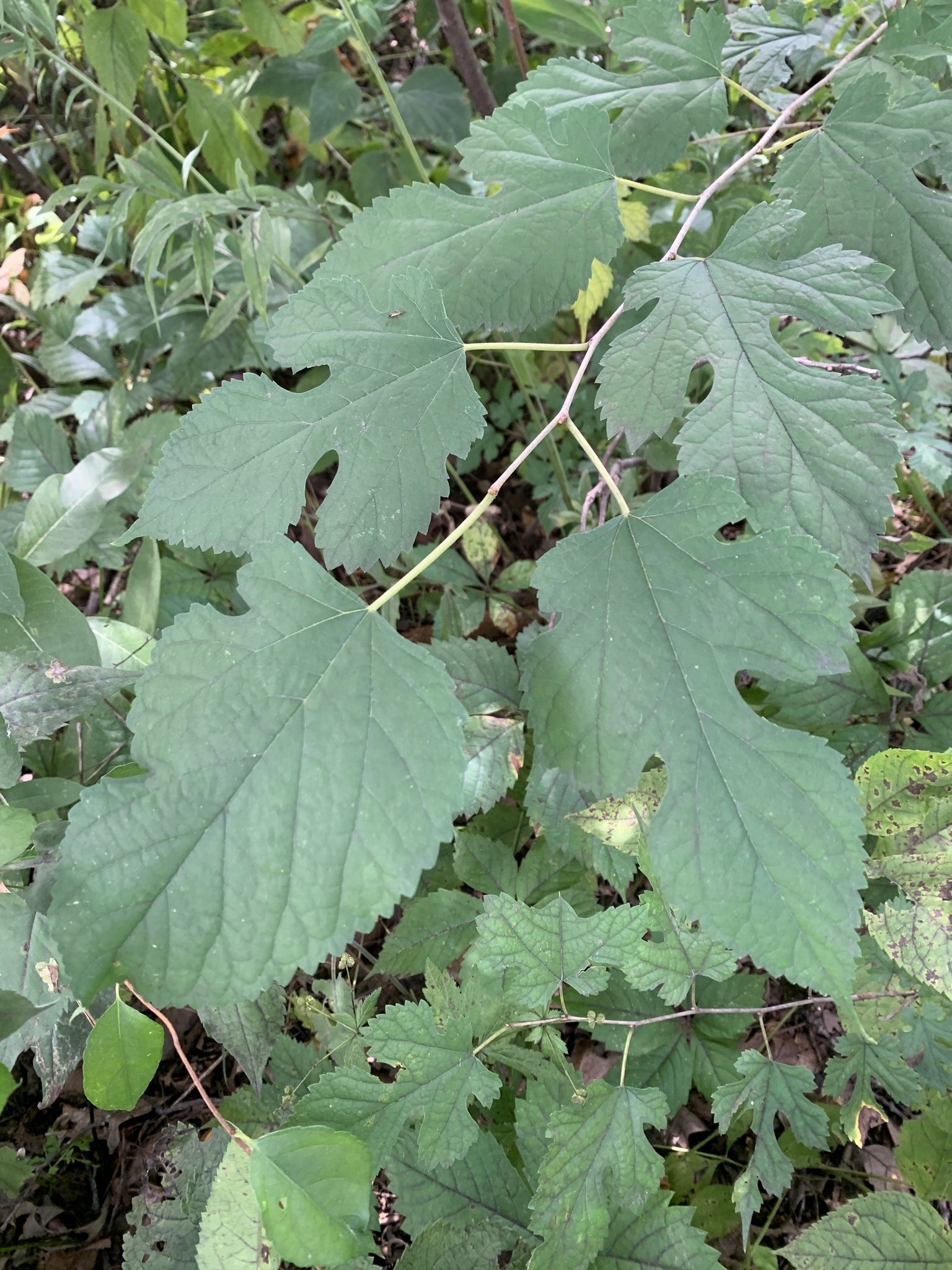
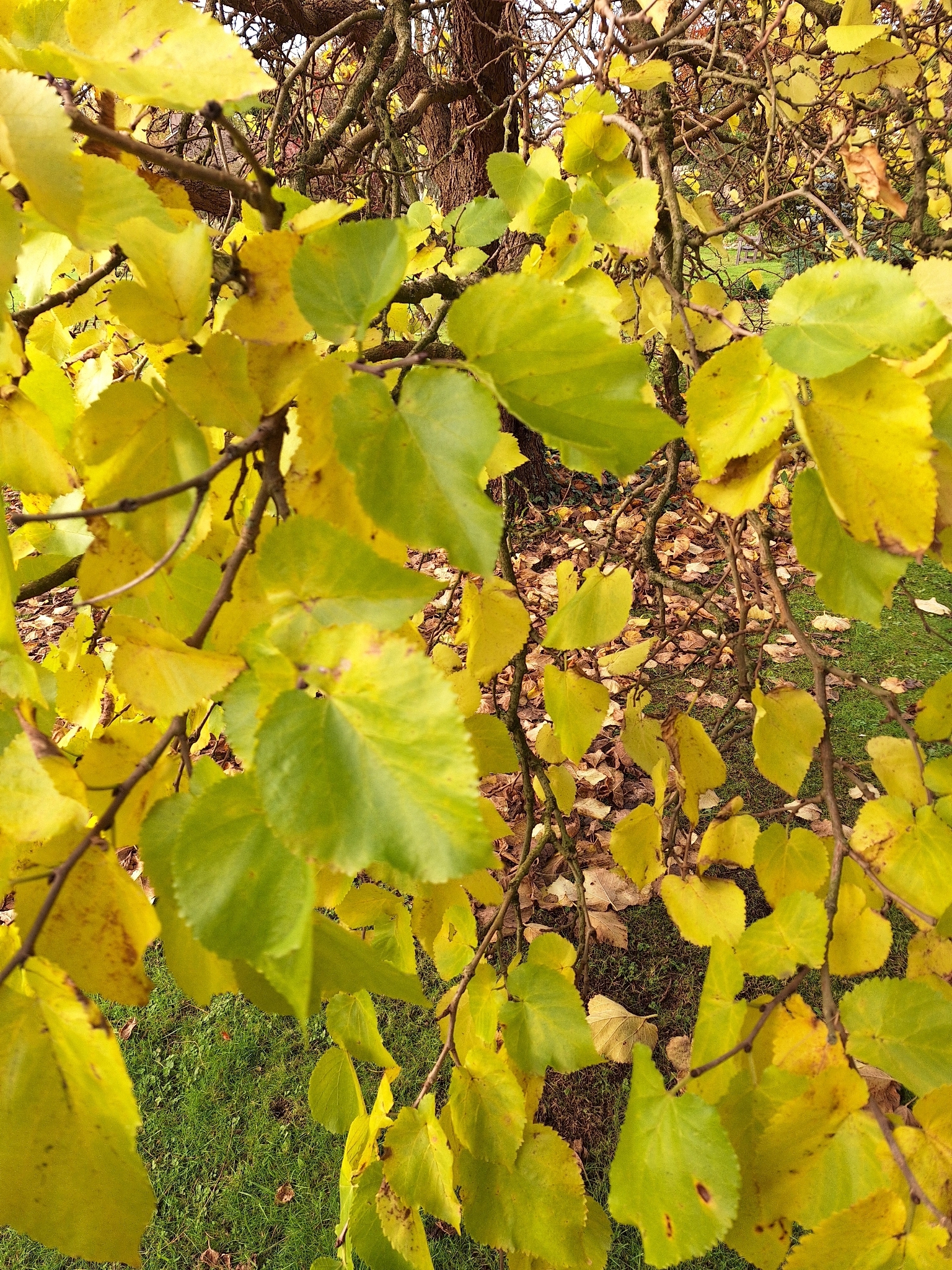
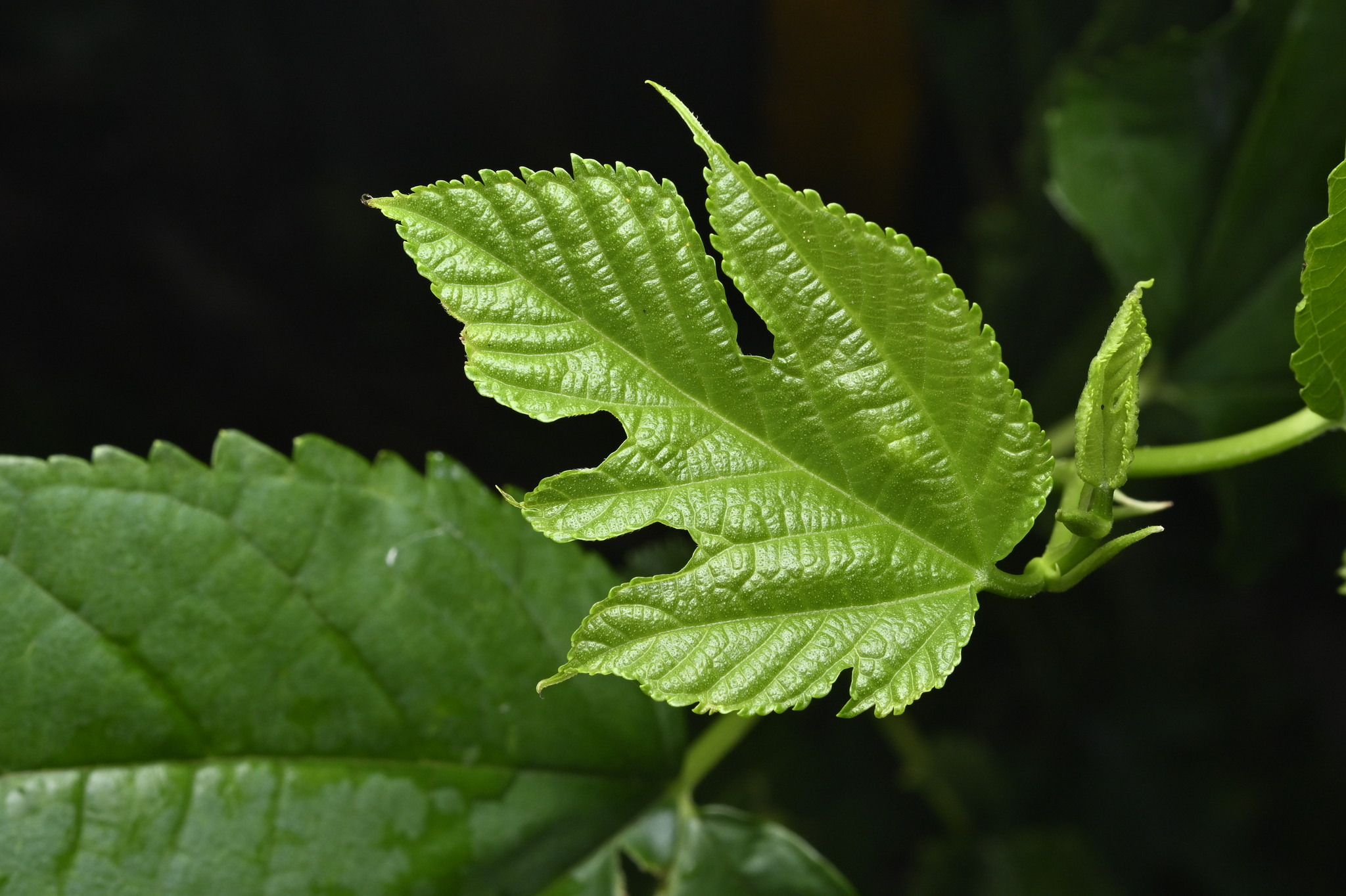
Himalayan Mulberry (Morus macroura)

Morus macroura, the Himalayan Mulberry, is a fast-growing deciduous tree native to the Himalayas, producing long, sweet, edible fruits.

Above information is sourced from Wikipedia

Sunlight

Full Sun

Watering

Moderate

Soil

Loam, Sandy loam, Clay loam, Well-drained

Temperature

Hardy

Fertilizer

Moderate

Care Requirements

Light Requirements

Full Sun

Prefers at least 6-8 hours of direct sunlight daily for best growth and fruiting.

Watering Needs

Moderate

Keep soil consistently moist, especially when young or fruiting. Reduce in dormancy.

Soil

Loam, Sandy loam, Clay loam, Well-drained

Temperature Tolerance

Hardy

Tolerates a wide range of temperatures, from cold winters to warm summers. Protect from extreme frost when young.

Fertilizer Needs

Moderate

Annual feeding in spring with balanced fertilizer. Avoid over-fertilization.

Plant Overview

Plant Type

Tree

Plant Category

Fruit

Plant Place Type

Garden, Pot

Lifespan

Perennial

Plant Height

10 - 20 m

Spread

5 - 10 m

Growth Rate

Medium

Dormancy

Dormant

Leaf Color

Green

Leaf Type

Simple

Optimal Sunlight Lux

60000

Image Gallery

Flowering & Fruiting Cycles

Monthly activity intensity for bloom and fruit across both hemispheres.

Northern hemisphere

Flowering & fruiting calendar

Peak bloom · MayPeak fruit · Jun
FloweringFruiting
02468JanFebMarAprMayJunJulAugSepOctNovDecActivity intensityMonths88
Southern hemisphere

Flowering & fruiting calendar

Peak bloom · AugPeak fruit · Aug
FloweringFruiting
02468JanFebMarAprMayJunJulAugSepOctNovDecActivity intensityMonths88
Taxonomy
  • kingdomPlantae
  • divisionTracheophyta
  • classMagnoliopsida
  • orderRosales
  • familyMoraceae
  • genusMorus
  • speciesMorus macroura
Toxicity

Toxic for humans

No

Rating: 0/5

Toxic for pets

No

Rating: 0/5

Edible

Yes

Additional Care Tips

Water regularly, especially during dry periods, ensuring the soil is consistently moist but not waterlogged. Reduce watering in winter when the plant is dormant. Deep watering encourages a stronger root system. Monitor soil moisture levels to avoid over or under-watering.

Prune in late winter to remove dead, damaged, or crossing branches. This encourages vigorous growth and fruit production. Shaping can be done to maintain a desired size and structure. Remove suckers from the base to direct energy into the main plant.

Propagate by cuttings taken in summer or through grafting in winter. Seed propagation is possible but may not produce true-to-type fruit. Layering is another effective method. Ensure cuttings are taken from healthy, mature wood.

Young trees benefit from repotting every 2-3 years in early spring to refresh soil and provide more space. Mature trees rarely need repotting and are best planted directly in the ground. Use well-draining potting mix.

FAQs

What are the soil and climate preferences for Morus macroura?

Morus macroura prefers well-drained soil and thrives in temperate climates with full sun exposure.

How often should Himalayan Mulberry be watered?

Young trees require regular watering to establish. Mature trees are relatively drought-tolerant but benefit from occasional watering during dry spells.

When does Morus macroura typically produce fruit?

Fruiting usually occurs in late spring to early summer, depending on the climate.

Can Himalayan Mulberry be pruned for size control?

Yes, pruning can be done to manage size and shape, and to encourage fruit production. It is best performed in late winter or early spring.

Is Morus macroura susceptible to pests or diseases?

While generally hardy, it can be susceptible to common mulberry pests like aphids and certain fungal diseases if conditions are unfavorable.