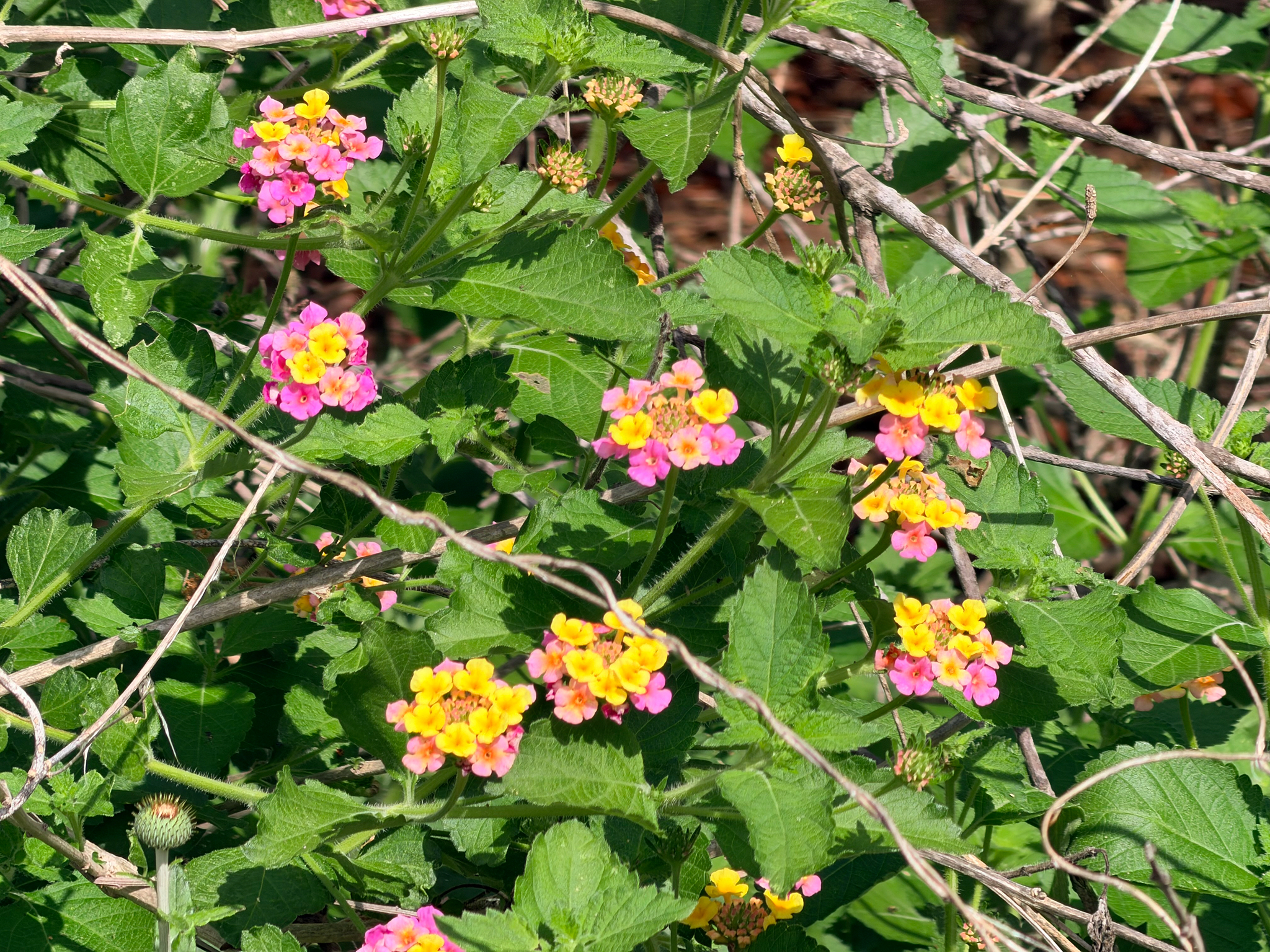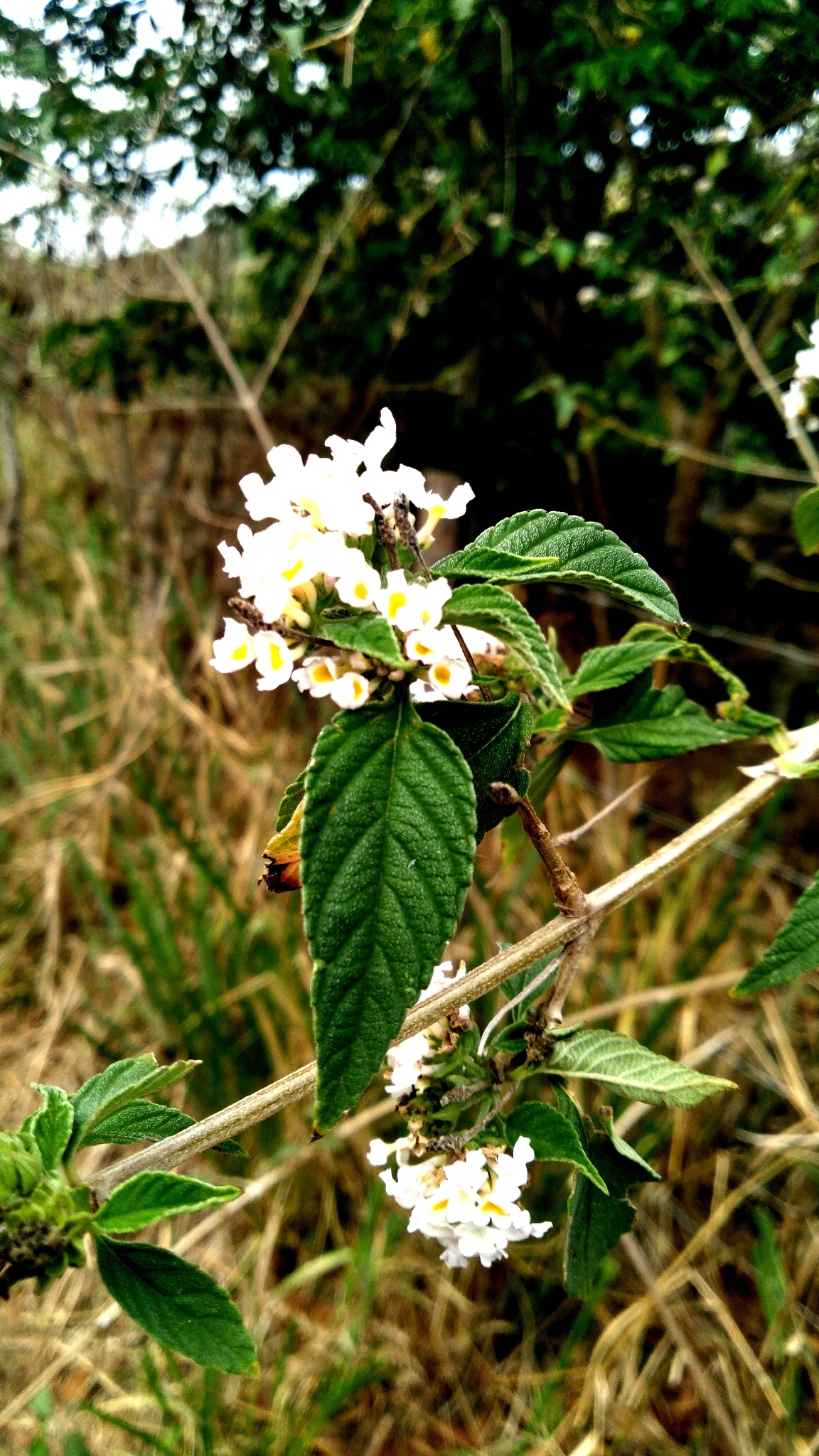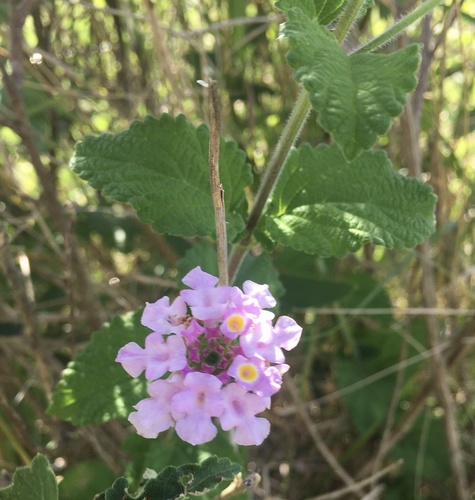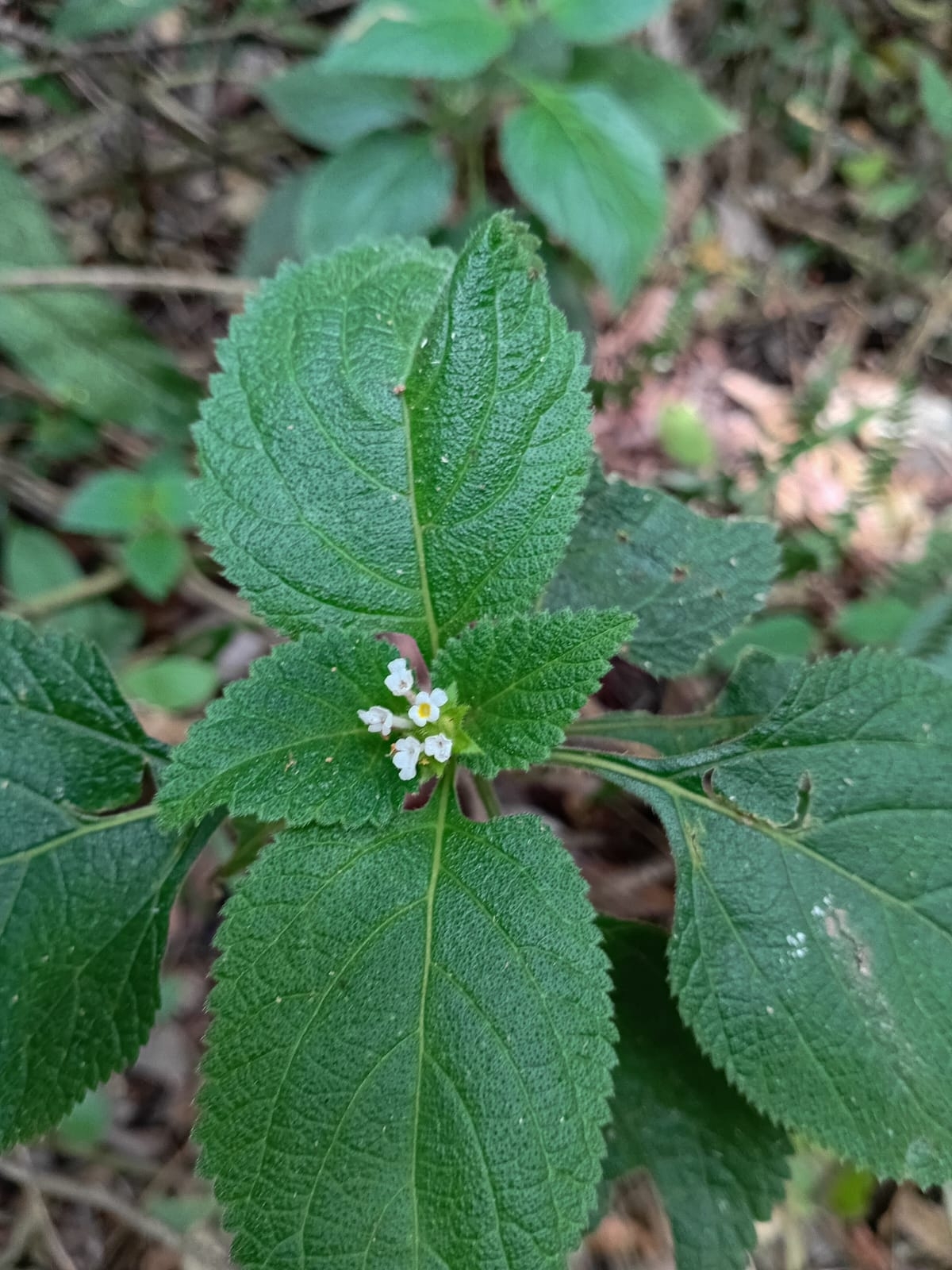
Lantana horrida is a thorny shrub native to Texas and Mexico, featuring clusters of small, colorful flowers and aromatic foliage.
Above information is sourced from Wikipedia
Sunlight
Prefers full sun for abundant blooms.
Watering
Water when the top inch of soil is dry. Reduce in winter.
Soil
Well-draining soil is essential. Tolerates a range of soil types, including sandy, loamy, and clay soils, but prefers slightly acidic to neutral pH.
Temperature
Thrives in warm temperatures between 18-27 °C.
Habitat
Outdoor
Fertilizer
Fertilize lightly in spring with a balanced fertilizer.
Prefers full sun for abundant blooms.
Tolerates partial shade.
Water when the top inch of soil is dry. Reduce in winter.
Drought tolerant once established.
Well-draining soil is essential. Tolerates a range of soil types, including sandy, loamy, and clay soils, but prefers slightly acidic to neutral pH.
Thrives in warm temperatures between 18-27 °C.
Can tolerate brief periods of higher heat.
Outdoor
Fertilize lightly in spring with a balanced fertilizer.
Avoid over-fertilizing.
Plant Type
Shrub
Plant Category
Flowering, Ornamental
Plant Place Type
Ground, Garden, Pot
Plant Environment
Outdoor
Lifespan
Perennials
Plant Height
0.6-1.2 m
Spread
1-2 m
Growth Rate
Moderate
Dormancy
Semi-evergreen to deciduous in cooler climates
Leaf Color
Green
Leaf Type
Opposite, simple, ovate to lanceolate
Flower Size
0.5-1 cm
Optimal Sunlight Lux
75000
Toxic for humans
Yes
Rating: 3/5
Toxic for pets
Yes
Rating: 3/5
Edible
No
Contains triterpenoids and lantadene A, which can cause gastrointestinal upset, vomiting, diarrhea, and liver damage in pets and humans if ingested. Skin irritation may occur in sensitive individuals.