Water
Lemon balm prefers consistently moist soil. Water thoroughly when the top inch of soil feels dry. Avoid overwatering, as this can lead to root rot.
In hot, dry weather, it may require more frequent watering, especially if grown in containers.
Also known as Balm · Bee Herb · Beebalm
Lemon balm (Melissa officinalis) is a fragrant, herbaceous perennial herb in the mint family, known for its citrusy aroma and calming properties, ideal for culinary and m
At-a-glance light, water, soil, and growing conditions from plant data
Prefers full sun to partial shade. In hotter climates, some afternoon shade is beneficial to prevent wilting and scorching.
75% intensity
Prefers consistently moist soil, but dislikes waterlogged conditions. Allow the top inch of soil to dry out between waterings.
50% intensity
Well-drained
50% intensity
Thrives in average room temperatures. Can tolerate cooler temperatures outdoors and is hardy to frost.
50% intensity
Outdoor
50% intensity
Does not require heavy feeding. A light application of a balanced fertilizer in spring is usually sufficient. Compost is a good amendment.
25% intensity
Safety information from plant toxicity data
| Attribute | Value |
|---|---|
| Toxic for humans | No 0/5 intensity |
| Toxic for pets | No 0/5 intensity |
| Edible | Yes |
Non-toxic
Key traits and growing stats from plant data
Watering, pruning, propagation, and repotting details from plant data
Lemon balm prefers consistently moist soil. Water thoroughly when the top inch of soil feels dry. Avoid overwatering, as this can lead to root rot.
In hot, dry weather, it may require more frequent watering, especially if grown in containers.
Regular pruning encourages bushier growth and prevents the plant from becoming leggy. Pinch back the tips of young plants.
Cut back established plants by about one-third in mid-summer to promote a second flush of growth and flowering. Remove spent flower stalks to prevent self-seeding.
Lemon balm is easily propagated from seed, stem cuttings, or division. Sow seeds indoors in early spring or directly outdoors after the last frost.
Stem cuttings can be taken in late spring or early summer and rooted in water or moist soil. Division is best done in spring.
Lemon balm generally thrives when slightly pot-bound. Repot only when the plant outgrows its container, typically every 2-3 years. Choose a pot that is only one size larger than the current one.
Repot in spring, using a well-draining potting mix.
Identify plants like this with ePlant AI
Snap a photo to get care tips and match similar species on the go.
Monthly activity intensity for bloom and fruit across both hemispheres.
Flowering & fruiting calendar
Flowering & fruiting calendar
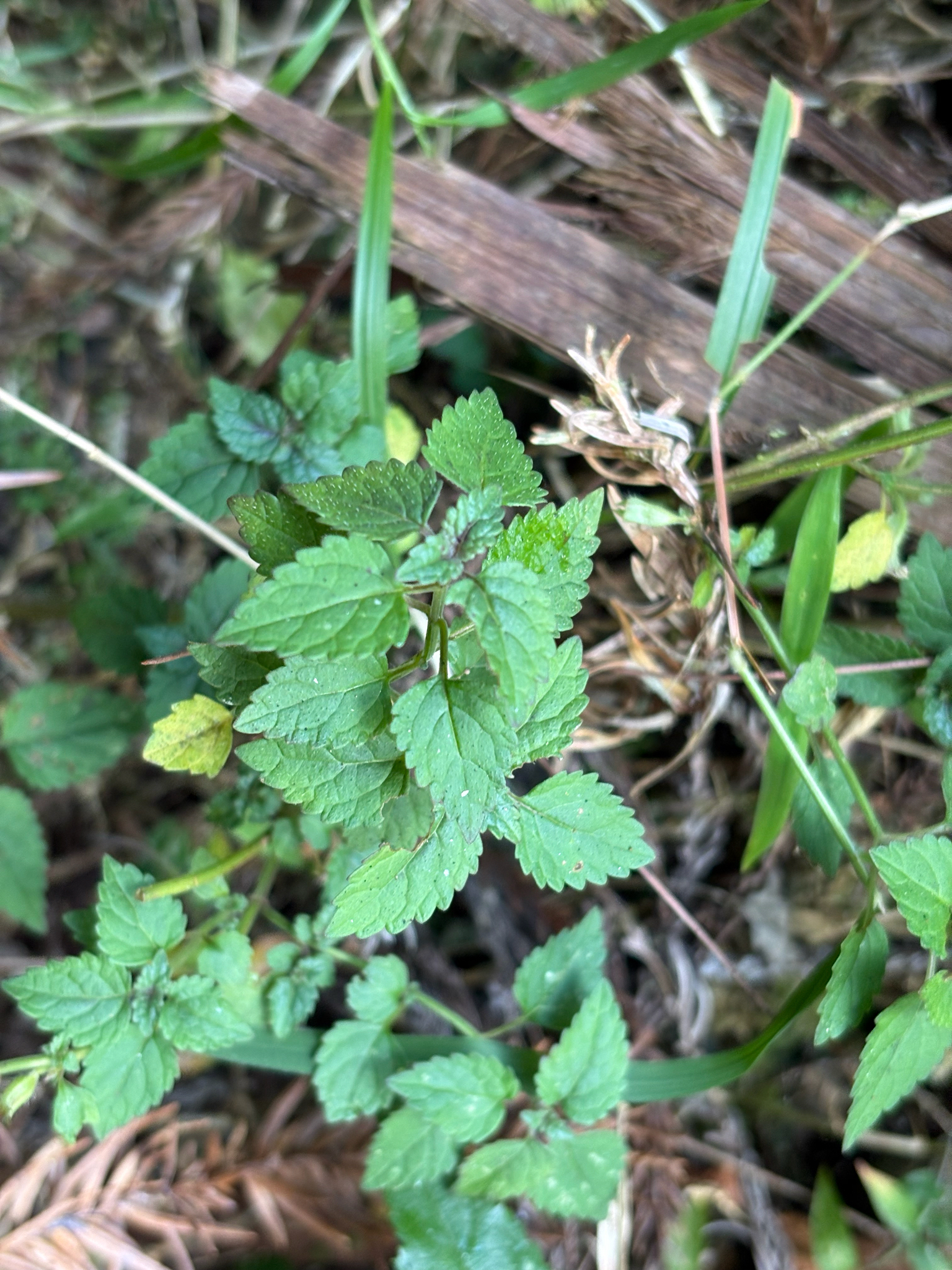
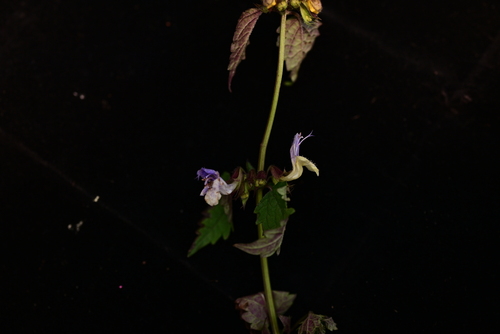
Photos of Lemon Balm (Melissa officinalis)
Common names and botanical synonyms
Botanical classification
| Rank | Name |
|---|---|
| Kingdom | Plantae |
| Division | Tracheophyta |
| Class | Magnoliopsida |
| Order | Lamiales |
| Family | Lamiaceae |
| Genus | Melissa |
| Species | Melissa officinalis |
Similar in genus Melissa
Answers based on plant encyclopedia data