Light-Blue Snakeweed (Stachytarpheta jamaicensis) – Care, Growing Guide & Benefits | ePlant AI
Light-Blue Snakeweed (Stachytarpheta jamaicensis)
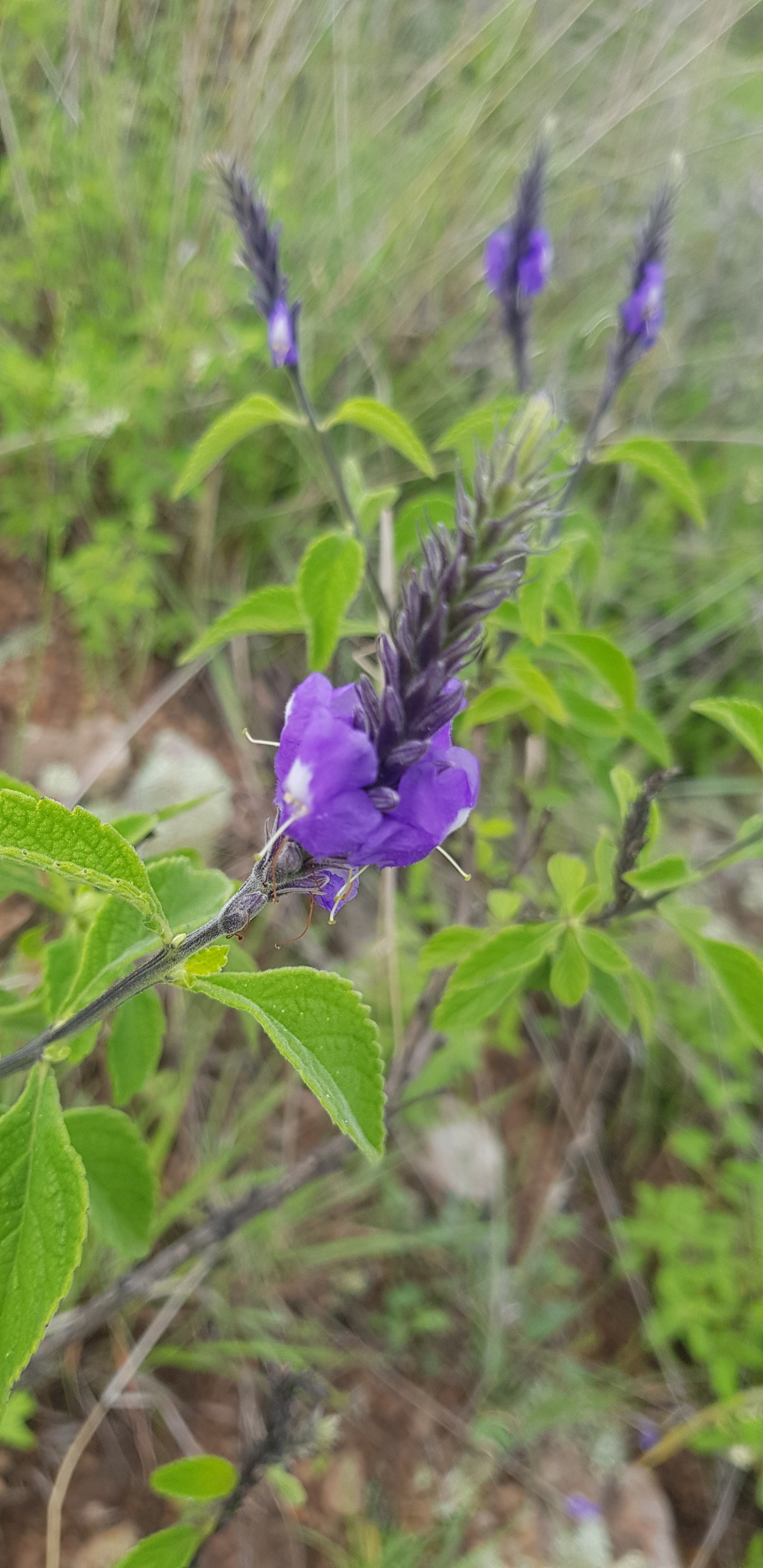
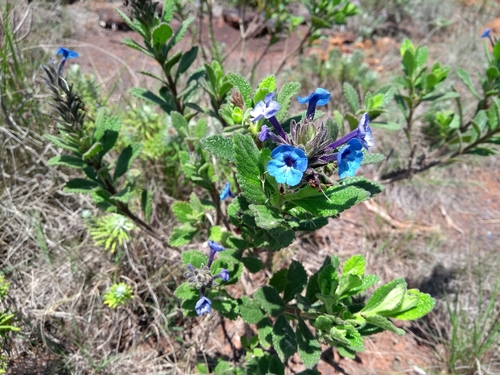
Light-Blue Snakeweed (Stachytarpheta jamaicensis) is a low-growing perennial herb with spikes of small, light blue to lavender flowers.
Stachytarpheta jamaicensis, commonly known as Light-Blue Snakeweed, is a herbaceous perennial plant recognized for its distinctive floral displays and ecological presence. This species belongs to the Verbenaceae family, a group of plants often valued for their ornamental qualities and sometimes for their medicinal properties. Light-Blue Snakeweed is a valuable subject for study and appreciation within botanical and horticultural contexts due to its specific adaptations and distribution patterns.
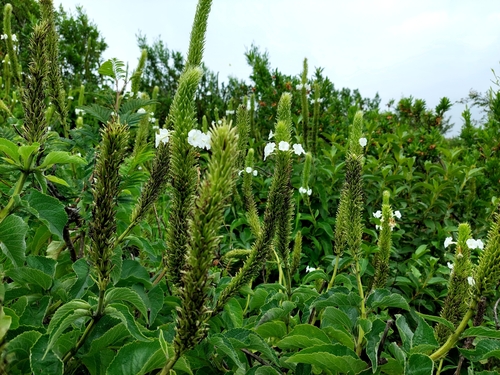
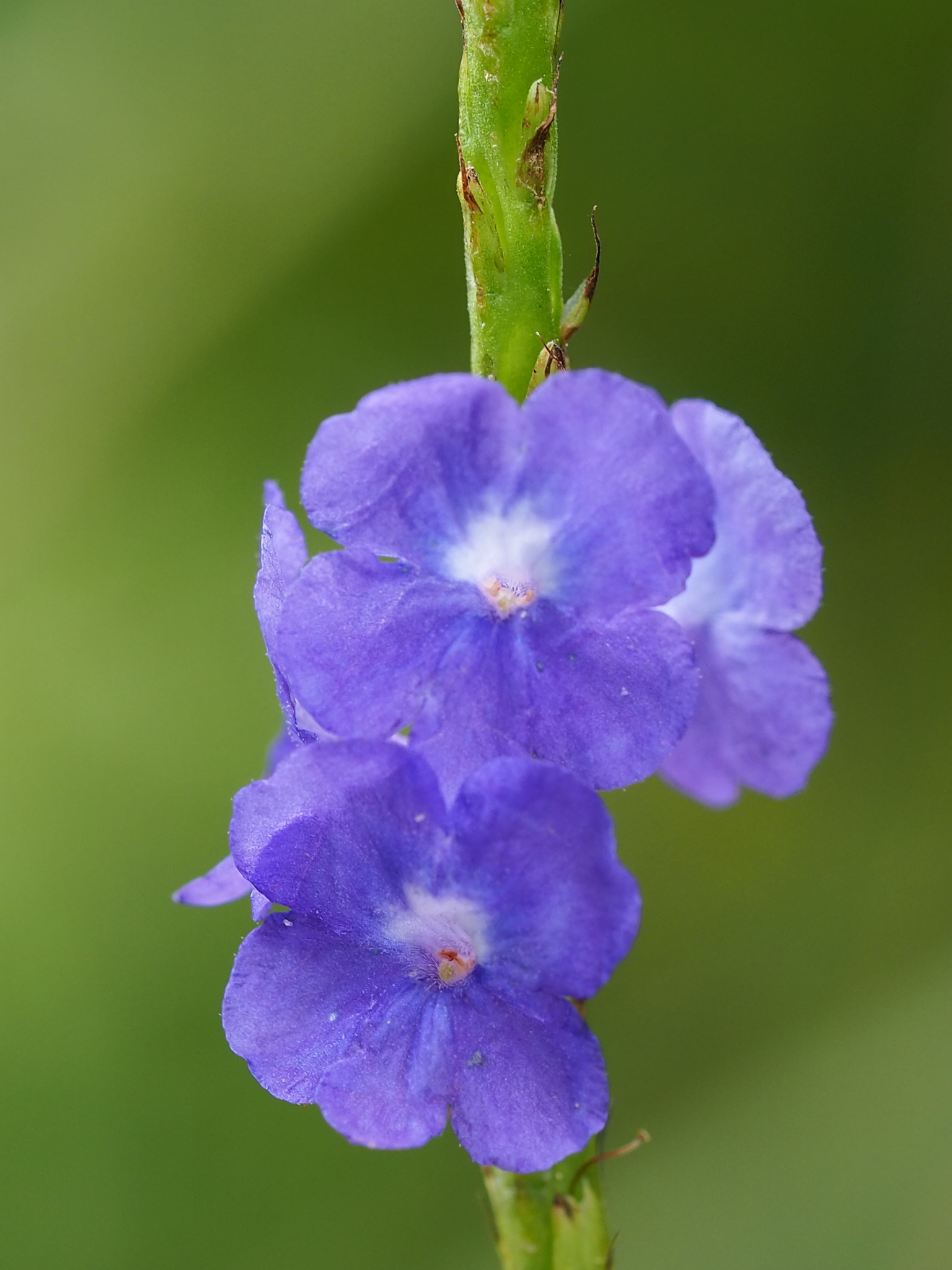
Physically, Stachytarpheta jamaicensis typically presents as a low-growing, spreading plant, often reaching heights of 30 to 60 centimeters, though it can sometimes grow taller under favorable conditions. Its growth habit is generally bushy and somewhat sprawling. The leaves are simple, opposite, and ovate to elliptical in shape, with serrated margins. They are typically dark green and have a somewhat rough texture. The most striking feature of Stachytarpheta jamaicensis is its inflorescence, which consists of slender, erect spikes bearing numerous small, tubular flowers. These flowers are usually a vibrant light blue to lavender color, with a white or lighter center. Each flower has five petals, though they are fused at the base. The flowering period can be extended, providing a continuous source of color. Following flowering, small, hard capsules develop, containing seeds.
The native distribution of Stachytarpheta jamaicensis is primarily in the tropical and subtropical regions of the Americas, including the Caribbean, Central America, and parts of South America. It thrives in a variety of habitats, often found in disturbed areas, open fields, sandy soils, coastal dunes, and along roadsides. This suggests a tolerance for well-drained soils and sunny conditions. In cultivation, it is best grown in full sun to partial shade, in well-draining soil. It is relatively drought-tolerant once established, making it suitable for xeriscaping in appropriate climates. Its ability to adapt to various soil types and its resilience contribute to its presence in both natural and anthropogenic landscapes.
While Stachytarpheta jamaicensis is not widely cultivated for significant agricultural or culinary purposes, it holds some ecological and ornamental importance. Its flowers attract pollinators, contributing to local biodiversity. As an ornamental, its continuous bloom of bright blue flowers makes it an attractive groundcover or border plant in warm climates. Some species within the Stachytarpheta genus have been historically used in traditional medicine, though specific, scientifically validated medicinal uses for Stachytarpheta jamaicensis are not broadly documented or widely recognized in mainstream ethnobotany. Its primary value lies in its botanical characteristics and its role within its native ecosystems.
An interesting characteristic of Stachytarpheta jamaicensis is its ability to thrive in disturbed or marginal habitats, indicating a degree of ecological resilience. The plant's common name, Snakeweed, likely refers to the elongated, snake-like appearance of its flowering spikes. This adaptation allows for efficient seed dispersal and continuous flowering, ensuring reproductive success in its often competitive environments. The small, persistent flowers are adapted for pollination by insects, further integrating the plant into the local food web.
Water regularly, allowing soil to dry slightly between waterings.
Soil
Well-draining soil is essential. Tolerates a range of soil types, including sandy and loamy.
Temperature
Thrives in warm temperatures.
Habitat
Outdoor, Greenhouse
Fertilizer
Feed with a balanced liquid fertilizer during the growing season.
Care Requirements
Light
Prefers full sun to partial shade.
Protect from intense afternoon sun in very hot climates.
Water
Water regularly, allowing soil to dry slightly between waterings.
Avoid overwatering; ensure good drainage.
Soil
Well-draining soil is essential. Tolerates a range of soil types, including sandy and loamy.
Temperature
Thrives in warm temperatures.
Ideal range is 20-28°C. Protect from frost.
Habitat
Outdoor, Greenhouse
Fertilizer
Feed with a balanced liquid fertilizer during the growing season.
Reduce feeding in cooler months.
Plant Overview
Plant Type
Herb
Plant Category
Flowering, Ornamental
Plant Place Type
Ground, Garden, Pot, Groundcover
Plant Environment
Outdoor, Greenhouse
Lifespan
Perennials
Plant Height
0.3-0.6 m
Spread
0.6-1 m
Growth Rate
Moderate
Dormancy
None
Leaf Color
Green
Leaf Type
Simple
Flower Size
0.5-1 cm
Optimal Sunlight Lux
60000
Image Gallery
Flowering & Fruiting Cycles
Monthly activity intensity for bloom and fruit across both hemispheres.
Northern hemisphere
Flowering & fruiting calendar
Peak bloom · JulPeak fruit · Jul
FloweringFruiting
Southern hemisphere
Flowering & fruiting calendar
Peak bloom · JanPeak fruit · Jan
FloweringFruiting
Synonyms
Abena jamaicensis (L.) Hitchc.
Stachytarpheta bogoriensis Zoll. & Moritzi
Stachytarpheta pilosiuscula Kunth
Valerianoides jamaicensis (L.) Medik.
Verbena americana Mill.
Verbena jamaicensis L.
Verbena pilosiuscula (Kunth) Endl.
Zappania jamaicensis (L.) Lam.
Taxonomy
kingdomPlantae
divisionTracheophyta
classMagnoliopsida
orderLamiales
familyVerbenaceae
genusStachytarpheta
speciesStachytarpheta jamaicensis
Toxicity
Toxic for humans
No
Rating: 0/5
Toxic for pets
No
Rating: 0/5
Edible
No
Additional Care Tips
Water consistently, especially during dry periods, but ensure good drainage to prevent root rot. Allow the top inch of soil to dry out between waterings.
Prune lightly after flowering to maintain shape and encourage bushier growth. Remove spent flower spikes to promote continuous blooming.
Easily propagated from stem cuttings taken in spring or summer. Seeds can also be sown, but cuttings offer faster and more reliable results.
Repot container-grown plants annually or when root-bound, typically in spring. Use a well-draining potting mix.
FAQs
How often should I water Stachytarpheta jamaicensis?
Water regularly, allowing the top inch of soil to dry out between waterings. Ensure good drainage to prevent root rot.
What kind of soil does Light-Blue Snakeweed prefer?
It prefers well-draining soil and can tolerate various types, including sandy and loamy soils.
Can Stachytarpheta jamaicensis be grown indoors?
While it thrives outdoors, it can be grown indoors as a houseplant if provided with sufficient light and warmth.
When is the best time to prune Light-Blue Snakeweed?
Prune lightly after flowering to maintain shape and encourage bushier growth. Remove spent flower spikes to promote continuous blooming.
Is Stachytarpheta jamaicensis toxic to pets?
No, Stachytarpheta jamaicensis is not considered toxic to pets.