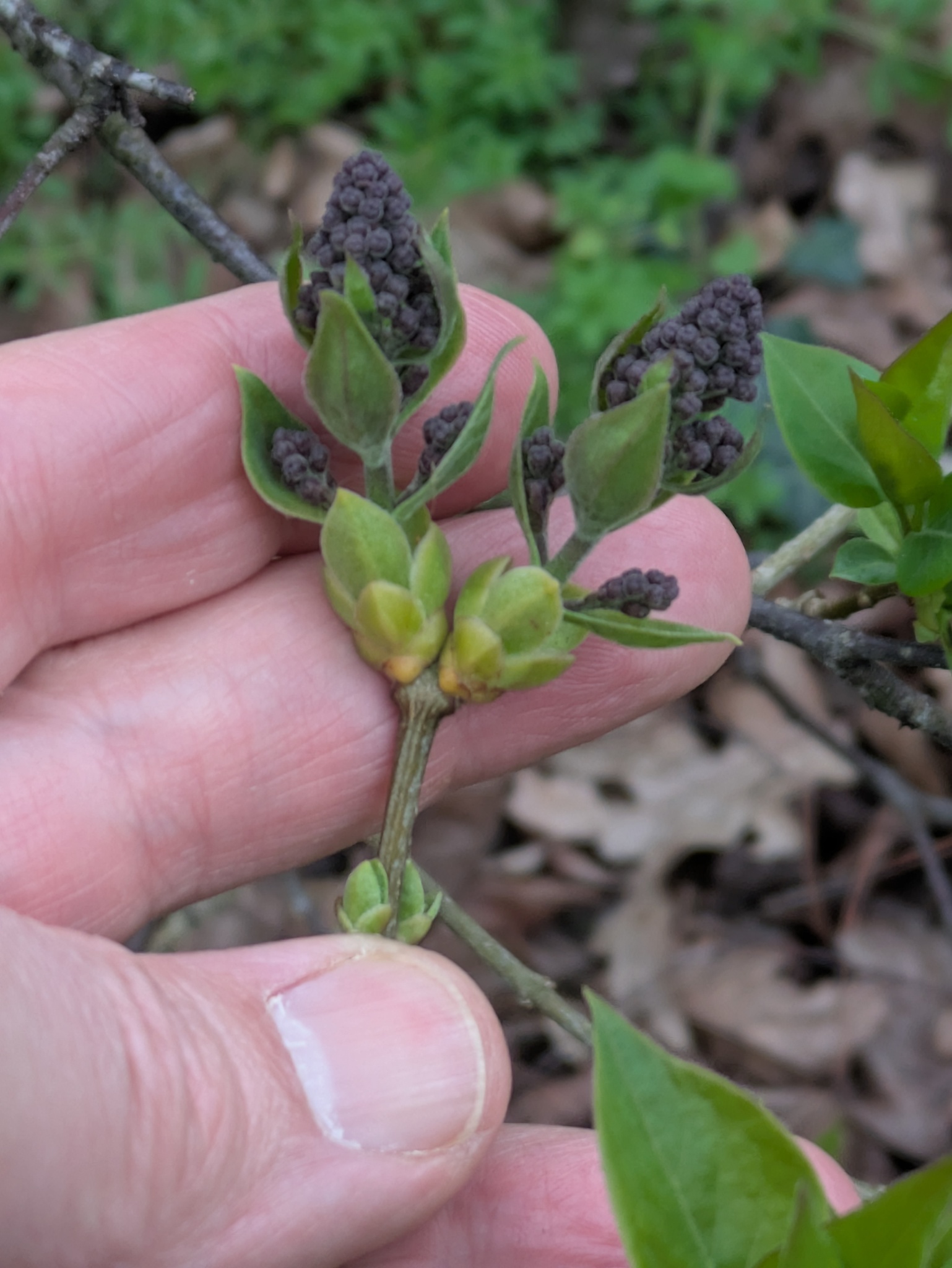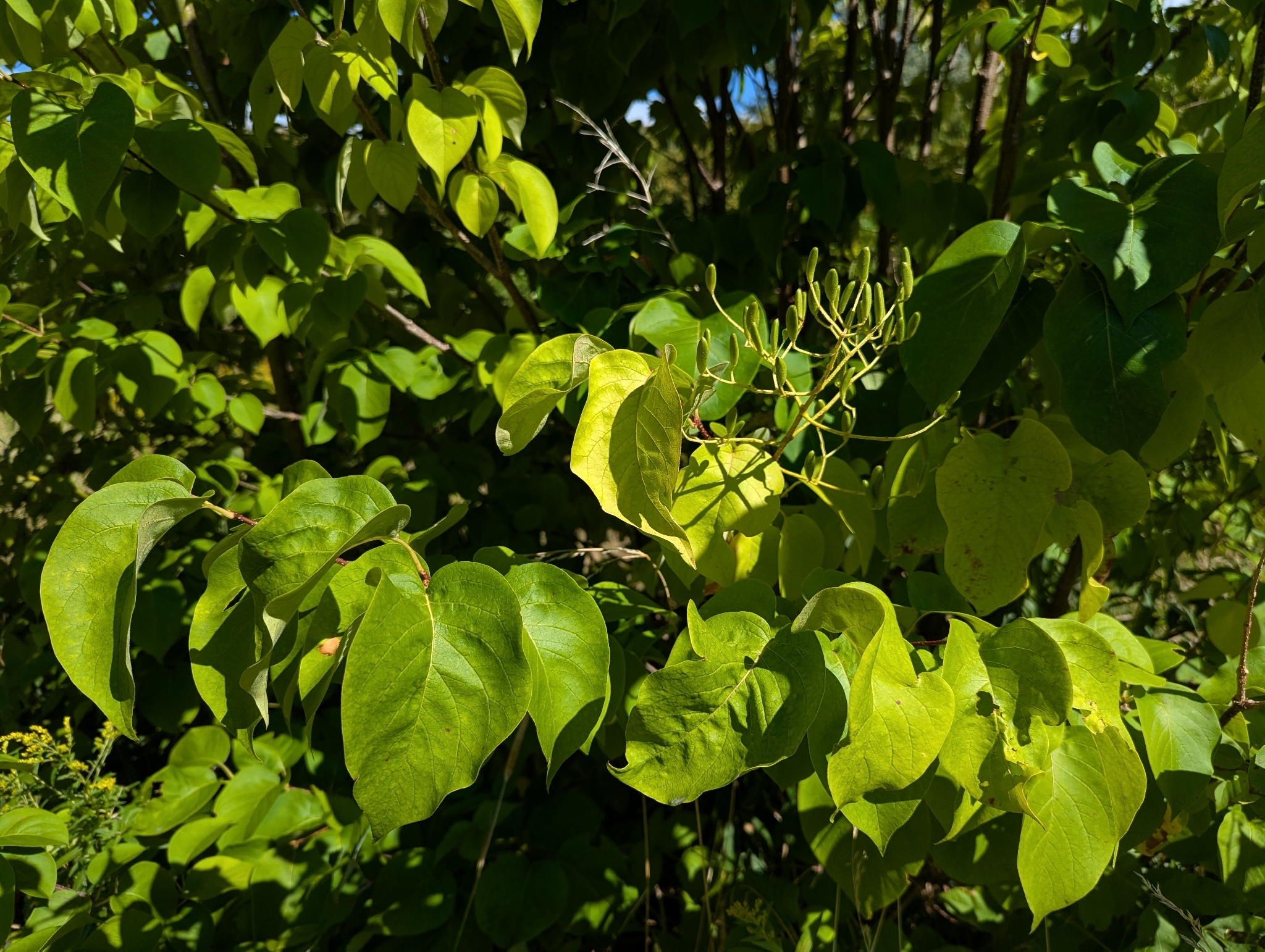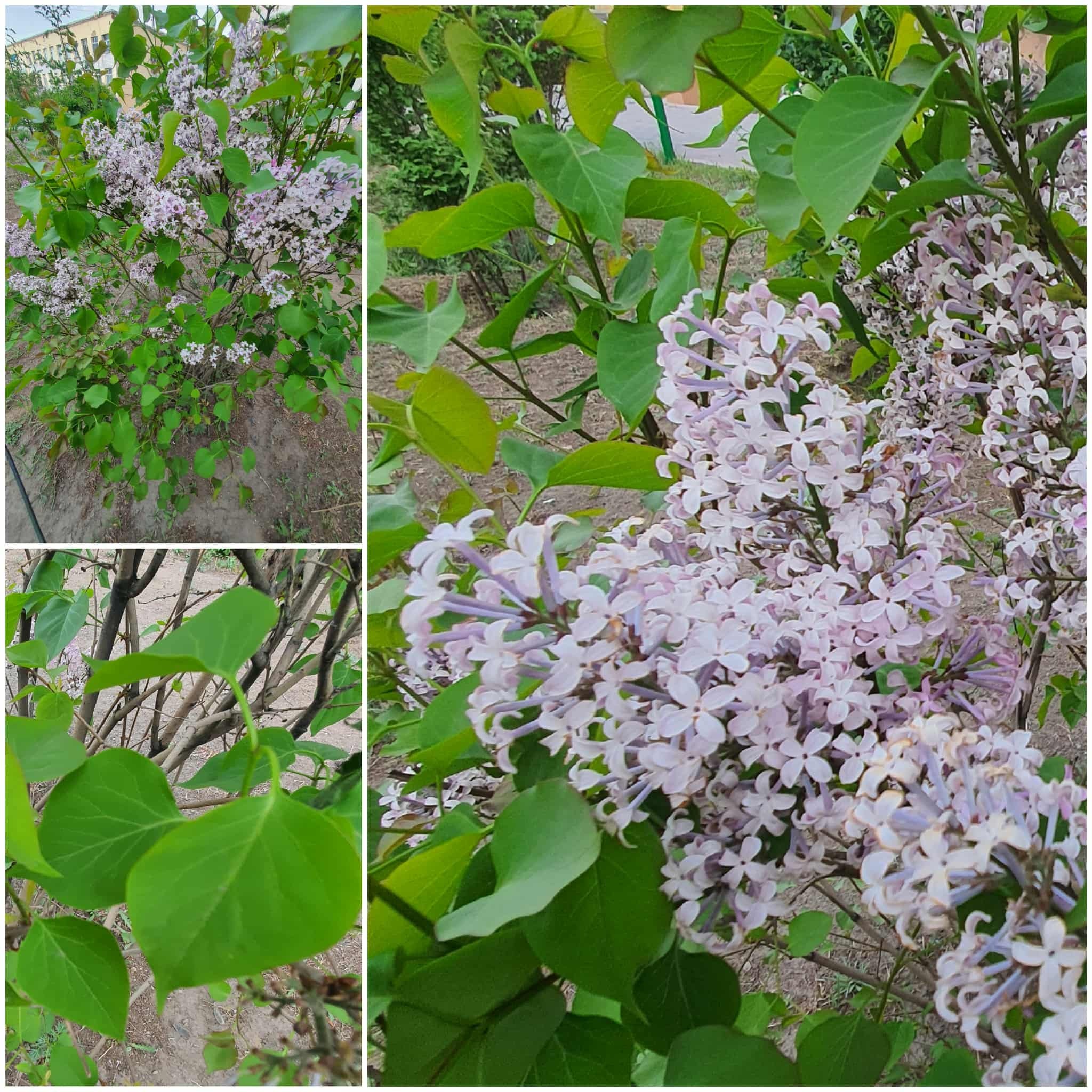
Syringa pubescens, a deciduous shrub native to China and Korea, offers fragrant, pale lilac to white flowers in late spring. It is a popular ornamental for its beauty and
Syringa pubescens is a species of flowering plant in the lilac family, Oleaceae, native to China. It is a deciduous shrub that is valued for its attractive foliage and fragrant flowers, contributing to its significance in ornamental horticulture.
This species typically grows as a multi-stemmed shrub, reaching a mature height and spread of approximately 2 to 3 meters. Its growth habit is generally upright and somewhat spreading. The leaves of Syringa pubescens are opposite, simple, and ovate to broadly ovate in shape, measuring about 3 to 8 centimeters in length. They are typically a medium to dark green color and have a somewhat leathery texture. The margins of the leaves are entire, and the apex is usually acute or acuminate. In autumn, the foliage may exhibit some yellowing before dropping. The bark is generally smooth on younger stems, becoming somewhat fissured with age.
The flowering period of Syringa pubescens occurs in late spring to early summer, typically May and June. The flowers are borne in terminal panicles, which are branched clusters. Each individual flower is small, tubular, and typically fragrant, with four petals that are fused at the base. The color of the flowers can vary, but they are commonly a pale lilac to white. The fruit of Syringa pubescens is a small, dry capsule, which is not a prominent ornamental feature.
Syringa pubescens is native to a range of mountainous and forested regions in China, where it typically grows in open woodlands, along stream banks, and on slopes. It is adaptable to a variety of soil types, provided they are well-drained. For successful cultivation, it prefers full sun to partial shade. While it can tolerate a range of temperatures, it thrives in temperate climates. Adequate watering is important, especially during establishment and dry periods. Pruning can be done after flowering to maintain shape and encourage bushier growth.
The primary importance of Syringa pubescens lies in its ornamental value. Its fragrant flowers and attractive shrub form make it a popular choice for gardens, parks, and landscaping. While not extensively documented for other uses, its presence in its native habitat contributes to the local ecosystem. Further research may reveal additional ecological roles or potential applications. An interesting characteristic of Syringa pubescens is its relatively late blooming period compared to some other lilac species, extending the season of lilac fragrance and color in the landscape. The specific adaptations that allow it to thrive in its native mountainous environments, such as tolerance to varying soil conditions and exposure, are key to its resilience.
At-a-glance light, water, soil, and growing conditions from plant data
Light
Full sun to partial shade
75% intensity
Prefers at least six hours of direct sunlight daily for best flowering.
Watering
Regular watering
50% intensity
Keep soil consistently moist but not waterlogged. Reduce in winter.
Soil
Well-drained
50% intensity
Temperature
Hardy
25% intensity
Tolerates a wide range of temperatures; suitable for USDA zones 3-8.
Fertilizer
Light feeding
25% intensity
Fertilize in early spring with a balanced, slow-release fertilizer. Avoid over-fertilizing.
Syringa Pubescens Toxicity
Safety information from plant toxicity data
Toxicity details for Syringa Pubescens
Attribute
Value
Toxic for humans
No
0/5 intensity
Toxic for pets
No
0/5 intensity
Edible
No
Syringa Pubescens Quick Facts
Key traits and growing stats from plant data
Plant Type
Shrub
Plant Category
Ornamental
Plant Place Type
Garden, Pot
Lifespan
Perennial
Plant Height
2-5 m
Spread
2-5 m
Growth Rate
Moderate
Dormancy
Yes
Leaf Color
Green
Leaf Type
Simple
Flower Size
Small
Optimal Sunlight Lux
60000
Care guide for Syringa Pubescens
Watering, pruning, propagation, and repotting details from plant data
Water
Water regularly, especially during dry periods and after planting. Ensure the soil is consistently moist but not waterlogged. Reduce watering in winter when the plant is dormant.
Good drainage is crucial to prevent root rot, so adjust watering based on soil moisture levels.
Pruning
Prune after flowering in late spring or early summer to shape the plant and remove any dead, diseased, or crossing branches. Avoid pruning in late summer or fall, as this can remove flower buds for the following year.
Light thinning can improve air circulation.
Propagation
Syringa pubescens can be propagated by softwood cuttings taken in late spring or semi-hardwood cuttings taken in mid-summer. Root cuttings in a well-draining medium.
It can also be propagated by seed, though this may result in less predictable flower characteristics and requires stratification.
Repotting
Young plants may benefit from repotting every 2-3 years into a slightly larger container with fresh, well-draining potting mix. Mature plants are generally best left in situ.
Repotting is typically done in early spring before new growth begins. Ensure good drainage in the container.
Identify plants like this with ePlant
Snap a photo to get care tips and match similar species on the go.
Monthly activity intensity for bloom and fruit across both hemispheres.
Northern hemisphere
Flowering & fruiting calendar
Peak bloom · MayPeak fruit · Jul
FloweringFruiting
Southern hemisphere
Flowering & fruiting calendar
Peak bloom · NovPeak fruit · Mar
FloweringFruiting
Image Gallery
Photos of Syringa Pubescens (Syringa pubescens)
Syringa Pubescens Names & Synonyms
Common names and botanical synonyms
Common Names
Lilac
Miss Kim
Woolly Lilac
Syringa Pubescens Taxonomy
Botanical classification
Taxonomic classification of Syringa Pubescens
Rank
Name
kingdom
Plantae
division
Tracheophyta
class
Magnoliopsida
order
Lamiales
family
Oleaceae
genus
Syringa
species
Syringa pubescens
Syringa Pubescens FAQs
Answers based on plant encyclopedia data
What are the preferred growing conditions for Syringa pubescens?
Syringa pubescens thrives in full sun to partial shade and prefers well-drained soil. It is relatively adaptable to various soil types but performs best in loamy conditions.
How often should Syringa pubescens be watered?
Newly planted shrubs should be watered regularly until established. Once established, Syringa pubescens is moderately drought-tolerant but benefits from watering during prolonged dry periods.
When is the best time to prune Syringa pubescens?
Pruning should be done immediately after flowering in late spring or early summer to avoid removing next year's flower buds.
Is Syringa pubescens susceptible to any common pests or diseases?
Like other lilacs, Syringa pubescens can be susceptible to powdery mildew, especially in humid conditions. Good air circulation and proper spacing can help mitigate this issue.
What is the typical mature size of Syringa pubescens?
Syringa pubescens typically grows into a large shrub, reaching heights and widths of 2 to 4 meters.