Lilium Bosniacum (Lilium bosniacum) – Benefits, Growing Guide & Care | ePlant AI
Lilium Bosniacum (Lilium bosniacum)
Lilium bosniacum, the Bosnian lily, is a perennial bulbous plant from the Balkan Peninsula, featuring vibrant orange-red trumpet-shaped flowers.
Lilium bosniacum is a striking lily species native to the Balkan Peninsula, specifically found in Bosnia and Herzegovina, Croatia, and Montenegro. This species is recognized for its vibrant floral display and its adaptation to specific ecological niches within its native range. As a member of the genus Lilium, it shares characteristics with other true lilies, but possesses distinct morphological and ecological traits that define its unique identity.
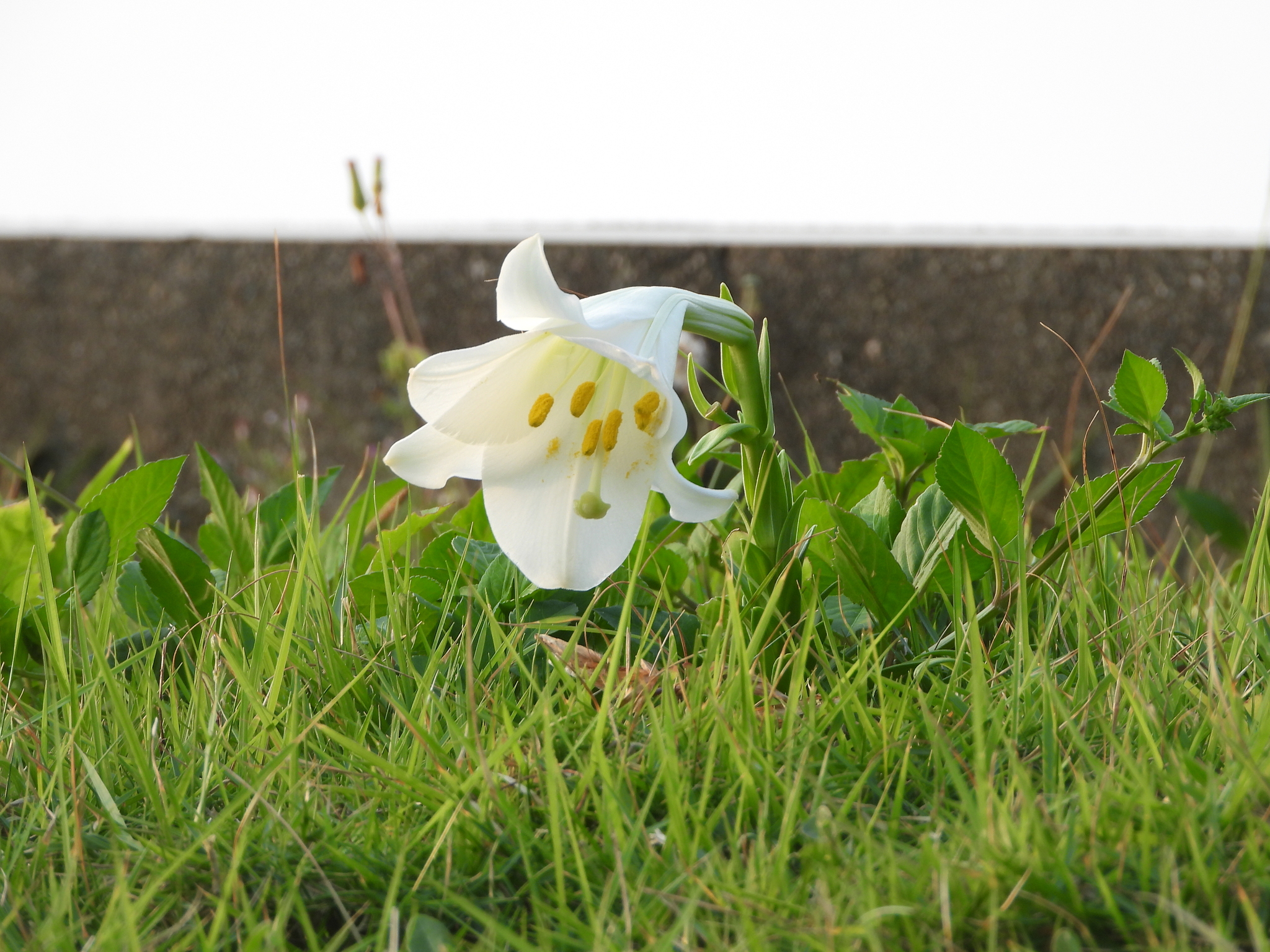
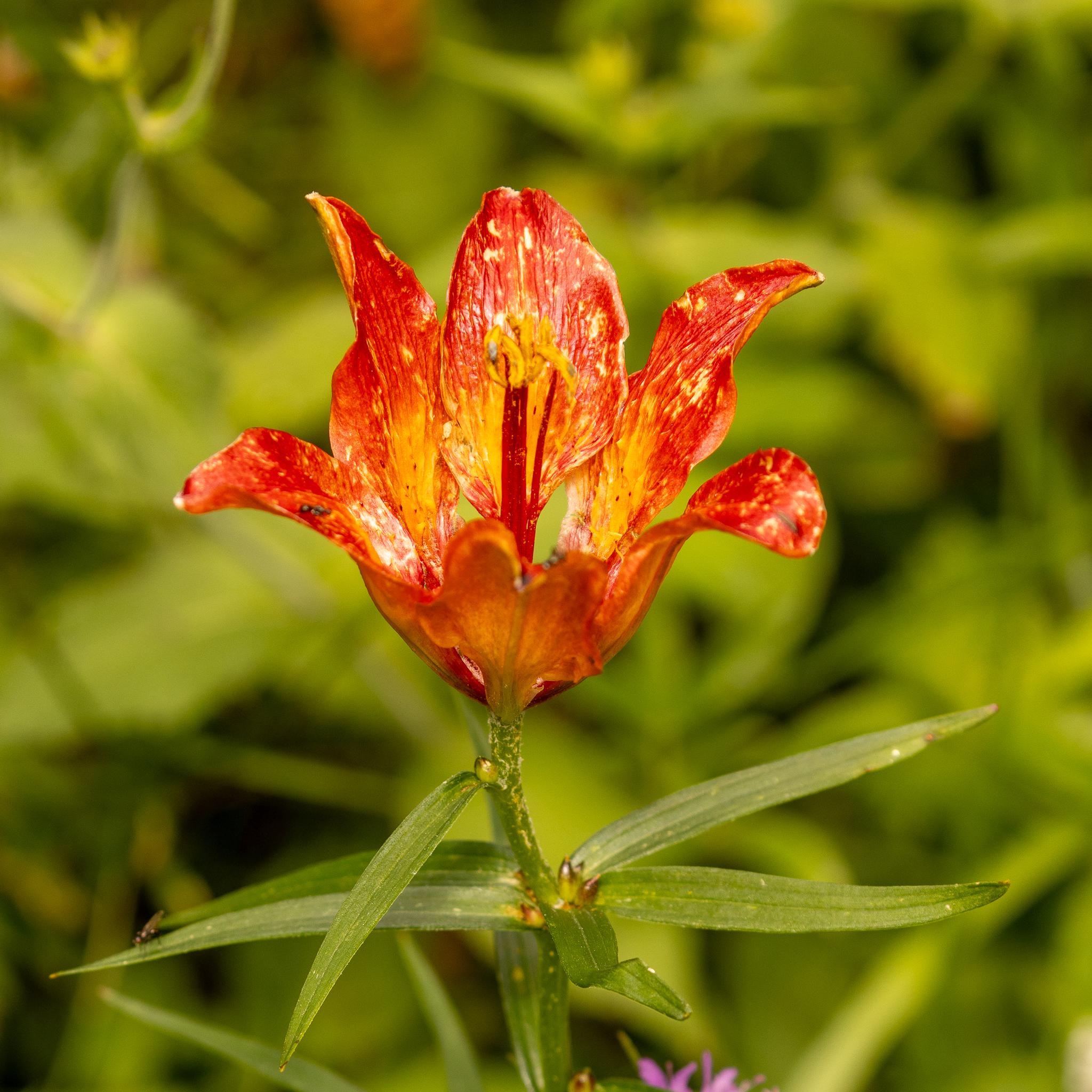
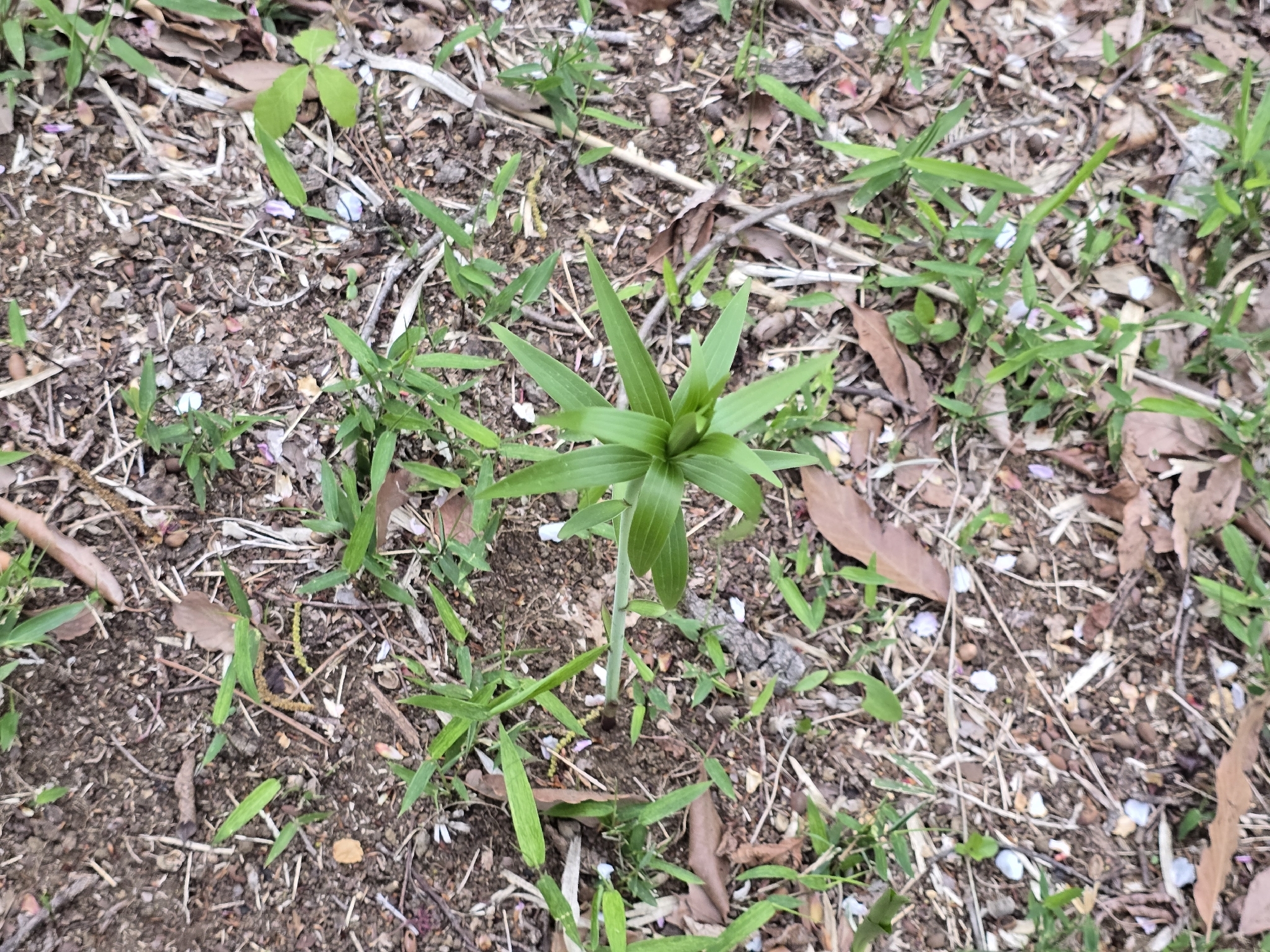
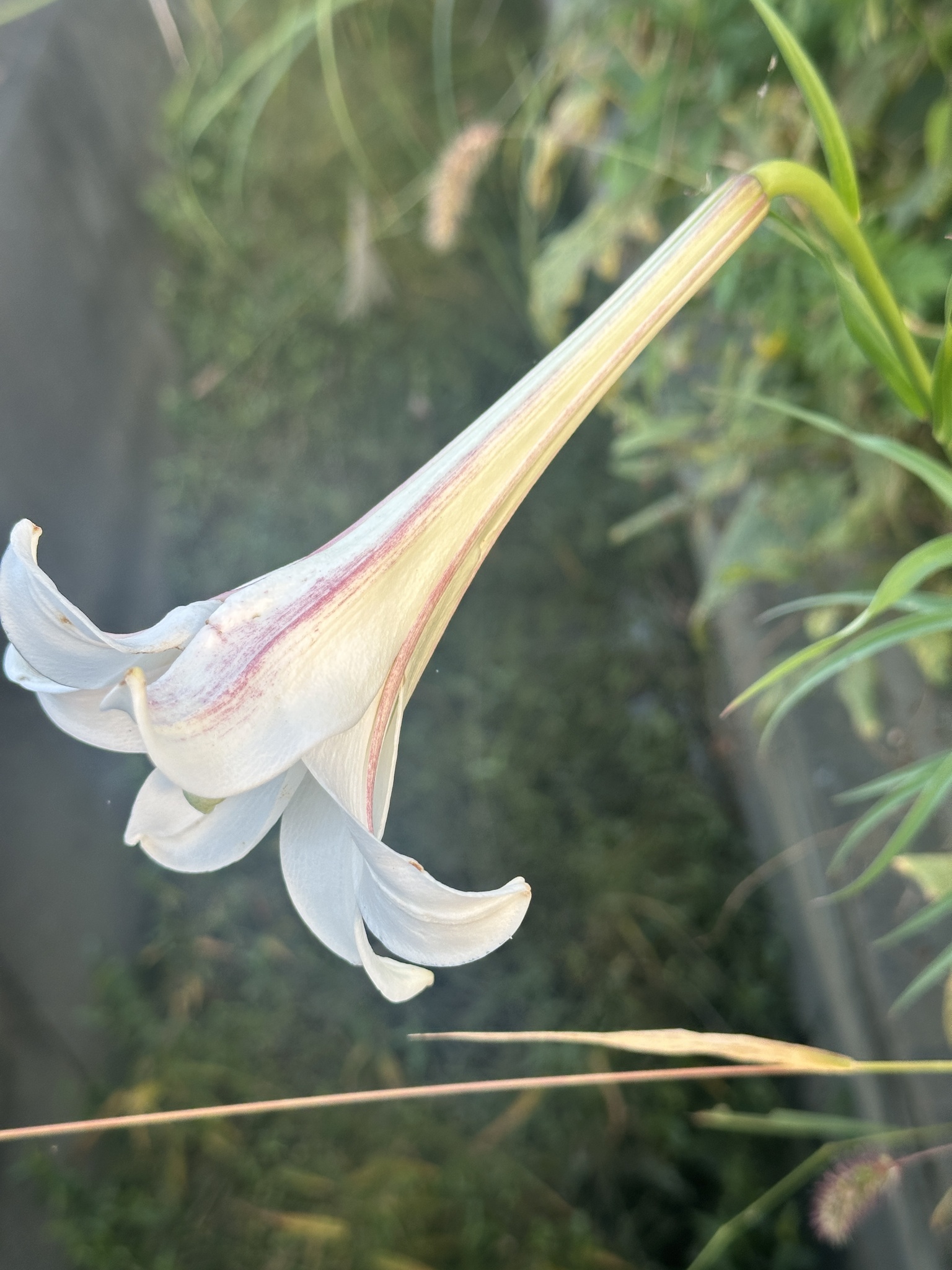
Physically, Lilium bosniacum is a perennial herbaceous plant that grows from a bulb. The bulbs are typically ovoid and whitish, producing erect stems that can reach heights of 30 to 80 centimeters, though some specimens may grow taller. The leaves are arranged alternately along the stem, are lanceolate to linear in shape, and are typically sessile, meaning they lack a stalk. The foliage is generally a deep green. The most prominent feature of Lilium bosniacum is its inflorescence, which bears one to several flowers. The flowers are large, trumpet-shaped, and pendulous, nodding downwards. They are a brilliant, intense scarlet-red, often with a deep crimson throat and sometimes adorned with dark maroon spots. The six tepals (three petals and three sepals that are similar in appearance) are strongly recurved, giving the flower a star-like appearance when fully open. The stamens are prominent, with orange anthers. Following flowering, the plant may produce a capsule containing seeds, though this is less commonly observed or documented in cultivation compared to its spectacular bloom.
The native habitat of Lilium bosniacum is characterized by rocky slopes, open woodlands, and meadows, often at higher elevations. It thrives in well-drained soils and prefers sunny to partially shaded locations. Its natural distribution is confined to specific mountainous regions, where it is adapted to the local climate and soil conditions. In cultivation, Lilium bosniacum requires similar conditions to thrive. It prefers well-drained, humus-rich soil and a location that receives ample sunlight, though it can tolerate some light shade. Adequate moisture is important during the growing season, but the bulbs must be kept dry during their dormant period in winter to prevent rot. Protection from harsh winter conditions may be necessary in colder climates.
Lilium bosniacum holds significant ornamental value due to its vivid coloration and elegant form. It is a sought-after plant for rock gardens, borders, and as a specimen plant in mixed perennial beds, where its striking flowers can be a focal point. Its ecological role within its native habitat involves contributing to the biodiversity of the Balkan flora. While there is no widespread documented agricultural, medicinal, or culinary use for Lilium bosniacum, its primary importance lies in its horticultural appeal and its contribution to the conservation of native plant diversity. An interesting characteristic of this lily is its specific adaptation to the often calcareous soils found in its native mountainous regions, demonstrating a resilience to conditions that might be challenging for other lily species. The intense scarlet hue of its flowers is particularly noteworthy, setting it apart from many other lilies and making it a visually arresting addition to any garden.
Well-draining, fertile soil is essential. A slightly acidic to neutral pH is ideal. Amend heavy soils with compost or grit.
Temperature
Prefers cool to moderate temperatures during growth.
Habitat
Outdoor, Greenhouse
Fertilizer
Feed during growing season.
Care Requirements
Light
Full sun to partial shade.
Afternoon shade is beneficial in hot climates.
Water
Moderate, with reduced watering in dormancy.
Keep soil moist during growth, allow slight drying between waterings.
Soil
Well-draining, fertile soil is essential. A slightly acidic to neutral pH is ideal. Amend heavy soils with compost or grit.
Temperature
Prefers cool to moderate temperatures during growth.
Requires a cold period for dormancy.
Habitat
Outdoor, Greenhouse
Fertilizer
Feed during growing season.
Use balanced liquid fertilizer every 2-4 weeks.
Plant Overview
Plant Type
Herb
Plant Category
Flowering, Ornamental
Plant Place Type
Ground, Garden, Pot
Plant Environment
Outdoor, Greenhouse
Lifespan
Perennials
Plant Height
0.6-1.2 m
Spread
0.15-0.3 m
Growth Rate
Moderate
Dormancy
Yes, in winter
Leaf Color
Green
Leaf Type
Lanceolate
Flower Size
8-12 cm
Image Gallery
Flowering & Fruiting Cycles
Monthly activity intensity for bloom and fruit across both hemispheres.
Northern hemisphere
Flowering & fruiting calendar
Peak bloom · JulPeak fruit · Sep
FloweringFruiting
Southern hemisphere
Flowering & fruiting calendar
Peak bloom · MayPeak fruit · Aug
FloweringFruiting
Taxonomy
kingdomPlantae
divisionTracheophyta
classLiliopsida
orderLiliales
familyLiliaceae
genusLilium
speciesLilium bosniacum
Toxicity
Toxic for humans
No
Rating: 0/5
Toxic for pets
No
Rating: 0/5
Edible
No
Additional Care Tips
Keep soil consistently moist during active growth but avoid waterlogging. Reduce watering as foliage begins to yellow and die back in late summer.
Remove spent flower stalks to prevent seed formation, which can drain energy from the bulb. Cut back dead foliage in late autumn after it has yellowed and dried.
Easily propagated by offsets (bulblets) removed from the parent bulb during repotting. Seeds can be sown in autumn but take several years to mature.
Repot bulbs every 2-3 years in late summer or early autumn. Use a well-draining potting mix and ensure the bulb is planted at the correct depth with good air circulation.
FAQs
When is the best time to plant Lilium bosniacum bulbs?
Plant bulbs in autumn or early spring. Ensure the soil is well-draining and the location receives adequate sunlight.
How do I care for Lilium bosniacum after flowering?
After flowering, allow the foliage to die back naturally. This allows the bulb to store energy for the next growing season. Remove dead foliage in late autumn.
Why are the flowers of my Bosnian lily drooping?
Drooping flowers can be caused by insufficient water, excessive heat, or disease. Ensure consistent moisture and provide afternoon shade in hot climates.
Can Lilium bosniacum be grown in pots?
Yes, Lilium bosniacum can be grown successfully in pots. Use a deep container with excellent drainage and a well-draining potting mix.
What is the ideal soil for Lilium bosniacum?
This lily thrives in well-draining, fertile soil with a slightly acidic to neutral pH. Amending heavy soils with compost or grit is recommended.