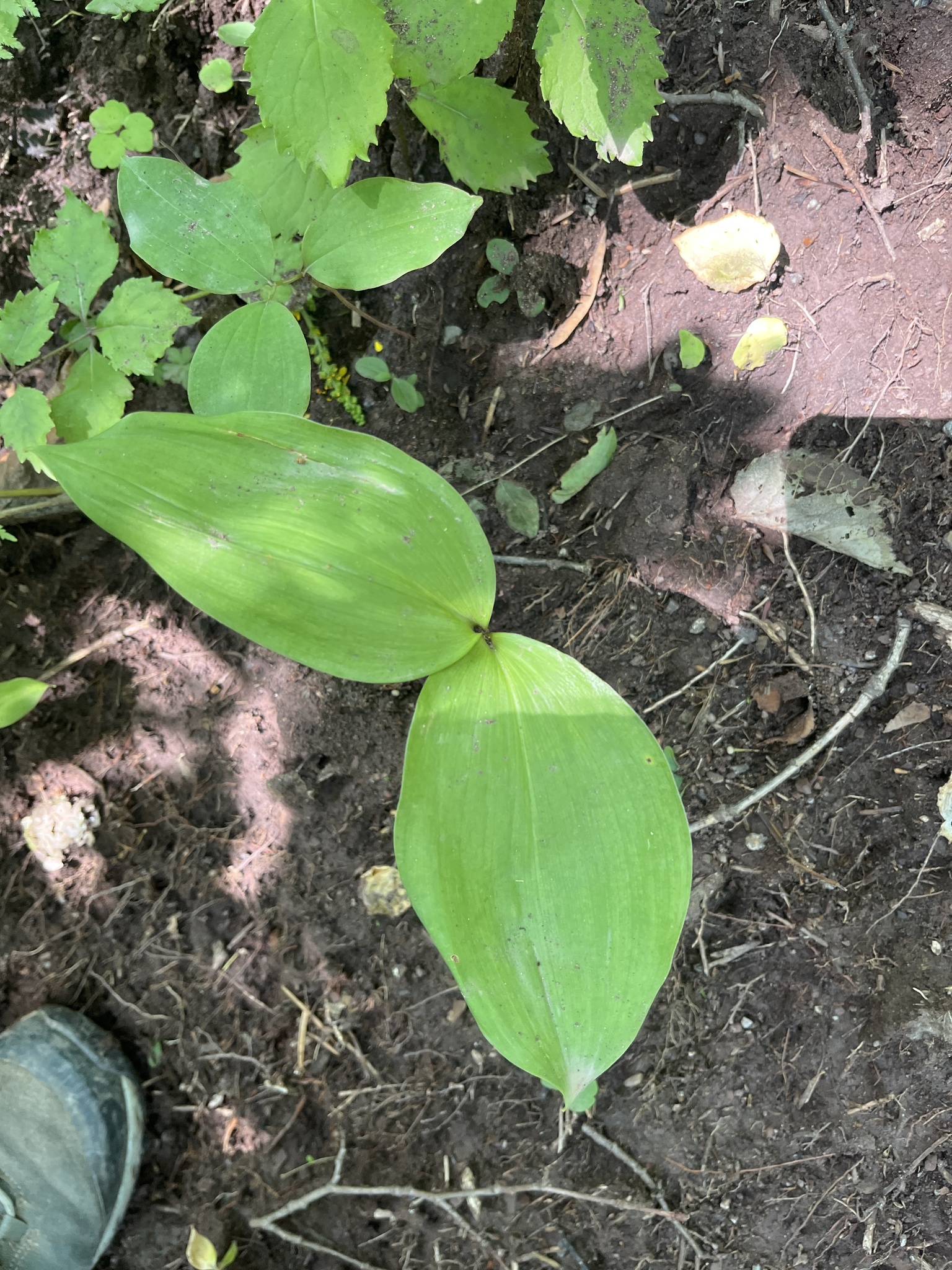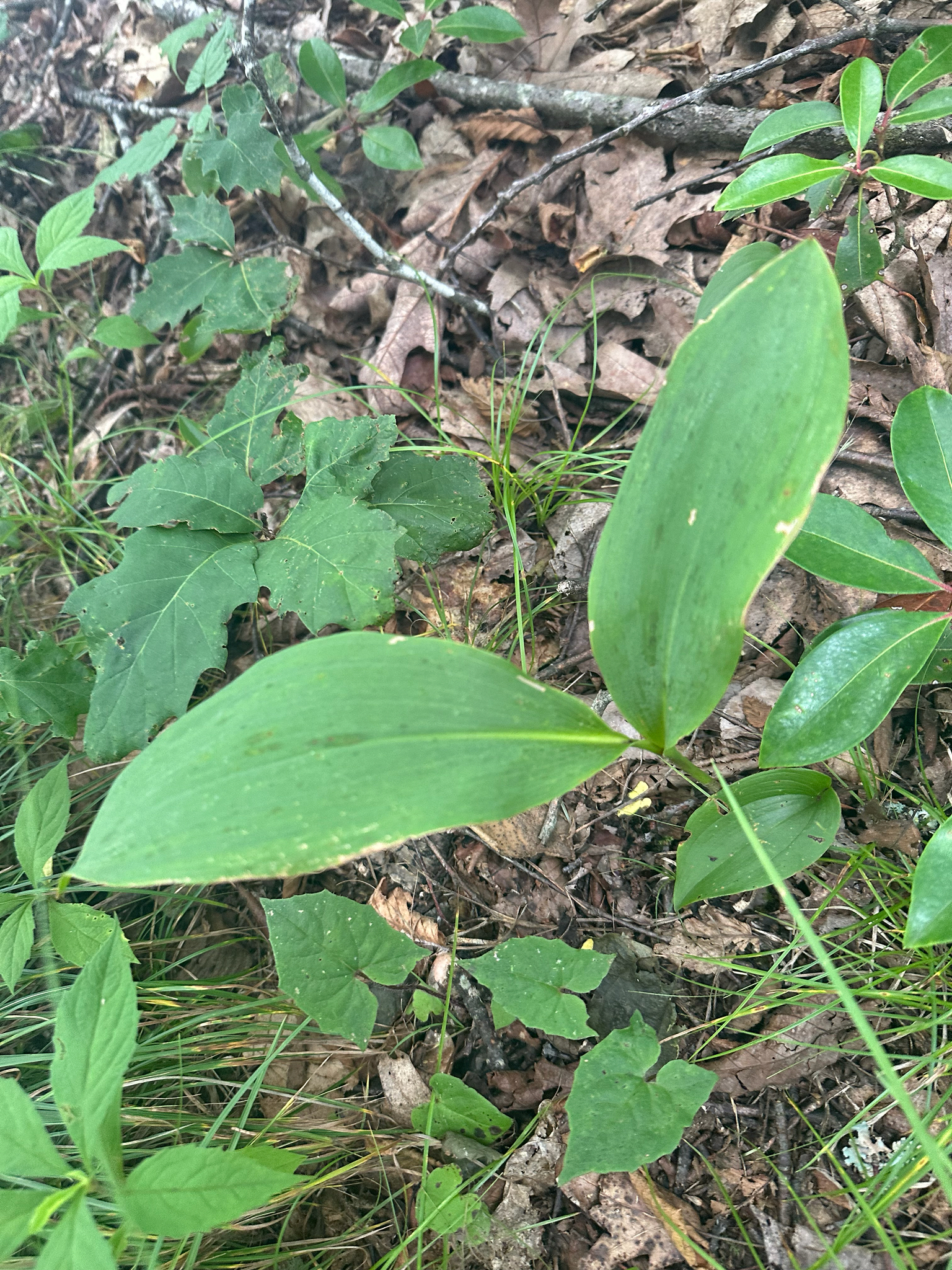
Convallaria majalis, commonly known as Lily-of-the-Valley, is a fragrant perennial herb with delicate white, bell-shaped flowers in spring. It forms dense groundcover and
Above information is sourced from Wikipedia
Sunlight
Prefers partial to full shade. Direct sun can scorch leaves.
Watering
Keep soil consistently moist, especially during active growth. Avoid waterlogging.
Soil
Humus-rich, well-drained, slightly acidic to neutral soil
Temperature
Thrives in cool to moderate temperatures, ideally 15-24 °C during growth.
Habitat
Outdoor
Fertilizer
Light feeding; incorporate organic matter annually. Use balanced fertilizer sparingly if needed.
Prefers partial to full shade. Direct sun can scorch leaves.
Keep soil consistently moist, especially during active growth. Avoid waterlogging.
During growing season
Humus-rich, well-drained, slightly acidic to neutral soil
Thrives in cool to moderate temperatures, ideally 15-24 °C during growth.
During active growth
Outdoor
Light feeding; incorporate organic matter annually. Use balanced fertilizer sparingly if needed.
Early spring
Plant Type
Herb
Plant Category
Flowering, Ornamental
Plant Place Type
Ground, Garden, Groundcover
Plant Environment
Outdoor
Lifespan
Perennials
Plant Height
15-30 cm
Spread
30-90 cm, spreading indefinitely
Growth Rate
Moderate to fast
Dormancy
Winter
Leaf Color
Green
Leaf Type
Broad, lance-shaped
Flower Size
0.5-1 cm
Optimal Sunlight Lux
1500
Weed Status
Yes
Toxic for humans
Yes
Rating: 9/5
Toxic for pets
Yes
Rating: 9/5
Edible
No
All parts of Convallaria majalis, including the leaves, flowers, berries, and roots, are highly toxic if ingested. They contain cardiac glycosides (convallatoxin, convallarin) which can cause severe gastrointestinal upset, irregular heartbeat, low blood p