Licorice Milkvetch (Astragalus glycyphyllos) – Growing Guide, Benefits & Care | ePlant AI
Licorice Milkvetch (Astragalus glycyphyllos)
Astragalus glycyphyllos, or Licorice Milkvetch, is a perennial herb with yellow flowers, thriving in meadows and open woodlands.
Astragalus glycyphyllos, commonly known as Licorice Milkvetch, is a perennial herbaceous plant belonging to the large genus Astragalus within the legume family, Fabaceae. This species is notable for its subtle yet persistent presence in its native European landscapes and is recognized for certain characteristics that distinguish it within its genus.
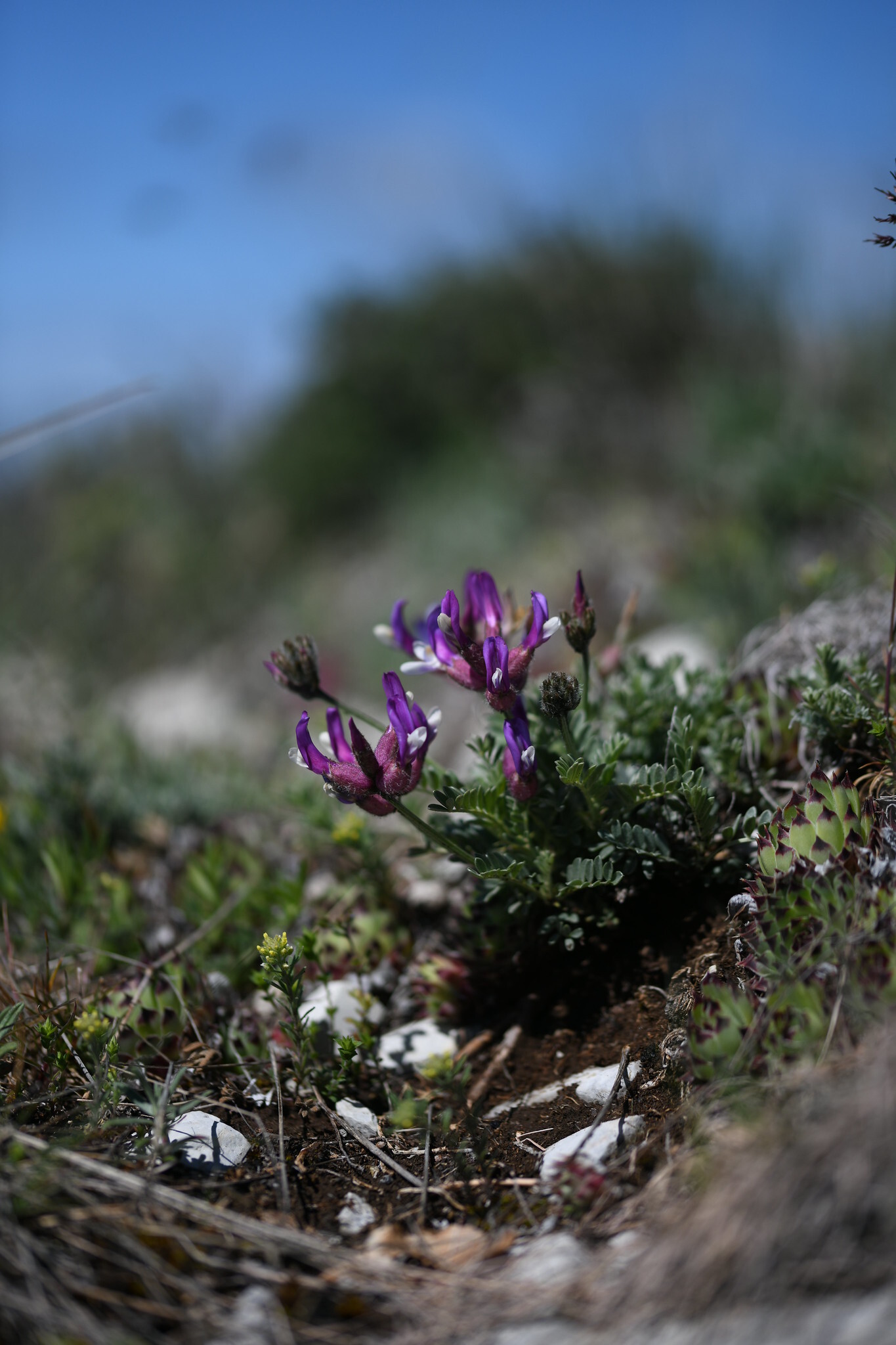
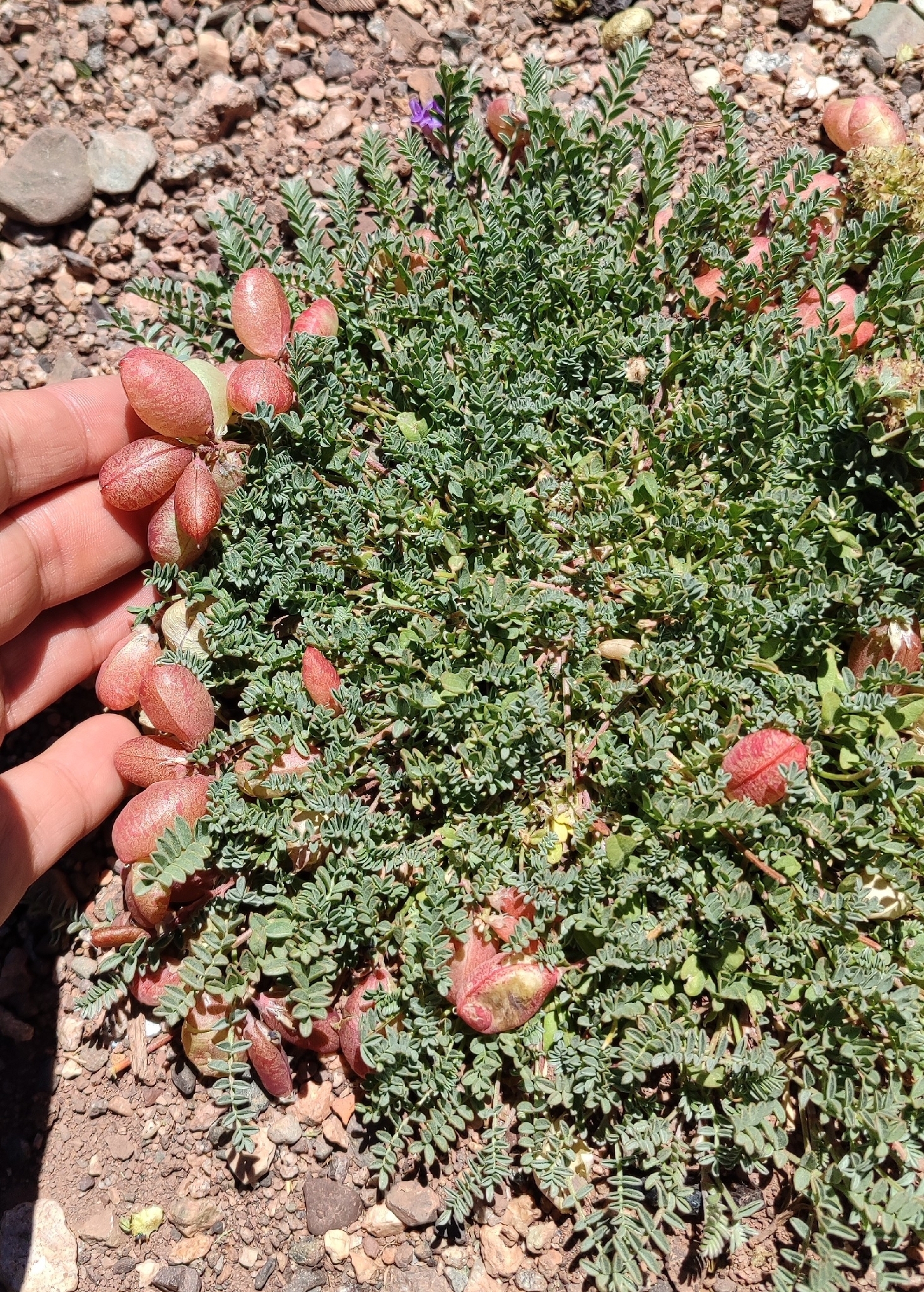
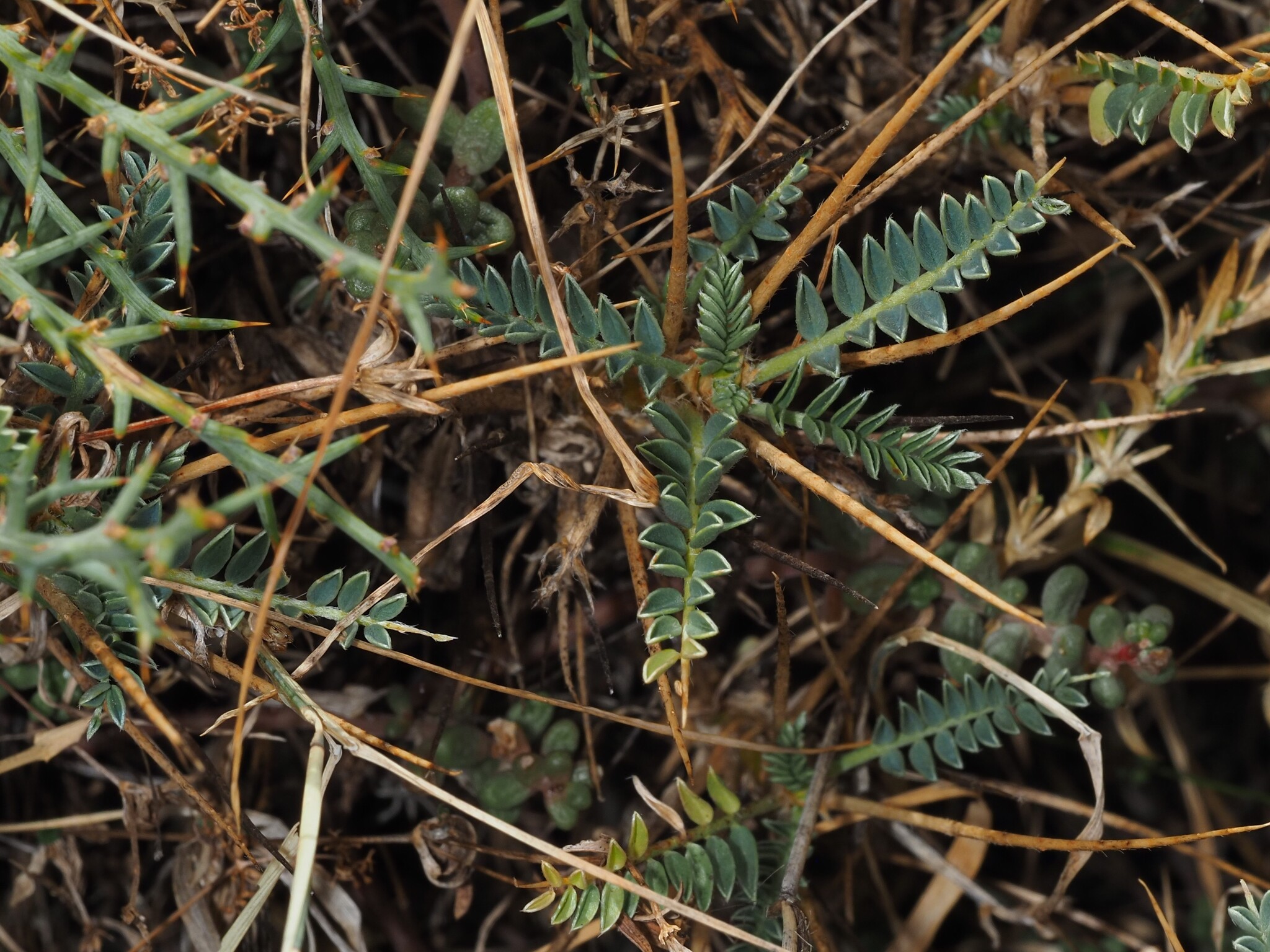
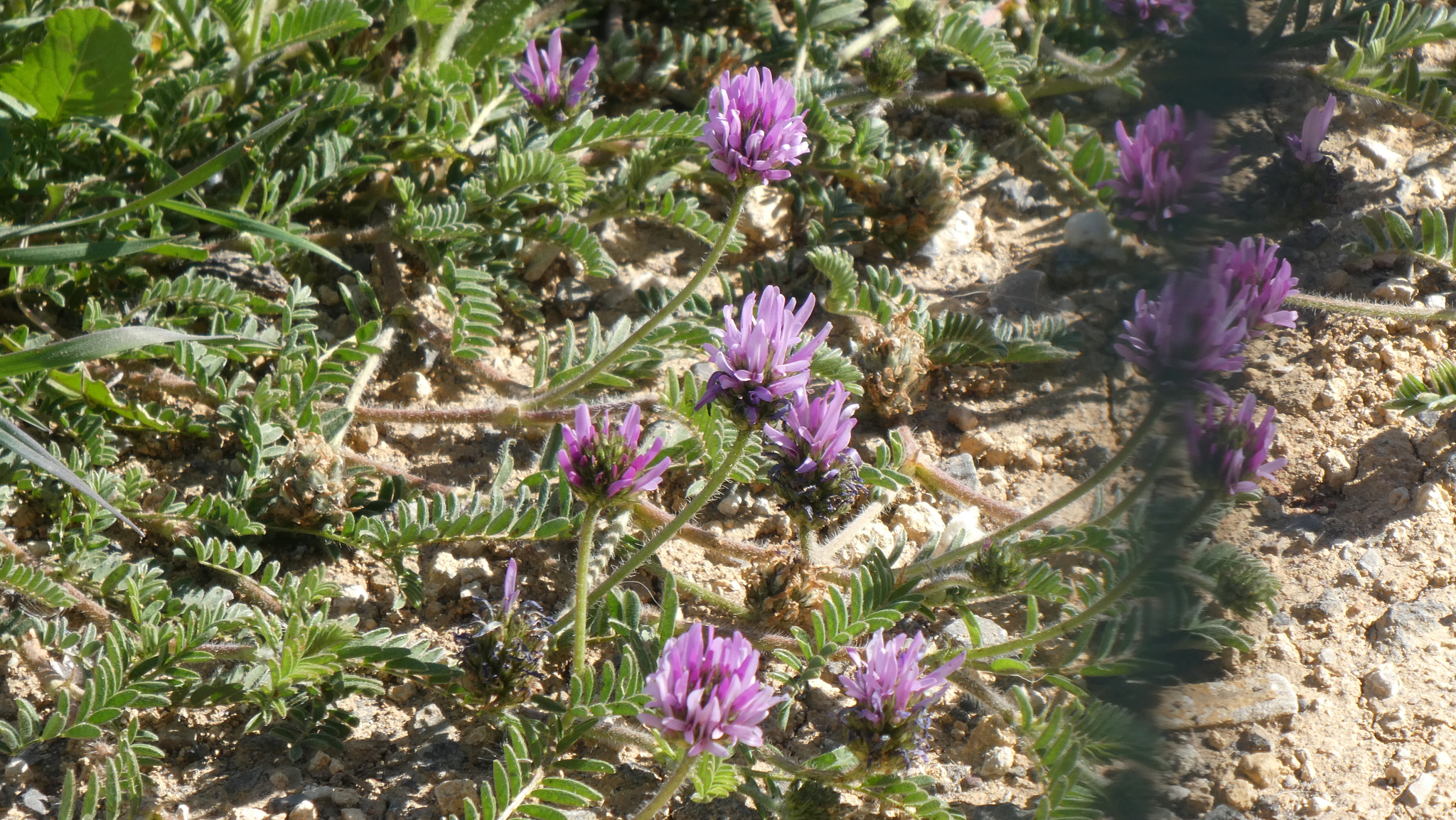
Physically, Astragalus glycyphyllos presents a sprawling or ascending growth habit, typically reaching a height of 30 to 60 centimeters, though it can sometimes grow taller. The stems are often somewhat woody at the base and are covered in fine hairs. The leaves are compound, pinnately arranged, and consist of numerous small, oval to oblong leaflets. These leaflets are typically smooth or slightly hairy and have a characteristic arrangement along the leaf stalk. The plant produces racemes of flowers, which are pea-like in structure, a common feature of the Fabaceae family. The individual flowers are usually pale yellow to creamy white, with the standard petal often being slightly hooded. Following flowering, the plant develops pods, which are characteristic of Astragalus species. These pods are typically inflated and somewhat curved, containing several small, kidney-shaped seeds.
The native distribution of Astragalus glycyphyllos is primarily across Europe, extending into parts of Western Asia. It thrives in a variety of open habitats, often found in dry grasslands, meadows, open woodlands, and on calcareous soils. It prefers well-drained conditions and can tolerate a range of light exposures, from full sun to partial shade. While not widely cultivated as an ornamental, it can be grown in suitable garden settings, particularly in wildflower meadows or rock gardens where its naturalistic habit can be appreciated. Its cultivation requirements are generally straightforward, favoring well-drained soil and a sunny to partially shaded location.
Historically, the common name "Licorice Milkvetch" suggests a connection to the flavor of licorice, though scientific documentation confirming significant culinary or medicinal use directly attributed to Astragalus glycyphyllos itself is limited. While some Astragalus species have been utilized in traditional medicine, specific, well-established uses for Astragalus glycyphyllos are not widely documented in scientific literature. Its ecological role is primarily as a component of its native grassland ecosystems, contributing to biodiversity and providing habitat and food sources for local fauna.
An interesting characteristic of Astragalus glycyphyllos, shared with many legumes, is its ability to fix atmospheric nitrogen through a symbiotic relationship with soil bacteria in its root nodules. This process enriches the soil, benefiting surrounding plant life. The plant's ability to thrive in drier, less fertile soils is partly due to this nitrogen-fixing capability and its well-developed root system, which helps it access water and nutrients. The somewhat inflated pods are a distinctive feature, offering a visual cue for identification among other Astragalus species.
Well-draining soil is essential. Tolerates a range of soil types, including sandy, loamy, and clay soils, but dislikes waterlogged conditions.
Temperature
Prefers moderate temperatures.
Habitat
Outdoor
Fertilizer
Light feeding in spring.
Care Requirements
Light
Full sun to partial shade.
Prefers sun, but tolerates some shade.
Water
Moderate watering during the growing season.
Allow soil to dry slightly between waterings.
Soil
Well-draining soil is essential. Tolerates a range of soil types, including sandy, loamy, and clay soils, but dislikes waterlogged conditions.
Temperature
Prefers moderate temperatures.
Ideal growing range is 15-25 °C.
Habitat
Outdoor
Fertilizer
Light feeding in spring.
Avoid over-fertilization.
Plant Overview
Plant Type
Herb
Plant Category
Foliage, Ornamental
Plant Place Type
Ground, Garden
Plant Environment
Outdoor
Lifespan
Perennials
Plant Height
0.3-0.6 m
Spread
0.6-1 m
Growth Rate
Moderate
Dormancy
Yes
Leaf Color
Green
Leaf Type
Compound
Flower Size
1-1.5 cm
Image Gallery
Flowering & Fruiting Cycles
Monthly activity intensity for bloom and fruit across both hemispheres.
Northern hemisphere
Flowering & fruiting calendar
Peak bloom · JunPeak fruit · Aug
FloweringFruiting
Southern hemisphere
Flowering & fruiting calendar
Peak bloom · SepPeak fruit · Oct
FloweringFruiting
Synonyms
Hamosa glycyphyllos (L.) Medik.
Hedyphylla glycyphylla (L.) Rydb.
Tragacantha glycyphyllos (L.) Kuntze
Taxonomy
kingdomPlantae
divisionTracheophyta
classMagnoliopsida
orderFabales
familyFabaceae
genusAstragalus
speciesAstragalus glycyphyllos
Toxicity
Toxic for humans
No
Rating: 0/5
Toxic for pets
No
Rating: 0/5
Edible
No
Additional Care Tips
Water moderately during the growing season, ensuring good drainage. Allow the top inch of soil to dry out between waterings. Reduce watering in cooler months.
Prune back dead or damaged stems in late winter or early spring before new growth begins. Remove spent flower stalks to encourage reblooming or to maintain a tidy appearance.
Easily propagated from seed sown in autumn or early spring. Can also be propagated by division of established clumps in early spring.
As a perennial typically grown outdoors, repotting is generally not applicable unless grown in a container. If container-grown, repot every 2-3 years into a slightly larger pot with fresh potting mix.
FAQs
Is Licorice Milkvetch poisonous to pets?
No, Astragalus glycyphyllos is not considered poisonous to pets.
What is the ideal soil for Licorice Milkvetch?
It thrives in well-draining soil, tolerating sandy, loamy, or clay types, but it must not remain waterlogged.
How often should I water Licorice Milkvetch?
Water moderately during the growing season, allowing the top inch of soil to dry out between waterings. Reduce watering in winter.
Can Licorice Milkvetch be grown in containers?
Yes, it can be grown in containers, provided they have good drainage. It typically requires repotting every 2-3 years.
When does Licorice Milkvetch bloom?
Licorice Milkvetch typically blooms from late spring through summer, producing attractive yellow flowers.