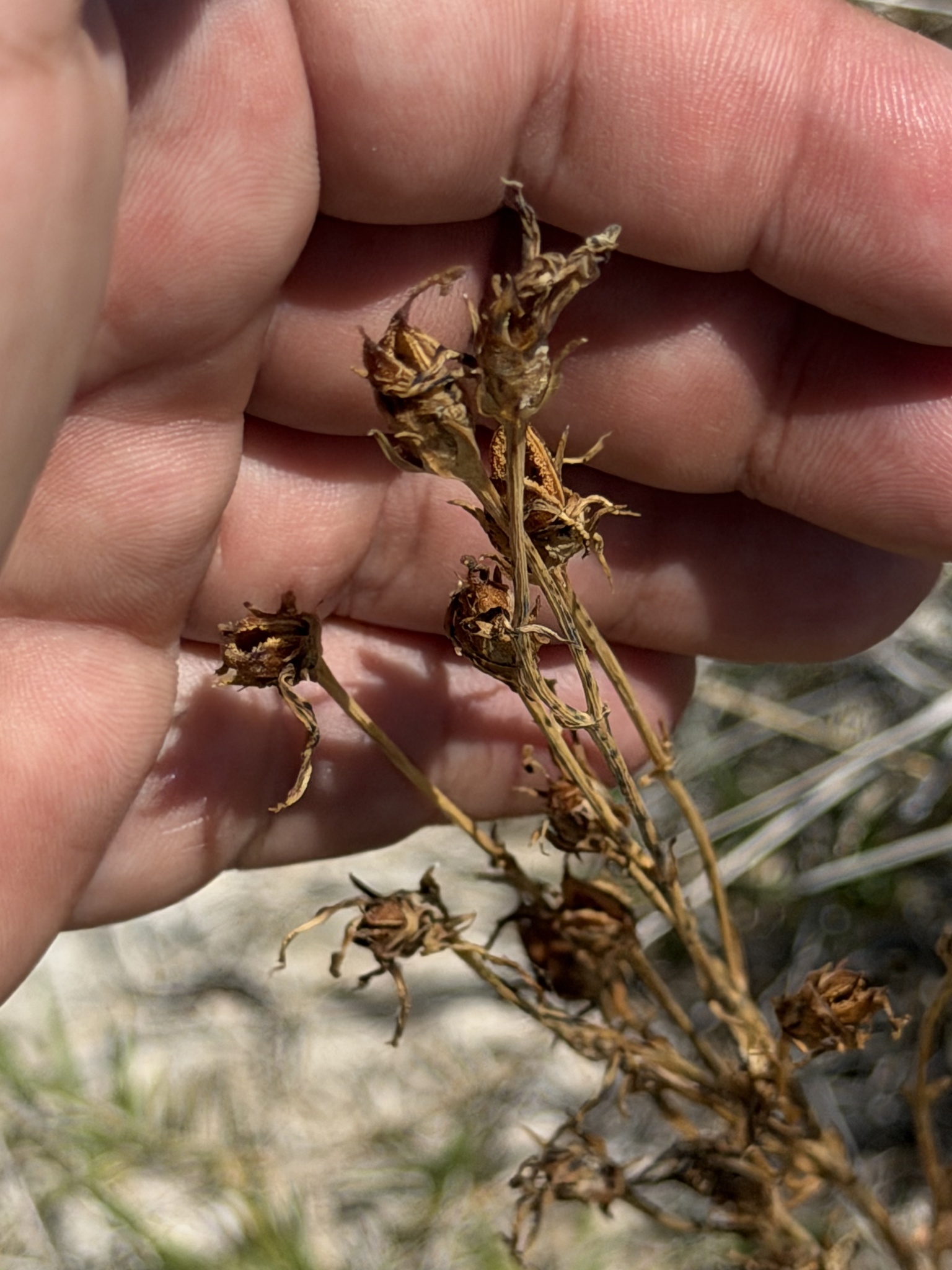
Bolero Deep Blue (Eustoma russellianum)

Eustoma russellianum, commonly known as Lisianthus, is a popular flowering plant with beautiful, rose-like blooms in various colors.

Eustoma russellianum, commonly known as prairie gentian or Texas bluebell, is a captivating herbaceous perennial celebrated for its exquisite, often vibrant, bell-shaped flowers. This species holds a significant place in horticulture, particularly for its ornamental value, and is a popular choice for gardens and floral arrangements. Its appeal lies in its delicate yet striking blooms, which add a touch of elegance and color to various landscapes. The plant typically exhibits an upright growth habit, reaching a height of approximately 30 to 60 centimeters. Its stems are slender and often branched, supporting lance-shaped to ovate leaves that are arranged oppositely along the stem. The leaves are generally a smooth, waxy green, contributing to the plant's overall refined appearance. The most prominent feature of Eustoma russellianum is its solitary or clustered flowers, which emerge from the upper leaf axils. These flowers are characteristically funnel-shaped or campanulate, with five distinct petals that often exhibit a gentle twist. The "Bolero Deep Blue" cultivar, as its name suggests, is renowned for its intense, rich blue coloration, though other varieties can display shades of purple, pink, and white. The flowers are typically 5 to 8 centimeters in diameter. Following successful pollination, the plant produces a capsule containing numerous small seeds. Eustoma russellianum is native to the grasslands and prairies of North America, with a distribution that includes parts of the central and southern United States, particularly Texas. It thrives in well-drained soils and prefers full sun to partial shade. In its natural habitat, it is often found in open, sunny locations with moderate moisture. For cultivation, it requires consistent watering, especially during dry periods, but it is crucial to avoid waterlogged conditions, which can lead to root rot. Well-draining soil, such as a sandy loam, is ideal. The plant is generally grown as an annual in cooler climates but can perennialize in regions with mild winters. Propagation is typically achieved through seeds, which require careful sowing and consistent conditions for germination. The primary importance of Eustoma russellianum lies in its ornamental appeal. Its beautiful flowers make it a sought-after plant for borders, beds, and containers, providing a long blooming season from summer into fall. It is also widely used as a cut flower, prized for its longevity and the striking visual impact of its blooms. Ecologically, as a native prairie plant, it contributes to the biodiversity of its natural habitat, providing nectar for pollinators. While not widely recognized for medicinal, culinary, or significant economic uses beyond the horticultural trade, its aesthetic contribution to landscapes and the floral industry is substantial. An interesting characteristic of Eustoma russellianum is its ability to adapt to varying environmental conditions within its native range, showcasing resilience in prairie ecosystems. The development of numerous cultivars, such as "Bolero Deep Blue," highlights the plant's genetic diversity and its successful integration into horticultural practices worldwide, allowing for a wide spectrum of colors and forms to be enjoyed by gardeners and florists alike.

Above information is sourced from Wikipedia

Sunlight

Prefers full sun to partial shade.

Watering

Keep soil consistently moist but not waterlogged.

Soil

Well-draining, fertile potting mix or garden soil, slightly acidic to neutral pH.

Temperature

Ideal growing temperature is between 18-24°C.

Habitat

Outdoor, Indoor, Greenhouse

Fertilizer

Feed with a balanced liquid fertilizer every 2-4 weeks during the growing season.

Care Requirements

Light

Prefers full sun to partial shade.

Protect from intense afternoon sun in hot climates.

Water

Keep soil consistently moist but not waterlogged.

Water when the top inch of soil feels dry.

Soil

Well-draining, fertile potting mix or garden soil, slightly acidic to neutral pH.

Temperature

Ideal growing temperature is between 18-24°C.

Avoid temperatures below 10°C and extreme heat.

Habitat

Outdoor, Indoor, Greenhouse

Fertilizer

Feed with a balanced liquid fertilizer every 2-4 weeks during the growing season.

Use a fertilizer formulated for flowering plants.

Plant Overview

Plant Type

Herb

Plant Category

Flowering, Ornamental

Plant Place Type

Pot, Garden

Plant Environment

Outdoor, Indoor, Greenhouse

Lifespan

Annuals

Plant Height

0.3-0.6 m

Spread

0.2-0.3 m

Growth Rate

Moderate

Dormancy

None

Leaf Color

Green

Leaf Type

Simple

Flower Size

5-7 cm

Optimal Sunlight Lux

50000

Image Gallery

Flowering & Fruiting Cycles

Monthly activity intensity for bloom and fruit across both hemispheres.

Northern hemisphere

Flowering & fruiting calendar

Peak bloom · JulPeak fruit · Aug
FloweringFruiting
02468JanFebMarAprMayJunJulAugSepOctNovDecActivity intensityMonths85
Southern hemisphere

Flowering & fruiting calendar

Peak bloom · JunPeak fruit · Jul
FloweringFruiting
02468JanFebMarAprMayJunJulAugSepOctNovDecActivity intensityMonths85
Synonyms
Bilamista grandiflora Raf.
Eustoma andrewsii A.Nelson
Eustoma gracile Engelm. ex Small
Eustoma grandiflorum (Raf.) Shinners
Lisianthius glaucifolius Nutt.
Lisianthius russellianus Hook.
Urananthus russelianus Benth.
Taxonomy
  • kingdomPlantae
  • divisionTracheophyta
  • classMagnoliopsida
  • orderGentianales
  • familyGentianaceae
  • genusEustoma
  • speciesEustoma russellianum
Toxicity

Toxic for humans

No

Rating: 0/5

Toxic for pets

No

Rating: 0/5

Edible

No

Additional Care Tips

Water thoroughly when the top 2-3 cm of soil is dry. Avoid overwatering, which can lead to root rot. Reduce watering in cooler months.

Deadhead spent flowers regularly to encourage continuous blooming and maintain a tidy appearance. Remove any yellowing or dead leaves promptly.

Typically propagated from seed, which requires patience and specific conditions. Can also be propagated by division, though less common.

Repot annually or when the plant becomes root-bound, usually in spring. Use a pot that is only slightly larger than the previous one to avoid waterlogging.

FAQs

How often should I water Lisianthus?

Water Lisianthus when the top 2-3 cm of soil feels dry. Ensure the soil is moist but not waterlogged to prevent root rot.

What kind of light does Lisianthus need?

Lisianthus thrives in full sun to partial shade. In very hot climates, provide protection from intense afternoon sun to prevent scorching.

Can Lisianthus be grown indoors?

Yes, Lisianthus can be grown indoors as a houseplant, provided it receives adequate light and consistent moisture. Good air circulation is also beneficial.

Why are my Lisianthus stems weak?

Weak stems can be caused by insufficient light, overwatering, or lack of nutrients. Ensure it receives enough sun, well-draining soil, and regular feeding.

When is the best time to plant Lisianthus seeds?

Lisianthus seeds are best sown indoors 10-12 weeks before the last frost. They require light for germination and consistent warmth.