Lonestar Gumweed (Grindelia adenodonta) – Growing Guide, Benefits & Care | ePlant AI
Lonestar Gumweed (Grindelia adenodonta)
Lonestar Gumweed
Grindelia adenodonta is a perennial herb native to California, thriving in moist, saline wetland habitats. It features numerous yellow, daisy-like flower heads with.
Grindelia adenodonta, commonly known as Lonestar gumweed, is a perennial herb native to North America. This species belongs to the Asteraceae family, which includes daisies and sunflowers, and is characterized by its resinous foliage and bright yellow flower heads. The plant plays a role in its native ecosystems, often found in arid and semi-arid environments.
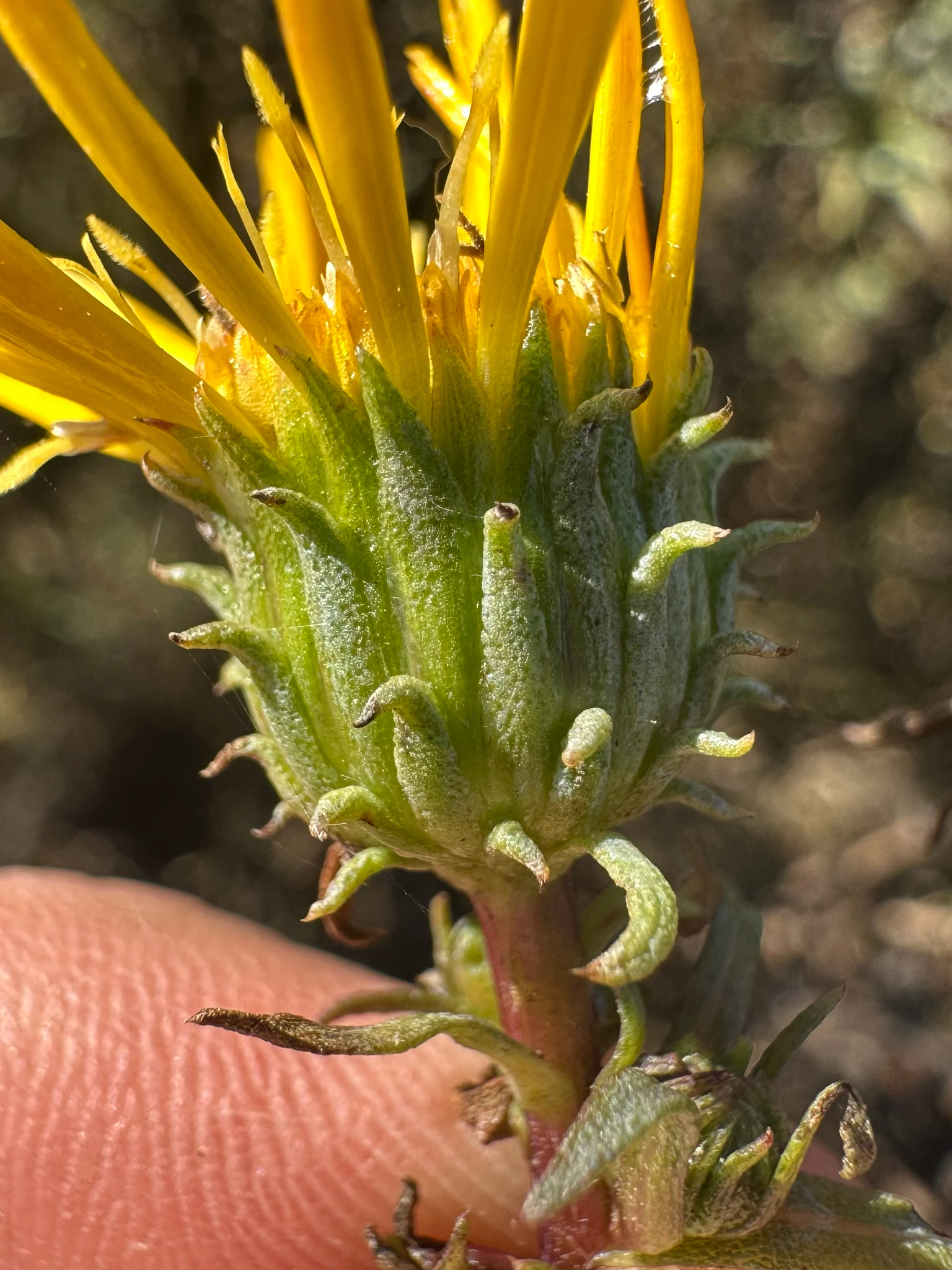
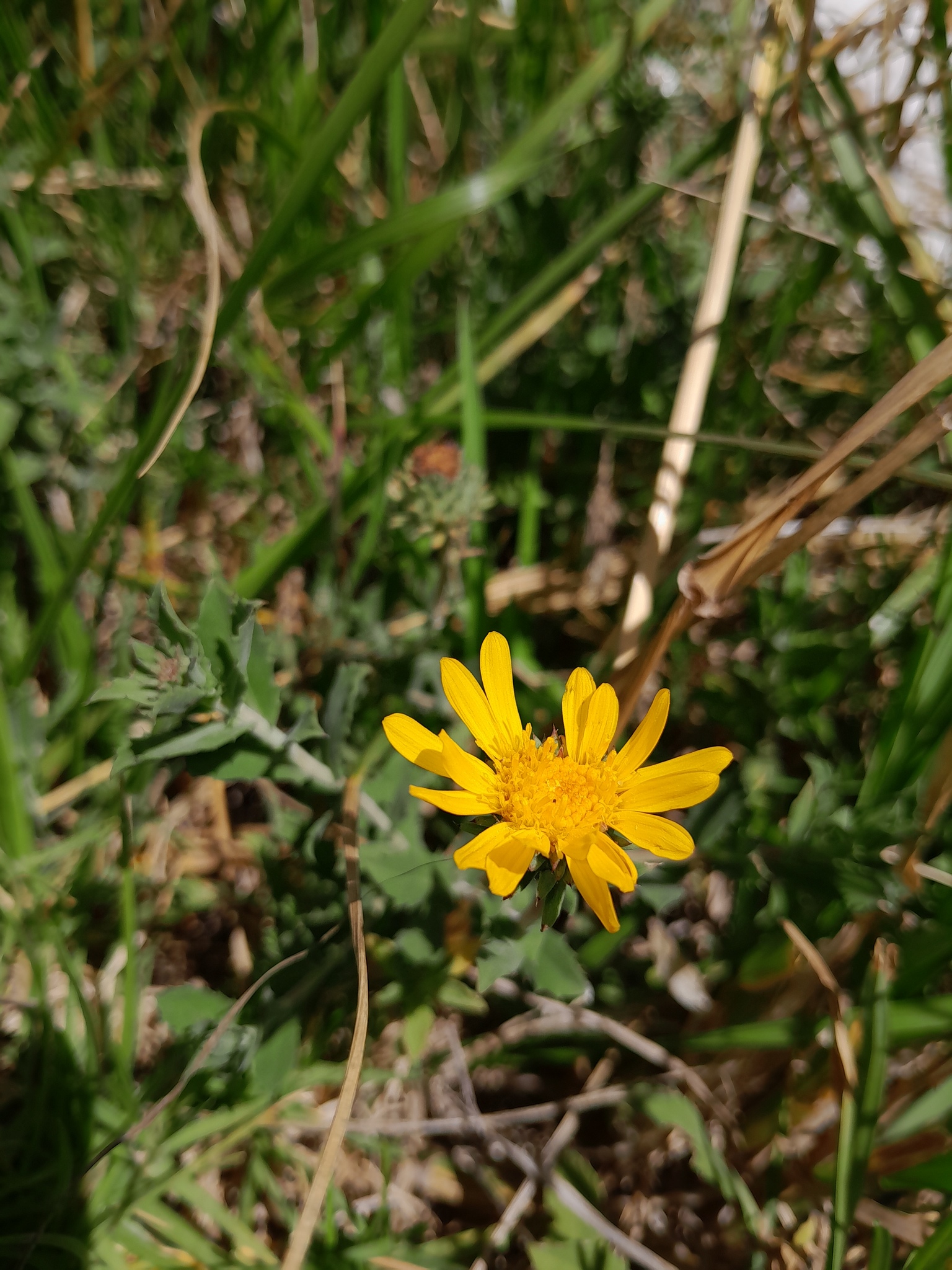
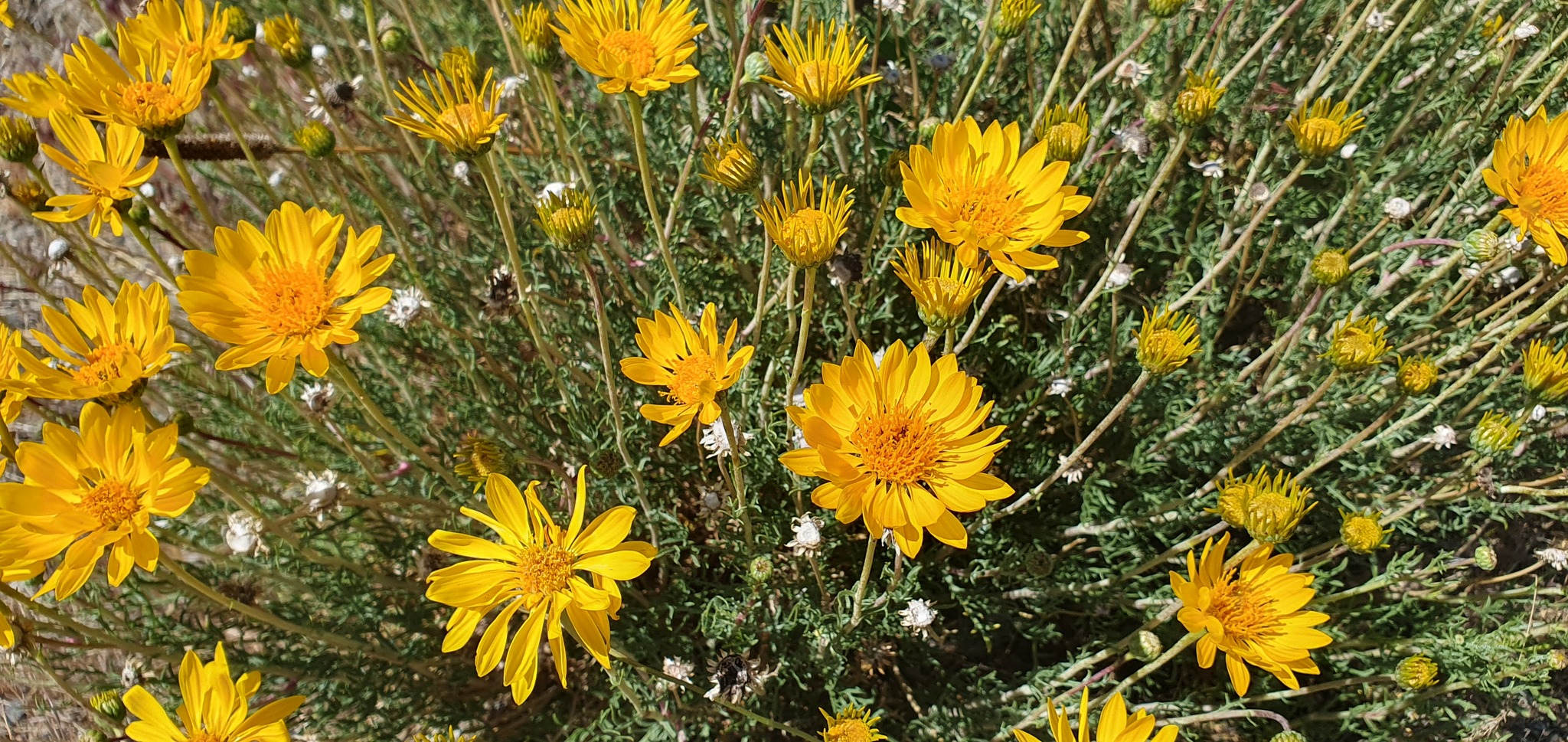
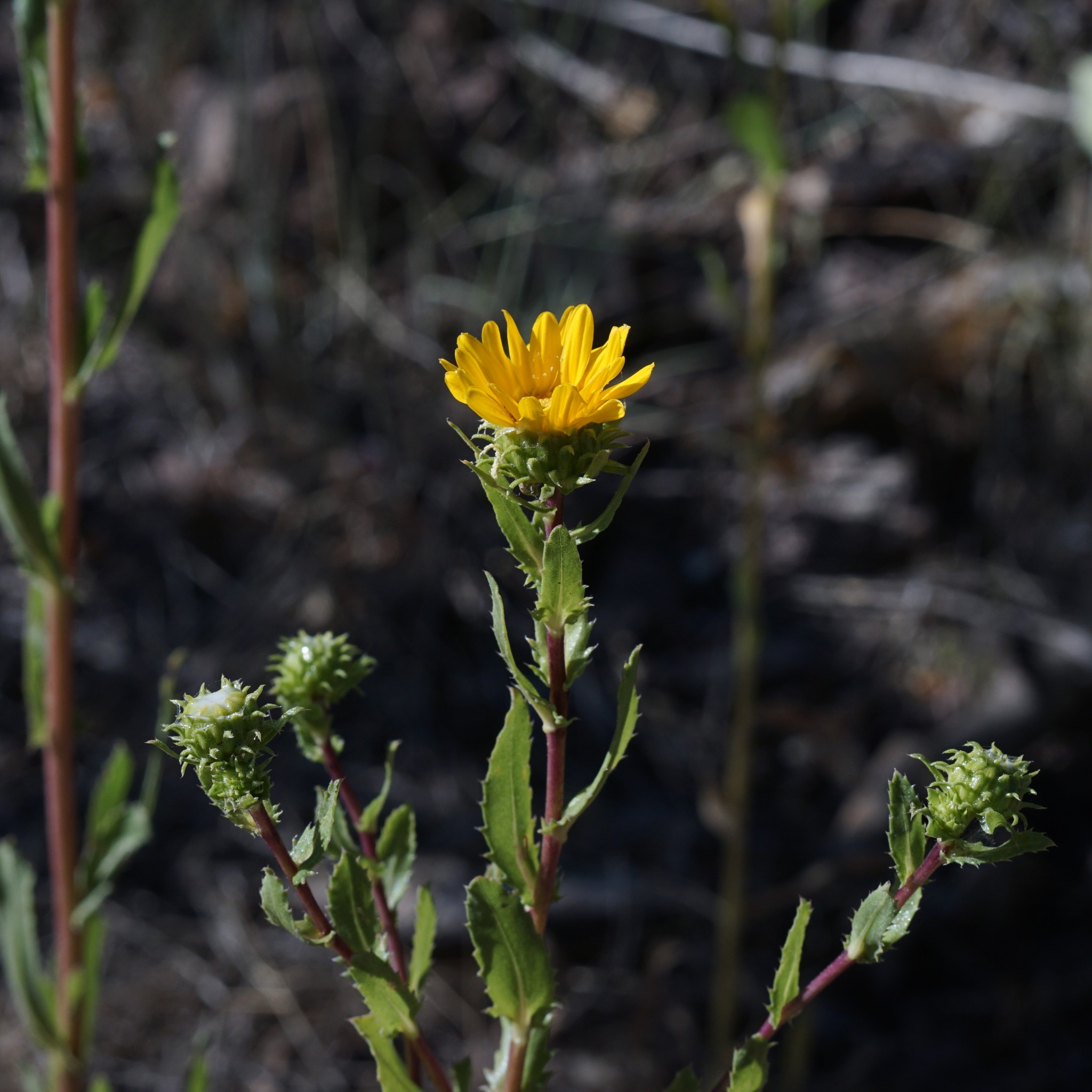
Physically, Grindelia adenodonta typically grows to a height of 30 to 90 centimeters. Its stems are erect and somewhat woody at the base, branching to form a bushy habit. The leaves are alternate, sessile, and vary in shape, often being oblong to lanceolate with toothed or serrated margins. A distinctive feature of the leaves and stems is the presence of glandular hairs, which exude a sticky, aromatic resin, giving rise to the common name "gumweed." This resin can be quite abundant, particularly on the flower buds and bracts. The flower heads are solitary or borne in loose clusters at the stem tips. Each head is typically 2 to 3 centimeters in diameter and features numerous ray florets surrounding a central disc of tubular florets, all a vibrant yellow. The involucre, the whorl of bracts subtending the flower head, is notably gummy and often reflexed. Following flowering, the plant produces achenes, which are small, dry fruits, each typically topped with a pappus of bristles.
The native range of Grindelia adenodonta is primarily within the United States, extending across several western and central states, including Texas, Oklahoma, and parts of the Southwest. It thrives in open, sunny locations, commonly inhabiting prairies, grasslands, rocky slopes, and disturbed areas such as roadsides and fields. This species is well-adapted to well-drained soils and can tolerate drought conditions once established. Cultivation requirements generally mirror its natural habitat, favoring full sun and poor to moderately fertile, well-draining soils. It is a resilient plant, often requiring minimal care in suitable environments.
Historically, some Grindelia species have been utilized for their medicinal properties, though specific documented uses for Grindelia adenodonta are less extensively detailed in scientific literature compared to other members of the genus. The resinous exudate has been noted for its potential applications, and indigenous peoples of North America have used various gumweeds for a range of ailments. Ecologically, the bright yellow flowers attract pollinators, including bees and butterflies, contributing to the biodiversity of its habitat. The plant's ability to colonize disturbed sites suggests a role in early successional plant communities.
An interesting characteristic of Grindelia adenodonta, shared with other gumweeds, is the sticky resin produced. This exudate may serve as a defense mechanism against herbivores and potentially deter parasitic insects. The resin also plays a role in seed dispersal by adhering to passing animals or objects. The plant's adaptation to arid conditions, including its resin production and relatively tough foliage, allows it to persist in environments with limited water availability.