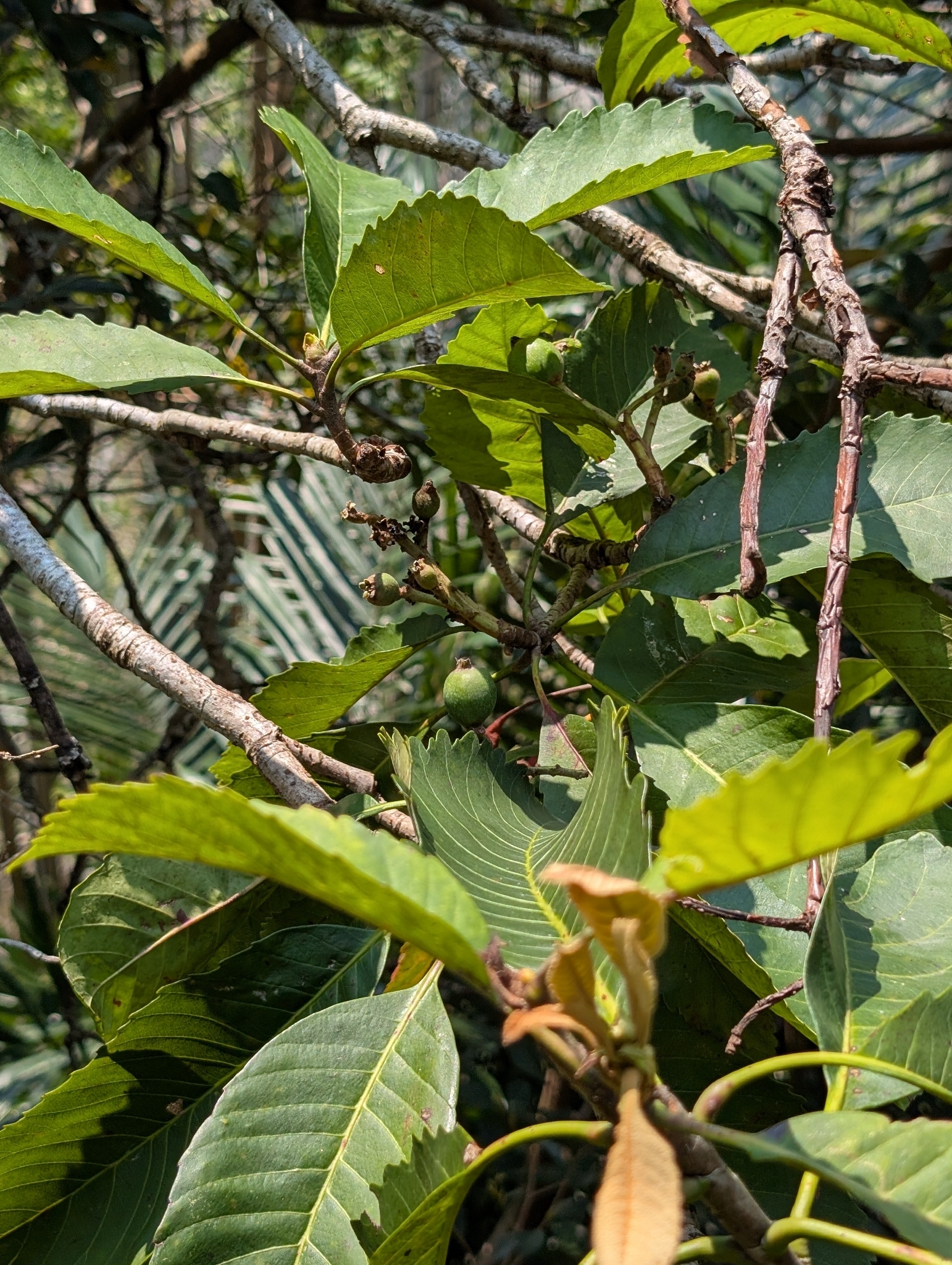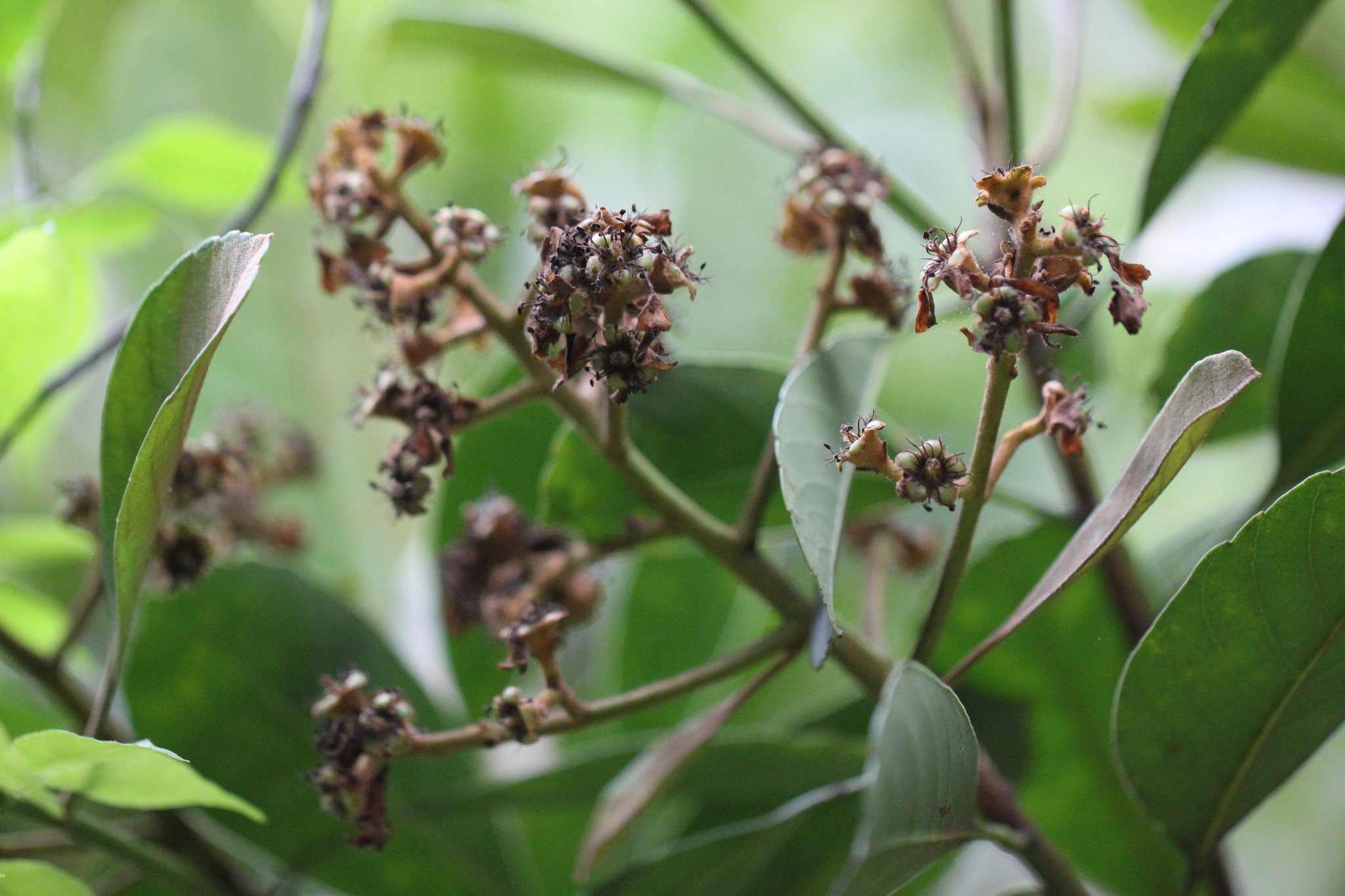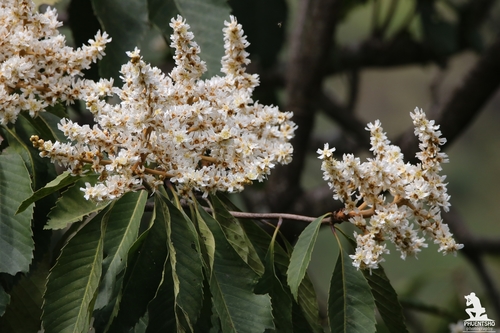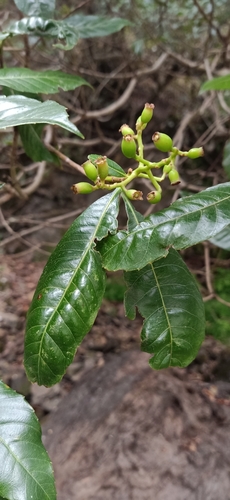
Loquat (Eriobotrya japonica)

Loquat (Eriobotrya japonica) is an evergreen fruit tree known for its sweet, pear-like fruit and attractive foliage, suitable for edible landscaping.

Above information is sourced from Wikipedia

Sunlight

Full Sun

Watering

Moderate

Soil

Well-drained, loamy, sandy

Temperature

Moderate

Habitat

Outdoor

Fertilizer

Moderate

Care Requirements

Light

Full Sun

Prefers at least six hours of direct sunlight daily for best fruiting and growth.

Watering

Moderate

Keep soil consistently moist but not waterlogged. Reduce watering in winter.

Soil

Well-drained, loamy, sandy

Temperature

Moderate

Thrives in warm climates (USDA zones 8-10); can tolerate light frosts once established.

Habitat

Outdoor

Fertilizing

Moderate

Fertilize annually in spring with a balanced fertilizer. Avoid over-fertilizing.

Plant Overview

Plant Type

Tree

Plant Category

Fruit, Ornamental

Plant Place Type

Garden, Pot

Plant Environment

Outdoor

Lifespan

Perennial

Plant Height

6-10 m

Spread

6-10 m

Growth Rate

Moderate

Dormancy

None

Leaf Color

Green

Leaf Type

Evergreen

Flower Size

2 cm

Optimal Sunlight Lux

60000

Image Gallery

Flowering & Fruiting Cycles

Monthly activity intensity for bloom and fruit across both hemispheres.

Northern hemisphere

Flowering & fruiting calendar

Peak bloom · FebPeak fruit · Jun
FloweringFruiting
02468JanFebMarAprMayJunJulAugSepOctNovDecActivity intensityMonths910
Southern hemisphere

Flowering & fruiting calendar

Peak bloom · OctPeak fruit · Feb
FloweringFruiting
02468JanFebMarAprMayJunJulAugSepOctNovDecActivity intensityMonths910
Synonyms
Crataegus bibas Lour.
Mespilus japonica Thunb.
Photinia japonica (Thunb.) Hemsl.
Pyrus bibas (Lour.) M.F.Fay & Christenh.
Rhaphiolepis bibas (Lour.) Galasso & Banfi
Taxonomy
  • kingdomPlantae
  • divisionTracheophyta
  • classMagnoliopsida
  • orderRosales
  • familyRosaceae
  • genusEriobotrya
  • speciesEriobotrya japonica
Toxicity

Toxic for humans

No

Rating: 0/5

Toxic for pets

No

Rating: 0/5

Edible

Yes

Seeds and leaves contain cyanogenic glycosides, which can release cyanide upon ingestion, causing gastrointestinal upset and more severe symptoms in large doses.

Additional Care Tips

Loquats prefer consistently moist soil, especially when young and during fruit development. Water deeply once a week during the growing season, reducing frequency in cooler months. Allow the top few centimeters of soil to dry out between waterings to prevent waterlogging, which can lead to root rot.

Prune loquats after fruiting to shape the tree, remove dead or crossing branches, and improve air circulation. Thin out crowded growth to encourage larger fruit. Heavy pruning can reduce fruit yield, so focus on maintaining a healthy structure and removing unproductive wood.

Loquats are typically propagated by seed, which may not come true to type, or by grafting, which ensures desired fruit characteristics. Seeds should be sown fresh in well-draining soil. Grafting is best performed in late winter or early spring.

Young loquat trees in containers should be repotted every 2-3 years into a slightly larger pot with fresh, well-draining potting mix. Repot in early spring before new growth begins. Mature trees in the ground rarely need repotting unless transplanted.

FAQs

What are the ideal growing conditions for a loquat tree?

Loquats prefer full sun to partial shade and well-drained soil. They are relatively drought-tolerant once established but benefit from regular watering during dry periods.

When do loquats produce fruit?

Loquats typically bloom in the fall or early winter, with the fruit ripening in late spring to early summer, depending on the climate.

Are loquats self-pollinating?

Most loquat varieties are self-pollinating, meaning a single tree can produce fruit without another loquat tree for cross-pollination.

Can loquats be grown in containers?

Yes, loquats can be successfully grown in large containers, especially dwarf varieties, provided they have adequate drainage and are protected from extreme cold.

Are the seeds of the loquat fruit edible?

No, the seeds of the loquat fruit are not edible. They contain cyanogenic glycosides and should be discarded.