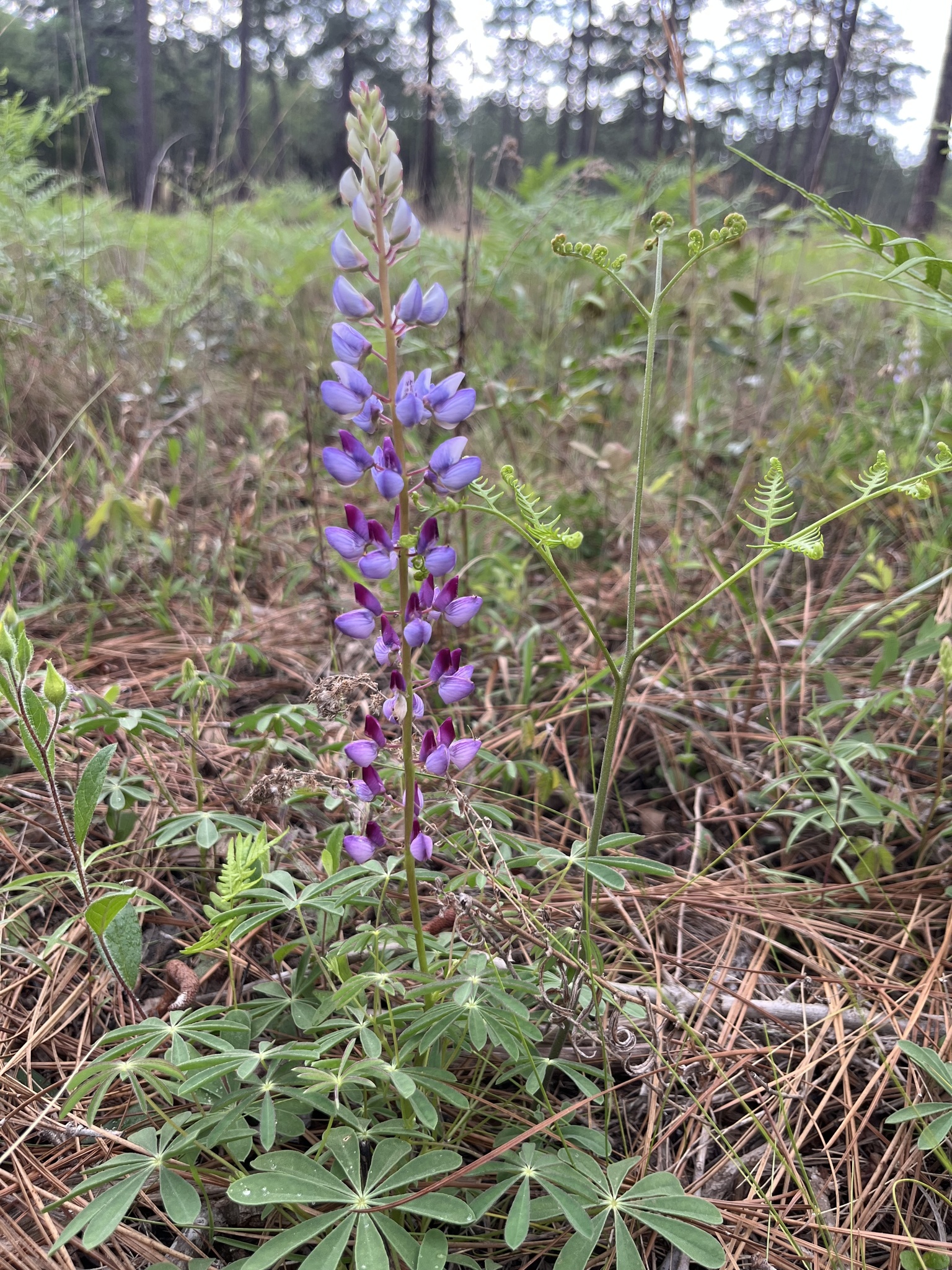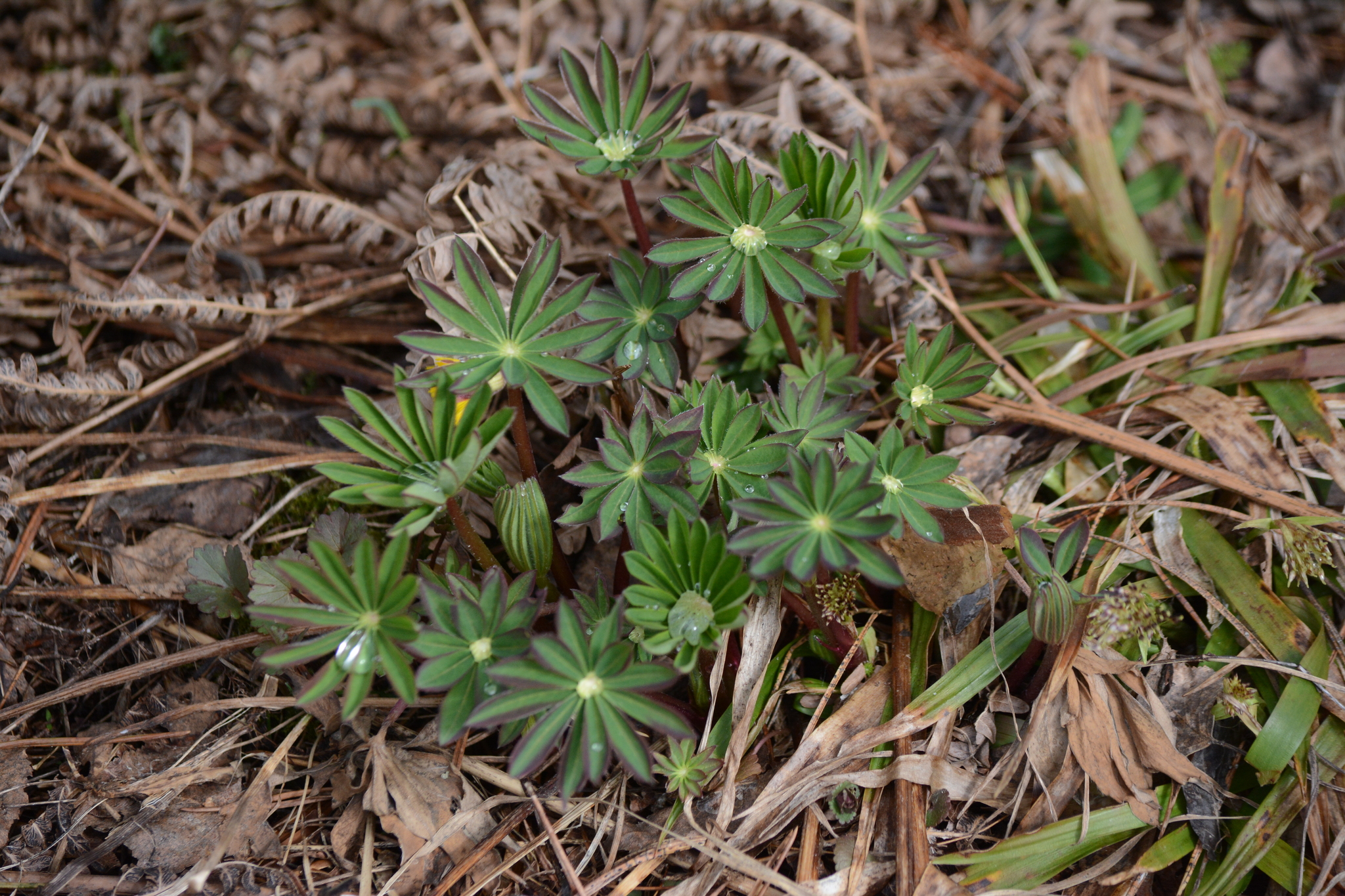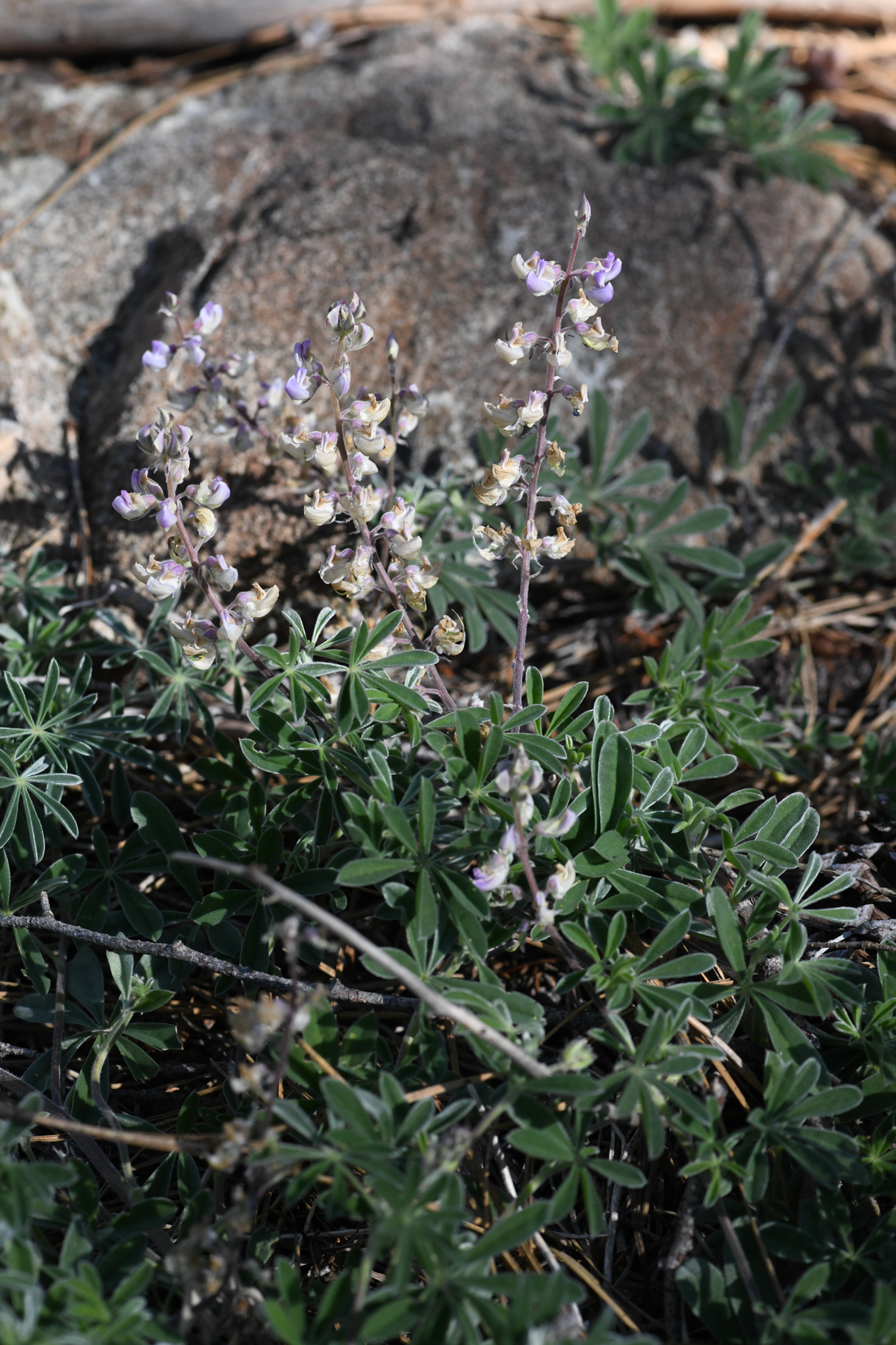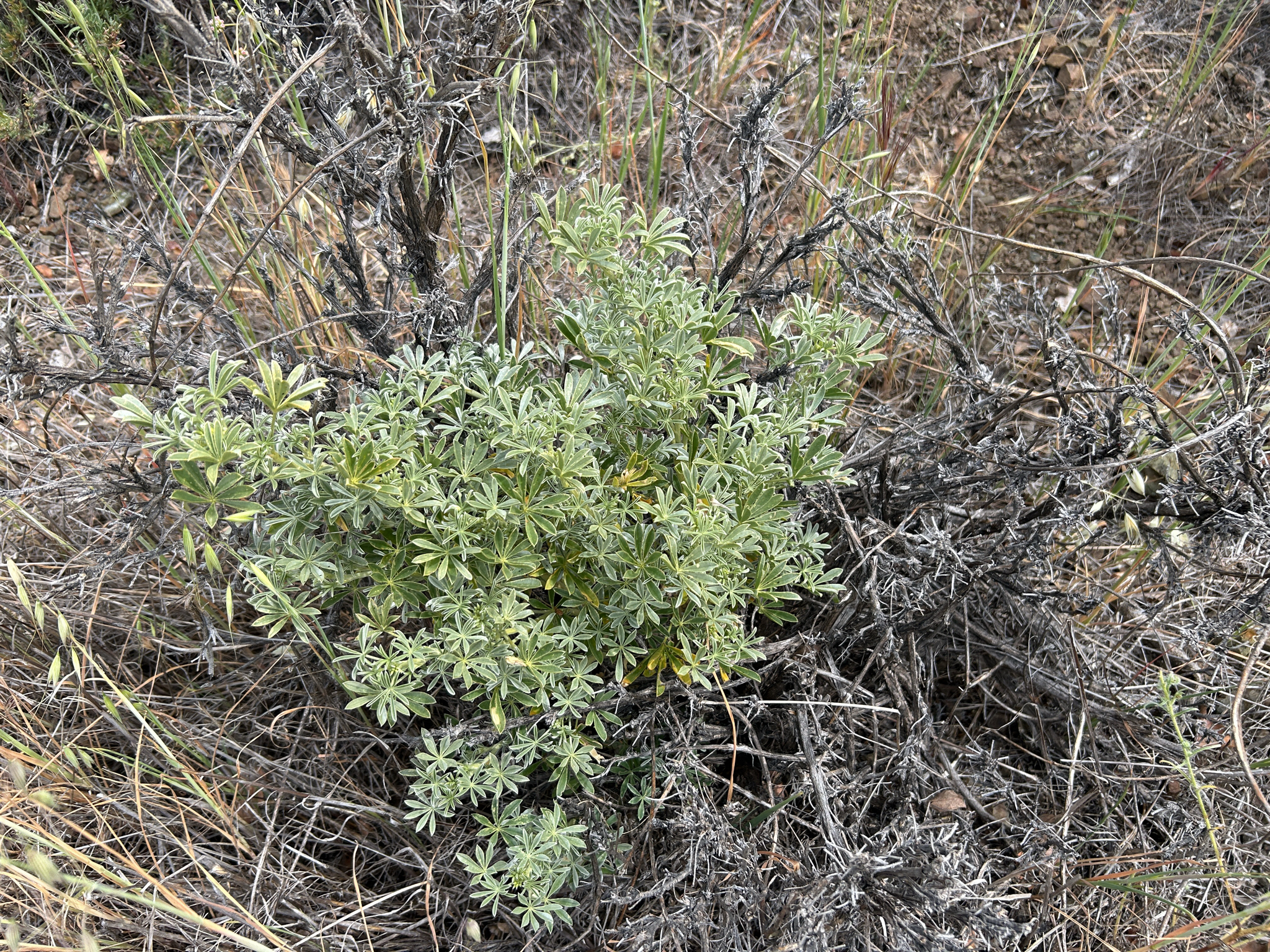
White Lupin (Lupinus albus) is an annual legume grown for edible seeds and as green manure, producing striking spikes of blue-purple flowers.
Above information is sourced from Wikipedia
Sunlight
Prefers full sun for best flowering and growth.
Watering
Water regularly, allowing soil to dry slightly between waterings. Avoid waterlogging.
Soil
Well-drained soil is essential. Prefers sandy or loamy soils with a slightly acidic to neutral pH.
Temperature
Grows best in moderate temperatures.
Habitat
Outdoor
Fertilizer
Requires minimal fertilizer due to nitrogen-fixing ability.
Prefers full sun for best flowering and growth.
Can tolerate light shade.
Water regularly, allowing soil to dry slightly between waterings. Avoid waterlogging.
Especially during dry spells.
Well-drained soil is essential. Prefers sandy or loamy soils with a slightly acidic to neutral pH.
Grows best in moderate temperatures.
Ideal range 15-25°C.
Outdoor
Requires minimal fertilizer due to nitrogen-fixing ability.
Use low-nitrogen feed if soil is poor.
Plant Type
Herb
Plant Category
Flowering, Vegetable, Ornamental
Plant Place Type
Ground, Garden
Plant Environment
Outdoor
Lifespan
Annuals
Plant Height
0.6-1.5 m
Spread
0.3-0.5 m
Growth Rate
Moderate
Dormancy
None (Annual)
Leaf Color
Green
Leaf Type
Palmate
Flower Size
2-3 cm
Monthly activity intensity for bloom and fruit across both hemispheres.
Flowering & fruiting calendar
Toxic for humans
No
Rating: 0/5
Toxic for pets
No
Rating: 0/5
Edible
Yes
While the seeds of Lupinus albus are edible after processing to remove bitter alkaloids, raw or improperly processed seeds can cause digestive upset. All parts of the plant contain alkaloids.